Last updated October 15, 2026



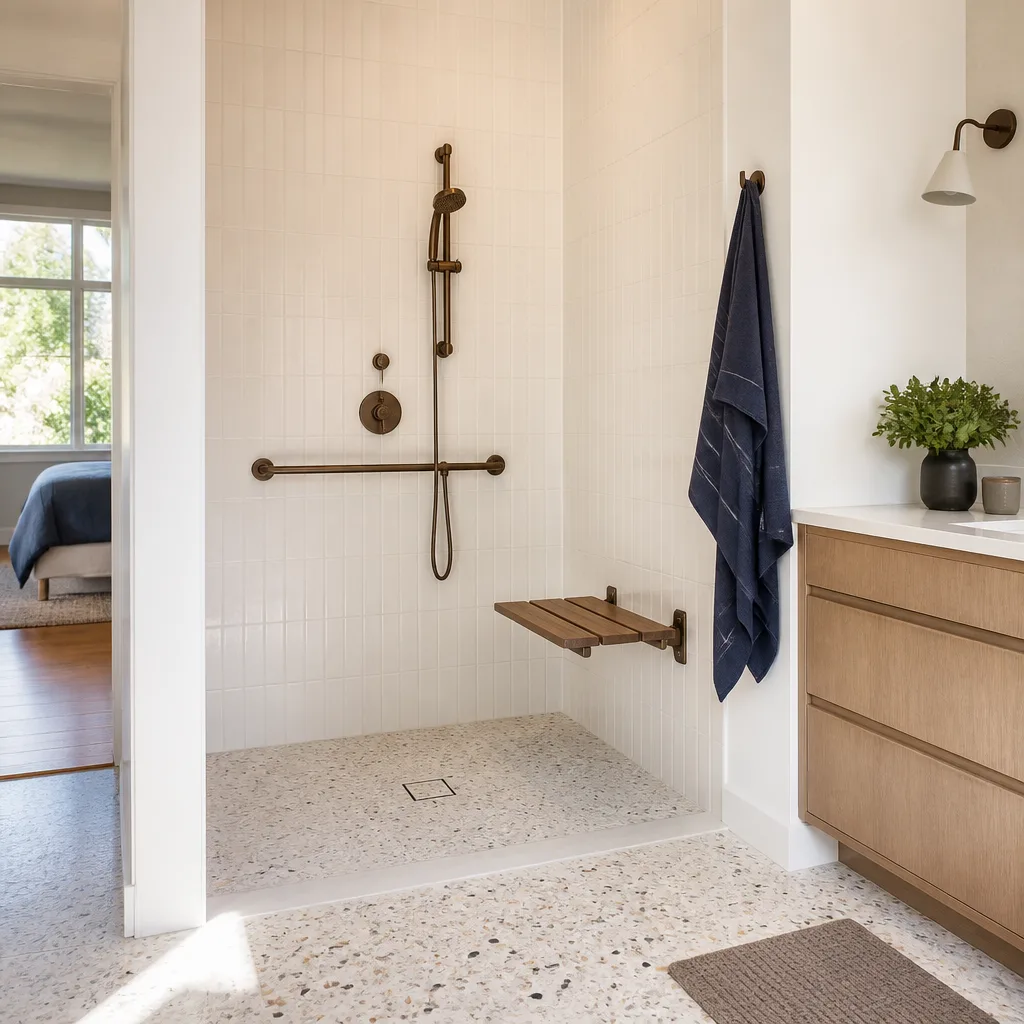
Free written scope consultation - allowances, timeline, and change-order rules on paper before a single trade is scheduled
How to Hire a Construction Contractor in Woodland Hills: A Step-by-Step Guide
California’s Contractors State License Board (CSLB) fields roughly 20,000 complaints a year, and the most common trigger isn’t shoddy work. It’s a mismatch between what was verbally promised and what ended up in writing. In Woodland Hills, where a typical remodel contract runs between $60,000 and $150,000, that gap between handshake and paperwork gets expensive fast. This guide walks you through reading a license page like an inspector, comparing bids that don’t look alike, and verifying the human beings who will walk through your front door. For more guides & resources, explore our blog. You’ll finish knowing more about hiring a contractor in Woodland Hills than most people learn after their first project is already halfway done.
Styles & brands we work with
Quick Answer
To hire a construction contractor in Woodland Hills, verify their CSLB license is active and classified for your project type, get a written bid with line-item detail, and never pay more than 10% down (California’s legal cap for most residential jobs). Then confirm who physically shows up: insist on knowing whether the crew is employed or subcontracted, what background screening exists, and whether names and photo IDs are provided before arrival. Get all three pieces in writing before any tools leave the truck.
Table of Contents
- Step 1: Verify the CSLB License Before You Sign Anything
- Step 2: Compare Bids That Don’t Use the Same Line Items
- Step 3: Ask Who Physically Shows Up to Work
- Step 4: Read the Payment Schedule Like a Contract Lawyer
- Step 5: Structure the Final Payment So Your Leverage Survives the Punch List
- Step 6: Woodland Hills Specifics That Change the Math
- Step 7: Get the Guarantee in Writing, With Dates
- Common Mistakes to Avoid
- When to Call a Professional
- Frequently Asked Questions
- The Bottom Line
Step 1: Verify the CSLB License Before You Sign Anything
The CSLB license page is the single most underused free tool in California construction. Every licensed contractor has a public profile at cslb.ca.gov, and that page tells you more than any review site ever will. Here’s how to read it before you hire a contractor in Woodland Hills.
Check the status first. A license that says “active” means the contractor has current bond and insurance filings. “Suspended” means they’ve failed to maintain those requirements, usually because of a lapse in workers’ compensation coverage or an unresolved complaint. “Expired” is obvious, but plenty of homeowners skip this step and find out later. If the status is anything other than active, walk away. There’s no nuance here.
Read the classification code. The CSLB issues dozens of classifications, and they matter more than the contractor’s website claims. A “B” classification (General Building Contractor) allows work on most residential projects including structural framing, additions, and whole-home remodels. But if you’re hiring for a specific trade, the classification narrows: C-36 is plumbing, C-10 is electrical, C-54 is tile, C-29 is masonry. A B license does not automatically authorize every trade. If a general contractor subcontracts electrical work, the sub must hold a C-10. If anyone on your Woodland Hills project touches wiring without that classification, you’ve got a compliance problem waiting to surface.
Look at the business name, not just the brand. Contractors can operate under a DBA (doing business as) name while their license is registered under a different entity. The CSLB page lists both. If the license is held by a different company name than the one on your contract, ask why. This is common with remodelers operating as part of a larger network, but you deserve to know exactly which entity the check is being written to and who bears responsibility if something goes wrong.
Verify the bond and insurance filings. The CSLB page shows the contractor’s bond amount and workers’ compensation insurance status. For residential work, the bond is typically $25,000. If the contractor has zero employees, they may be exempt from workers’ comp, but that exemption is displayed on the page. No exemption and no workers’ comp? That’s a silent red flag.
One more note for Woodland Hills specifically: the city falls under Los Angeles County building codes, and certain projects require city permits through the LADBS Woodland Hills district office. A licensed contractor should be fluent in this process. If they suggest skipping permits to save time or money, the CSLB license page won’t help you when the unpermitted addition shows up in your property records. For larger structural work, general contracting in Woodland Hills requires someone who pulls permits and schedules inspections. That’s the baseline, not the upgrade.
Step 2: Compare Bids That Don’t Use the Same Line Items
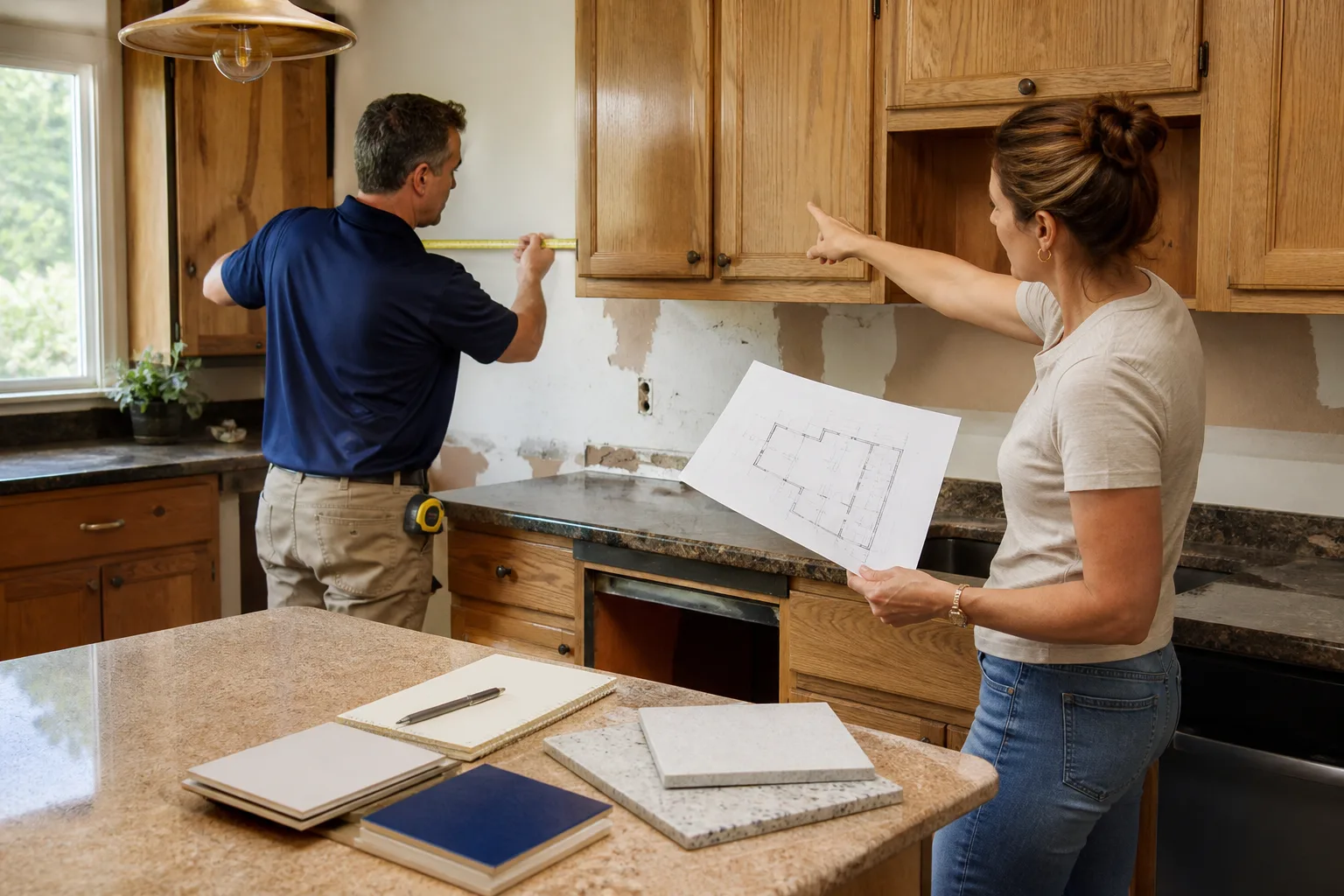
The standard advice is “get three bids.” That’s the right starting point. But it’s the wrong finish line if those three bids don’t share a common structure. One contractor’s “bathroom remodel: $42,000” and another’s 14-line breakdown for $47,500 aren’t comparable until you normalize them. Here’s the side-by-side framework we recommend in Woodland Hills, where remodel scopes range from cosmetic refreshes to structural reconfigurations of mid-century ranch homes.
First, separate the bids into four buckets:
- Demolition and structural work – wall removal, framing changes, foundation work, seismic retrofitting if applicable.
- Mechanical, electrical, and plumbing (MEP) – the systems work that gets inspected by the city.
- Finishes – cabinetry, countertops, tile, fixtures, paint, flooring.
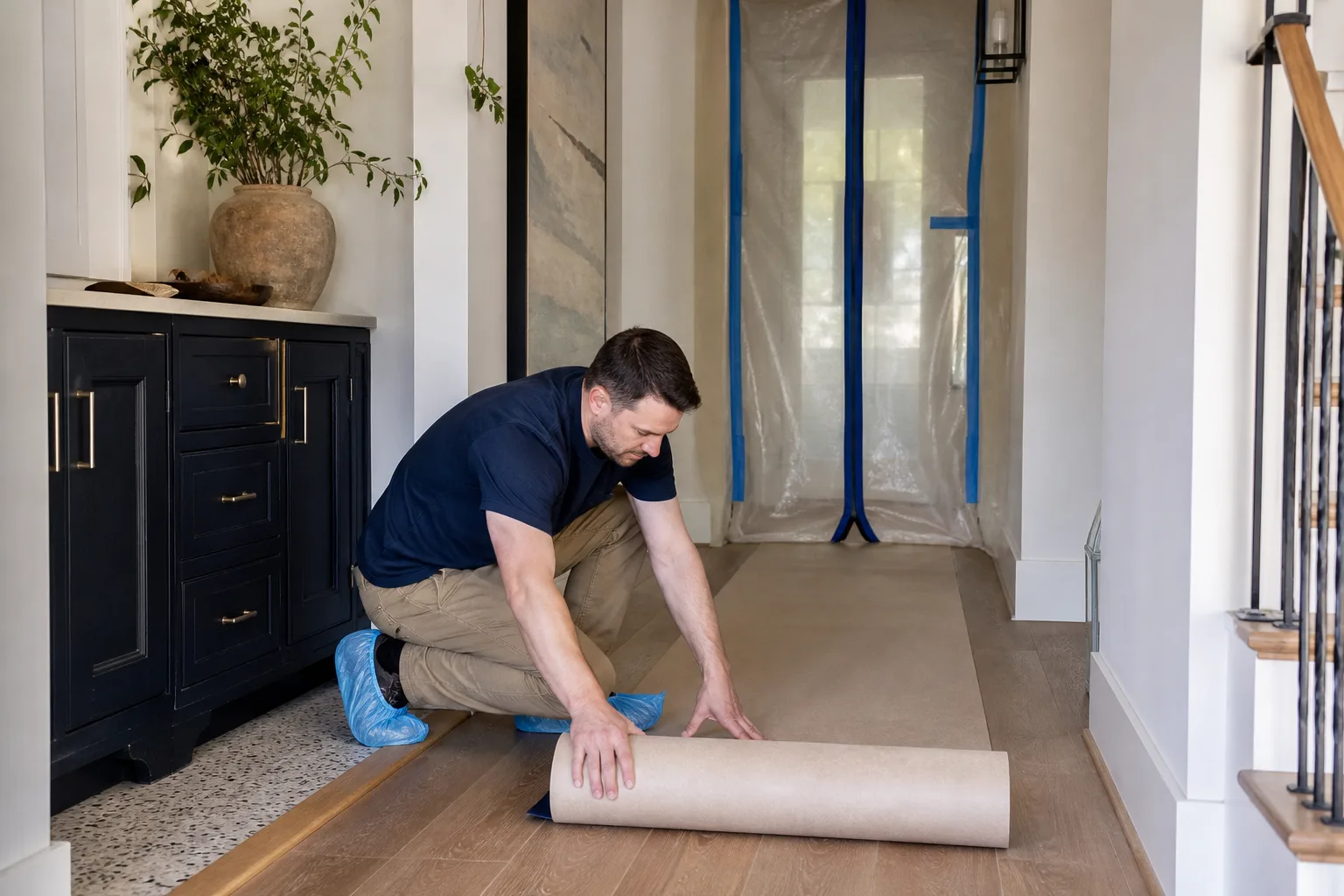
- General conditions – permits, dumpster fees, job site protection, project management.
Once every bid is sorted into those buckets, differences stop being blurry. One contractor budgets $8,000 for MEP work; another line-items $14,000 for the same scope. The first isn’t cheaper. They’re guessing. The second may have actually walked the mechanical systems. In a Woodland Hills home built in the 1960s or 1970s, that walk matters. Cast iron drain lines, old cloth-wrapped wiring, insufficient electrical panels for modern appliance loads. These are real conditions in the neighborhoods south of Ventura Boulevard, and they change MEP pricing substantially.
Next, black out the total price and compare only the line items. This forces you to see what’s included and what’s missing. A missing line item is not a discount. It’s a change order waiting to happen. If three bids for a Woodland Hills home remodeling project include different scopes for the same rooms, call each contractor and ask what’s driving the difference. Some will explain it. Some will hedge. The explanation quality tells you more than the dollar figure.
Finally, price the unknowns before you sign. Any contractor legitimately cannot know the condition of framing behind a shower wall until it’s opened up. But an honest bid handles the unknown with an allowance: “Framing repair allowance: $1,500, billed at time-and-materials with written daily logs if exceeded.” A dishonest bid simply omits the framing line and surprises you with a $4,000 change order in week three. In our experience, the difference between a fair Woodland Hills contractor and a costly one shows up here: whoever writes the allowances and assumptions clearly.
Step 3: Ask Who Physically Shows Up to Work
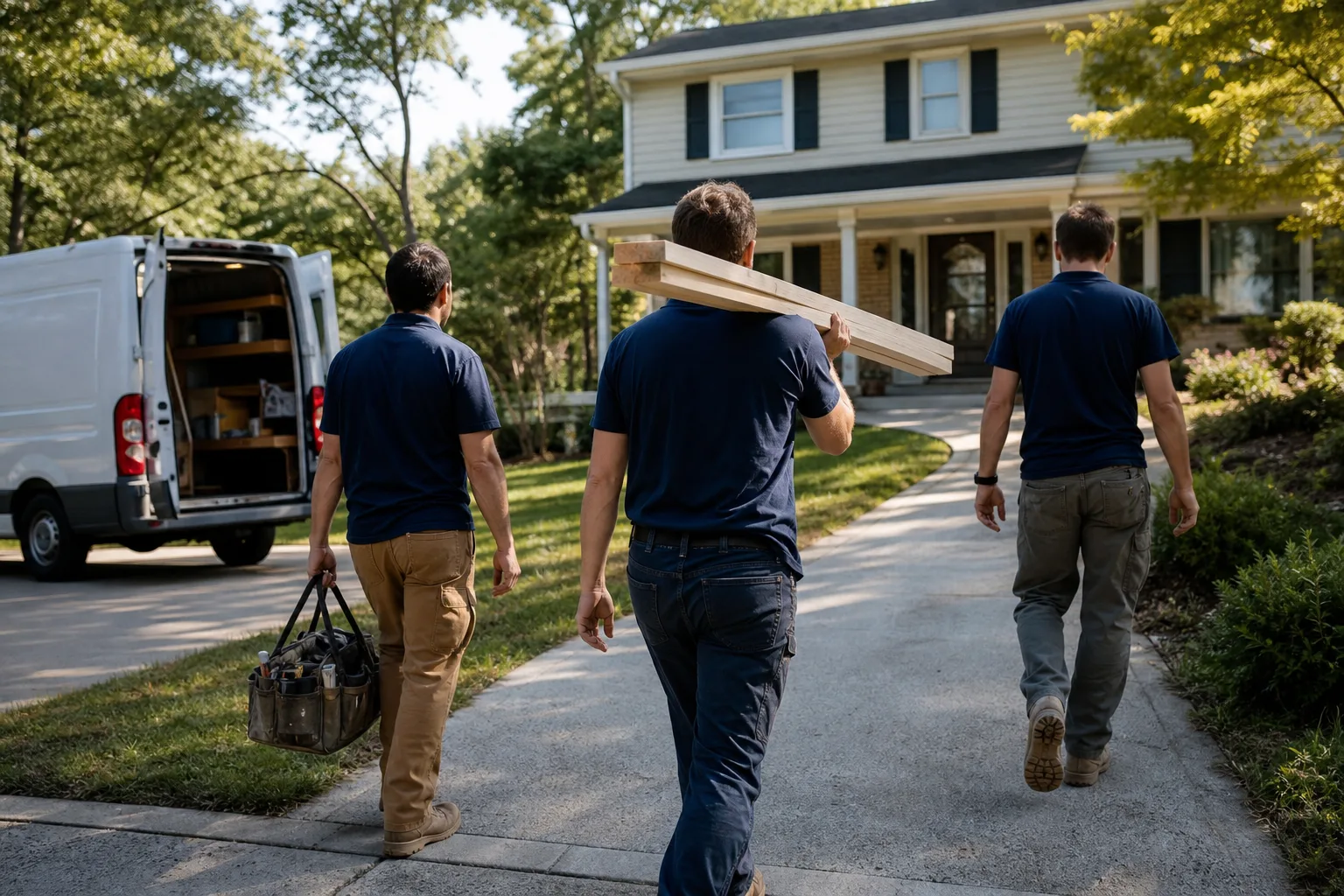
You vetted the company. You vetted the owner. You read the contract. But when the doorbell rings on day one of your Woodland Hills project, the person standing on the porch may be someone you’ve never heard of, sent by a subcontractor you didn’t authorize. This is the gap that most hiring guides skip, and it’s the one that matters most for homeowners who are often alone at home during the day, parents with young children in the house, or older adults who treat answering the door as a genuine safety decision rather than a formality.
Here are the questions to ask, in writing, before you sign:
- Are the people on site your direct employees, or subcontractors? The answer changes your legal position if there’s property damage or an injury. A direct employee is covered by the contractor’s workers’ comp. A subcontractor must carry their own. If the sub lapses, you could be in murky territory.
- What background screening do you run on everyone who enters my home? A contractor who hesitates or says “we don’t really do that” has answered the question.
- Can I see names and photo IDs in advance? This is the single most effective safety measure in residential construction. If the company can’t tell you who is coming before the visit, the homeowner cannot verify that the person at the door is authorized to be there.
- What uniforms or markings identify your crew? A marked truck, a clean uniform, and a photo ID badge at the door are minimum signals of a professional operation.
At Mason Remodeling Co Woodland Hills, this is handled by the Threshold Standard, a named verification process applied to every job. Before any visit, the homeowner receives the technician’s name and photo. At the door, the technician presents a photo ID badge. The crew arrives in clean, marked uniforms. No one sets foot inside without the homeowner knowing exactly who they are and who employs them. We built our Mason Remodeling Co Woodland Hills home service model around this because it’s the piece most contractors treat as an afterthought.
Step 4: Read the Payment Schedule Like a Contract Lawyer
California Business and Professions Code 7159 caps the down payment for most residential construction jobs at 10% of the total contract price, or $1,000, whichever is less. Not 20%. Not “half up front.” Ten percent. If a contractor asks for more, that’s a disqualifying sign, no matter how convincing the explanation sounds. In Woodland Hills, where remodels often exceed six figures, the dollar difference between 10% and 30% is tens of thousands of dollars.
Here’s what a legitimate payment schedule looks like for a typical bathroom remodel in Woodland Hills:
- Down payment: 10% of contract price, or $1,000, whichever is less. Paid at signing.
- Progress payment 1: 20-25% at demolition completion and rough framing inspection.
- Progress payment 2: 20-25% at MEP rough-in completion (plumbing, electrical, HVAC) and inspection approval.
- Progress payment 3: 20-25% at drywall, tile, and finish installation substantially complete.
- Final payment: 10-15% after final walkthrough, punch list completion, and permit final sign-off.
Each payment should be tied to a milestone, not a calendar date. “30% due in two weeks” means nothing if the project has stalled. “30% due upon passing framing inspection” ties your money to verified progress. If a contractor’s payment schedule in Woodland Hills doesn’t map to inspection milestones or visible completion stages, ask them to revise it before you sign.
Also check what happens if the project runs long. A schedule that demands the same payment on day 30 regardless of progress is a loan from you to the contractor at zero interest. California law requires payment schedules to state the amount of each payment in dollars and cents, not just percentages. If the schedule says “25% due at drywall” but doesn’t state the dollar figure, the contract is deficient.
Step 5: Structure the Final Payment So Your Leverage Survives the Punch List
The punch list is the list of small items that remain after the big work is done: a cabinet door that needs adjusting, a tile edge that needs recaulking, a paint touch-up along the baseboard. Contractors in Woodland Hills call it the punch list because you’re punching holes in the “we’re done” claim. The problem is that many homeowners lose all leverage before the punch list is complete.
Here’s how to keep that leverage:
- Never pay the final installment before the walkthrough. Seems obvious, but the pressure to pay on the last day of work is real. Don’t do it. Walk the project with the contractor first.
- Create the punch list in writing during the walkthrough. Every item. Not verbally. Written. Have the contractor sign it. This isn’t hostile, it’s standard practice.
- Tie the final payment to both the punch list completion and the permit final sign-off. If the city hasn’t signed off on the electrical or plumbing, the job isn’t finished, no matter how good the tile looks.
- Hold back a defined amount until the punch list is done. Typical practice is 10-15% of the total contract. Enough to motivate a return visit, not enough to cripple the contractor’s cash flow. If a contractor insists on full payment with an open punch list, that’s a signal about how they’ll handle the year ahead.
- Verify the warranty in writing before the final check clears. Ask what’s covered, what’s excluded, and for exactly how long. “A year” is fine. “We’ll take care of you” is not.
At Mason Remodeling Co Woodland Hills, our 365-Day Done Right Promise covers all general contracting, bathroom remodeling in Woodland Hills, and whole-home work. If something isn’t right within one year of completion, we fix it at no cost. The promise states that plainly. It also includes a free return visit if a repair or installation fails during that window, with no charge and no dispute process. That’s how a final payment keeps its meaning after the check clears.
Step 6: Woodland Hills Specifics That Change the Math
Hiring a contractor in Woodland Hills isn’t the same as hiring one in Sacramento or San Diego. The local market, housing stock, and regulatory environment all shape what a fair bid looks like and what risks you need to watch for. Start with The Complete Guide to Construction in Woodland Hills for the full picture.
The housing stock is older and more varied than people expect. The neighborhoods south of Ventura Boulevard include a substantial share of single-family homes built between the 1950s and 1970s. North of the Boulevard, there are larger lots and newer builds. A kitchen remodel in a 1962 ranch will routinely run 10-20% above a comparable project in a newer home because of what’s behind the walls: old plumbing stacks, undersized electrical panels, inadequate insulation, and occasionally asbestos-containing materials in flooring or drywall compound. Any contractor who quotes without accounting for the home’s age is underquoting. If a bid comes in noticeably lower than two others in Woodland Hills, ask whether they’ve accounted for the age of the home. The answer will tell you a lot.
Permits are not optional, and they’re not free. The LADBS building permit fees for a typical bathroom or kitchen remodel in Woodland Hills run from a few hundred to over a thousand dollars depending on valuation, plus plan check fees if plans are required. Electrical, plumbing, and mechanical permits are separate line items. A bid that doesn’t include a permit line item is either planning to skip inspections or planning to add the cost later. Both are problems.
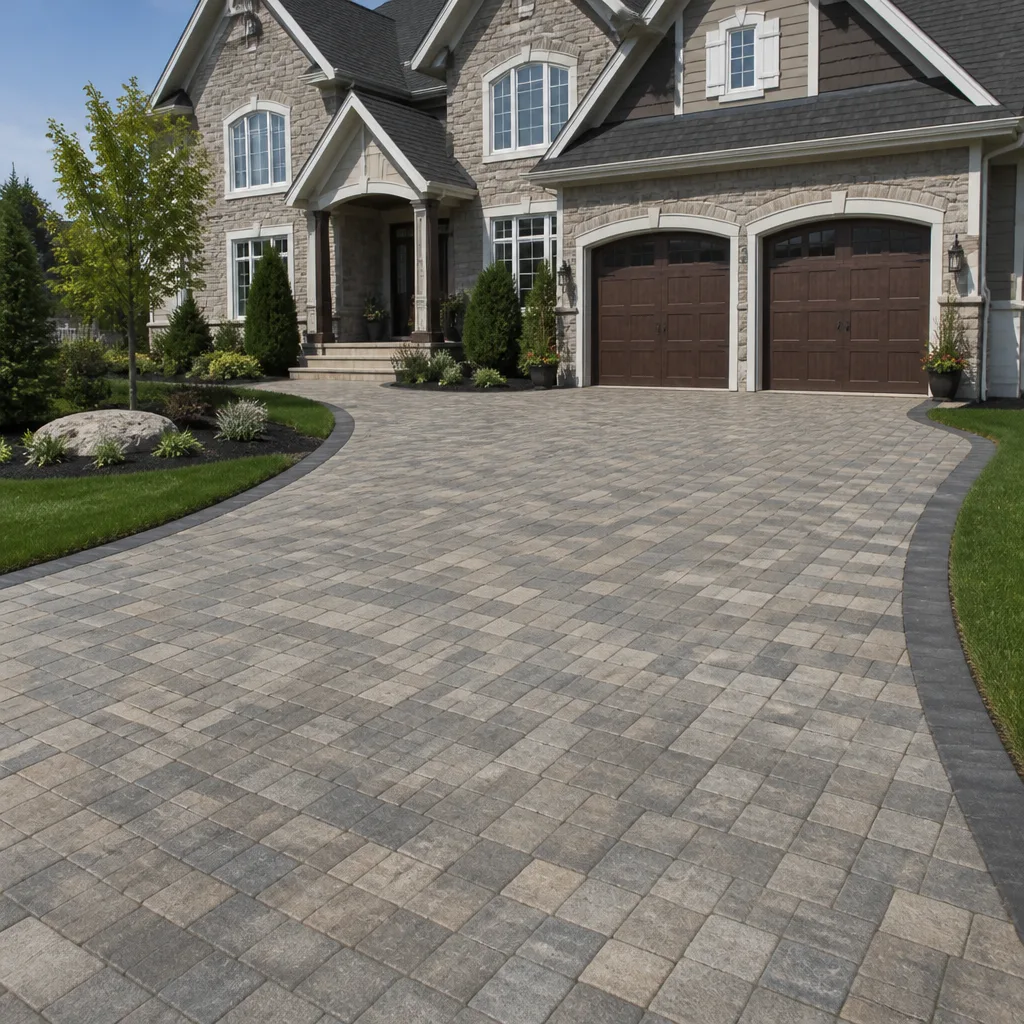
Material costs run higher in Los Angeles County than in most of the state. Delivery logistics, warehouse overhead, and demand all push material prices up. If you’re comparing a Woodland Hills bid to something a friend paid in Riverside County, the comparison fails before it starts. At Mason Remodeling Co Woodland Hills, we work with specification-grade material lines including Unilock for hardscaping and Techo-Bloc for paver projects, which gives homeowners access to professional-grade products through a single purchase path. That’s not true of every remodeler in the area, and it changes both availability and pricing.
Step 7: Get the Guarantee in Writing, With Dates
A verbal guarantee is a memory. A written guarantee is a contract. When you hire a contractor in Woodland Hills, the warranty should be in the contract, not in the sales conversation. Here’s what a real written guarantee contains:
- Coverage period stated in days from completion date. “365 days from the date of substantial completion” is enforceable. “A year or so” is not.
- What’s covered. Workmanship, materials installed by the contractor, and systems the contractor touched. The wording should be specific enough that you could point to a problem and say “this is covered because of this clause.”
- What’s excluded. Normal wear and tear, damage caused by the homeowner, and maintenance items should be listed. Exclusions are fine; they’re a sign the contractor has actually thought through the guarantee.
- How to make a claim. Who to contact, how quickly they’ll respond, and what the resolution process looks like. “Free return visit if a repair or installation fails” is useful only if the homeowner knows the failure qualifies under the written terms.
At Mason Remodeling Co Woodland Hills, every completed project comes with a written guarantee stating coverage terms, exclusions, and duration. The 365-Day Done Right Promise applies to general contracting, bathroom remodeling, and whole-home remodels. We put it in writing because that’s the only version that protects anyone. A contractor who won’t reduce their guarantee to paper isn’t offering a guarantee. They’re offering a reassurance.
Common Mistakes to Avoid
- Paying more than 10% down. California’s legal cap exists for a reason. It protects you from contractors using your down payment to fund someone else’s project. No exception has ever benefited the homeowner.
- Comparing total prices instead of line items. Bid A and Bid B can both say $52,000 and mean completely different scopes of work. Compare the buckets, not the bottom line, or you’ll buy the cheapest path to a change order.
- Skipping the CSLB license check. Ninety seconds on cslb.ca.gov can reveal a suspended license, a mismatched business name, or a lapsed workers’ comp policy. Skipping it is choosing to fly blind on the single most verifiable fact about any contractor.
- Ignoring who actually arrives on day one. You hired the owner. The crew that shows up might be entirely different people. Ask for names, photos, and screening details before anyone crosses the threshold, especially if you or family members are home alone during the workday.
- Accepting a verbal scope of work. A contract that says “remodel master bath per discussion” is a lawsuit in waiting. The scope needs specificity: what fixtures, what finishes, what dimensions, what materials.
- Paying the final installment before the walkthrough. Once the full amount clears, your leverage to get that crooked cabinet door fixed drops to approximately zero. Hold the punch list close.
- Choosing the lowest bid in an older Woodland Hills home. The 1962 ranch on a quiet street south of Ventura will almost certainly have hidden conditions the low bid didn’t price. That savings disappears the first time a wall is opened.
When to Call a Professional
Some decisions in a remodel are safely DIY. The license check, the bid comparison, the payment schedule review are all things you can do yourself with the tools above. But there comes a point where a conversation with a professional is the fastest way forward. If you’re planning a bathroom remodel or whole-home renovation in Woodland Hills and want to see a written price before committing, call a contractor who puts it in writing as standard practice. If you want to know exactly who will arrive at your door, and see their name and photo before they ring the bell, ask about the Threshold Standard. If you want a written guarantee with a start date and a duration, not a verbal “we’ll take care of you,” you’ll need a contractor who is comfortable putting terms on paper. Mason Remodeling Co Woodland Hills offers free estimates in Woodland Hills. Call (831) 290-6866 to schedule yours.
Frequently Asked Questions
Go to cslb.ca.gov and enter the contractor’s license number or business name. Confirm the status reads “active,” the classification matches your project type (a B for general building, or the relevant C-specialty for trade work), and the business name on the license matches the name on your contract. Check that the bond and workers’ compensation filings are current. This takes less than two minutes and is the single most important verification step in the hiring process. For help evaluating what you find, call (831) 290-6866 and we’ll walk through it with you.
For most residential construction projects, California law caps the down payment at 10% of the total contract price or $1,000, whichever is less. Any contractor asking for more than that is violating state law. Exceptions exist for certain custom fabrication work, but the contractor must clearly explain the legal basis. If they can’t cite the exception, don’t sign. For a written price that follows California’s payment rules on every project, call (831) 290-6866.
A mid-range bathroom remodel in Woodland Hills typically runs $35,000 to $55,000, while a kitchen remodel falls between $60,000 and $90,000 depending on layout changes and finish selections. See our Construction Cost Breakdown: The Woodland Hills Homeowner’s Reference for 2026 for detailed pricing factors. Whole-home remodels in the area often range from $150,000 to $400,000. These ranges reflect Los Angeles County material costs and the condition of the area’s aging housing stock. Exact pricing depends on the home’s age, the structural scope, and the finish level. For a written quote based on a site visit, call (831) 290-6866 to schedule a free estimate.
Subcontractors are common and legal in California, but you should know exactly who is subbing what, and verify that each sub carries their own license, workers’ compensation, and liability insurance. The contractor you hire should provide this documentation before the sub starts work. If a contractor is vague about whether the people on site are direct employees or subs, that’s a red flag. Ask for names, screening details, and photo IDs before anyone enters the home. Call (831) 290-6866 to talk through your project and the exact verification process we use.
A California residential construction contract must include the contractor’s license number, a detailed scope of work, a payment schedule with dollar amounts and progress milestones, a start and completion date, a notice of the right to cancel, and a written change order process. Missing any of those elements weakens your legal position before the job starts. A proper contract will run 10 to 20 pages, not two. If you’re reviewing a contract and want a second opinion, call (831) 290-6866 and we’ll help you understand what’s there.
Woodland Hills remodel costs reflect a mix of older housing stock, Los Angeles County permit fees, and higher material delivery costs for the west San Fernando Valley. Our Seasonal Construction Care for Woodland Hills: Year-Round Homeowner’s Guide covers how timing affects these costs. Homes built between the 1950s and 1970s frequently require unplanned upgrades to plumbing, electrical, and structural systems once walls are opened. Contractors who’ve worked in the area’s neighborhoods know to budget for these conditions. Those who haven’t will price low and change-order later. A written price protects you from that gap. For an estimate that accounts for the realities of Woodland Hills homes, call (831) 290-6866.
The Bottom Line
Hiring a construction contractor in Woodland Hills comes down to three verifications. First, the CSLB license is active, correctly classified, and matches the name on your contract. Second, the written bid uses line items you can compare across contractors, including allowances for the unknowns hiding inside an older home. Third, the payment schedule keeps your leverage intact through the punch list and the final walkthrough, with a written guarantee that states its own terms. Get those three in writing, and you’ve done more than most homeowners ever do. The rest is a conversation. Mason Remodeling Co Woodland Hills has provided general contracting, bathroom remodeling, and whole-home remodeling since 2004. A written price comes before any work starts. Call (831) 290-6866 for a free estimate, and we’ll put the number in your hands.
Written by Isaac Pruett, Owner at Mason Remodeling Co Woodland Hills, serving Woodland Hills since 2004.
See the difference
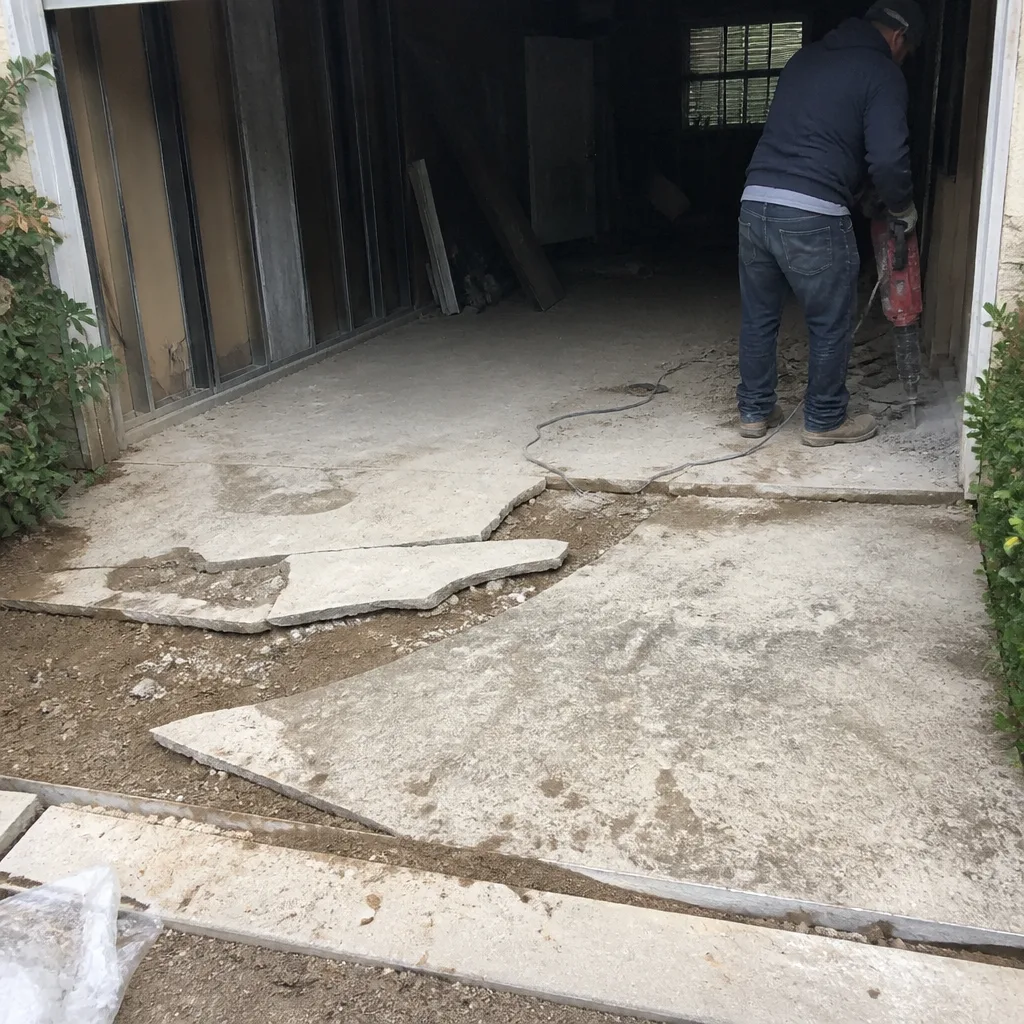 Before
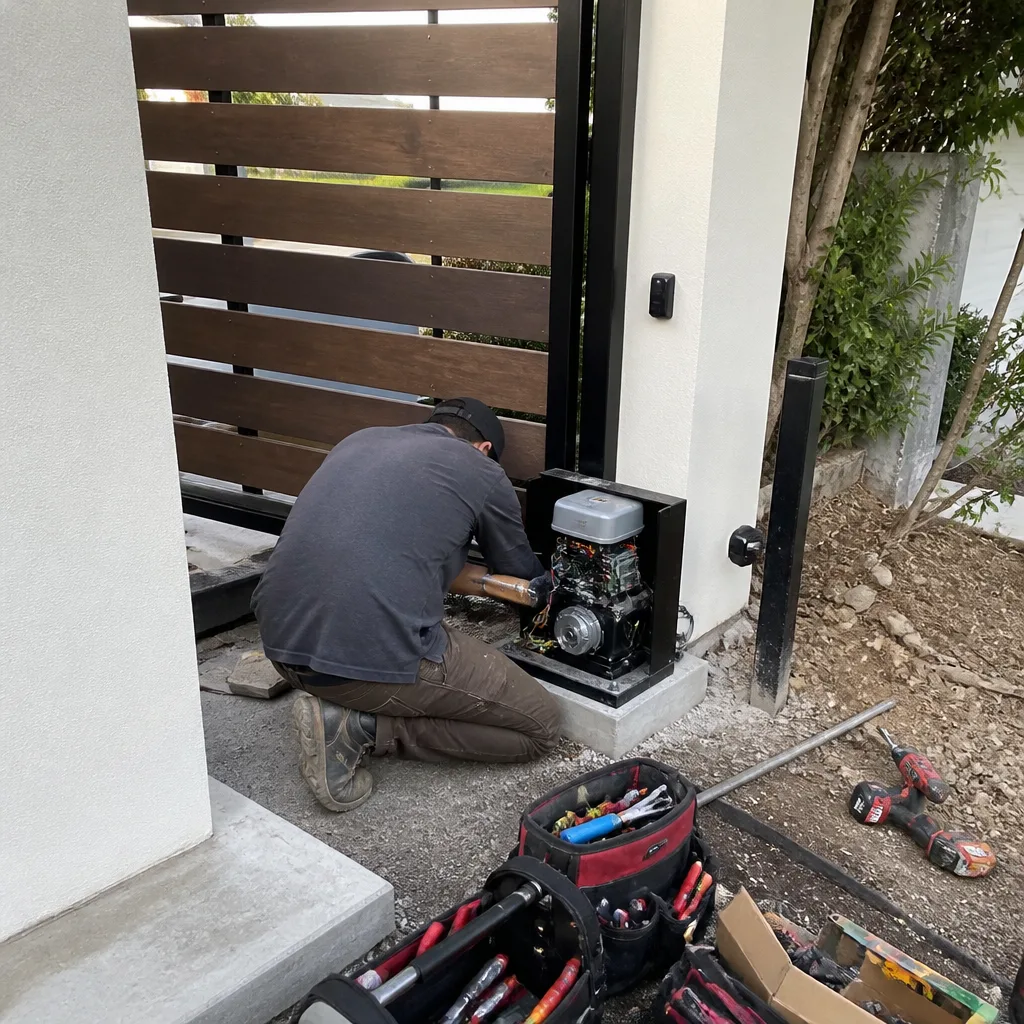 After
After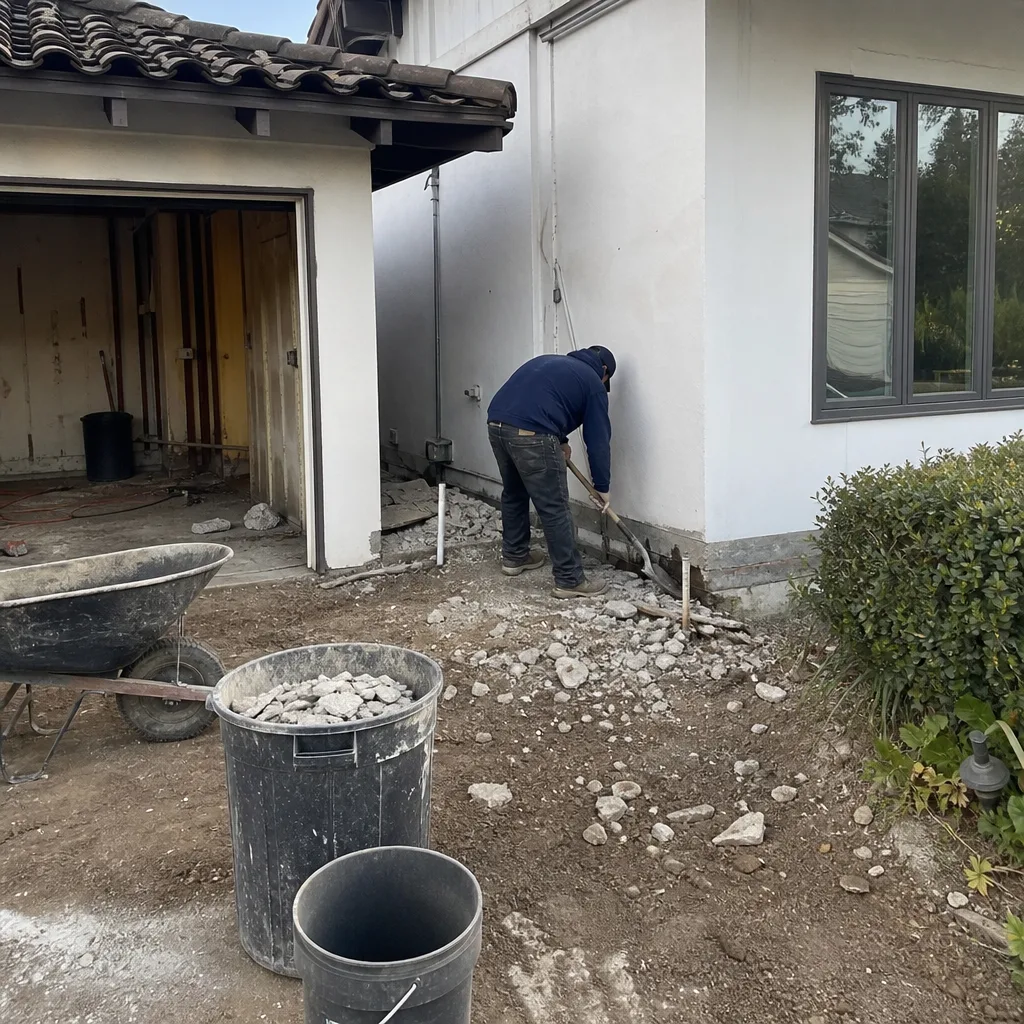 Before
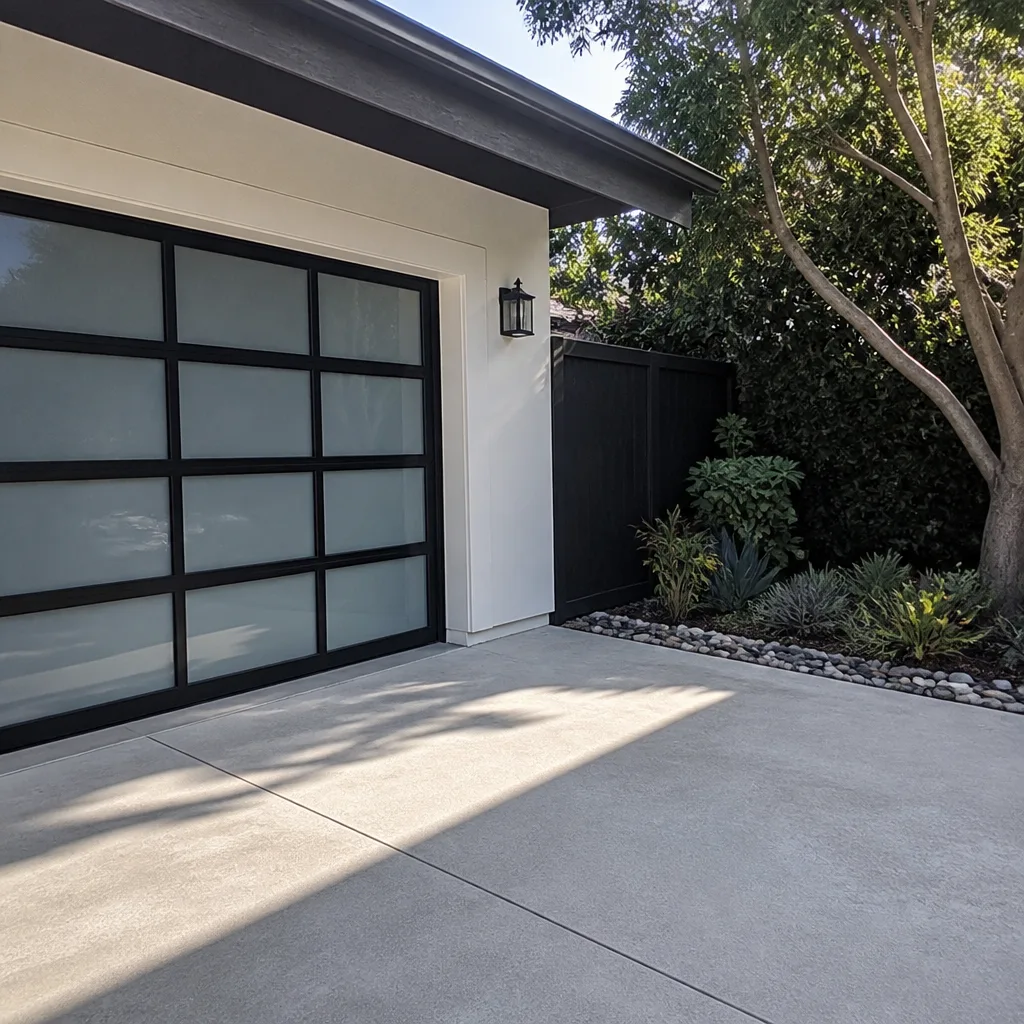 After
After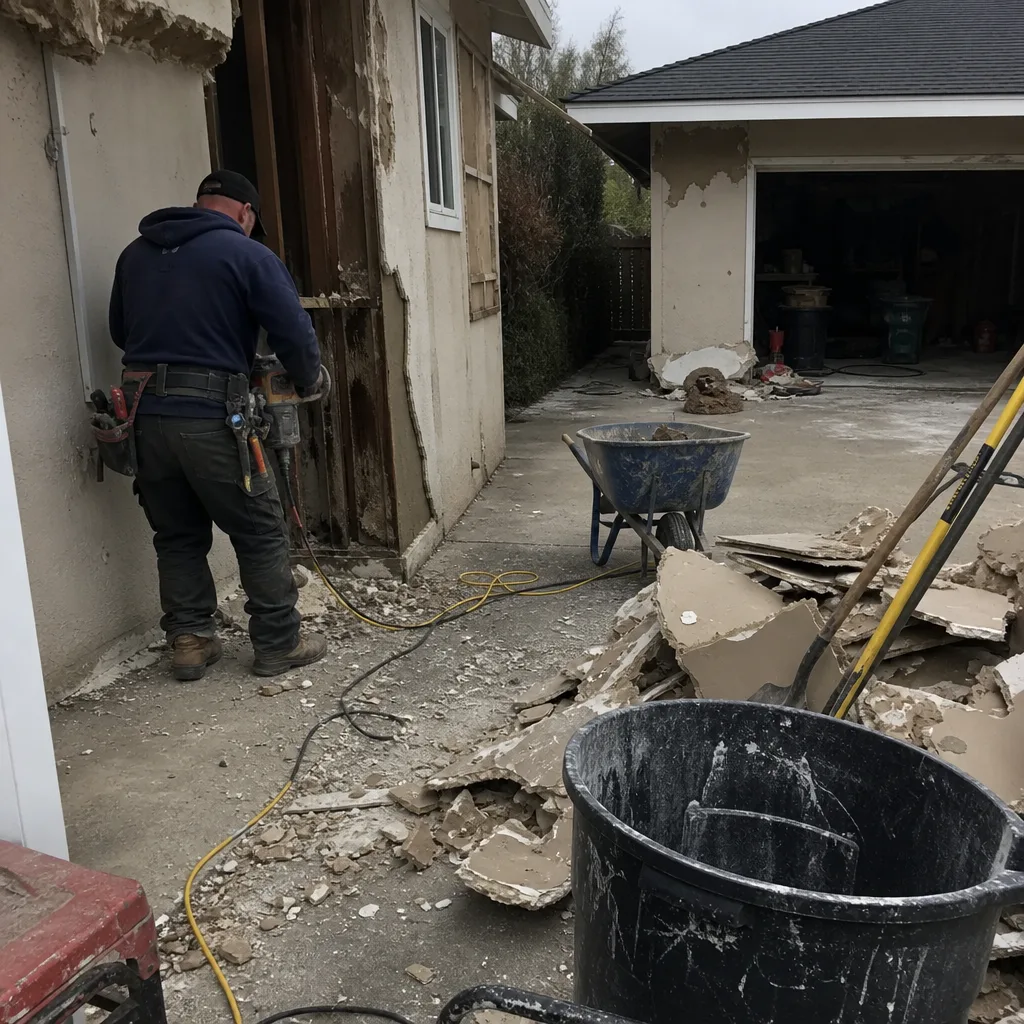 Before
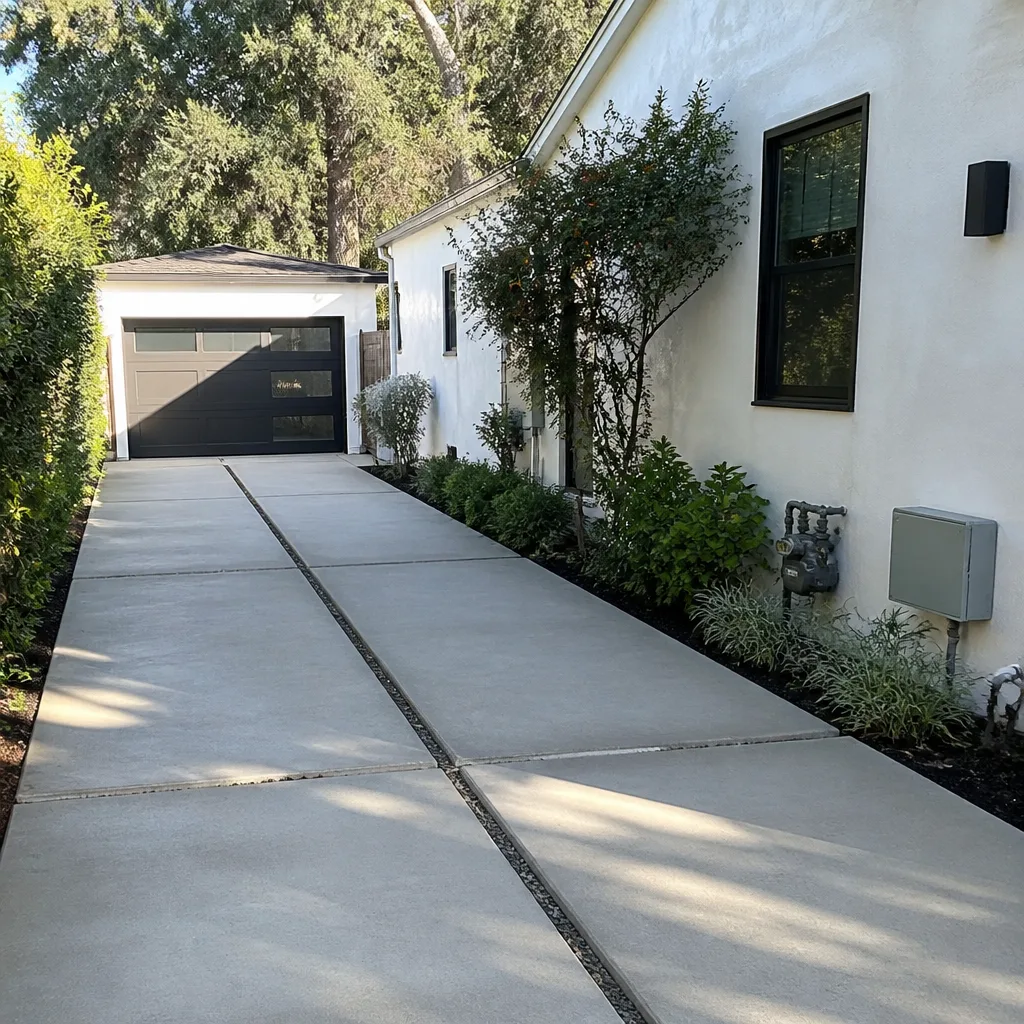 After
After