Last updated October 15, 2026




Free written scope consultation - allowances, timeline, and change-order rules on paper before a single trade is scheduled
Seasonal Construction Care for Woodland Hills: Year-Round Homeowner’s Guide
The window to waterproof, caulk, and repair stucco cracks in Woodland Hills is roughly six weeks – after the heat breaks in October and before the first significant rain in November or December. Miss it, and you’re either patching in 105-degree heat or watching water wick into your walls. This guide replaces the generic four-season maintenance calendar with a Woodland Hills-specific three-season system: fire preparation, rain damage prevention, and heat recovery. For a deeper dive into local building considerations, see The Complete Guide to Construction in Woodland Hills. You’ll learn which tasks matter in which window, what inspection evidence looks like from inside your home, and why fall bidding beats spring bidding on almost every remodeling project.
Quick Answer
Woodland Hills homeowners should organize seasonal construction care around three windows: September (defensible space and ember-resistance before October 1), October through November (envelope sealing before first rain), and March through April (heat-season surface inspection after winter moisture). Following this calendar prevents the two costliest local failure patterns: water intrusion through unsealed stucco and deferred fire-hardening that triggers insurance scrutiny.
Styles & brands we work with






Table of Contents
- The Woodland Hills Three-Season Maintenance Calendar
- September: Fire Preparation Close-Out Before October 1
- October – November: Pre-Rain Envelope Sealing
- January – February: Why Post-Rain Inspections Matter More Than Pre-Rain
- The Three Materials That Expand and Contract Differently
- How Woodland Hills’ Construction Demand Curve Affects Your Project
- Common Mistakes to Avoid
- When to Call a Professional
The Woodland Hills Three-Season Maintenance Calendar
Woodland Hills doesn’t have textbook seasons. It has a Mediterranean microclimate with hot, dry summers and cool, wet winters, which means the traditional “spring cleaning, fall prep” advice that works in the Midwest creates problems here. A homeowner who caulks windows in July is working with materials that expand and contract at their most extreme temperature range. A homeowner who waits until April to check for rain damage has already let moisture sit behind stucco for two months.
The calendar that actually matches Woodland Hills construction conditions has three active windows and one observation window:
- September (Fire Prep Close-Out): The final month to complete defensible space work, ember-resistant upgrades, and vegetation clearance before Santa Ana wind season begins. Insurance inspectors and fire authorities are most active in October.
- October – November (Rain Envelope Sealing): The six-week window after summer heat breaks and before first significant rain. This is when caulk, sealant, stucco patching, and roof work can be done properly – materials cure at the right temperature and expansion gaps are at their neutral point.
- January – February (Post-Rain Evidence Inspection): After the first heavy rains, inspect from inside the home. Water intrusion leaves evidence you can see before it reaches drywall: musty smells in specific rooms, paint bubbling, baseboard discoloration, and moisture rings around window frames.
- March – April (Heat-Season Surface Inspection): Once rain stops and temperatures rise, inspect exterior surfaces for winter damage: cracked stucco, lifted roof tiles, deteriorated caulk, and sun-baked surfaces that need attention before summer.
This calendar matters because Woodland Hills construction materials behave differently than they do in other climates. Stucco expands in heat and contracts in cold, but the rate of change here – from 40-degree winter nights to 105-degree summer days – creates micro-cracks that open and close seasonally. A crack that’s invisible in February can be a quarter-inch wide by August. Sealing those cracks in October, when the material is at its neutral midpoint, creates a bond that survives both extremes.
September: Fire Preparation Close-Out Before October 1
October 1 is the de facto deadline for fire preparation in Woodland Hills because that’s when Santa Ana wind patterns typically begin and when insurance carriers increase exterior property inspections. If you haven’t cleared your defensible space by then, you’re not just at higher fire risk – you’re at higher risk of a non-renewal notice arriving in January. Here’s the specific September checklist that matches what insurers and fire inspectors actually look for:
- Clear Zone 1 (0 – 5 feet from the house): Remove all dead vegetation, wood mulch, firewood stacks, and combustible outdoor furniture from the immediate perimeter. This is the ember-ignition zone. Embers don’t need to reach the house; they need to reach something flammable that touches the house.
- Inspect ember-resistant vents: Most Woodland Hills homes built after 2008 have 1/8-inch mesh over attic and crawl space vents. Check that mesh isn’t torn, clogged, or pulled away from the frame. A single missing vent screen is an entry point for embers the size of your thumbnail.
- Clean gutters completely: Not just leaves – in Woodland Hills, the bigger risk is accumulated pine needles and dried eucalyptus debris, both of which ignite almost instantly from an ember. One burning pine needle in a gutter can spread to roof sheathing within minutes.
- Trim tree branches to 10 feet from the roofline: This is the vertical separation required by CAL FIRE guidelines, and it’s also the single most common citation Woodland Hills homeowners receive from insurance inspectors.
- Check roof tile condition: Clay tile roofs common in Woodland Hills can crack from heat stress. A cracked tile exposes the underlayment, which is not fire-rated to the same standard. Missing or broken tiles need replacement before wind season because embers collect in those gaps.
One thing we’ve noticed in Woodland Hills over the years: homeowners often focus on the big-ticket item (installing dual-pane windows or replacing a roof) while missing the small stuff that actually causes ignitions. A $40 vent screen replacement matters more for ember resistance than a $4,000 window upgrade. Insurance underwriters look at both, but the vent screen is the one that gets cited in non-renewal letters.
October – November: Pre-Rain Envelope Sealing
This is the highest-value six weeks on the Woodland Hills maintenance calendar. The window opens when daytime highs drop below 85 degrees – typically mid-October – and closes when the first significant rain arrives, usually mid-November to early December. Here’s what to do in that window, in order of priority:
- Inspect and repair all exterior caulk joints: Walk the perimeter of the home and check every joint where stucco meets window frames, door frames, rooflines, and utility penetrations. Stucco is not waterproof – it’s water-resistant. The actual water barrier is the caulk and sealant system. If caulk is cracked, shrinking, or pulling away at any joint, scrape it and reapply a paintable exterior sealant rated for stucco.
- Patch stucco cracks larger than 1/16 inch: Hairline cracks (smaller than 1/16 inch) are cosmetic and normal. Cracks larger than that are water entry points. Use an elastomeric patching compound – it moves with the stucco instead of cracking again in the first heat wave.
- Check roof-to-wall flashing: Where the roof meets stucco walls, inspect the metal flashing for gaps, rust, or lifted edges. This junction is responsible for more water intrusion in Woodland Hills than any other single point, because wind-driven rain hits it directly.
- Clean and test all drainage paths: Gutters, downspouts, French drains, and surface grading. Downspouts should discharge at least 5 feet from the foundation. In Woodland Hills hillside neighborhoods, a clogged downspout on the uphill side of a house channels water directly against the foundation wall.
- Inspect and seal window frames: Aluminum window frames are common in Woodland Hills homes built between 1960 and 1990, and they develop condensation and seal failures over time. Check the weep holes at the bottom of each frame – they’re small drainage channels that let water escape. If they’re painted over or clogged, water pools inside the track and wicks into the wall cavity.
The reason this window matters so much is that sealant and caulk have specific curing temperature requirements. Silicone and polyurethane sealants applied above 90 degrees can cure too fast and fail to bond properly. Applied below 50 degrees, they can remain tacky and never fully cure. The October – November window in Woodland Hills sits right in that 60-85 degree sweet spot where professional-grade sealants perform as designed.
January – February: Why Post-Rain Inspections Matter More Than Pre-Rain
Most maintenance advice tells you to inspect before rain. That’s important, but the higher-value inspection happens after the first heavy rainfall, and here’s why: pre-rain inspection shows you where water might enter. Post-rain inspection shows you where water actually entered. The evidence is specific and visible from inside the home if you know what you’re looking for:
- Musty or earthy smells in specific rooms: This is the earliest warning sign of water intrusion. Before you see any visual evidence, moisture trapped behind stucco or inside wall cavities begins to support mold and mildew growth, which produces that characteristic smell. If one room smells different after rain, water is getting in somewhere near that room.
- Paint bubbling or blistering on interior walls: When water penetrates the exterior envelope and reaches the back side of drywall, the first visible sign is usually paint that bubbles, blisters, or peels in a localized area. This is different from general paint aging – it appears suddenly after a rain event and concentrates near exterior walls.
- Baseboard discoloration or warping: Water that runs down the inside of a wall cavity accumulates at the bottom plate, where the wall framing meets the floor. Baseboards absorb that moisture first, showing darkening, swelling, or separation from the wall.
- Moisture rings or water stains around window frames: This indicates water is entering through failed caulk, damaged flashing, or a compromised window frame seal. The ring itself may dry out and fade between rains, but the underlying leak persists.
- Crumbling or soft drywall near the floor: By the time drywall softens, water has been sitting in the wall cavity for weeks. This is a repair situation, not a maintenance situation, but catching it early limits the damage to a small section rather than a full wall rebuild.
If any of these signs appear after rain, document them with photos and note which room and which wall. Then contact a contractor for an assessment. A General Contractor in Woodland Hills can trace the water entry point – which is often nowhere near where the interior evidence appears – and repair both the source and the damage. Fixing the visible drywall without fixing the exterior entry point means you’ll repeat the repair after every heavy rain.
The Three Materials That Expand and Contract Differently
Most Woodland Hills homes share three construction materials that behave very differently as temperatures swing: stucco, clay tile, and aluminum window frames. Each has its own failure pattern, its own inspection logic, and its own maintenance timing. Treating them as one category (“exterior stuff”) misses the specific problems each one develops in this climate.
Stucco: Stucco is a cement-based material that expands when hot and contracts when cold. Over decades of Woodland Hills temperature swings – from 40-degree winter nights to 105-degree summer days – stucco develops a network of micro-cracks. Most of these are cosmetic. But cracks that run diagonally from window corners or door frames, cracks wider than 1/16 inch, or cracks that align with stucco seams are structural signals that water is finding a way in. Stucco inspection happens best in the spring, after the rain season has washed dirt out of the cracks and made them more visible, while the material is still contracted from winter cold.
Clay tile: Clay roof tiles are extremely durable against sun and rain, but they’re brittle. The same temperature swings that flex stucco cause clay tiles to micro-fracture along their curves. Once a tile cracks, the underlayment beneath is exposed to UV radiation, which degrades it far faster than rain does. Broken tiles also create openings where wind-driven embers can lodge during fire season. Tile inspection happens best in fall, before rain season, when you can see cracks clearly and replace tiles before water tests the underlayment. Walking on a clay tile roof to inspect it without the proper technique will break more tiles than it saves – this is one task that justifies a professional look.
Aluminum window frames: Aluminum expands and contracts at roughly twice the rate of the stucco and wood framing around it. That differential movement breaks the caulk bond around window frames within a few years of application, even with quality sealant. The telltale sign is a visible gap between the frame and the stucco, often with cracked or peeling caulk. Aluminum frames also conduct heat, which means interior condensation during cold winter nights – that moisture runs down the glass and collects in the bottom track, where it can wick into the wall if the weep holes are clogged. Window frame seal inspection belongs on the October checklist, every year, without exception.
How Woodland Hills’ Construction Demand Curve Affects Your Project
If you’re planning a Home Remodeling in Woodland Hills project – a kitchen, a bathroom, or anything that requires permits and multiple trades – the season you start the conversation determines your price, your timeline, and your contractor options. This is specific to Woodland Hills because the local construction market follows the same three-season logic as the maintenance calendar.
Spring is the worst time to start a project. Every homeowner in Woodland Hills emerges from winter with the same list: fix the leak, update the kitchen, refresh the bathroom. Contractors get flooded with calls in March and April, and prices reflect that demand. A bathroom remodel quoted in April might come in 10 to 20 percent higher than the same project quoted in September, simply because the contractor’s calendar is filling fast and they can be selective.
Fall bidding produces better prices and faster start dates. From September through November, Woodland Hills contractors have completed their summer commitments and are actively booking the upcoming year. The same project quoted in October typically comes in lower, and the start date is often 4 to 8 weeks out rather than 12 to 16 weeks. For detailed cost expectations, check our Construction Cost Breakdown: The Woodland Hills Homeowner’s Reference for 2026. If you’re flexible on timing, asking for a fall quote and a January or February start date gets you the best of both: the lower fall price and the faster winter schedule.
Winter is the hidden construction season. Woodland Hills winters are mild enough for most interior work to proceed without weather delays. Demolition, plumbing, electrical, drywall, and tile work all happen inside conditioned spaces. Roofing and exterior stucco work are the only trades that truly need dry weather, and those can be sequenced early in a winter project. If your remodel includes exterior work, plan for it to happen in the dry weeks between December rains rather than trying to stretch it across the entire winter.
One more scheduling factor specific to this market: the Threshold Group companies that serve Woodland Hills – including us at Mason Remodeling Co Woodland Hills – operate year-round, so the seasonal pricing swing is less dramatic than with a solo contractor who shuts down for parts of winter. You’ll still find the best leverage in fall, but a February conversation will be smoother than a March one. When you’re ready to talk numbers, the best move is to call us directly. A live person answers – no phone tree, no voicemail loop, no waiting until Monday.
Common Mistakes to Avoid
- Caulking in summer heat: Applying sealant when temperatures exceed 90 degrees causes it to cure too fast, leaving micro-voids that fail within months. October and November are your caulking months in Woodland Hills. If a contractor shows up to caulk your exterior in August, ask them to come back in the fall.
- Ignoring hairline stucco cracks until they widen: A 1/32-inch crack is a warning. A 1/8-inch crack is a water entry point. The cost to patch a hairline crack is measured in minutes and dollars. Waiting until the crack widens means repairing interior drywall too.
- Painting over weep holes in window frames: If you paint your window frames and the painter covers the small drainage holes at the bottom, you’ve just created a water dam inside every window track on that side of the house. Check them after any paint job and clear them immediately.
- Treating defensible space as a one-time project: Vegetation grows back. Pine needles and eucalyptus debris accumulate year-round. Defensible space is a recurring maintenance commitment, not a check-the-box project. September is the month to reset it before fire season scrutiny begins.
- Waiting for visible interior damage before investigating water intrusion: By the time you see a water stain on drywall, the moisture has been inside the wall for weeks. Musty smells, especially after rain, are your earliest warning sign. Act on smells, not just stains.
- Skipping post-rain inspection because the pre-rain checklist was done: Sealing the envelope in October doesn’t guarantee nothing gets through. Wind-driven rain finds paths that normal rain doesn’t. The January inspection is your verification step – it’s not optional.
- Starting a remodel conversation in March and expecting fall pricing: The difference between an April quote and an October quote for the same Woodland Hills project can be significant. If you’re planning a project for next year, start the conversation in September of this year.
When to Call a Professional
Some maintenance tasks are DIY-appropriate. Others require a trained eye and come with real risk when approached casually. Call a professional when you see: stucco cracks wider than 1/8 inch that run diagonally from window corners; interior musty smells that persist after rain; roof tiles that are cracked, shifted, or missing; water stains on ceilings below rooflines; or any exterior wall that feels damp to the touch from inside. Roof inspections on tile roofs are especially hazardous for untrained homeowners – walking on clay tile without proper technique breaks more tiles, and a fall from a second-story Woodland Hills roofline is a life-altering event. Mason Remodeling Co Woodland Hills offers free estimates in Woodland Hills – call (831) 290-6866 to schedule a walkthrough. A written price is delivered before any work starts, on every project, every time.
See the difference
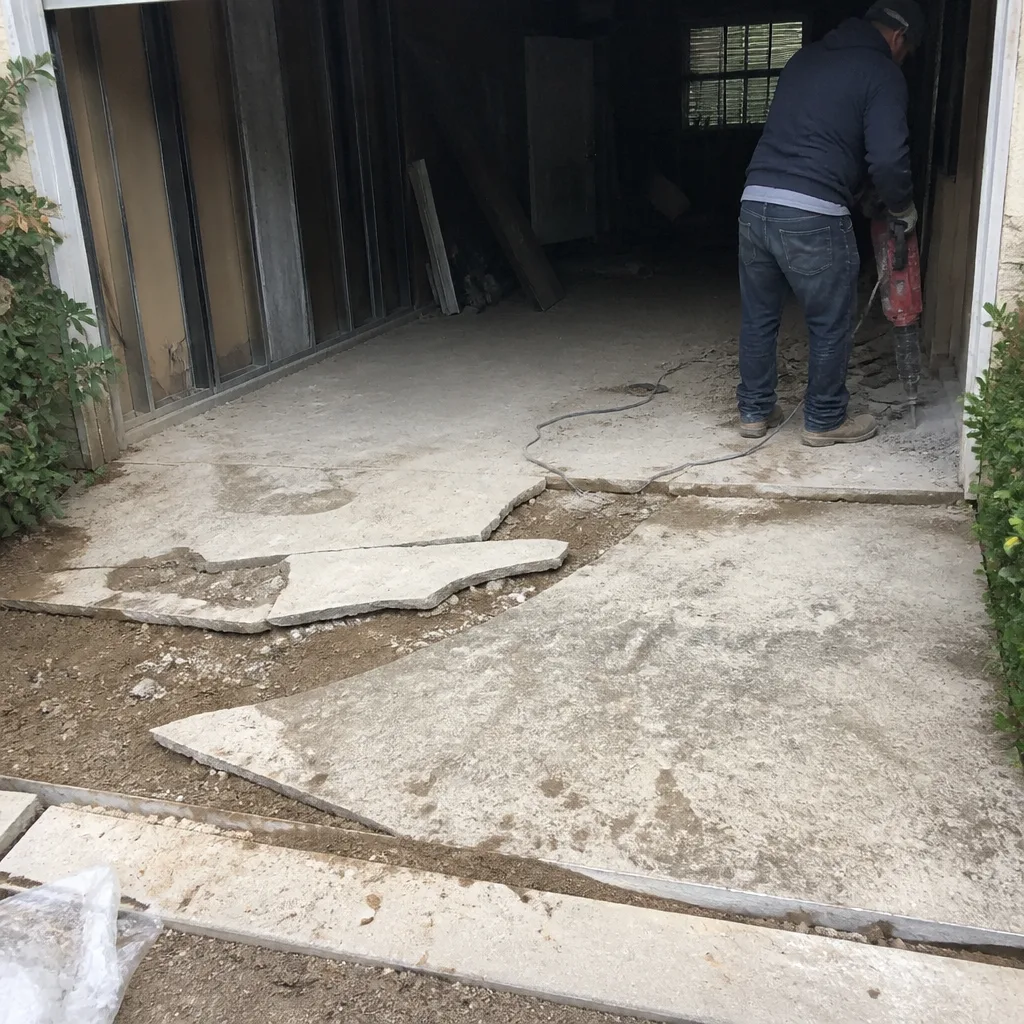 Before
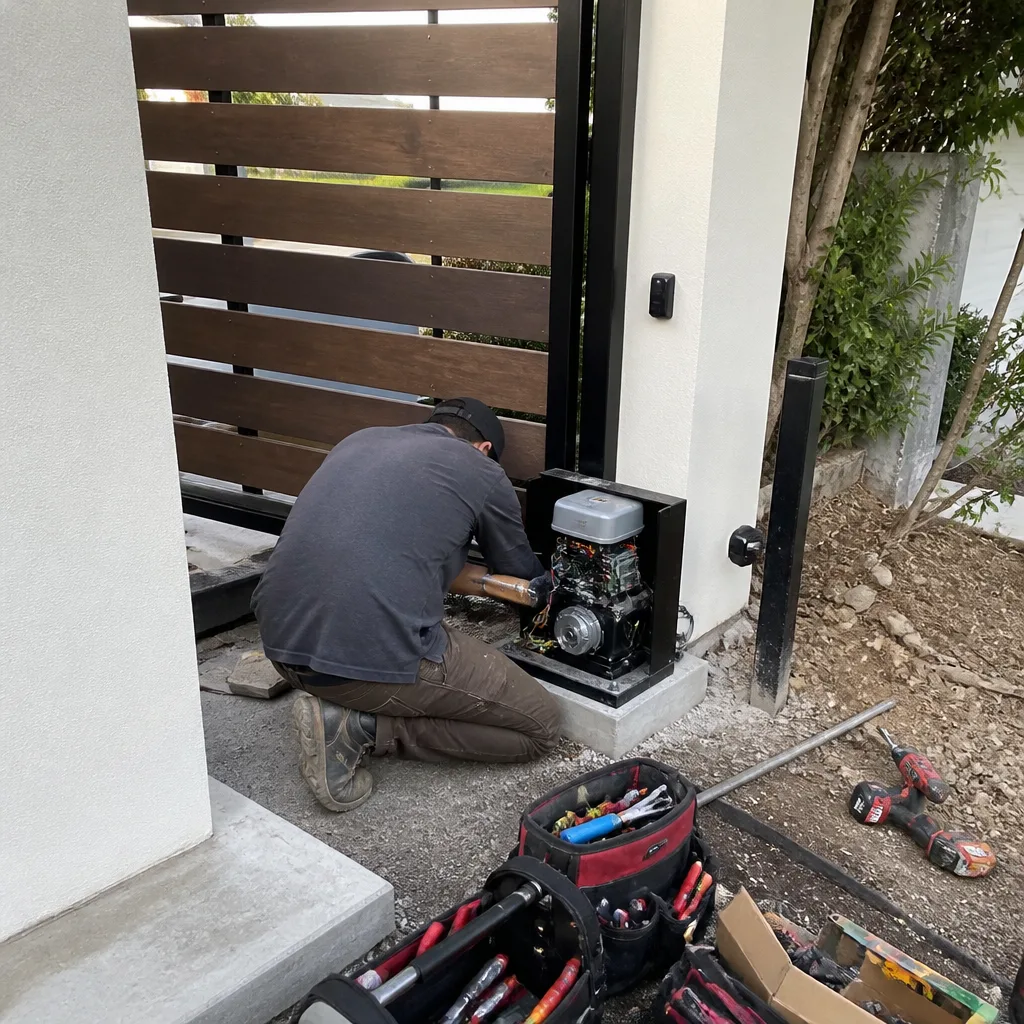 After
After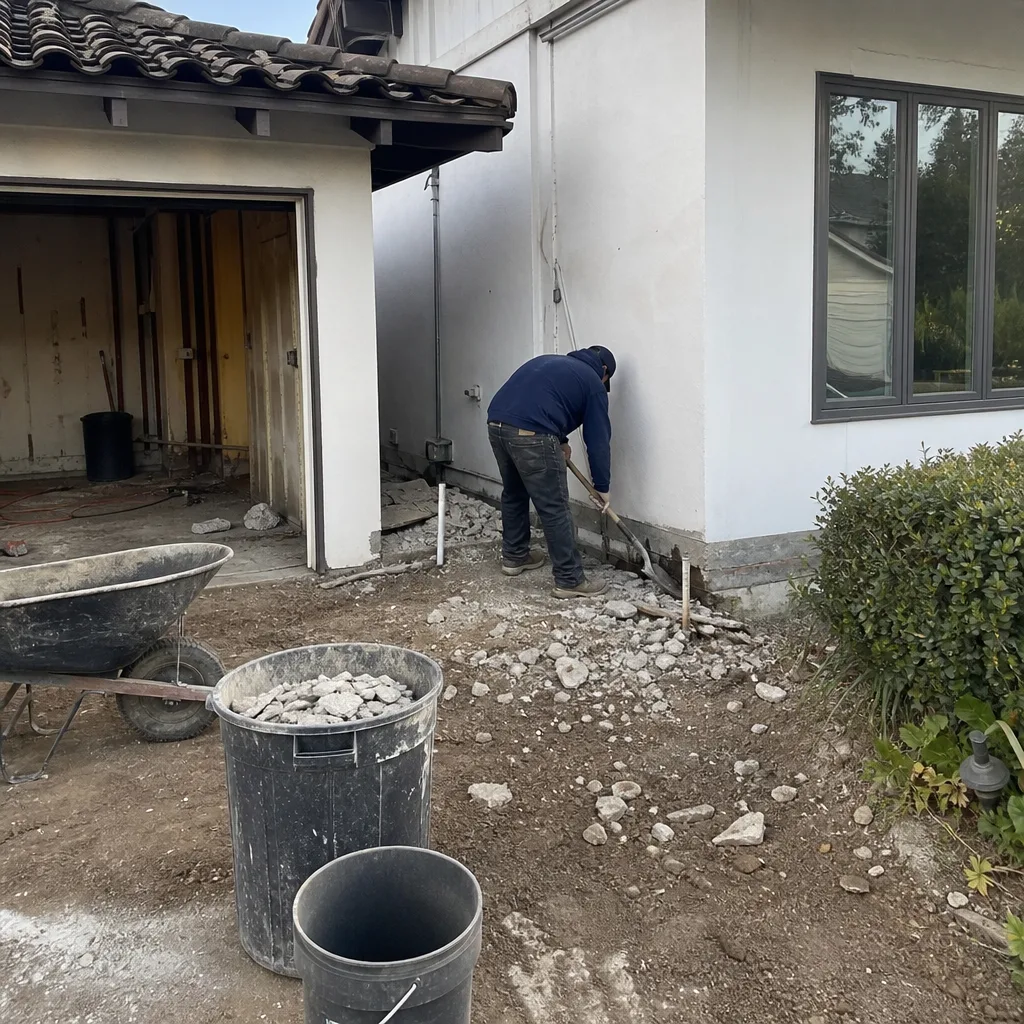 Before
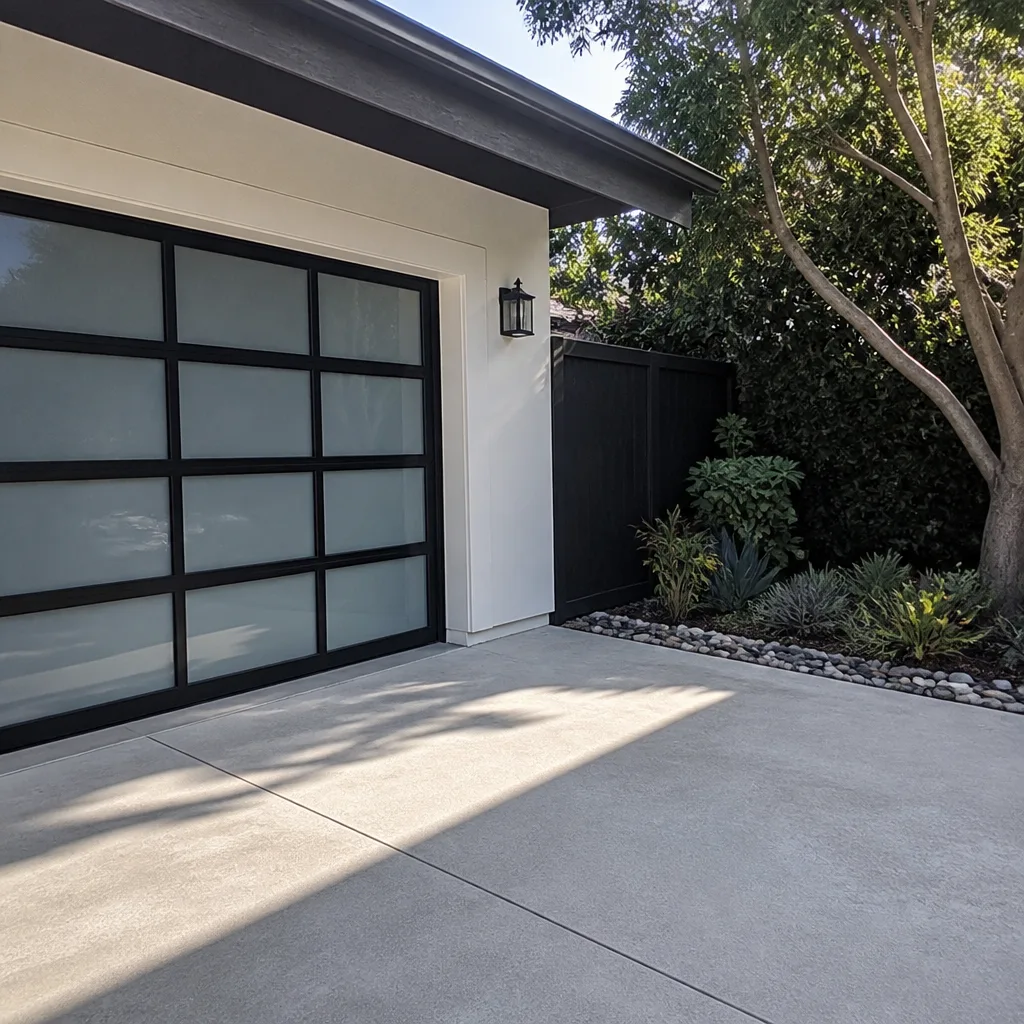 After
After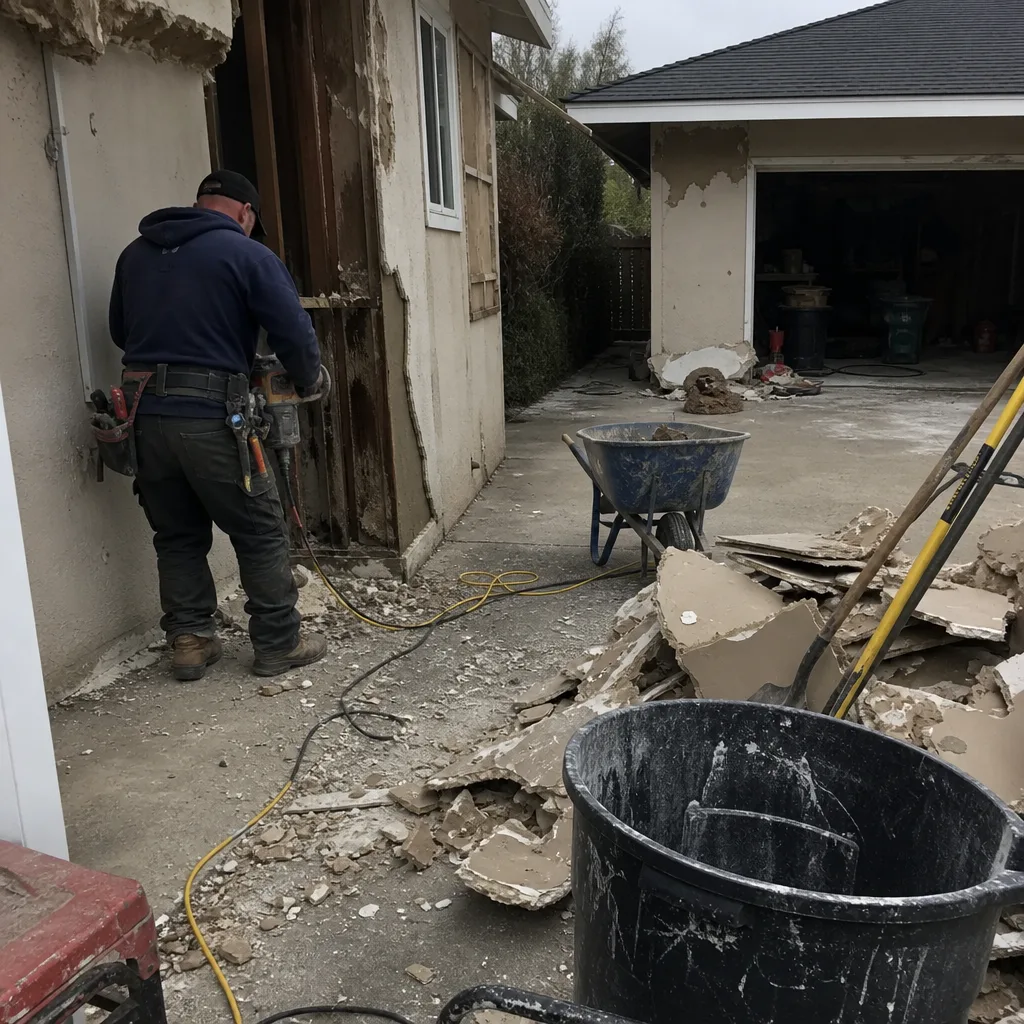 Before
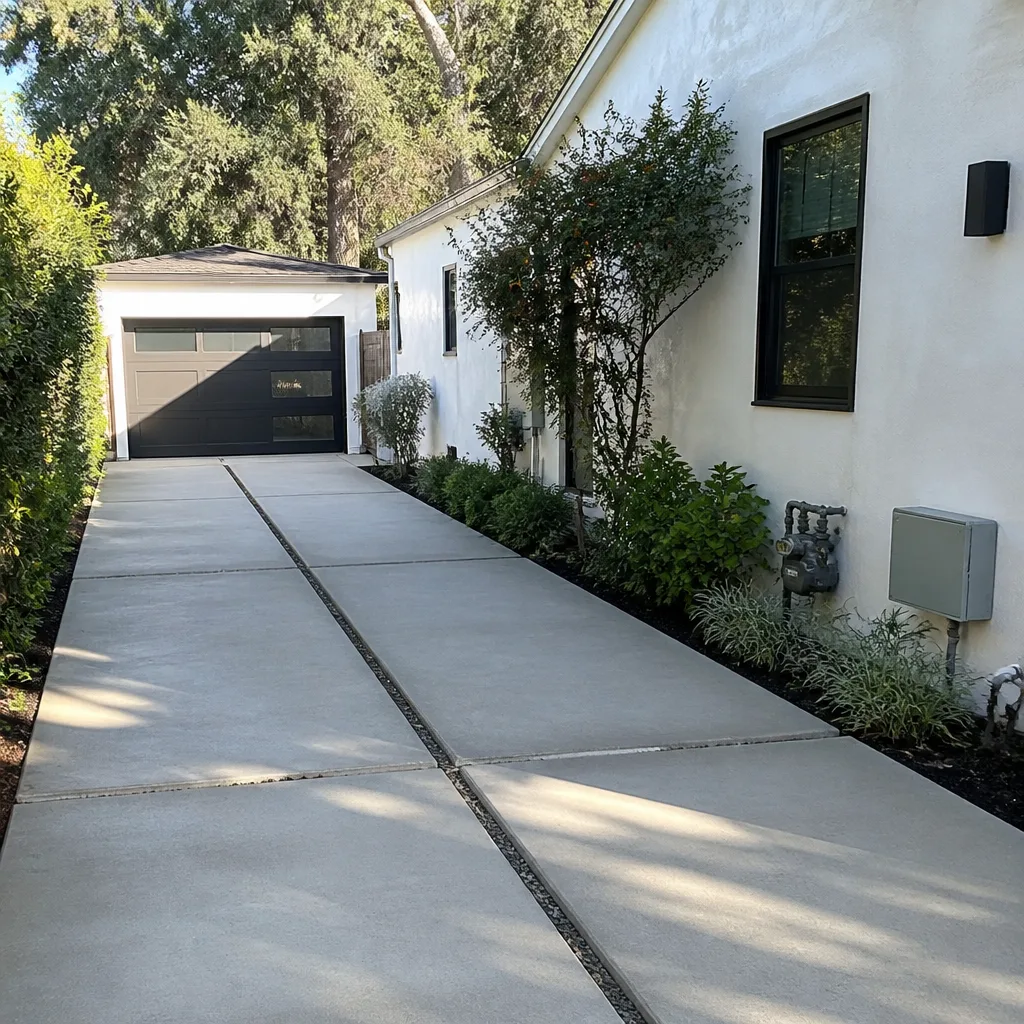 After
AfterFrequently Asked Questions

September is the start of the three-season Woodland Hills maintenance cycle: fire preparation in September, envelope sealing in October and November, and post-rain inspection in January and February. If you only commit to one month, make it October – the caulk and sealant work done in that window protects your home through both rain season and the next heat season. Call (831) 290-6866 if you want a professional assessment of where your home stands this season.
Budget ranges depend on what’s needed. A full caulking and sealant refresh on a typical 1,800-square-foot Woodland Hills home runs $800 to $1,500. Stucco crack patching adds $300 to $800 depending on the number and size of cracks. Gutter cleaning runs $150 to $300. Roof tile replacement runs $15 to $30 per tile installed, which sounds minor until you replace 50 tiles. Defensible space clearing is $500 to $1,200 if you hire it out. Call (831) 290-6866 for an exact written price on your specific home.
Defensible space is the cleared and maintained zone around your home that reduces fire risk by denying flames and embers a continuous fuel path to your structure. In Woodland Hills, where insurance carriers have tightened underwriting following recent wildfire seasons, a home with overgrown Zone 1 (the 0 to 5-foot perimeter) is at real risk of non-renewal. Insurers and fire inspectors both look for clearance, ember-resistant vent screens, and roofing condition before October 1 each year.
Stucco cracks in Woodland Hills because our temperature swings are wide and frequent. The material expands when hot and contracts when cold, and over years of 40-degree winter nights followed by 105-degree summer days, that movement creates stress fractures. The cracks themselves are normal. What matters is whether they become water entry points, which is why cracks wider than 1/16 inch should be sealed during the October – November neutral-temperature window.
You can inspect your roof from the ground with binoculars, looking for obvious signs like cracked tiles, lifted flashing, and accumulated debris. Walking on a clay tile roof without professional technique breaks tiles and risks serious falls. For a proper roof inspection that includes underlayment checks and flashing verification, hire a professional. The cost of a roof inspection is a fraction of the cost of repairing water damage that a missed flashing gap causes.
The cheapest time to book a remodeling project in Woodland Hills is fall, specifically September through November. Contractor demand drops after summer, calendars clear, and the same project quoted in October typically comes in 10 to 20 percent below its April price. Start dates also land sooner – often 4 to 8 weeks out instead of 12 to 16. For Bathroom Remodeling in Woodland Hills, getting your estimate in September with a January start date is the optimal combination of price and timeline. Call (831) 290-6866 to discuss your project timing.
The Bottom Line
Woodland Hills homeowners who follow a three-season maintenance calendar – fire prep in September, envelope sealing in October and November, and post-rain evidence inspection in January and February – spend dramatically less on emergency repairs than those following a generic spring-and-fall plan. The key is working with the climate’s actual rhythms: seal when materials are at their neutral temperature, inspect after rain has revealed the leaks, and clear defensible space before the October 1 scrutiny window. For projects beyond maintenance – kitchen remodels, bathroom renovations, whole-home updates – start the conversation in fall, when pricing is best and start dates are fastest. Browse our more guides & resources for additional homeowner tips. Mason Remodeling Co Woodland Hills is here to help with a written price before any work begins, every time. Call (831) 290-6866 for a free estimate.
Written by Isaac Pruett, Owner at Mason Remodeling Co Woodland Hills, serving Woodland Hills since 2004.