Last updated October 15, 2026







Free written scope consultation - allowances, timeline, and change-order rules on paper before a single trade is scheduled
General Contractor Maintenance Checklist for Woodland Hills Homeowners
Woodland Hills regularly hits 110°F in summer and then drops 40 degrees overnight in winter. That thermal swing expands and contracts caulk joints, stucco, and roof flashing faster than almost any other residential zone in California, and most homeowners don’t see the damage until water is already inside. This guide is built from what we see on repair calls around Woodland Hills: the specific failure points after a heat wave, after a Santa Ana event, and after the first heavy winter rain. You’ll learn what to check, what early failure actually looks like, what you can handle yourself, and what state law says requires a licensed contractor. For more guides & resources, explore our blog.
Quick Answer
A Woodland Hills home maintenance checklist should be organized around three seasonal stressors: the July – September heat peak, the September – November Santa Ana wind season, and the December – February rain window. Check stucco, caulk joints, roof flashing, window seals, and drainage at each transition. Most maintenance tasks are DIY-appropriate, but any repair involving structural framing, roof covering over 100 square feet, or water-damage mitigation requires a California licensed contractor offering General Contractor services.
Styles & brands we work with







Table of Contents
- Santa Ana Season Prep: The Fall Checklist (September – November)
- Heat Peak Inspections: What July – September Does to a Woodland Hills Home
- The Brief Winter Rain Window: What to Check Before and After
- Five Exterior Spots That Fail First After a Heat Wave
- Flat and Low-Slope Roofs: What a Contractor Checks After Santa Ana Winds
- How to Document Maintenance for Warranty Claims and Resale Disclosure
- Licensed Contractor vs. DIY: What California Law Actually Says
- Common Mistakes to Avoid
- When to Call a Professional
- Frequently Asked Questions
Santa Ana Season Prep: The Fall Checklist (September – November)
Santa Ana winds in Woodland Hills aren’t just a nuisance. They’re a maintenance multiplier. Winds routinely reach 40 – 60 mph in the canyons, and gusts have been recorded above 80 mph in some fall seasons. Those winds do three things to a house: they lift and curl roof edges, they drive dust and debris into every gap, and they dry out sealants that were already stressed from summer heat. Here’s the sequence we recommend, in order of importance:
- Walk the roof edge before the first Santa Ana forecast. Look for lifted or curled shingles at the eave line, especially on the north and east faces where wind hits hardest. A lifted shingle edge that catches wind will tear back in minutes, not hours.
- Check all vent caps and pipe collars. The rubber boot around plumbing vents cracks in as little as eight years of Woodland Hills sun. Santa Ana winds find those cracks and force dust, embers, and later rain into the attic.
- Test every gate latch, fence board, and exterior door stop. A slamming gate or door is how wind damage starts. One gust catches an unlatched gate, and the hinges bend, the post splits, or the gate tears free and hits the house or a car.
- Inspect the stucco at your home’s corners. Wind-driven dust acts like sandpaper on the outside corners. If you see exposed foam or paper backing behind stucco, water will follow the same path once rain arrives.
- Clear the area around your foundation vents. Leaves and debris pile up against the foundation during fall. That traps moisture and invites rodents, and both problems grow silently through winter.
We’ve worked on homes in the neighborhoods south of Ventura Boulevard where Santa Ana damage was visible only from the roof, not the ground. If you’re not comfortable on a ladder, a free visual inspection from the ground catches about 60% of what we’d find up close. The other 40% lives on the roof deck and at the roofline, which is where a contractor’s inspection pays for itself.
Heat Peak Inspections: What July – September Does to a Woodland Hills Home
Woodland Hills sits in one of the hottest microclimates in Los Angeles County. July and August commonly bring 15 – 20 days at or above 100°F. That sustained heat does two things to building materials: it accelerates polymer breakdown in sealants and caulks, and it creates differential expansion between unlike materials, like stucco against window frames or roof flashing against shingles. The failure is rarely dramatic. It’s a hairline crack that opens and closes with every temperature cycle until it’s wide enough to hold water.
At summer’s end, walk these areas in this order:
- Window perimeters. The caulk between stucco and window frames pulls away from one side or the other. Press lightly with a fingertip. If the caulk is hard, crumbly, or has separated from either surface, it needs replacement before rain arrives.
- Expansion joints on patios and walkways. Concrete expands measurably in triple-digit heat. Joints that were filled in spring can be compressed and cracked by August. A failed expansion joint lets water under the slab during winter, which is how you get heaving and cracking in March.
- Roof flashing at wall intersections. Metal flashing expands and contracts at a different rate than the stucco or siding around it. The sealant at the top edge of flashing is a classic Woodland Hills failure point, and it’s one homeowners almost never check because it requires a roof walk.
- Exterior paint on south-facing walls. The sun’s UV load on the south and west sides of your home is severe. Paint that is chalky, blistered, or fading unevenly has lost its protective film and is exposing the substrate below.
- Any exposed foam or trim at roof overhangs. Some homes in the Woodland Hills area have foam accents or decorative trim under the eave. After a long heat stretch, these can delaminate or pull loose. Walk the perimeter and look up.
One specific thing we see on homes built in the 1960s and 1970s across Woodland Hills is stucco cracking at window corners that follows the diagonal of the frame. Homeowners mistake it for settling. Most of the time it’s thermal movement combined with older stucco that’s lost its flexibility. It’s repairable, but only if it’s caught before rain carries water into the wall cavity.
The Brief Winter Rain Window: What to Check Before and After
Woodland Hills gets most of its annual rainfall in a handful of storm events between December and February. The problem isn’t the total rainfall, which is modest by national standards. The problem is intensity. A single atmospheric river can drop two to three inches in a day, and the soil around your foundation goes from dry to saturated in hours. That’s when pre-existing small failures, the hairline stucco crack, the separated caulk joint, the loose roof flashing, become leaks.
Before the first significant rain forecast, check these five things:
- Clean gutters and downspouts. When gutters clog, water spills over the edge and saturates the soil at the foundation line. In Woodland Hills, where lots are often graded toward the house, that’s a fast track to water intrusion in a crawlspace.
- Confirm downspout extensions are in place and directing water away. A downspout that dumps water next to the foundation is doing almost nothing. Extensions should carry water at least four feet from the foundation edge.
- Inspect roof valleys for debris. Valleys concentrate water flow. A plugged valley sends water sideways under shingles, which shingle manufacturers don’t cover under warranty when it causes a leak.
- Test the sump pump, if you have one. Some lower-lying homes in Woodland Hills have sump pumps in the crawlspace. Pour a bucket of water into the pit and confirm the pump kicks on and discharges properly.
- Look for soil settling at the foundation. Drought followed by heavy rain causes soil to swell and shift. Walk the perimeter after the first storm and look for new gaps between soil and foundation, or soil pulling away from stem walls.
After the rain, do a simple interior check. Look at the ceiling corners in every room, wipe your hand along window sills, and check the walls around any sliding glass doors. Water that found its way in during a storm usually shows itself within 48 hours as a shadow, bubble, or soft spot.
Five Exterior Spots That Fail First After a Heat Wave
Every home has weak points, but five locations on a Woodland Hills home show stress before anything else. We see these on repair visits throughout the area, from the hillside homes south of the boulevard to the flatter lots north of it. Here’s what early failure looks like, described the way we’d point it out standing next to you:
- The stucco corner at a window’s top left or top right. You’ll see a fine crack running diagonally from the corner of the window opening toward the roof line. Early failure looks like a hairline. You can barely catch a fingernail in it. That’s the time to seal it. Once the crack opens enough to catch a pencil tip, water is getting through the stucco’s waterproof layer.
- The caulk line where stucco meets a wood or vinyl window frame. Look for caulk that has pulled away from one side, forming a dark seam. If you press the window frame and see the caulk move separately from the stucco, the seal has failed. This is the single most common leak point we see on homes in Woodland Hills after a heat wave.
- The flashing at the bottom of a chimney or vent chase on the roof. This is visible only from the roof or a high ladder, but it’s worth mentioning because it fails so predictably. The metal flashing at the base of any roof penetration expands and contracts against the sealant. After one hot summer, that sealant can be hard and cracked. After two, it’s peeled back and admitting water.
- The top edge of any parapet wall on a flat roof. Parapet caps, the metal or stucco caps that sit on top of short walls around a roof, take sun from two angles. The sealant under a parapet cap fails first on the south side. Look for uneven or lifted caps from the ground with binoculars if you can’t safely access the roof.
- Sliding glass door tracks and thresholds. The metal threshold expands in heat and contracts in cool nights. The sealant under the threshold separates, and water that runs off the door during a storm can move under the threshold and into the subfloor. Test by gently pressing down on the threshold. Movement or a visible gap means the seal has gone.
Each of these is a maintenance item when caught early. Left alone through one rain season, each becomes a repair that costs five to ten times more. That’s the whole argument for a seasonal walkaround.
Flat and Low-Slope Roofs: What a Contractor Checks After Santa Ana Winds
Many homes in Woodland Hills, especially those built mid-century, have flat or low-slope roofs. These roofs use built-up material or membrane systems, and they behave nothing like a pitched shingle roof. Santa Ana winds are particularly hard on them because the wind gets under the membrane at the edges. Once a membrane starts to lift, wind peels it back in sheets.
Here’s what we check on a flat roof after a Santa Ana event, in the order we check it:
- The perimeter edge metal. This is the metal strip that holds the membrane down at the roofline. Wind catches it and works the fasteners loose. Look for lifted or wavy edge metal from the ground.
- The membrane seams. On a hot tar or modified bitumen roof, seams are the weak point. Wind-driven debris can nick them, and UV can crack them. We look for any seam that’s pulling apart, cracked, or blistered.
- All penetrations: vents, pipes, HVAC curbs. The sealant and flashing around roof penetrations take the full brunt of wind. We look for lifted flashing, exposed sealant, and cracked caulk collars.
- The drain scuppers and interior drains. Flat roofs don’t shed water like pitched roofs. They drain through scuppers, which are openings in a parapet wall, or through interior drains. Debris that Santa Ana winds blow onto the roof can clog those. A clogged drain on a flat roof means standing water, and standing water is how flat roofs die.
- Ballast, if the roof has gravel. Wind moves loose gravel across the roof surface. Gravel piled against a parapet wall is a sign the membrane below may be scuffed or exposed. Exposed membrane degrades fast in Woodland Hills sun.
Homeowners usually miss flat-roof damage because they never walk the roof. We don’t recommend walking a flat roof unless you know the material and the roof’s history. Instead, use binoculars from the ground or from a second-story window. Look for anything that isn’t flat, tight, and clean. If the surface looks different in one area, have it inspected.
How to Document Maintenance for Warranty Claims and Resale Disclosure
Documentation matters more than most homeowners realize, and it matters in two directions. If you’re filing a warranty claim on a roof, window, or waterproofing system, the manufacturer will ask for maintenance records. If you sell your Woodland Hills home, California disclosure law requires you to report known material defects, and your maintenance log is your proof that you addressed issues when they appeared.
Here’s a documentation routine that takes about 15 minutes per inspection and holds up when it matters:
- Date and time every walkaround. Use your phone’s camera. Photos should show the date automatically if your camera embeds metadata. If not, take a photo of a dated receipt or the day’s newspaper in frame, though most phones handle this automatically now.
- Photograph the same locations every time. Pick the five exterior spots from the section above and photograph them from the same angle each season. Side-by-side comparisons show changes that memory alone won’t catch.
- Note the weather conditions. If you’re inspecting after a heat wave or a Santa Ana event, write that down. “Inspected after 3 days above 105°F” is meaningful context for a warranty claim.
- Save receipts for any repair materials and contractor work. A tube of sealant has a brand and model number. A contractor invoice has a scope of work and a date. Both are evidence.
- Keep a simple log. A notebook, a spreadsheet, or a notes app. Date, what you checked, what you found, what you did. Five lines per inspection is enough.
When we’re asked to assess a home as part of a larger general contracting project in Woodland Hills, we can tell immediately which homeowners have maintenance records. Their repair costs are lower, their surprises are fewer, and their warranty claims move faster. The log is the difference between a judgment call and a documented fact.
Licensed Contractor vs. DIY: What California Law Actually Says
California’s Contractors State License Board draws a bright line between maintenance and construction. Homeowners may perform maintenance and cosmetic work on their own homes without a contractor’s license. But the moment work crosses into certain categories, a licensed contractor is legally required, and doing it yourself can create liability problems when you sell, and safety problems while you do it.
Work a homeowner can legally perform without a license:
- Caulking and sealant replacement around windows, doors, and trim
- Gutter cleaning and minor gutter repair
- Painting, including exterior painting
- Replacing light fixtures, switches, and outlets (subject to local permit requirements for significant electrical work)
- Landscape maintenance, including irrigation repair
- Patching small stucco cracks with approved sealant
- Replacing furnace and HVAC filters, and basic appliance maintenance
Work that requires a California licensed contractor:
- Any roofing work over 100 square feet, including flat-roof membrane patching of that size
- Structural modifications, including framing, foundation work, and load-bearing wall alterations
- Any plumbing work beyond replacing a fixture in the same location
- Electrical panel work, new circuits, or any electrical service changes
- HVAC equipment replacement or refrigerant line work
- Water damage mitigation that involves removing drywall or flooring after a leak
- Any project requiring a building permit, including most home remodeling projects in Woodland Hills
The penalty for unlicensed contracting includes fines and potential misdemeanor charges, and work done without a required permit must often be torn out and redone when discovered during a sale. For homeowners, the practical rule is simple: if the work could affect the structure, the waterproofing, or the safety systems of the home, have a licensed contractor look first. A bathroom remodel in Woodland Hills, for example, almost always involves plumbing and waterproofing that triggers the licensed contractor requirement.
When we use materials from brands like Belgard and Unilock on hardscape projects, the installation is part of a permitted, contracted scope. Even high-quality materials fail if installation shortcuts skip code requirements or waterproofing details. The license requirement exists to protect exactly those layers of work that homeowners can’t visually inspect.
Common Mistakes to Avoid
- Checking only what you can see from the ground. The most expensive failures on a Woodland Hills home happen at the roofline, on the roof surface, and at second-story window heads. If you’re not looking up with binoculars or from a ladder, you’re missing a third of the house.
- Caulking over old caulk. New sealant over failed sealant doesn’t bond. It peels within a season and gives a false sense of protection. Old caulk must be removed, the joint cleaned, and the new material applied to a sound surface.
- Ignoring small stucco cracks because they’re “just cosmetic.” A hairline crack that admits water is not cosmetic. In stucco, water that gets behind the surface layer follows the wall and rots framing. The crack is small; the repair bill isn’t.
- Cleaning gutters only in fall. Santa Ana season is a bigger debris event in Woodland Hills than leaf fall. Gutters should be checked after the first significant Santa Ana event, and again after the winds subside in December.
- Skipping the post-rain inspection. The best time to catch a leak is within 48 hours of the storm that caused it. Water marks, soft drywall, and swelling baseboards are obvious then. Wait a month and the evidence dries and hides.
- Assuming a home warranty covers maintenance failures. Most home warranty policies exclude damage caused by deferred maintenance. The failure to maintain a caulk joint or clear a downspout is the homeowner’s responsibility, and warranty companies know exactly how to find the evidence.
- Painting over failed stucco or trim instead of repairing it. Paint seals moisture in, and the substrate continues to fail underneath. The paint job looks fine for a season or two, then peels off and reveals the same problem, now deeper.
When to Call a Professional
Some findings on your walkaround are informational. You note them and watch. Others require a contractor’s judgment. Call when you see a stucco crack that catches a pencil tip, water staining on any interior ceiling or wall, a roof membrane that appears lifted or blistered, or a window or door that has visible gaps around its frame after a heat wave. Not sure who to call? Read our guide on How to Hire a Construction Contractor in Woodland Hills: A Step-by-Step Guide first. Also call if you have a flat roof you cannot safely inspect yourself. Mason Remodeling Co Woodland Hills offers free estimates in Woodland Hills, call (831) 290-6866 to schedule one. You’ll get a written price before any work starts, and every project carries a written guarantee with clearly stated terms.
Frequently Asked Questions
Four times a year: once in early fall before Santa Ana season, once at summer’s end after the heat peak, once in December before the rain window, and once in early spring after the last storm. Each walk takes 30 – 45 minutes if you follow a checklist. The seasonal timing matters more in Woodland Hills than in most California climates because the stressors are so concentrated. For a complete schedule, see our Seasonal Construction Care for Woodland Hills: Year-Round Homeowner’s Guide.
A failing caulk joint has pulled away from one or both surfaces, feels hard and crumbly when pressed, or shows a dark seam where water and dust have collected. Fresh caulk should be slightly flexible and firmly bonded to both sides. If you’re replacing caulk around windows, remove the old material completely and clean the joint before applying new sealant, or the repair won’t last a full season.
Small crack sealing typically runs $150 – $400 per area depending on access and materials. Structural stucco repair that involves lath, weep screed, or extensive patching runs $800 – $2,500 or more. The range is wide because stucco work on two-story homes or homes with difficult access costs more. Call (831) 290-6866 for an exact quote on your stucco repair, estimates are free and a written price is provided before any work begins.
Most homeowners insurance policies cover sudden wind damage, including roof damage from Santa Ana events. But coverage depends on the specific policy and the damage cause. Gradual deterioration from repeated small wind events is typically excluded as maintenance. Document your inspections and take photos after each significant wind event, your file is what supports a claim when the adjuster asks what condition the roof was in before the storm.
No permit is required in Woodland Hills for painting, caulking, or other routine exterior maintenance on a single-family home. Permits are required for structural work, significant roof replacement, electrical panel changes, and most interior remodeling. When in doubt, the City of Los Angeles Department of Building and Safety has a permit help desk that answers these questions directly.
Window warranties vary from 10 years to lifetime depending on the manufacturer and product line. Roofing warranties range from 10 to 50 years for shingle products and 10 to 30 years for flat-roof membranes. But every warranty is conditioned on proper installation and reasonable maintenance. A warranty claim is strongest when you can show the installation was done by a licensed contractor and that you’ve maintained the product on the schedule the manufacturer requires.
The Bottom Line

Woodland Hills homes fail in predictable ways after predictable weather events. The heat peak in summer cracks sealants. Santa Ana winds in fall lift roof edges and tear membranes. Winter rain then finds every opening and turns a maintenance item into a repair. The maintenance checklist that works here has to be built around those three seasons, not a generic four-season template from a national magazine. The five exterior spots, the flat-roof inspection points, and the documentation routine in this guide cover the failures we see most often. If you find something that looks past the maintenance stage, Mason Remodeling Co Woodland Hills provides free estimates in Woodland Hills and a written price before any work begins. Call (831) 290-6866 to schedule one. For more about the full scope of our work, visit the Mason Remodeling Co Woodland Hills home page.
Written by Isaac Pruett, Owner at Mason Remodeling Co Woodland Hills, serving Woodland Hills since 2004.
See the difference
 Before
 After
After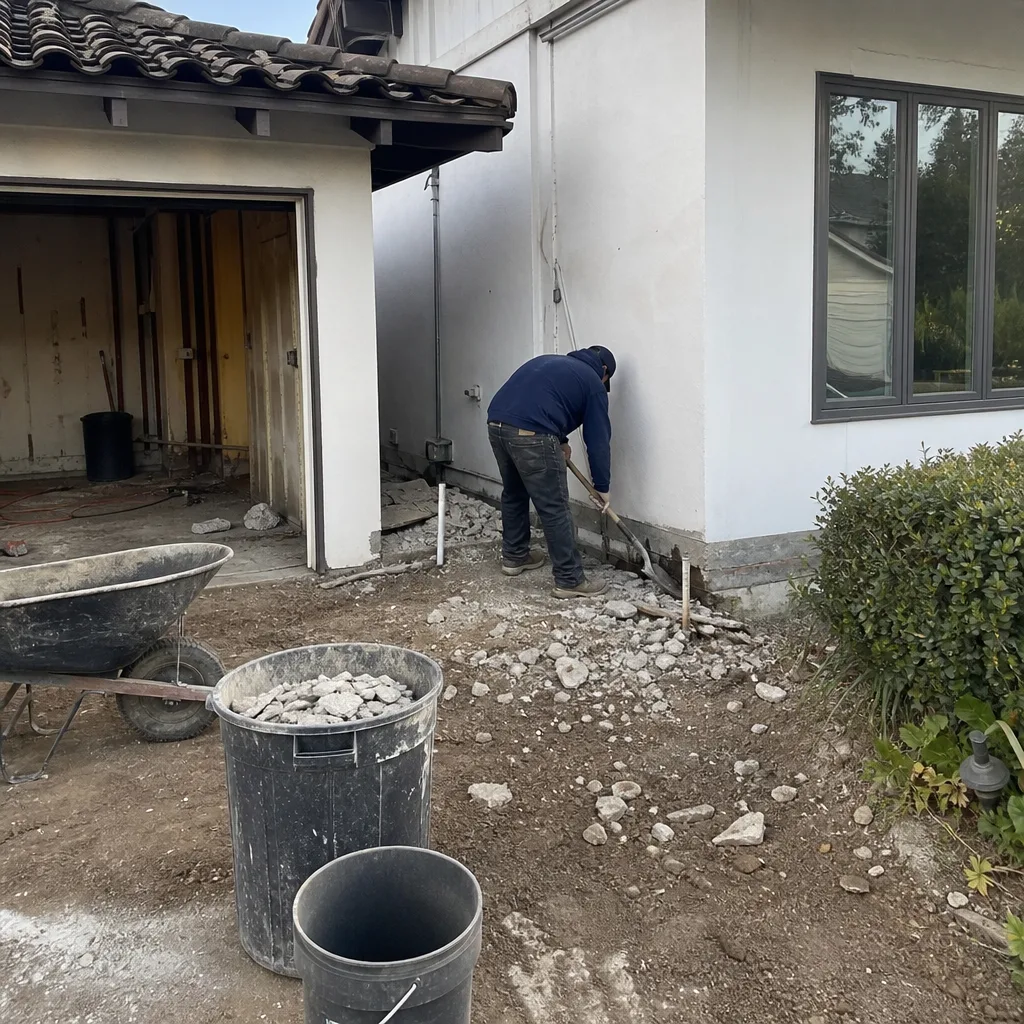 Before
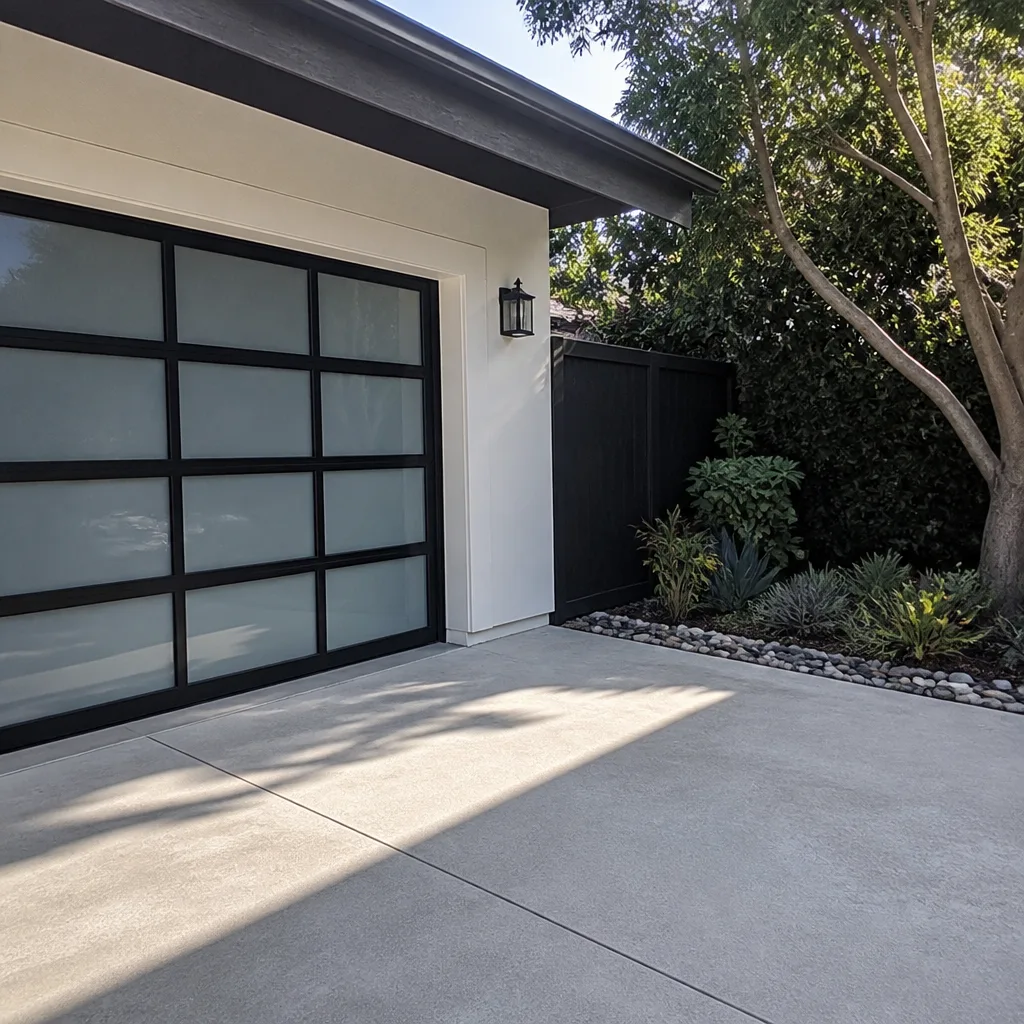 After
After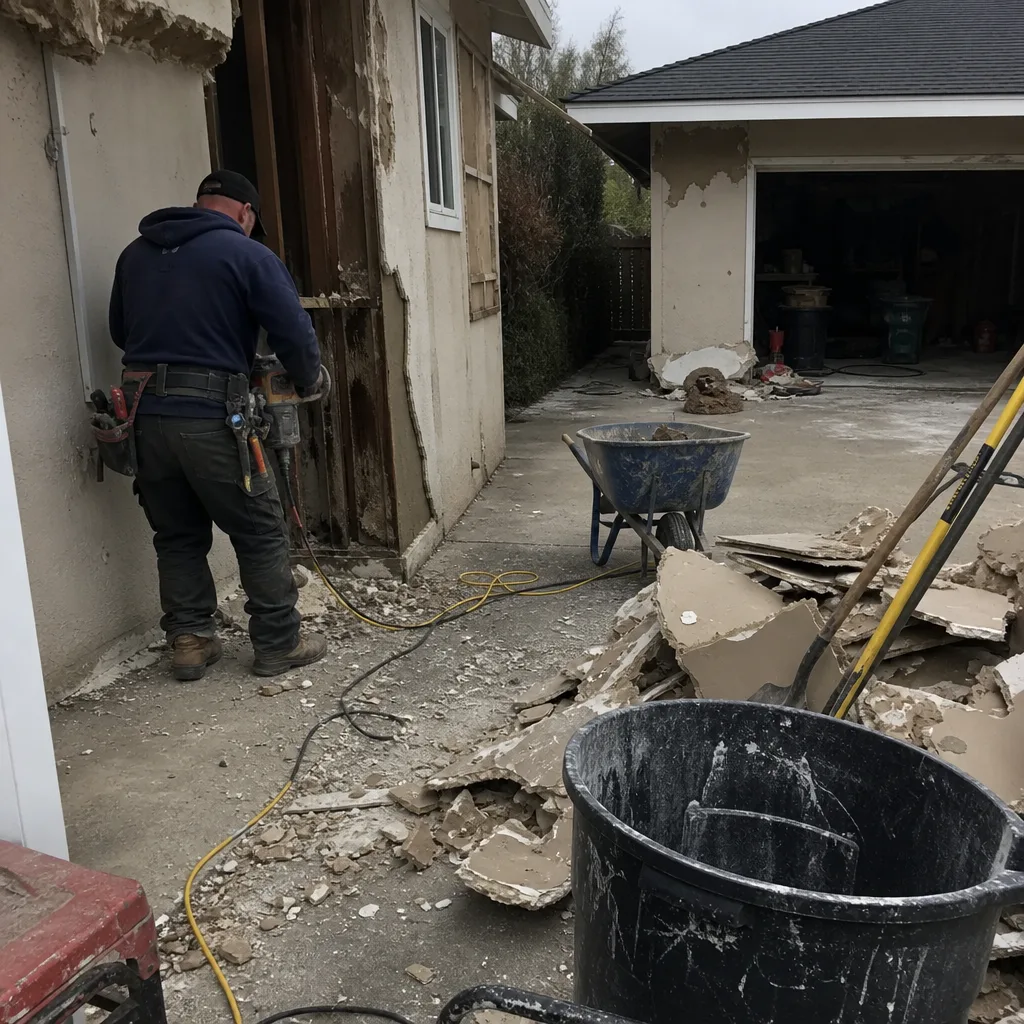 Before
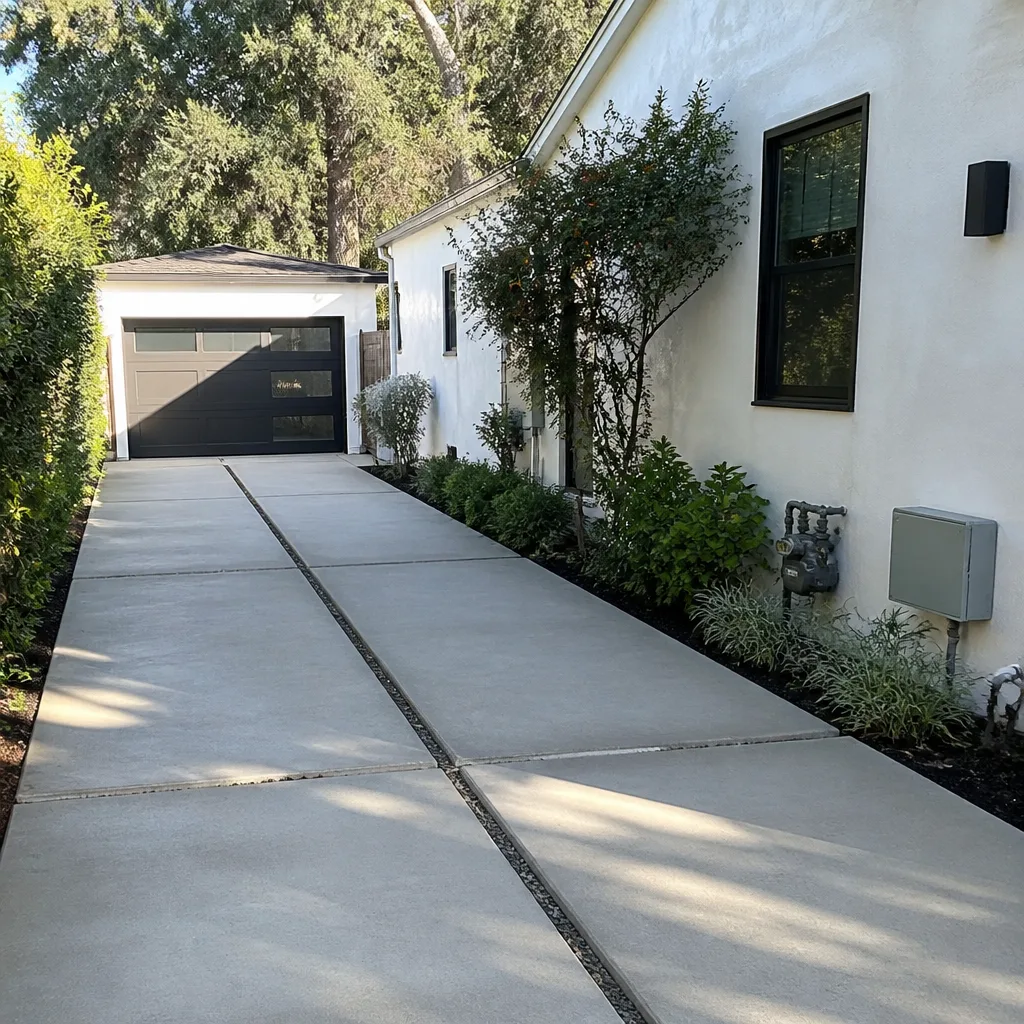 After
After