Last updated October 15, 2026



Free written scope consultation - allowances, timeline, and change-order rules on paper before a single trade is scheduled
DIY vs Professional Construction: The Woodland Hills Homeowner’s Decision Guide
Every year, somewhere in Woodland Hills, a homeowner finishes a weekend project and feels great about it. And every year, a different homeowner opens an insurance claim, a title report, or a notice of violation from LADBS and discovers that the money they saved doing it themselves has turned into a very expensive problem. What separates those two outcomes, in most cases, isn’t talent. It’s whether the project sat on the legal side of a line most people never learned about. This guide draws that line clearly, then shows you how to make the economics work on whichever side you end up on. For more guides & resources from our team, visit the blog.
Quick Answer
In California, you can legally act as your own contractor on your own residence, and that owner-builder exemption lets you pull permits and perform work without a contractor’s license. But the moment you pay anyone more than $500 in combined labor and materials to help you, that person must be licensed, and many Woodland Hills projects, especially anything involving fire-zone exterior work, structural changes, or unpermitted improvements that will later show up on a title report, are better off in professional hands from day one.
Styles & brands we work with
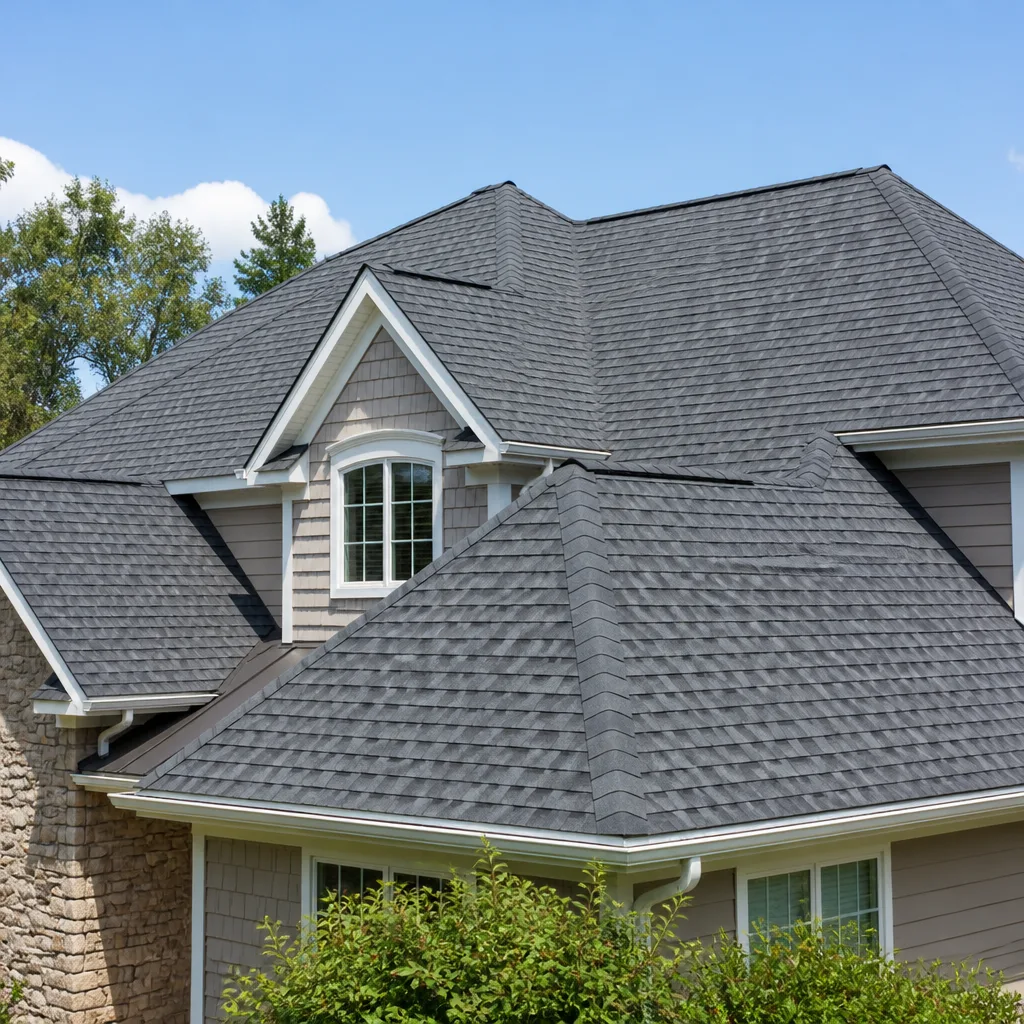
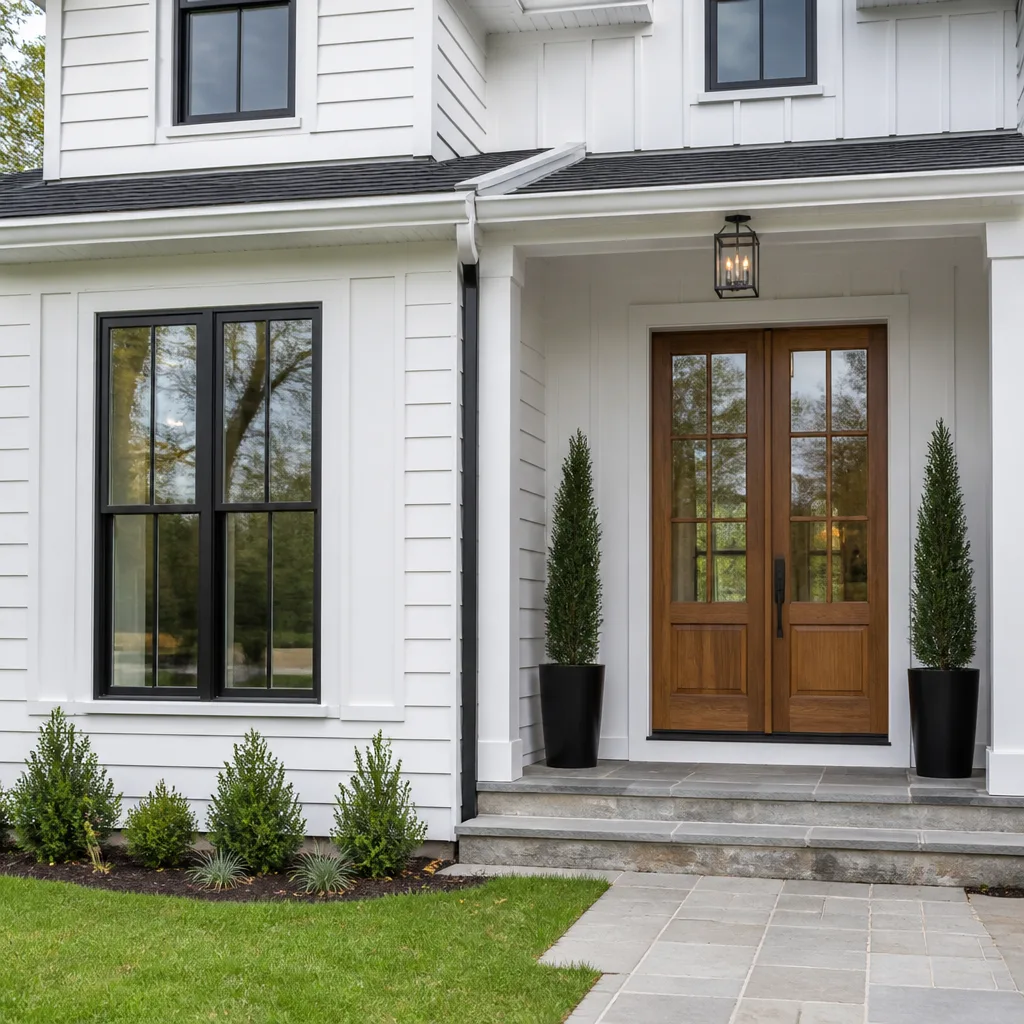
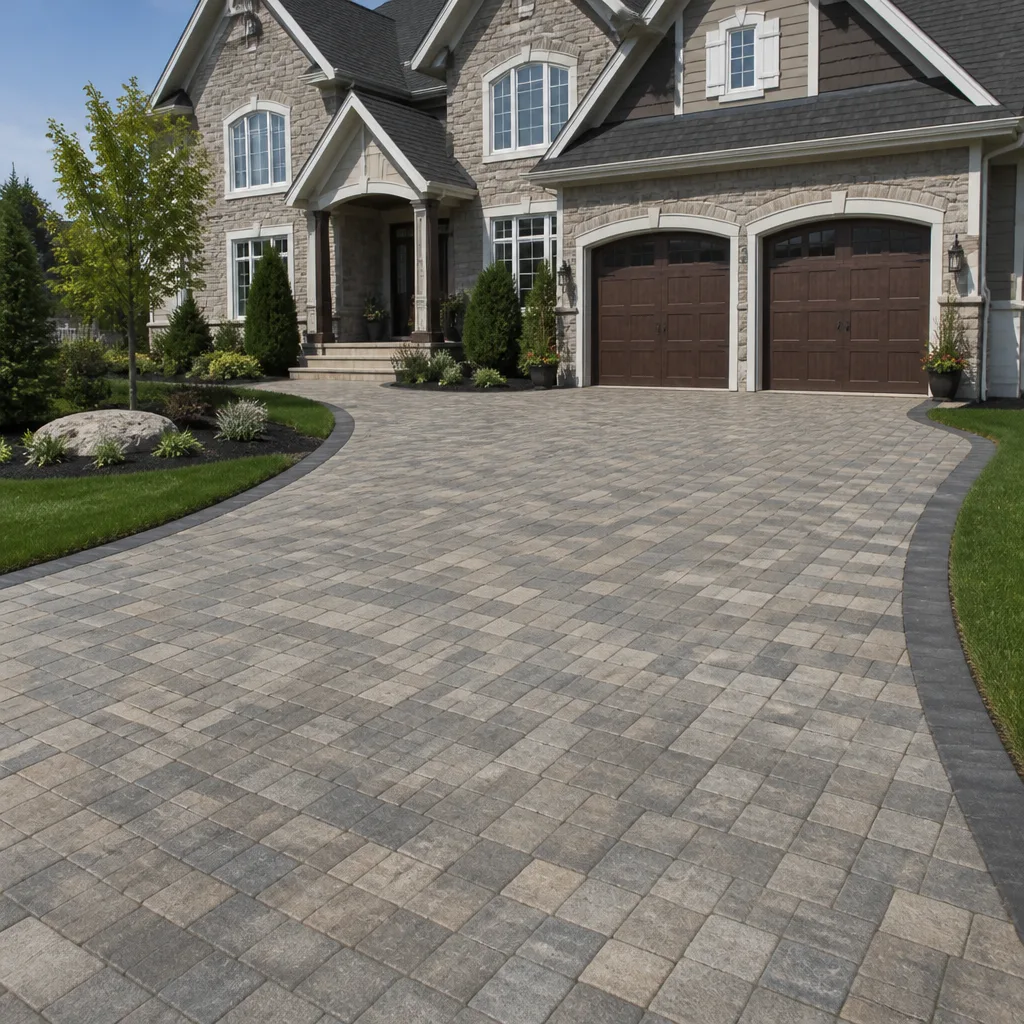
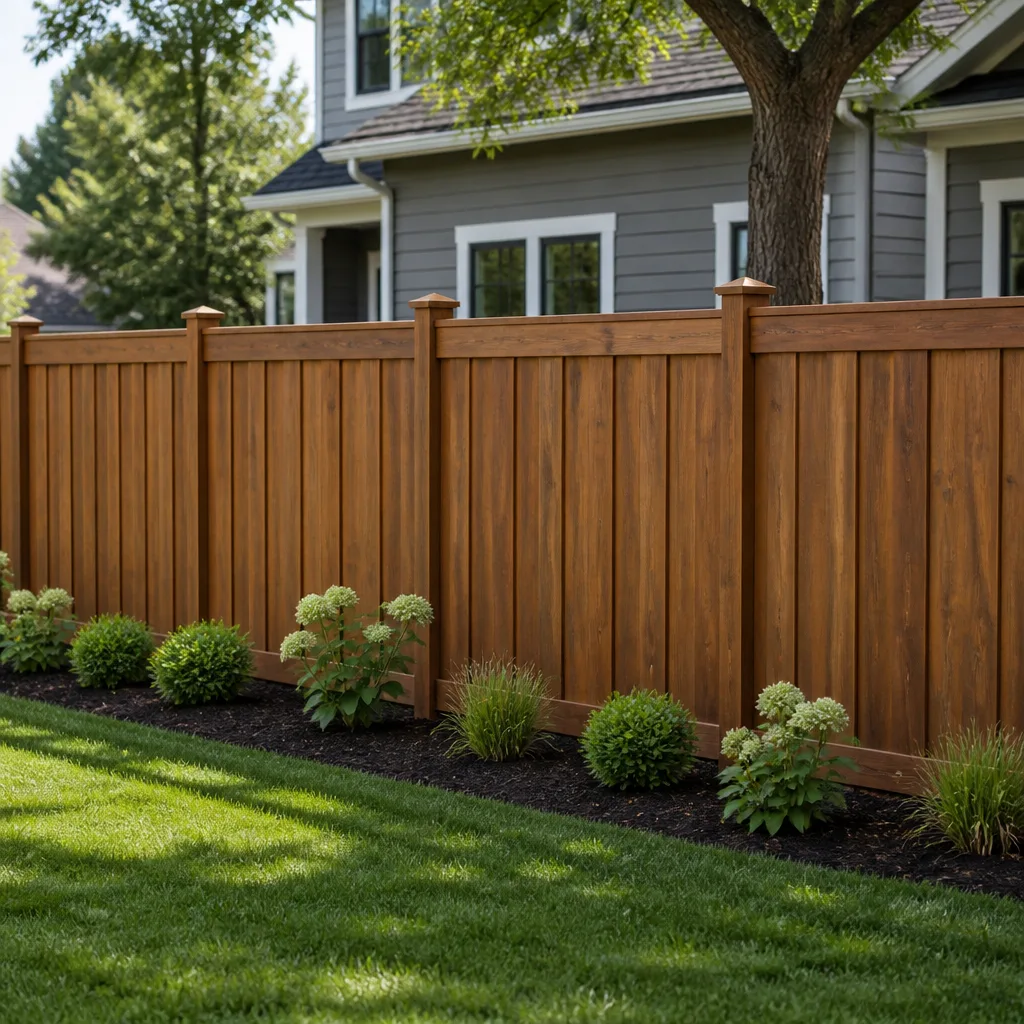
Table of Contents
- The Legal Line: California’s Owner-Builder Exemption in Plain Language
- Which Woodland Hills Projects You Can DIY, and Which You Legally Shouldn’t
- The Real Cost of DIY When Permits and Rework Enter the Equation
- How Woodland Hills Fire Zone Rules Change the DIY Equation
- The Hybrid Approach: Hire the Skeleton, Finish the Surface
- How to Vet a Woodland Hills Contractor Before You Sign Anything
- Insurance, Title, and the Three-Year Disclosure That Follows Your House
The Legal Line: California’s Owner-Builder Exemption in Plain Language
California Business and Professions Code Section 7044 says that a homeowner can act as their own contractor on their own property. That’s the owner-builder exemption, and it’s real. You can pull permits, hire subcontractors, schedule inspections, and perform the work yourself. What it does not allow is hiring an unlicensed person to do the work for you. The moment you pay someone, anyone, more than $500 in combined labor and materials, California law says that person must hold a contractor’s license in the appropriate classification. A handyman doing drywall repair for $400 is legal. The same handyman replacing a load-bearing wall for $4,000 is not.
Here’s what the exemption actually permits, step by step:
- You can be the contractor of record. You sign the permit applications at LADBS, you are responsible for the work meeting code, and you schedule the inspections.
- You can hire licensed subcontractors. An owner-builder can hire a licensed electrician, a licensed plumber, or a licensed general contractor to perform specific scopes, as long as the permits are in your name.
- You cannot hire unlicensed help above $500. That includes a friend who is “really good at tile” if you’re paying them more than five hundred dollars in any combination of cash, materials, or barter value.
- You must disclose owner-builder status when you sell. If you build or improve under an owner-builder permit, California requires you to sign a disclosure at the time of sale stating that you performed the work. That disclosure follows the property for three years, and LADBS records reflect it.
In Woodland Hills, where homes regularly sell for more than a million dollars, that disclosure matters. Buyers’ inspectors know to look for owner-builder permits. They know to ask whether the electrical panel was replaced by a licensed electrician or by the person who owned the house in 2019. When the answer is the latter, the negotiation changes.
Which Woodland Hills Projects You Can DIY, and Which You Legally Shouldn’t
The cleanest way to think about this is by trade, because California’s licensing rules are organized the same way. Each trade has its own classification, and each classification has a threshold where the State of California has decided that public safety outweighs your right to save money.
Projects Where DIY Is Legally and Practically Fine
- Interior painting and drywall finishing – no structural or life-safety implication, no permit required, and the learning curve is forgiving because mistakes are cheap to fix.
- Flooring replacement – vinyl plank, laminate, engineered wood, even tile if you’re patient. No permit required. The worst-case outcome is cosmetic.
- Cabinet hardware and fixture swaps – replacing a faucet or swapping drawer pulls is a weekend task with no legal exposure.
- Landscape planting and garden beds – grading and hardscape are different categories, but plants and mulch are unregulated.
- Interior trim and baseboard work – finish carpentry requires no license and no permit, and the material cost is low enough that mistakes are tuition, not disaster.
Projects That Require a Licensed Professional, Period
- Any electrical work beyond replacing a fixture. Replacing a light fixture on an existing box is allowed. Adding a circuit, moving a panel, or rewiring a room requires a licensed electrical contractor and a permit. In Woodland Hills homes built in the 1960s and 1970s, we’ve seen original aluminum wiring, and that’s not a DIY situation under any circumstances.
- Any plumbing that touches a wall, drain, or vent line. Replacing a faucet cartridge is fine. Moving a sink, adding a bathroom, or touching a gas line requires a licensed plumber and a permit. Gas lines especially: if you get a gas connection wrong in Woodland Hills, the consequences are not theoretical.
- Structural modifications of any kind. Removing a wall, cutting a roof joist, changing a window opening from one size to another – these require a licensed contractor or a registered engineer’s stamped plans, plus permits. In a seismic zone like ours, that is not bureaucratic overreach; it’s the reason homes stay standing.
- HVAC installation or replacement. California requires EPA 608 certification to handle refrigerant, and mechanical permits for the work. This is not a weekend project in any universe where you want the system to pass inspection.
- Roofing, including re-roofing and repairs beyond a couple of shingles. The City of Los Angeles requires a permit for reroofing, and the work must meet current Title 24 energy standards. Beyond that, the safety of working at height on a Woodland Hills hillside is genuinely dangerous.
Here’s the part most guides skip: the legal threshold isn’t about how good you are at the work. It’s about licensing law. You can be a retired union electrician, and you still cannot legally rewire your neighbor’s house for pay without a California electrical contractor’s license. The law doesn’t grade your skill; it requires the license.
The Real Cost of DIY When Permits and Rework Enter the Equation
The seductive math of DIY is that you’re trading your time for savings. The hidden math is that your time has a learning curve, and the curve has a price. Here’s what a typical Woodland Hills tile shower looks like as a DIY project versus a contractor quote, using real ranges we see in this market.
DIY Tile Shower: What Homeowners Actually Spend
- Materials – tile, thinset, grout, backer board, waterproofing membrane: $900 to $1,600 for a standard 60×30 shower with mid-grade tile.
- Tools – wet tile saw rental ($70/day, and you’ll need it at least three days), mixing drill, diamond blades, tile leveling clips: $300 to $500.
- Permit fees – a shower replacement doesn’t usually need one if you’re not moving plumbing, but if you are, LADBS fees run $300 to $900 depending on scope.
- Learning-curve waste – the industry average for a first-timer is 15 to 20 percent material waste. On $900 of tile, that’s $135 to $180. But the bigger cost is the re-do: a first tile shower that’s not waterproofed correctly fails, on average, within 18 to 24 months.
- Total real DIY cost: $1,700 to $3,200, plus 40 to 70 hours of your labor.
A contractor quote for the same shower in Woodland Hills, from a licensed remodeler like Mason Remodeling Co Woodland Hills, runs $8,000 to $14,000 depending on tile quality, waterproofing method (Schluter Kerdi, by the way, is the orange membrane system that has become the gold standard for shower waterproofing), and whether plumbing moves. That’s a big number. But it includes materials, labor, disposal, permit pull, inspection scheduling, waterproofing that a manufacturer warranties, and a written guarantee on the installation.
The honest comparison isn’t $2,500 versus $11,000. It’s $2,500 plus your re-do timeline and risk against $11,000 done once. In our experience, half the shower tile we bid on in Woodland Hills is covering someone’s first attempt. That is not a judgment; it’s a heads-up about the real numbers.
How Woodland Hills Fire Zone Rules Change the DIY Equation
Woodland Hills sits in a Very High Fire Hazard Severity Zone, and that designation changes what you can legally do to the exterior of your own house. The Los Angeles Fire Department enforces brush clearance and building standards under Chapter 7A of the California Building Code, and every exterior improvement must be non-combustible or ignition-resistant to pass inspection.
What that means for a homeowner standing at Home Depot, looking at siding options:
- Exterior insulation that touches attic space. Woodland Hills homes with attic ventilation cannot have combustible insulation exposed at eave edges, and retrofitting means fire-blocking caulk, metal flashing, or mineral wool. It’s not a matter of following YouTube; it’s a matter of an LAFD inspector reading the code and failing your work if a single transition is wrong.
- Fascia and eave vent replacements. In a fire zone, these must be metal or otherwise non-combustible. Buying primed wood fascia without checking the code means ripping it off and starting over at your expense.
- Decking and balcony materials. If your deck is elevated and within wildfire ember reach, the code requires ignition-resistant decking. Composite boards vary – some pass, some don’t – and if you buy the wrong one, the inspector doesn’t care how much it cost.
- Vents throughout the structure. Ember-resistant vents are required anywhere outside air enters the building envelope. A homeowner who swaps standard vents for standard vents has just created a re-inspection cycle and a correction notice.
The practical outcome is this: for any exterior project within five feet of the roofline, any insulation work, or any siding project, the DIY path in Woodland Hills has to include a careful read of the local enforcement bulletins from LAFD and LADBS. We work with homeowners who have read those bulletins carefully and still chosen to hire us, not because they couldn’t do the work, but because the inspection cycle is where DIY projects stall. A general contractor who has passed hundreds of Woodland Hills fire-zone inspections already knows where the inspector is going to look. That knowledge is what you’re actually paying for. For a deeper look at protecting your investment year-round, see our Seasonal Construction Care for Woodland Hills.
One more local note: if you’re installing a paver driveway or patio as a DIY project, products from manufacturers like Oldcastle, Techo-Bloc, and Tremron are all readily available and consistent in quality. What changes in Woodland Hills is the base-prep requirement: the soil is heavy clay, drainage is poor in many neighborhoods south of Ventura Boulevard, and a paver patio that shifts three years in is a complete re-do. The pavers aren’t the skill; the base underneath them is.
The Hybrid Approach: Hire the Skeleton, Finish the Surface
The smartest money in Woodland Hills home improvement, and the approach we recommend to friends who ask us for honest advice, is the hybrid. Let a licensed contractor handle the licensed, permitted, inspected skeleton of the project, then take over the unlicensed cosmetic finish work yourself.
Here’s what that looks like in practice, using a bathroom remodel as the example:
- Have the contractor handle demo, framing, plumbing rough-in, electrical, waterproofing, and drywall. That’s the licensed work. It’s what the inspector sees, it’s what carries the permit, and it’s what fails expensively if done wrong.
- Ask for the contract to exclude finish work. Painting, cabinet hardware, trim, shower door installation, and even final fixture placement can be left off the scope, and a written contractor quote will reflect those exclusions.
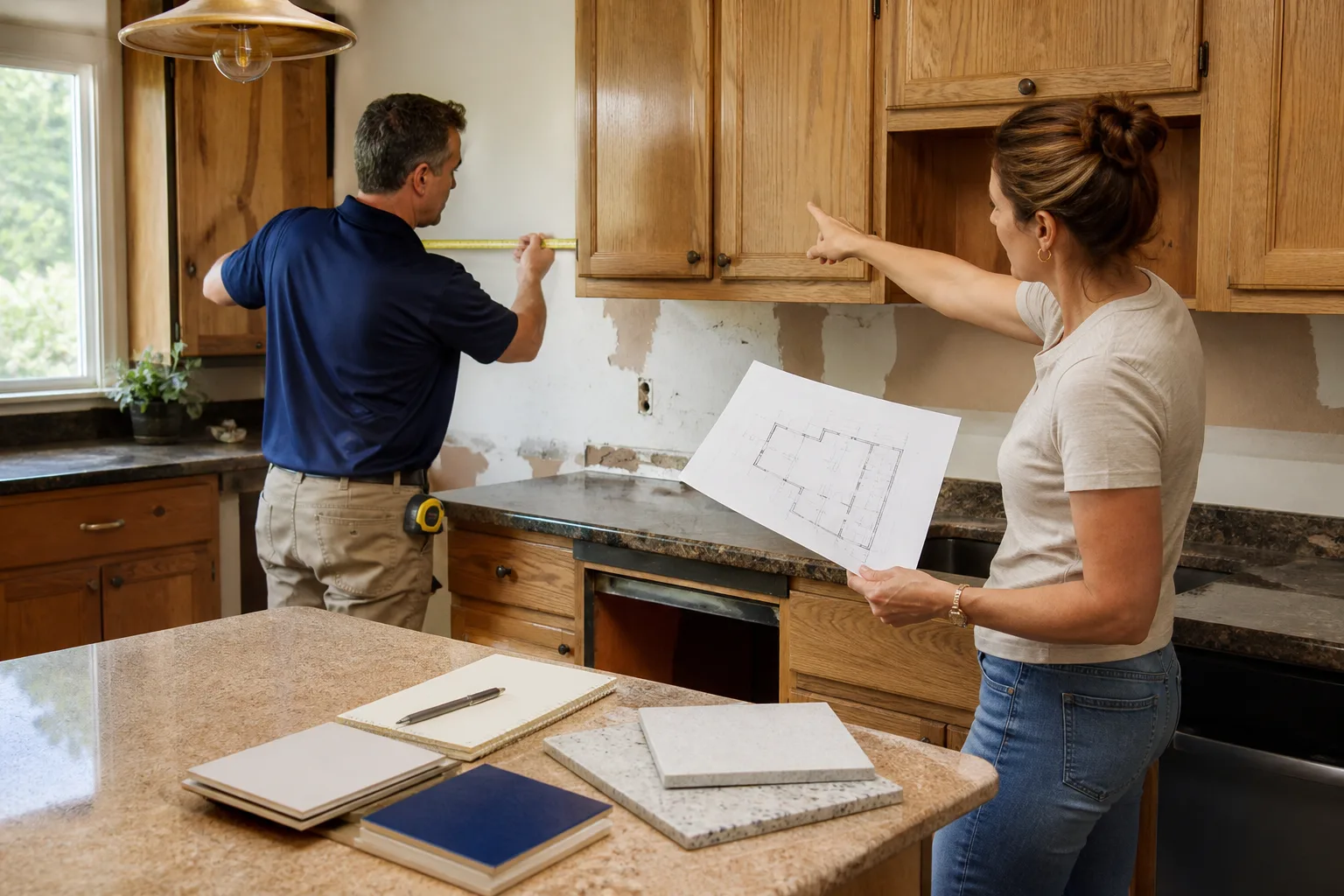
- Sign a written scope agreement that clearly states where the contractor’s responsibility ends. The threshold matters because it removes ambiguity about who pulls the final permit signature and who warranties what.
- Do the finish work at your own pace after final inspection. Once the permit is signed off, no one is coming to inspect your paint technique. The structure is legal, the waterproofing is warranty-backed, and you’ve saved $2,000 to $5,000 in labor on the cosmetic layer.
This is not for everyone. If you hate painting, don’t paint. But the hybrid exists, and more Woodland Hills homeowners should know it’s an option. For guidance on hiring a construction contractor in Woodland Hills, see our step-by-step guide. Our team at Mason Remodeling Co Woodland Hills has structured scopes this way many times; it’s a normal request, not a special favor. You just ask for it in the initial estimate conversation, and any competent remodeler will break the quote down that way.
How to Vet a Woodland Hills Contractor Before You Sign Anything
If the legal line has landed you on the professional side, the next question is how to choose someone in a market that has every kind of operator imaginable. The California Contractors State License Board maintains a public database that you should use before any other source. Here’s the vetting sequence we’d recommend to our own family members:
- Verify the license number at CSLB.ca.gov. The database tells you the classification (General Building Contractor is “B”), the bond status, any active judgments, and the length of time licensed. It’s free and it’s the first thing any legitimate contractor expects you to ask.
- Ask for a written price before any work starts. Not an estimate, not a verbal ballpark, not a “we’ll see what the walls look like.” A written price. If a contractor hesitates on this, don’t hire them.
- Ask exactly who will be on the job. Will there be employees, or subcontracted crews? Are those crews licensed in their own right? A common failure point is a licensed contractor who quietly hands the work to an unlicensed crew. Ask the question directly, then verify.
- Ask what the guarantee is, in writing. What’s covered, what’s excluded, and for how long. A contractor who can’t state this plainly in the contract is telling you something important.
- Ask about permits, and don’t accept “you don’t need one” without checking yourself. LADBS has a service line, and their permit requirements for most improvements are published online. If a contractor tells you a permit isn’t needed and you later find out they were wrong, the problem lands on you, not them.
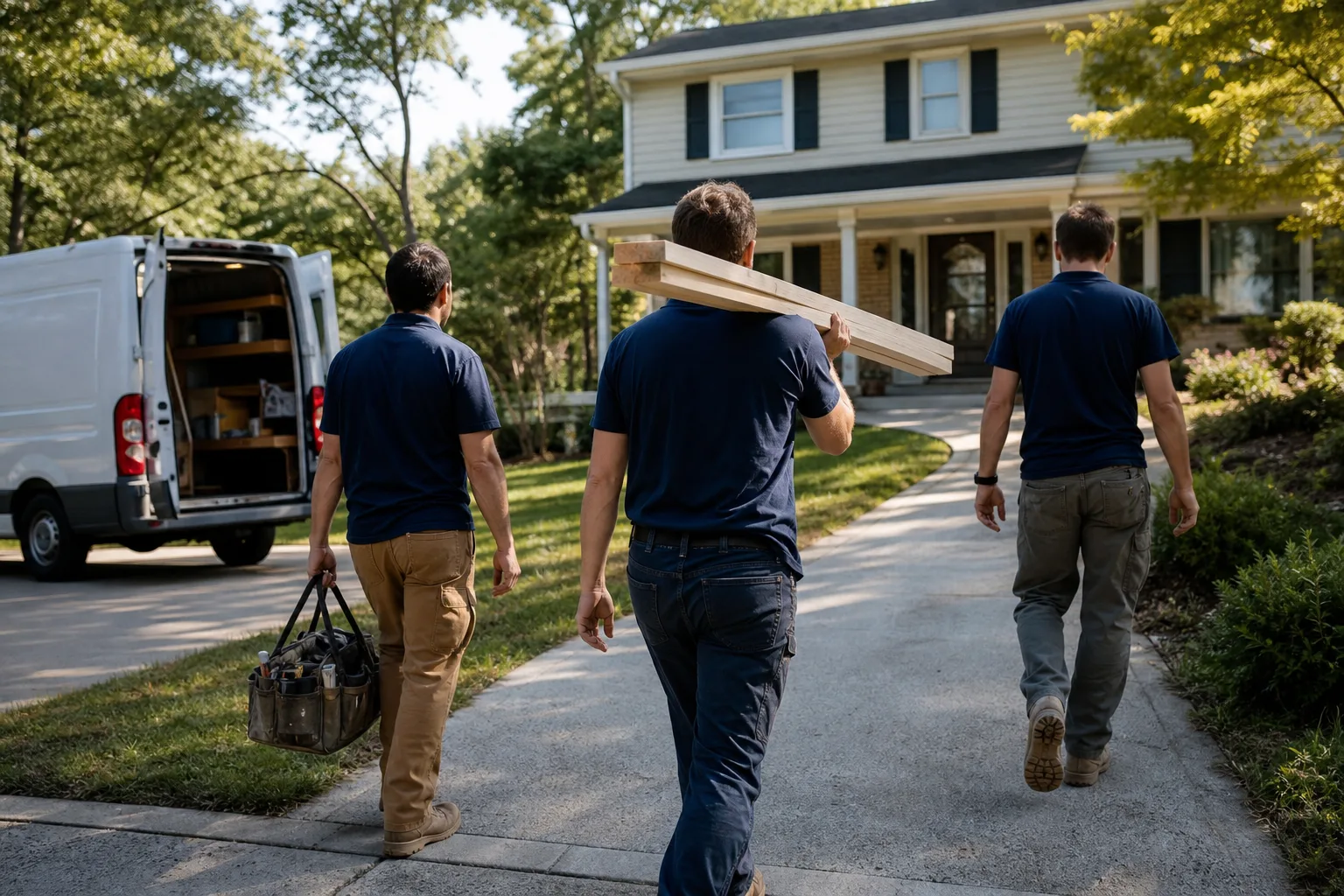
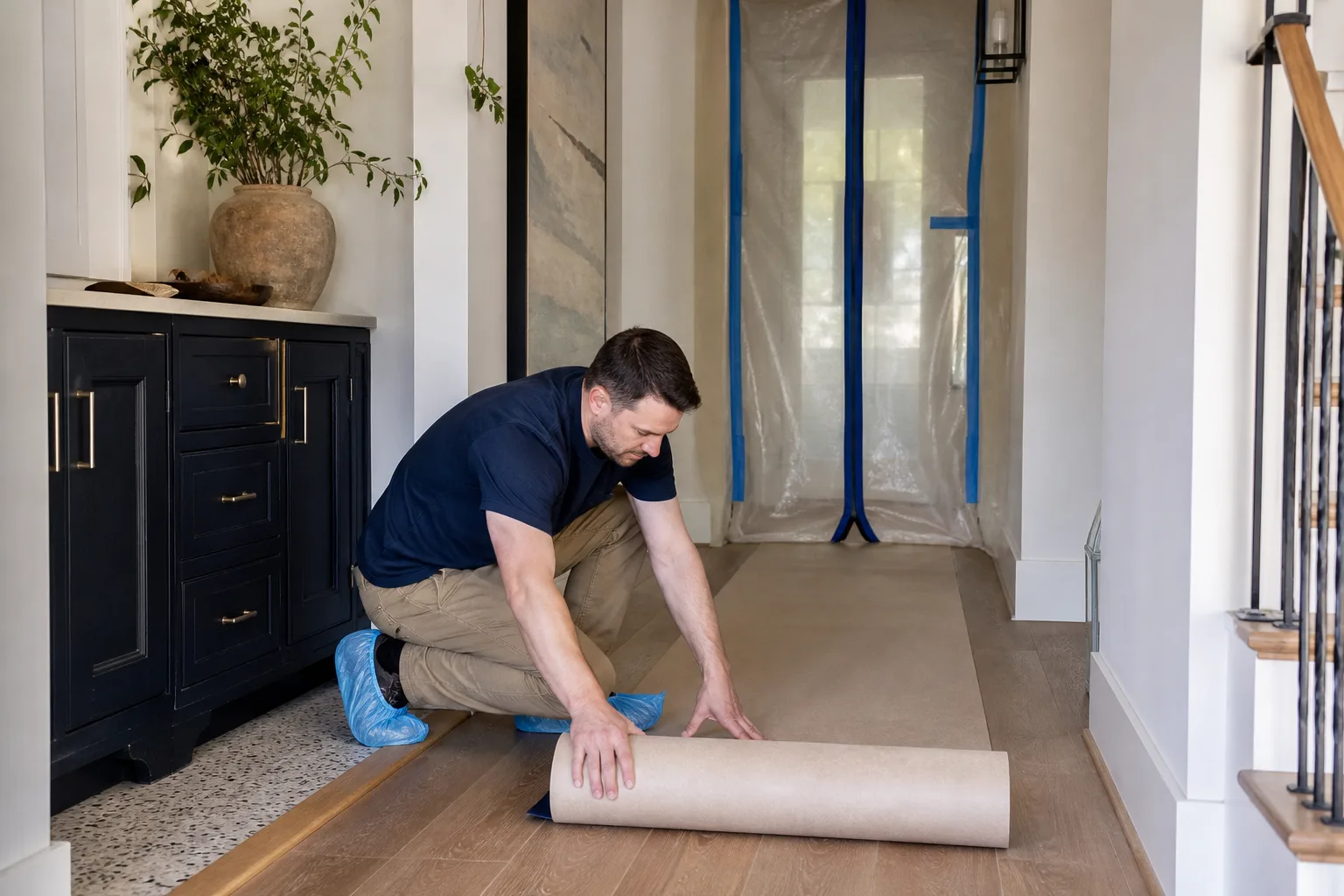
As a General Contractor in Woodland Hills that has been operating since 2004, we operate under the Threshold Standard, which means every technician who enters your home is background-checked and identity-verified before they arrive. You receive that person’s name and photo before the visit, they arrive in a marked uniform with a photo ID badge at your door, and you’re introduced to them by name before work begins. That’s the standard here; if another contractor can’t match it, that should tell you how the rest of the job will go.
Insurance, Title, and the Three-Year Disclosure That Follows Your House
Here’s the part of the DIY decision that almost nobody learns until it’s too late: in California, unpermitted or improperly self-performed work isn’t just a building department issue. It’s an insurance issue and a title issue, and both of them attach to the property, not to you personally.
When you sell a home in Woodland Hills, the standard California Association of Realtors transfer disclosure statement asks whether any work was performed under an owner-builder permit, whether any work was done without permits, and whether any known code violations exist. You sign that form under penalty of perjury. If a buyer’s inspector later finds work that contradicts your disclosure, that’s a civil liability claim. If the property title company catches work that wasn’t permitted, it can delay or kill the sale. And if your homeowner’s insurance company learns that a loss originated in unpermitted electrical or plumbing work, coverage can be denied.
The owner-builder disclosure specifically: when you pull a permit as an owner-builder, LADBS records that fact. For three years after the permit is finaled – and sometimes longer if the permit stays open – that record exists for any title company to find. You are legally required to disclose it to the buyer. In a market like Woodland Hills, where most homes sell for seven figures and buyers run thorough inspections, an undisclosed owner-builder permit is a deal-killer.
What that means in practical terms: the “savings” on a DIY electrical panel is only real if you never sell the house, never file an insurance claim, and never have an inspection issue. The moment you sell, the savings is likely to come back out in the form of a reduced offer, a repair credit, or a failed escrow. On a project that touches any of those systems, the math changes completely. The home remodeling route, done with permits and a licensed contractor, leaves a clean paper trail that buyers and title companies accept without drama.
Common Mistakes to Avoid
- Paying a handyman more than $500 for work that requires a license. This is the most common mistake we see in Woodland Hills. The handyman might be skilled, but the moment the scope crosses the legal threshold, you’re both exposed. If something goes wrong, you have no recourse through the CSLB, and your homeowner’s policy may not cover the damage.
- Skipping the permit to “save time.” LADBS requires permits for most trade work, and skipping them saves you a $400 fee today while creating a much larger problem at sale. It also leaves you with no inspection record, which is the only proof a future buyer has that the work was done to code.
- Doing your own gas line work. Gas is the one hazard in a home that fails silently and catastrophically. A licensed plumber in California takes a certification exam specifically for gas work. It’s one of the few scopes we’d say no competent homeowner should touch, no matter what YouTube says.
- Starting fire-zone exterior work without reading the current Woodland Hills enforcement bulletins. The code changes and the enforcement emphasis shifts. What passed three years ago may not pass today. If you’re not certain, the cost of finding out after the fact is the cost of the whole project twice.
- Treating a contractor’s verbal estimate as a final price. In California, a verbal price without written scope carries almost no weight in a dispute. Get everything in writing before work starts, including what’s excluded. That document is the thing you’ll actually use if something goes wrong.
- Choosing a contractor based on the lowest bid without verifying the license, the crew, or the guarantee. Woodland Hills has plenty of low bids. Some are fine. Some are the first chapter of a story that ends in a half-finished bathroom and a vanished contractor. The CSLB check takes five minutes and it’s free.
See the difference
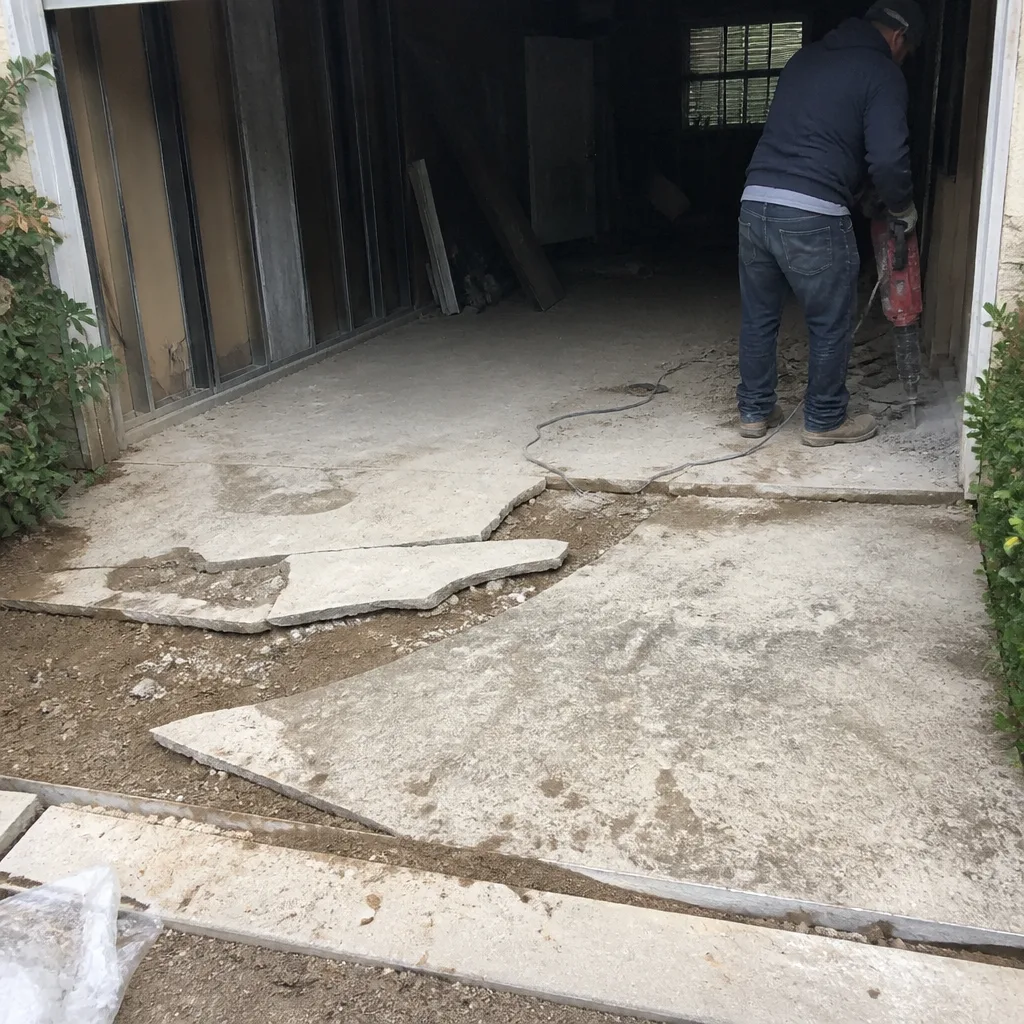 Before
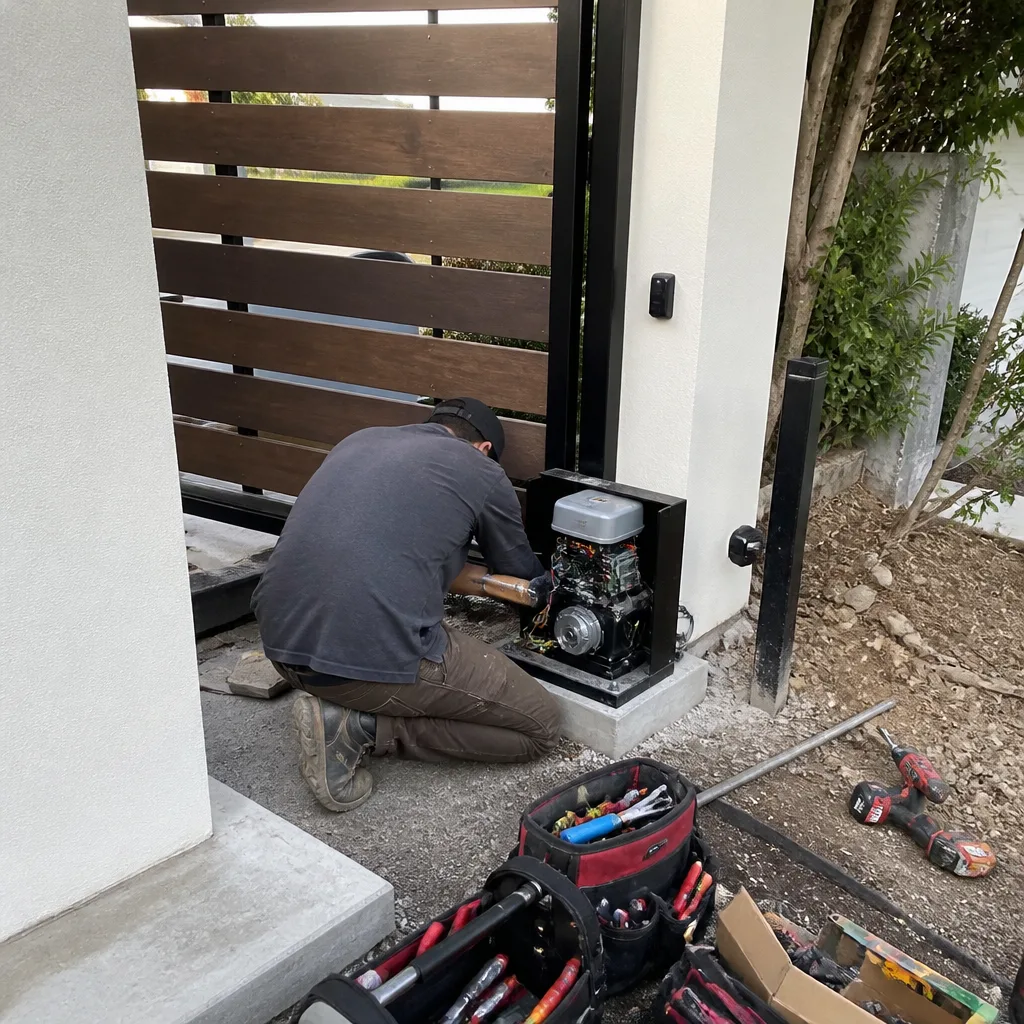 After
After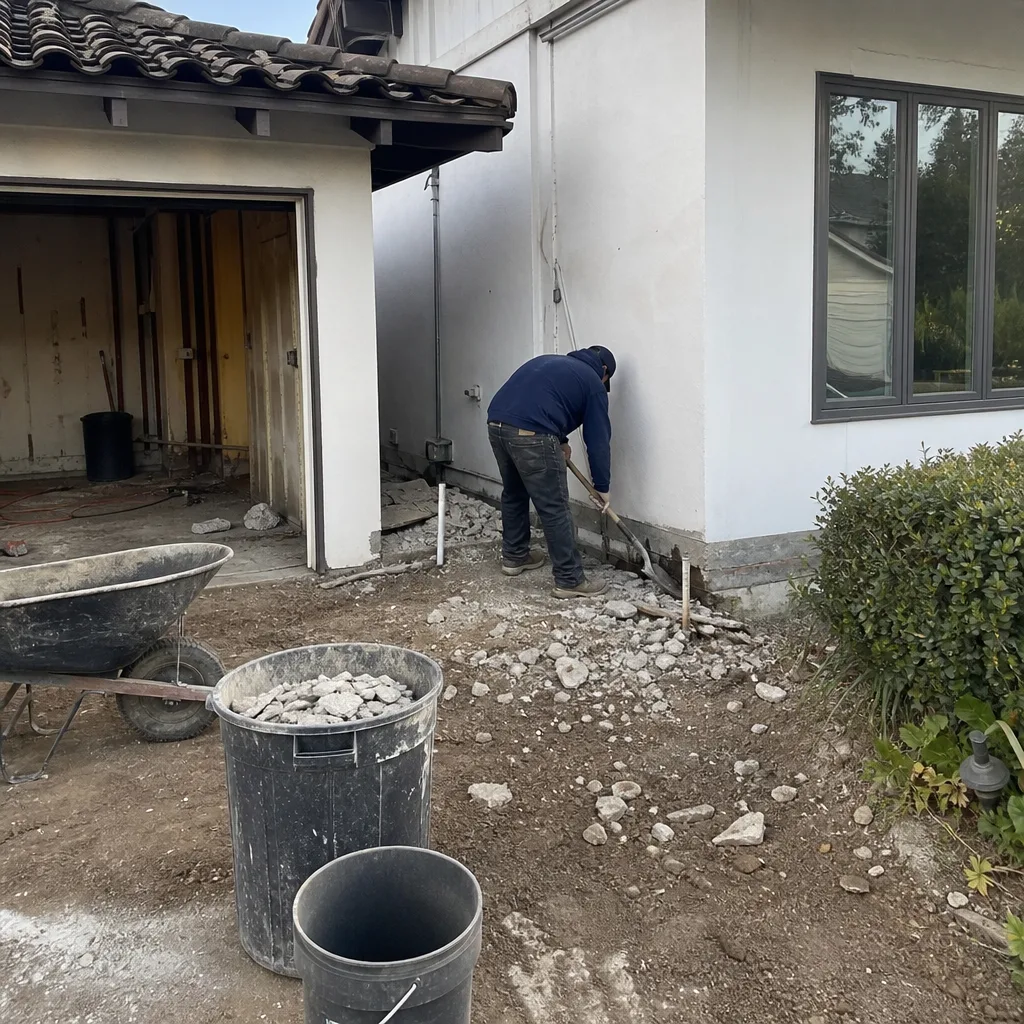 Before
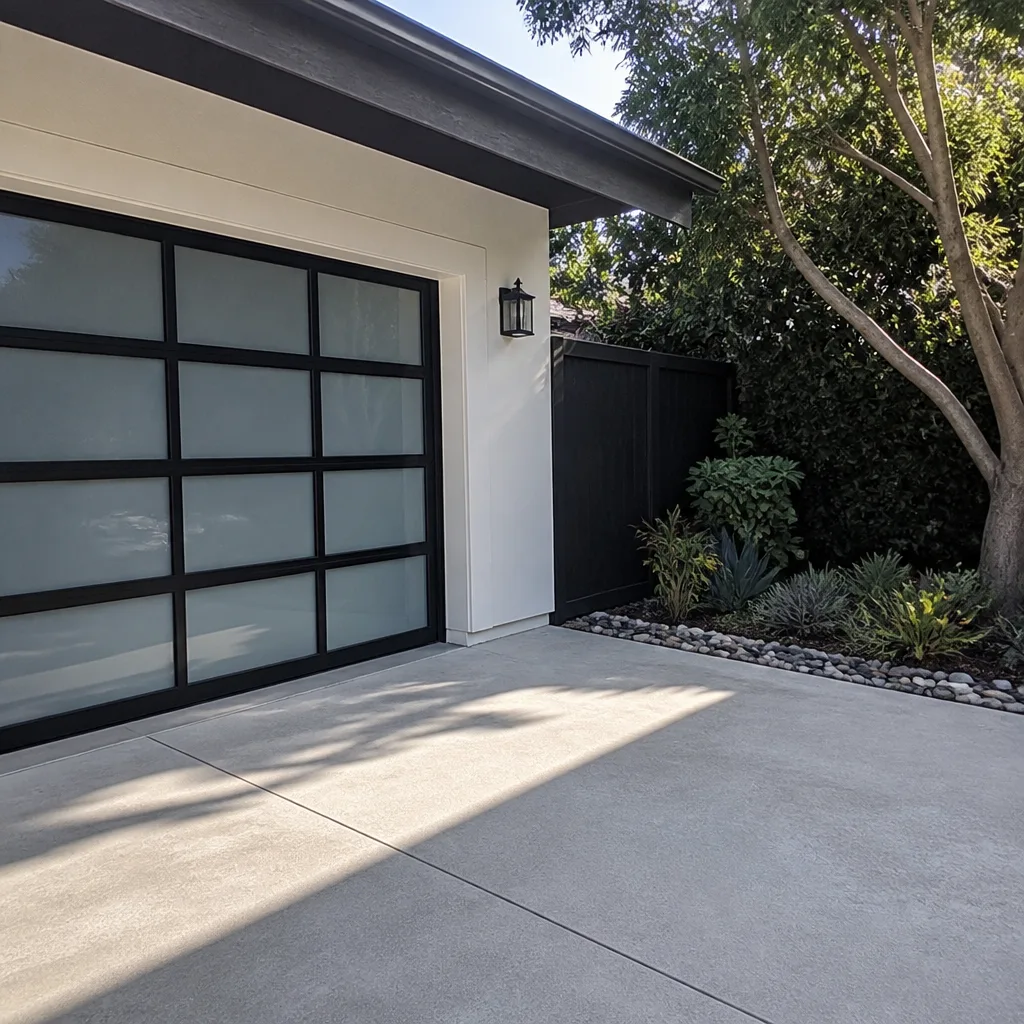 After
After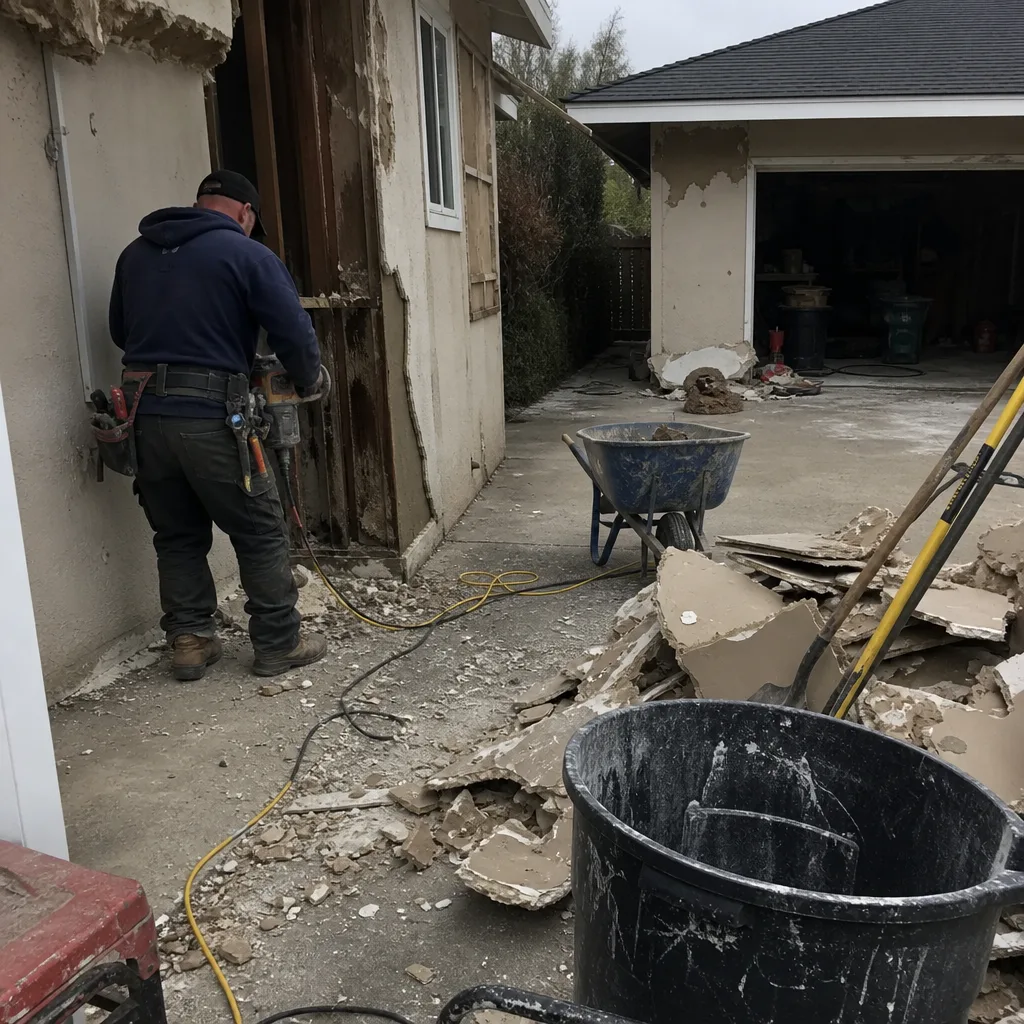 Before
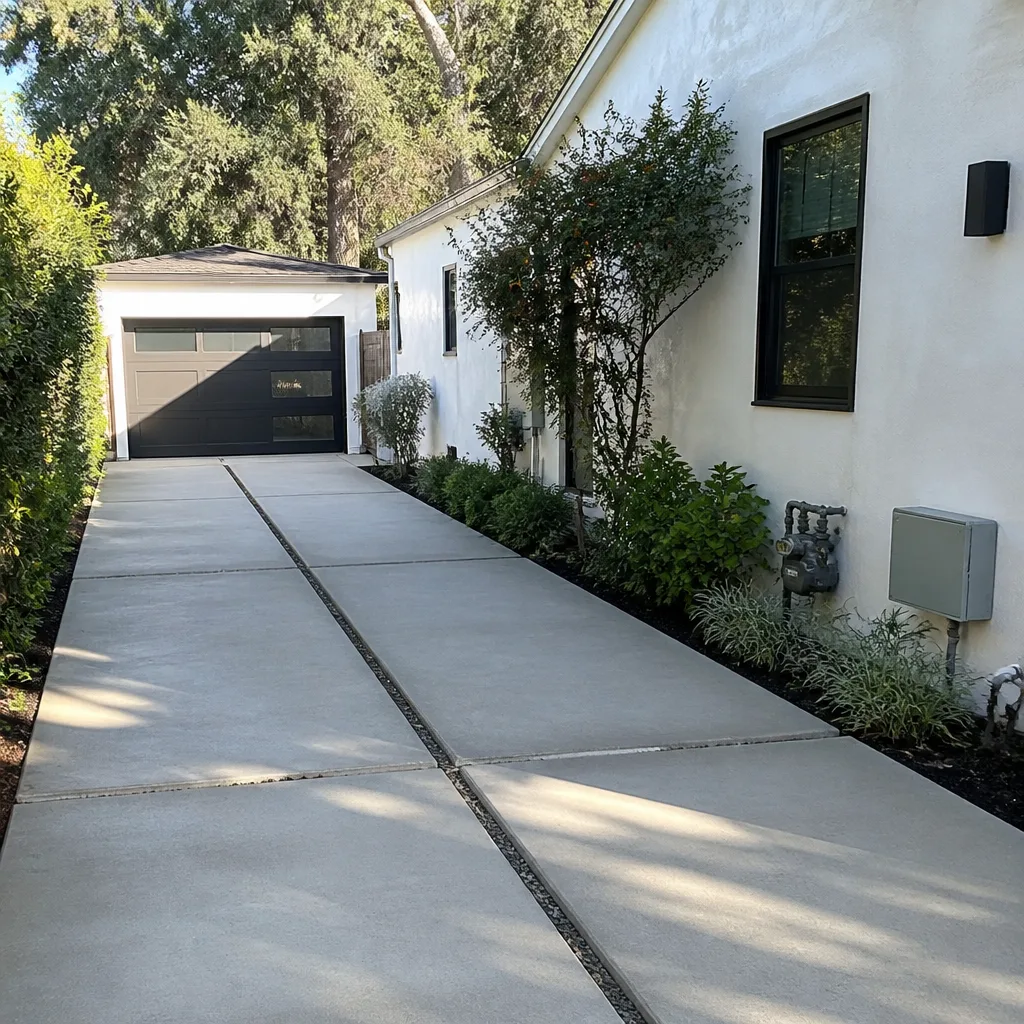 After
AfterWhen to Call a Professional
Call a professional if the project touches anything structural, anything electrical beyond a fixture swap, anything involving gas, anything that requires a permit you’re not certain you can pass, or any exterior fire-zone work where a failed inspection doubles your cost. Call a professional if the difference between a clean title and a clouded title matters to you, which, in Woodland Hills, it should. And call a professional if you’ve already started the DIY and realized the wall you opened has issues you didn’t plan for – we’ve seen that story more times than we can count, and it never gets easier on delay. Mason Remodeling Co Woodland Hills offers free estimates in Woodland Hills. Call (831) 290-6866 and we’ll give you a written price before any work starts, backed by our bathroom remodeling and home remodeling commitment to a one-year Done Right Promise.
Frequently Asked Questions

Yes, California’s owner-builder exemption lets you act as your own contractor on your own residence, pull permits in your name, and perform the work yourself. It does not allow you to hire unlicensed help above $500 in combined labor and materials, and it requires a disclosure when you sell the home for work done under that exemption. If you’re planning a project in Woodland Hills, that disclosure follows the property for at least three years and shows up during any title search.
Any electrical work beyond fixture replacement, any plumbing that touches walls or gas lines, any structural modification, any HVAC installation, and any roofing project require a licensed contractor in the appropriate trade classification. In a Woodland Hills fire zone, exterior insulation, fascia, and vent replacements also fall under codes that make professional installation the safer and often more economical route.
General contractor rates in Woodland Hills typically range from $75 to $150 per hour for smaller jobs, while full bathroom remodels run $12,000 to $35,000 and whole-home remodels start around $100,000 and rise from there. The exact number depends on scope, material selection, and permit complexity, which is why any reputable contractor provides a written line-item quote rather than a verbal estimate. Call (831) 290-6866 for a free, no-obligation price on your specific project.
Yes, and sometimes dramatically. Unpermitted work must be disclosed at sale, and in a market where buyers run thorough inspections on million-dollar homes, that disclosure almost always leads to a reduced offer, a repair credit, or a stalled escrow. The stronger play in Woodland Hills is to permit the work and keep the paper trail clean, because the title company sees everything.
Yes, and it’s a smart way to save. A licensed contractor can handle the permitted, inspected scope – demo, framing, plumbing rough-in, electrical, waterproofing, drywall – and leave the cosmetic finish work like painting, trim, and hardware to you. Just make sure the written scope clearly defines where the contractor’s responsibility ends and yours begins, so there’s no ambiguity on the final permit signature.
Go to CSLB.ca.gov and run the contractor’s name or license number. The database shows the classification, bond status, active judgments, and time licensed. It’s free, it takes five minutes, and a legitimate contractor expects the question. At Mason Remodeling Co Woodland Hills, our team is licensed, background-checked, and verified before anyone reaches your door – that’s the Threshold Standard on every job we take.
The Bottom Line
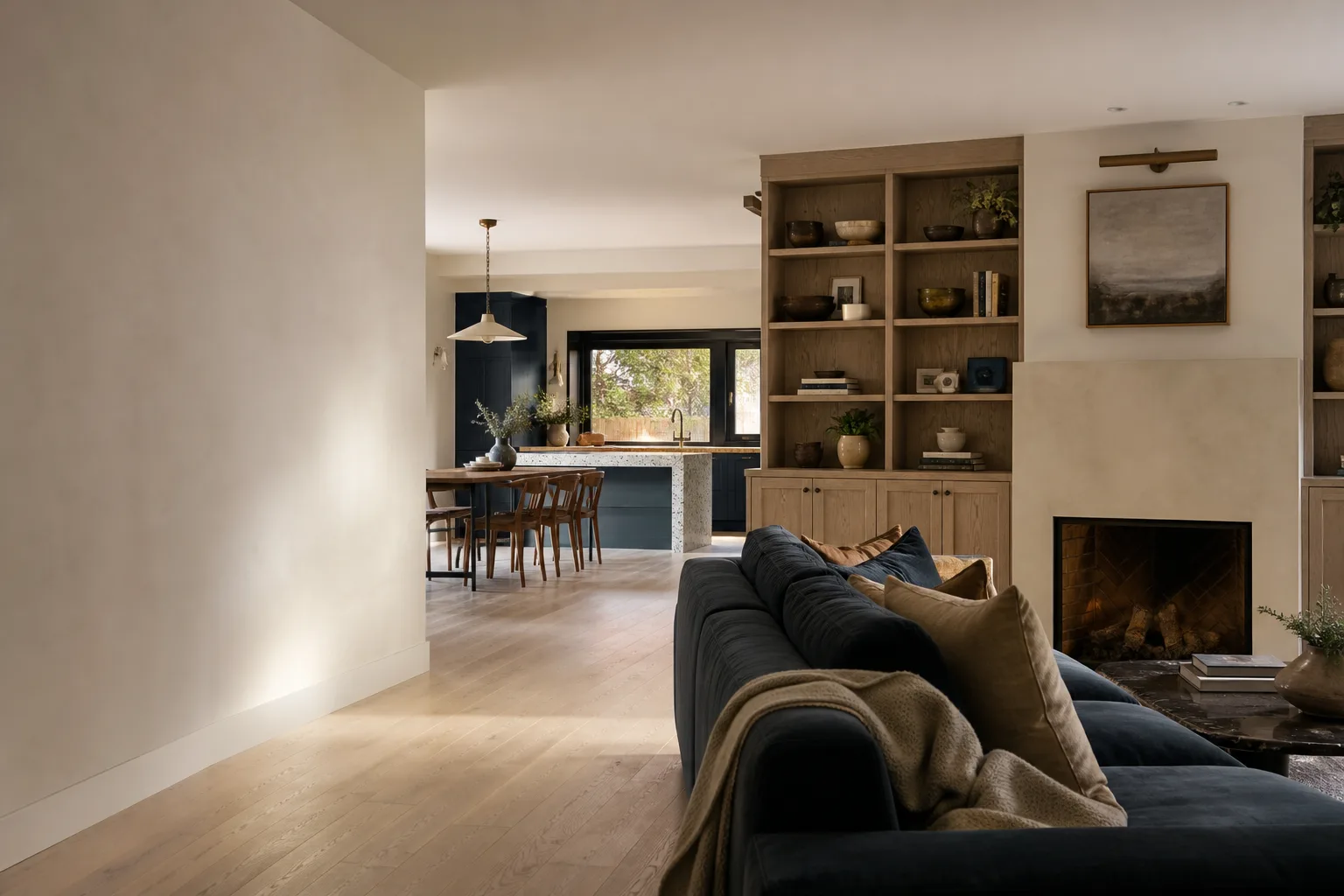
The California owner-builder exemption is a real right, and it works well for finish work, flooring, painting, and other low-risk scopes. But the moment a project crosses into licensed trade territory, structural work, fire-zone exteriors, or anything that will show up on a title report, the smart move in Woodland Hills is to bring in a licensed contractor. The hybrid approach, professional bones with DIY finishes, is the most economical path for many homeowners, and it starts with an honest conversation about where the legal line sits on your specific project. For a practical tool to stay on top of upkeep, download our General Contractor Maintenance Checklist for Woodland Hills Homeowners. Question the price, question the scope, but don’t question the law. That’s the one thing on a Woodland Hills construction project that doesn’t negotiate.
Written by Isaac Pruett, Owner at Mason Remodeling Co Woodland Hills, serving Woodland Hills since 2004.