
Free written scope consultation - allowances, timeline, and change-order rules on paper before a single trade is scheduled
Silestone Kitchen Remodeling: The Woodland Hills Owner’s Guide
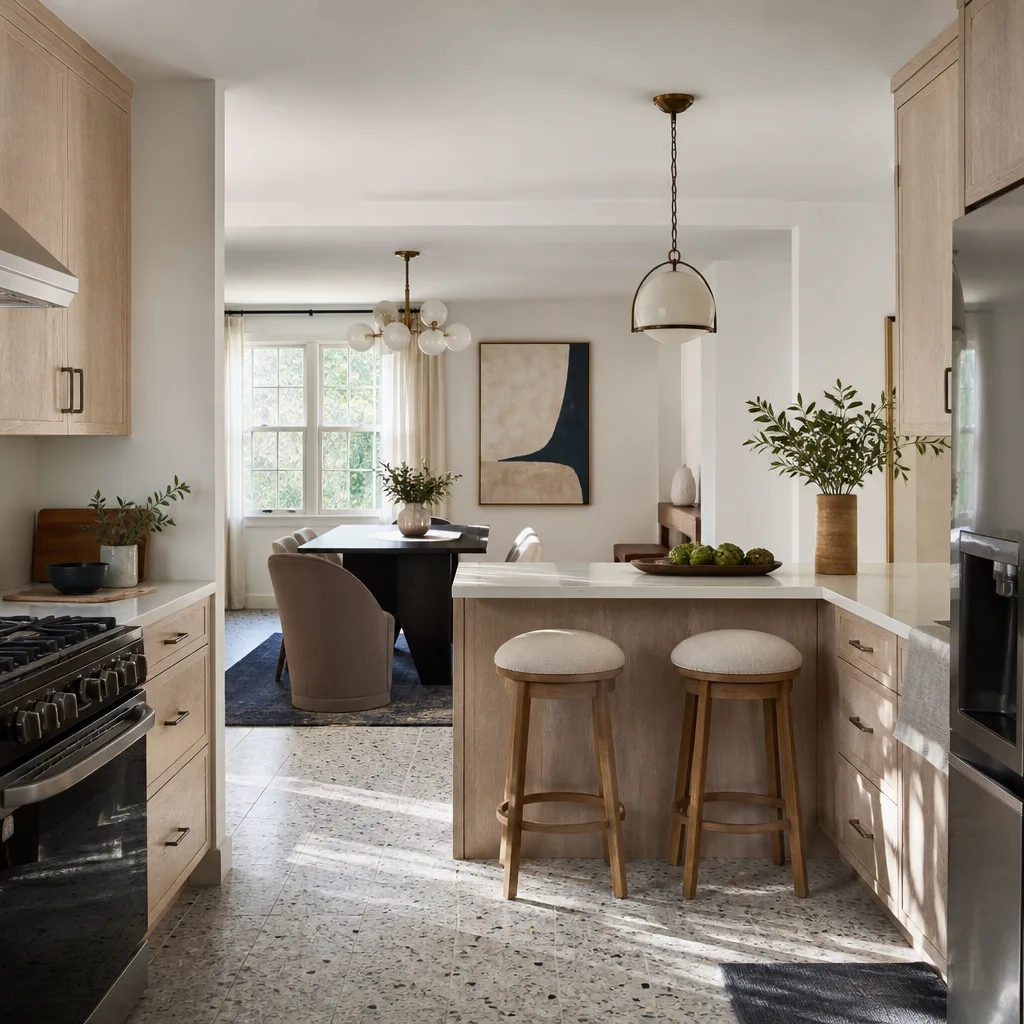
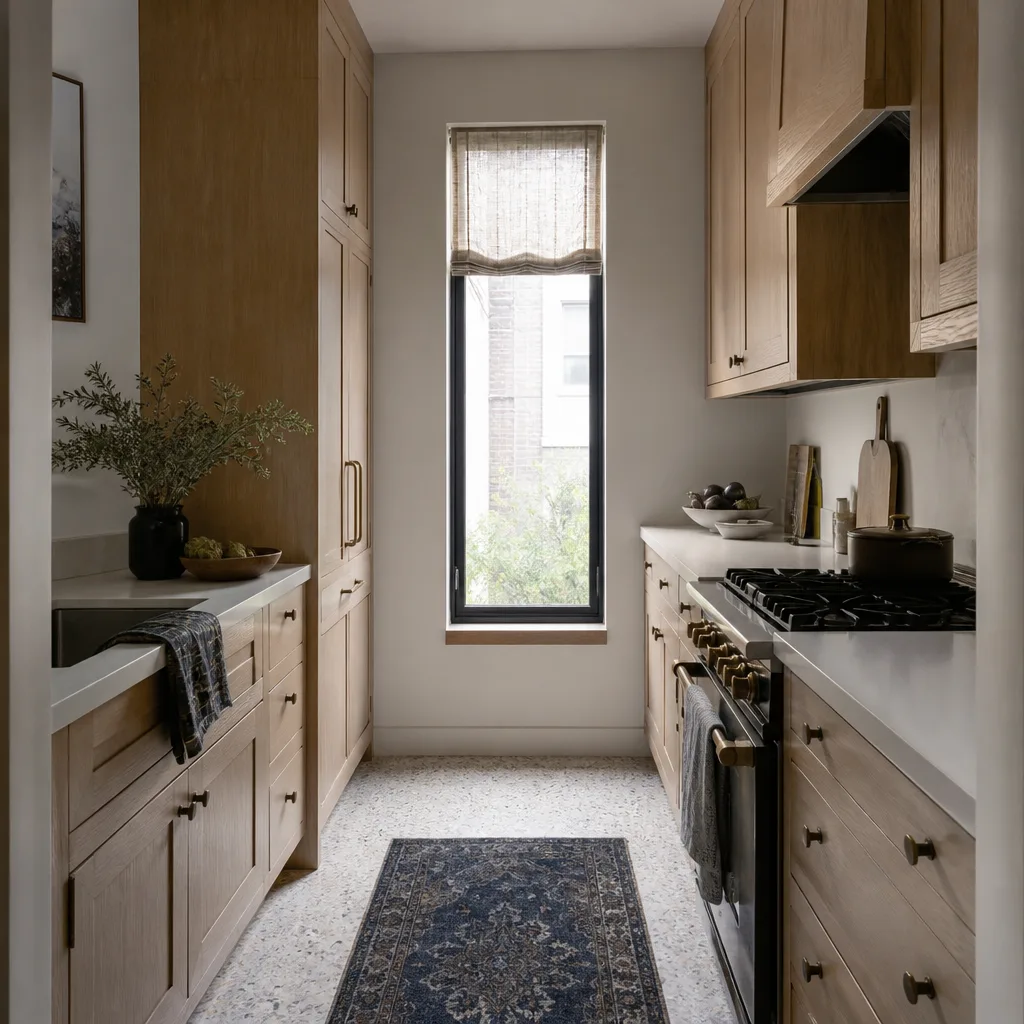
A full Silestone kitchen remodel in Woodland Hills typically runs $14,000 to $45,000 installed, depending on slab size, edge profile, and how much of the existing kitchen has to come out first. We stock Silestone-compatible materials, match existing slabs where possible, and can usually start within a week of your estimate. Most owners call us because a seam has opened up, a corner has chipped, or the Silestone counter they loved five years ago no longer fits the kitchen they actually use every day.
Here’s the thing about Silestone: it’s a quartz surface, meaning it’s roughly 90% ground quartz held together with resin binders and pigments. That makes it tough but not indestructible. Heat, dropped cast iron, and shifting cabinets all take their toll. In Woodland Hills, where summer temperatures push kitchens into the high 80s indoors without air conditioning, the resin in cheaper quartz can expand and contract enough to crack at thin points near the sink or cooktop.
- Installed price range: $14,000 – $45,000 for a full kitchen remodel with Silestone surfaces
- Most common failures: seam separation, chipped edges, heat discoloration near cooktops
- What we need to see: the damaged area, cabinet condition underneath, and whether the slab is still in production
Which Silestone Models This Applies To
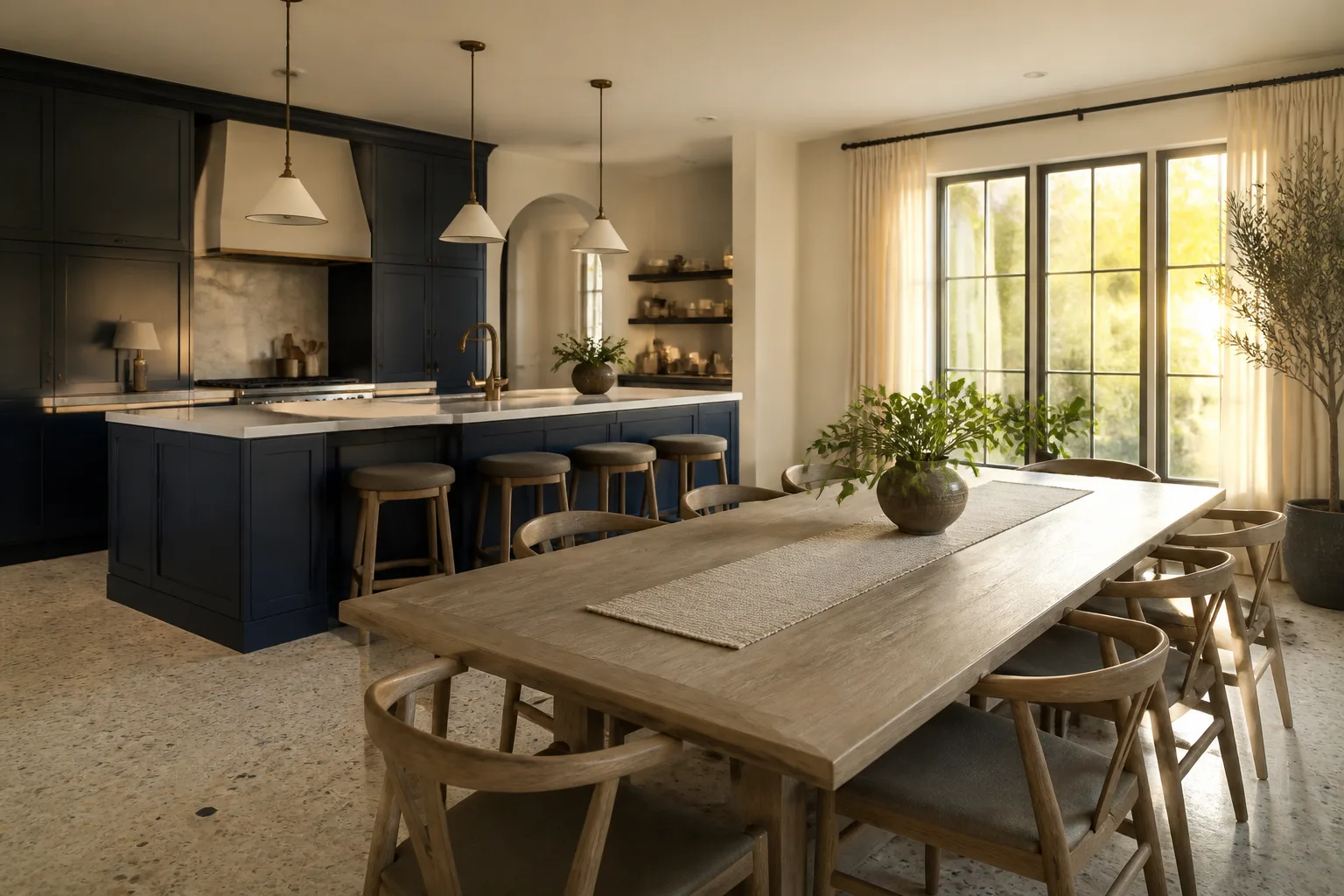
Silestone is made by Cosentino, and the line has shifted over the years. If your counters went in before roughly 2020, you most likely have a slab from the Classic or Series line: names like Blanco Zeus, Crema Minerva, or Negro Tebas. Newer kitchens tend to feature the Sunlit Days or Ethereal collections. The model name matters because Cosentino has retired colors before, and if your exact slab is discontinued, matching means finding a close visual equivalent rather than an identical sheet.
Here’s the compatibility gotcha most homeowners never hear about: Silestone changed the standard slab thickness options over time. Older installs are often 2cm (about 3/4 inch) with laminated edges to look thicker. Current production skews 3cm (about 1-1/4 inch), which changes the cabinet height math and the edge profile options. If you’re only replacing one section, thickness mismatch will drive you crazy. We check this on the first visit, every time.
For OEM versus aftermarket: Silestone doesn’t sell “parts” the way an appliance brand does. The surface itself is the product, fabricated by us or a partner shop. What matters is the edging profile (eased, beveled, ogee, mitered) and the color batch. We fabricate with current-generation Silestone sheets and describe edge profiles in plain language before cutting anything, so you know exactly how the lip will look and feel.
Styles & brands we work with
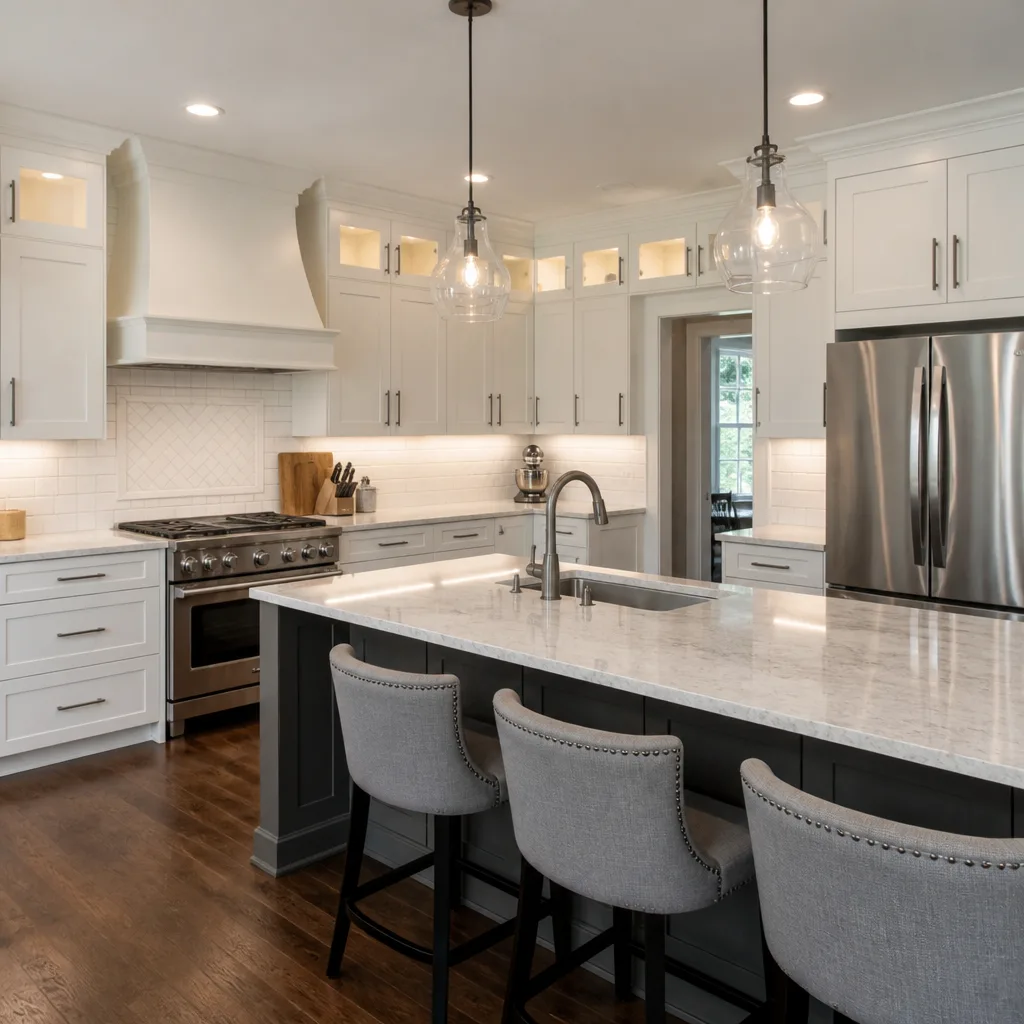
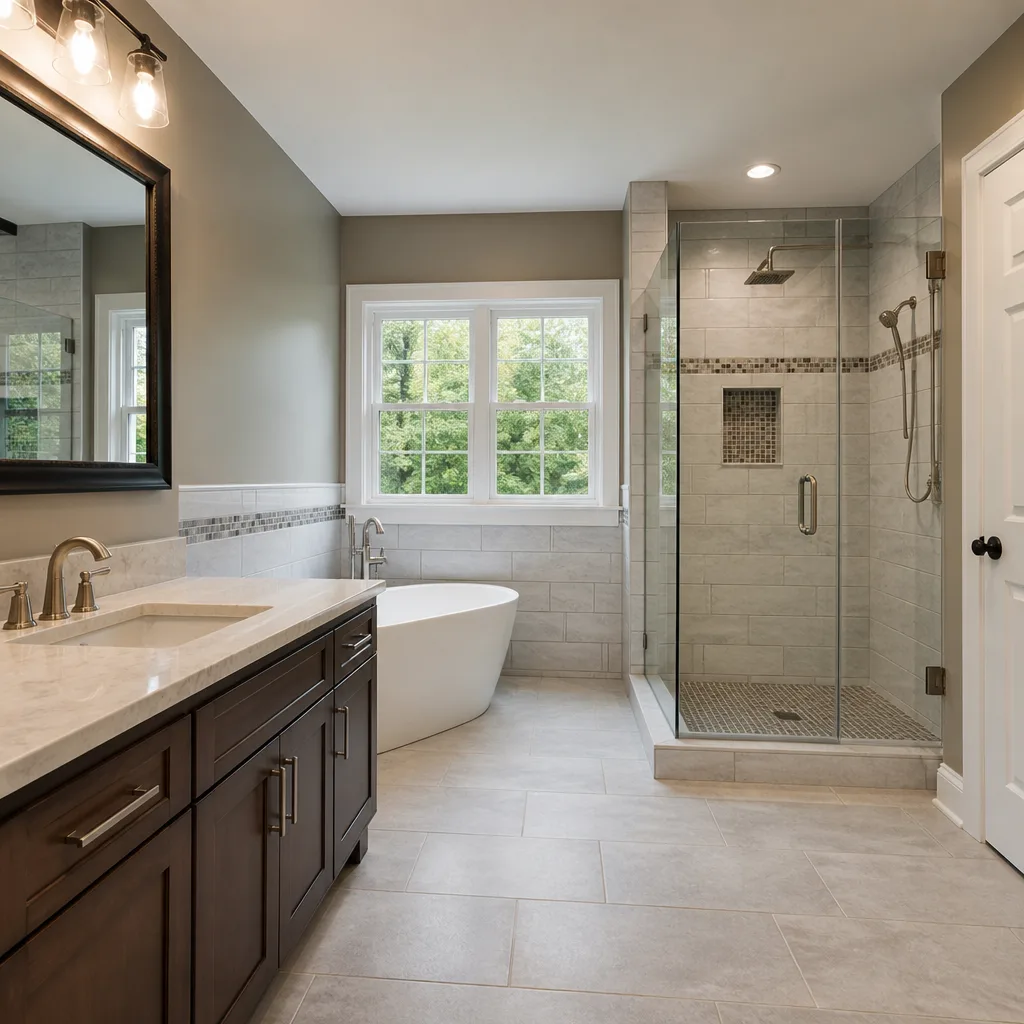
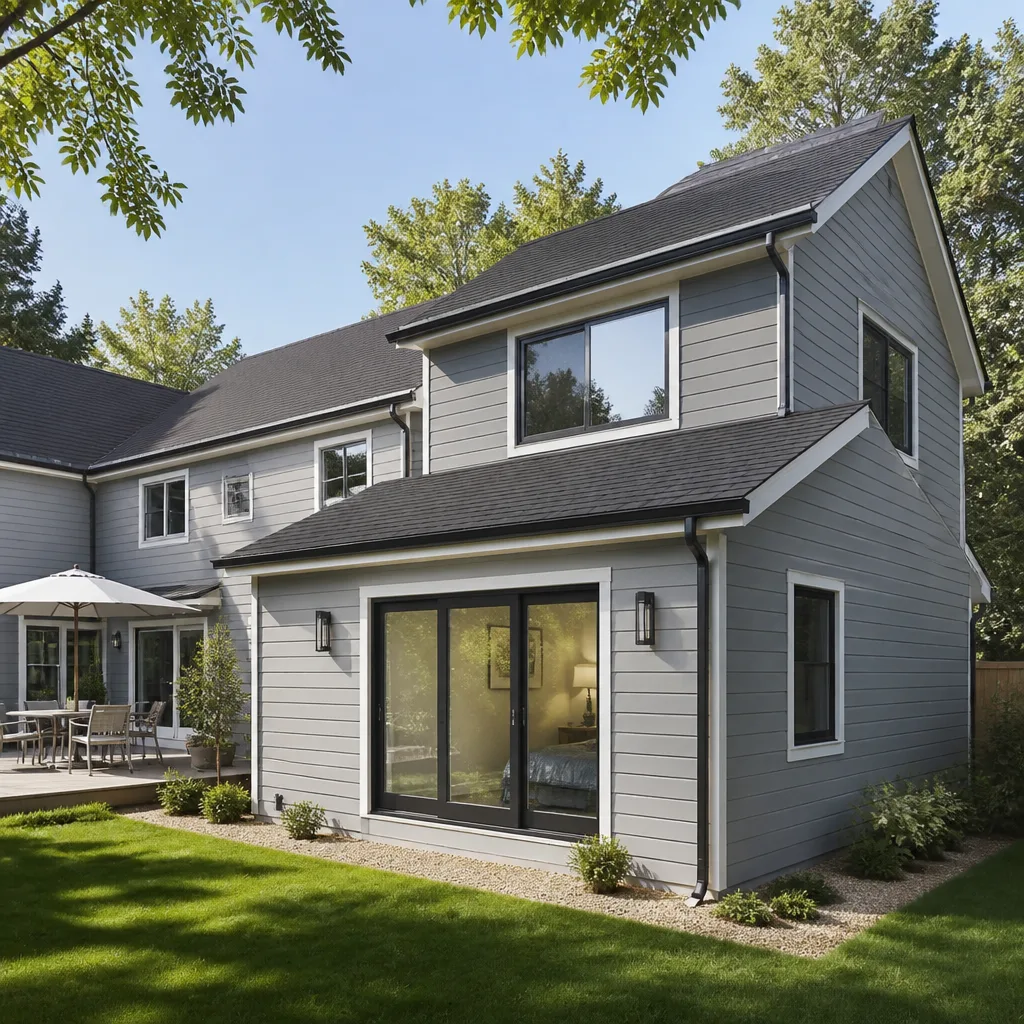
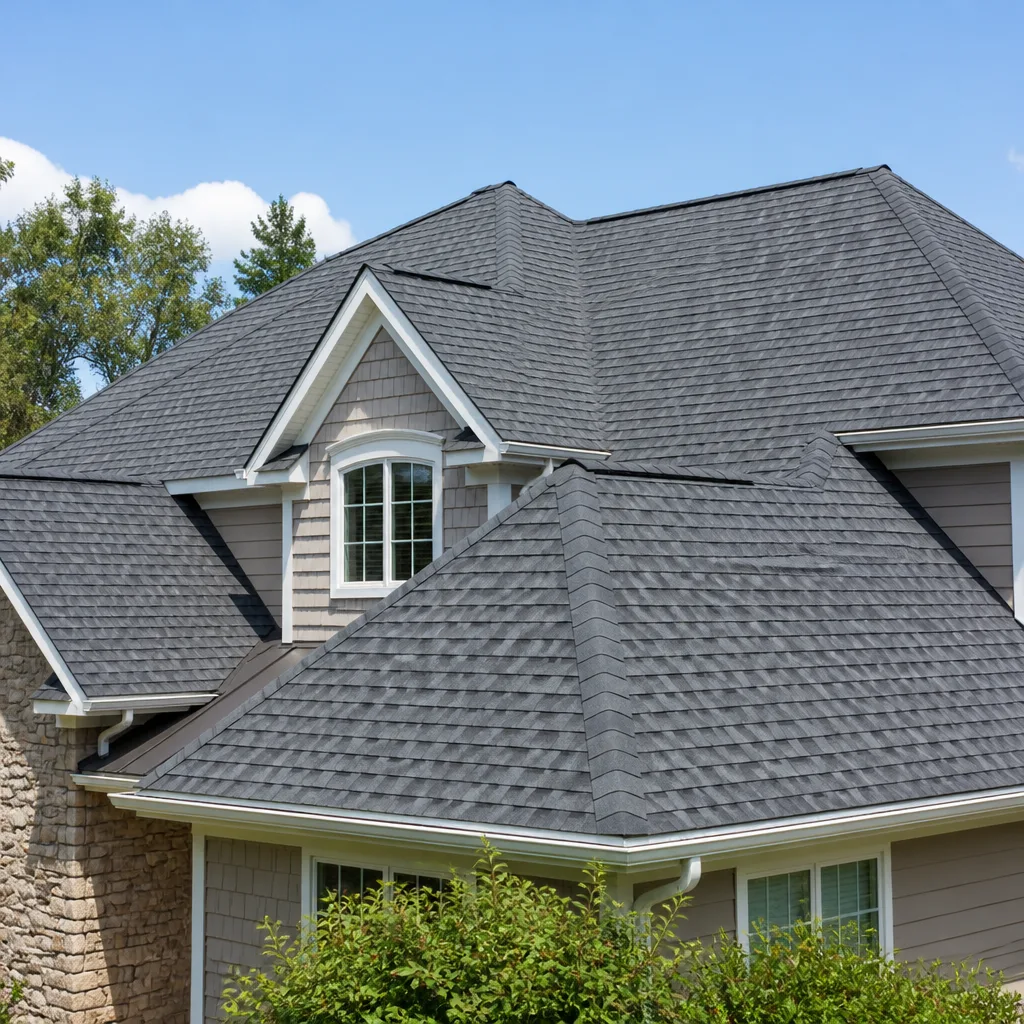
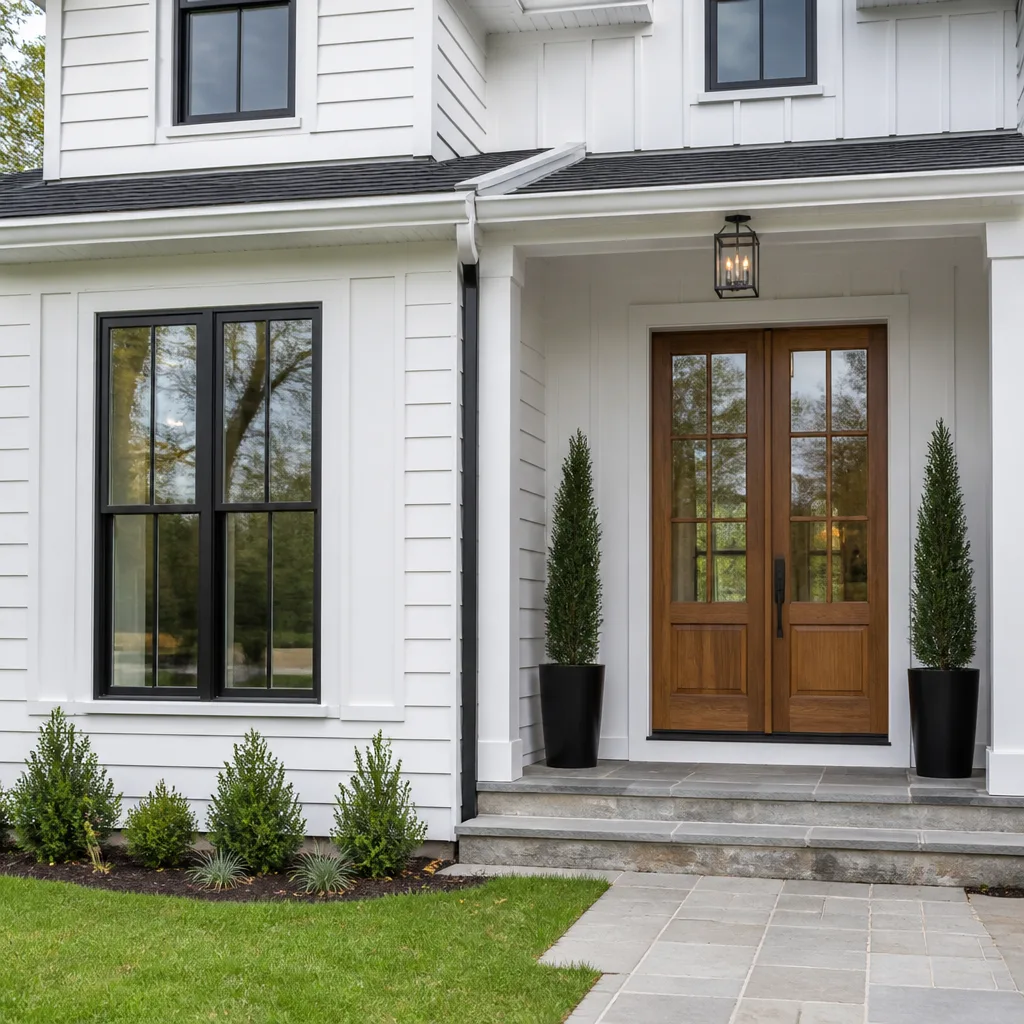
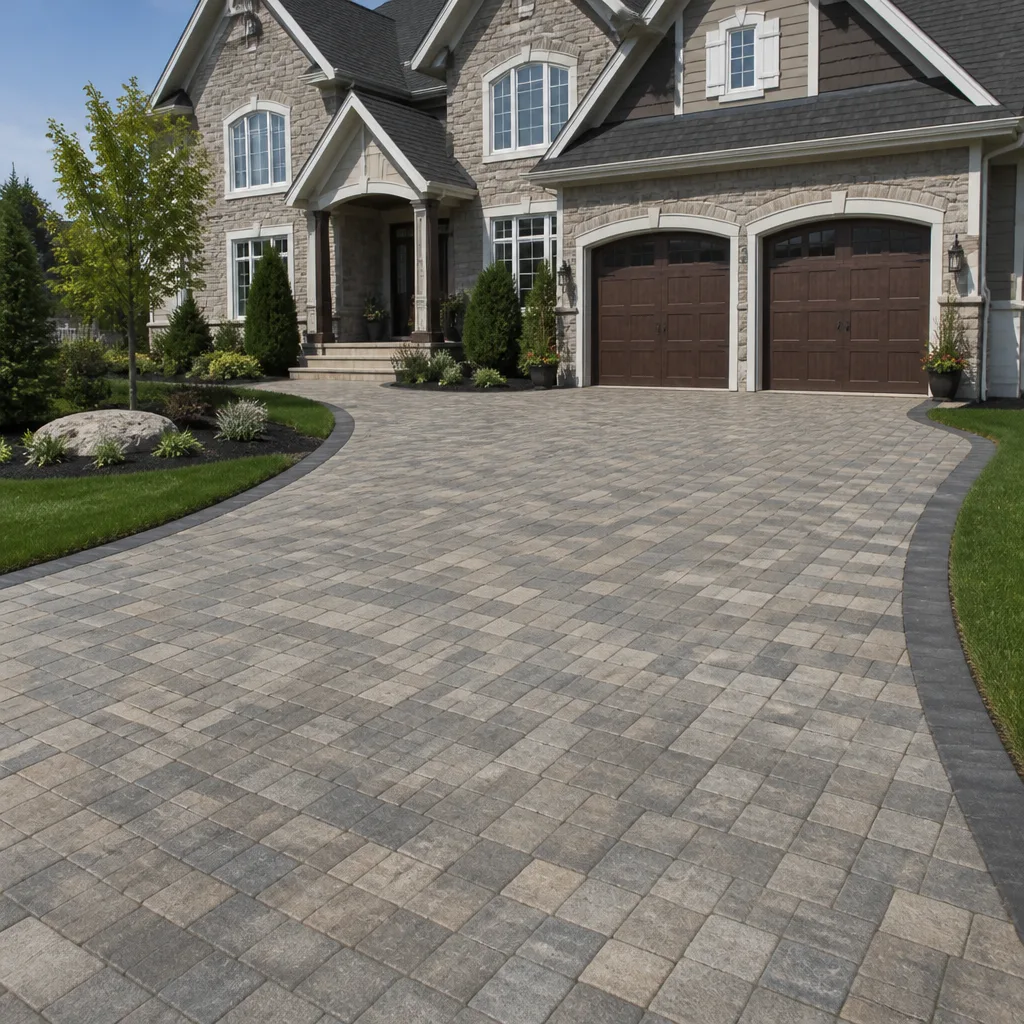
Signs Your Silestone Kitchen Remodeling Is Failing
- Seam separation at the sink or cooktop. The two slabs pull apart at the joint. Underlying cause is usually cabinet settlement or a failed shim, not the Silestone itself. Fixing the counter means fixing what’s underneath first.
- Chipped or nicked edge near a drawer or walkway. Quartz edges are strong in compression but vulnerable to point impacts. A dropped stockpot or a teenager’s backpack buckle catches the edge, and you lose a chunk.
- White or yellow discoloration near the range. That’s resin burn from direct heat. Silestone is not heatproof, despite what some showrooms imply, and a hot skillet set directly on the surface can scorch it permanently.
- Crack running from a corner cutout. The 90-degree inside corner at a sink cutout is the highest-stress point on any quartz slab. If the cut wasn’t radiused properly, a hairline crack can spread over months.
- Counter pulling away from the backsplash. The bead of caulk keeps failing because the counter itself has moved. This often points to a deeper structural issue with the cabinets below, especially in older Woodland Hills homes built on expansive soil.
See the difference
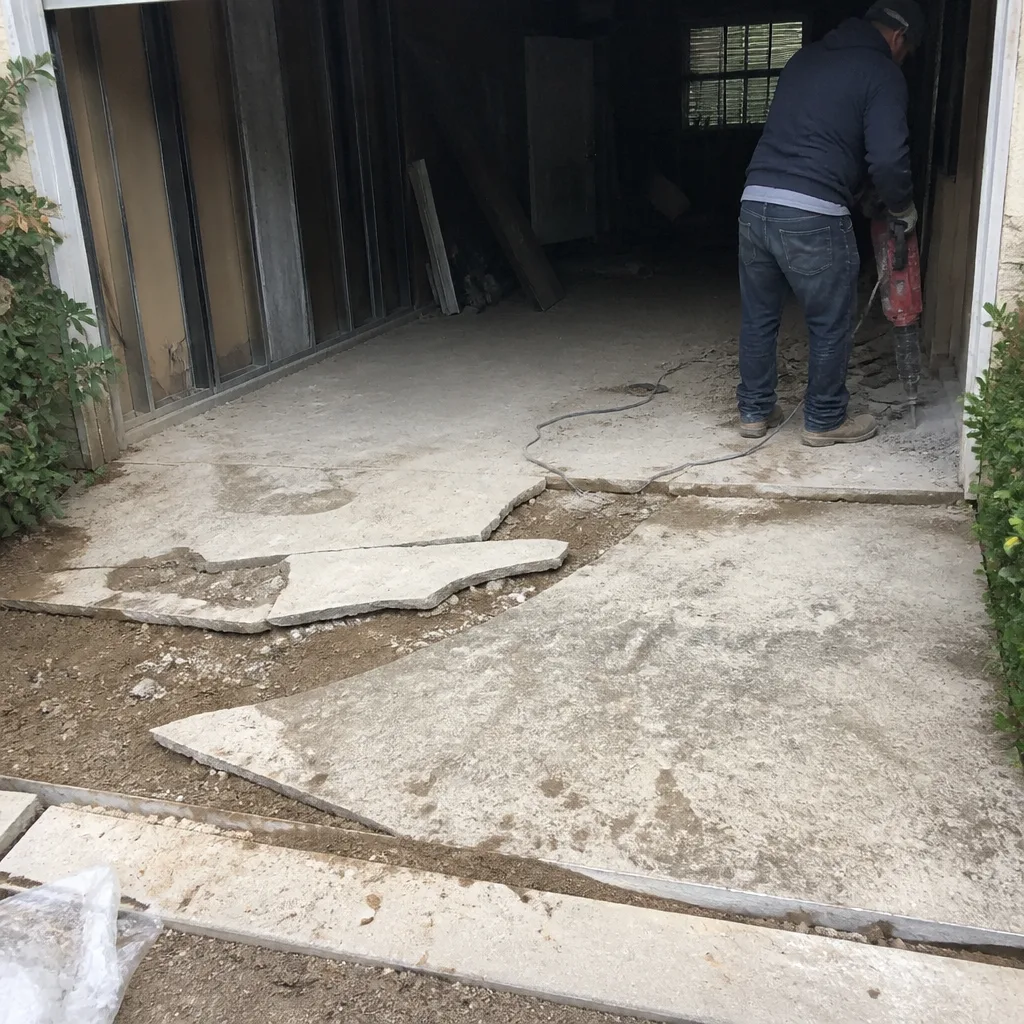 Before
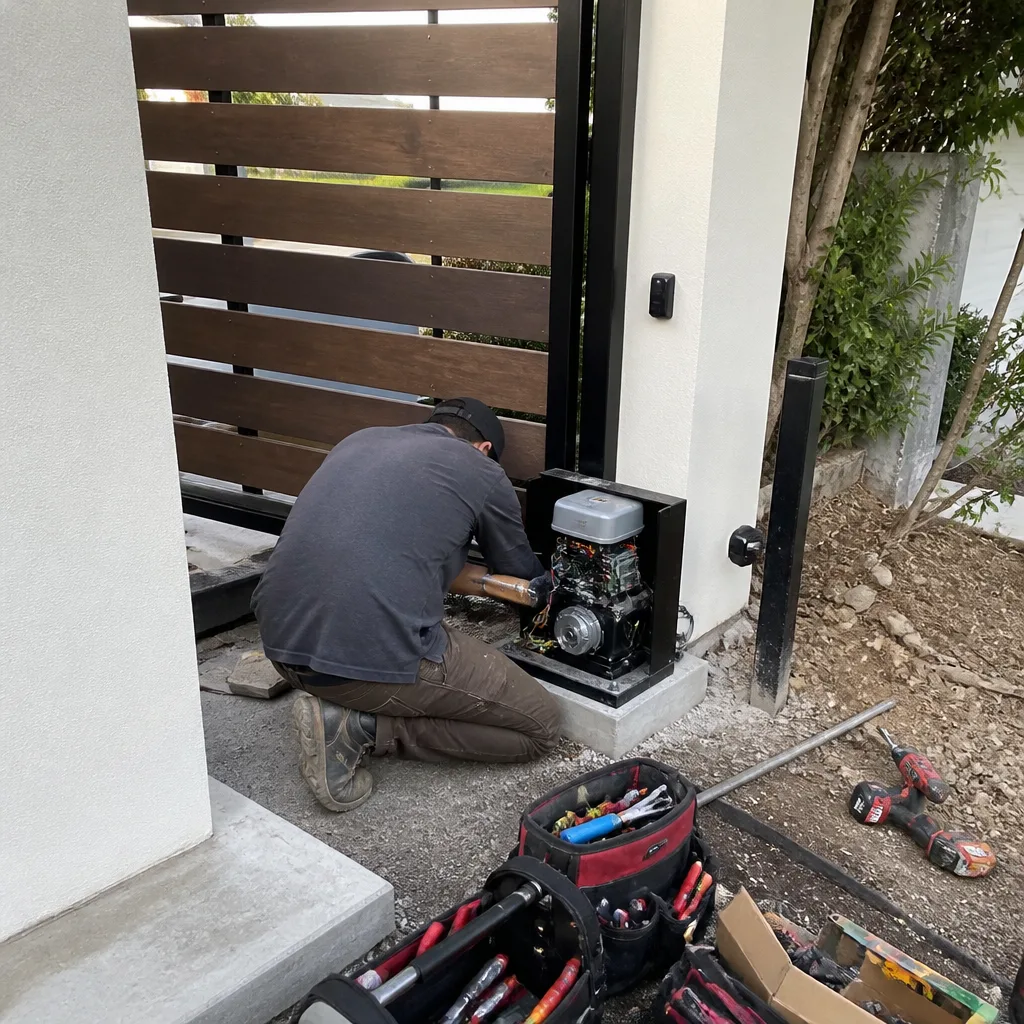 After
After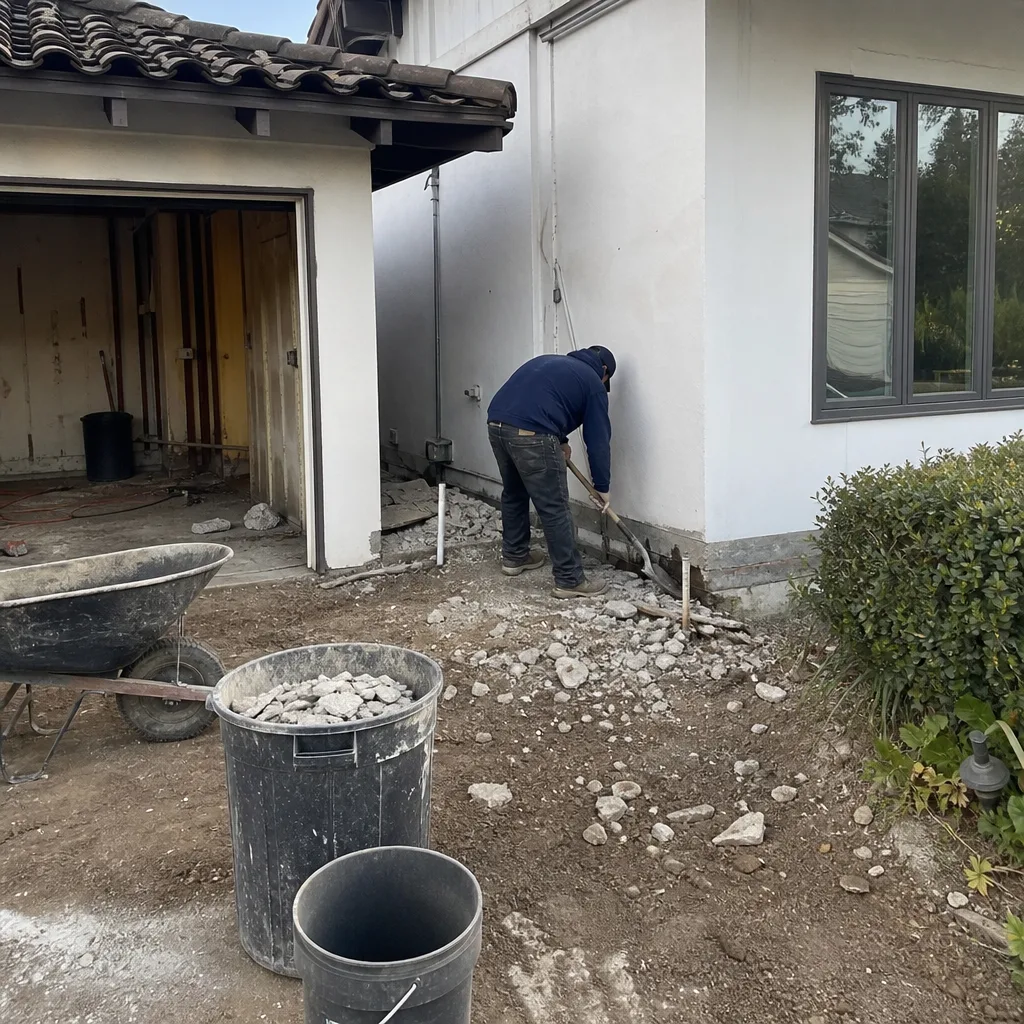 Before
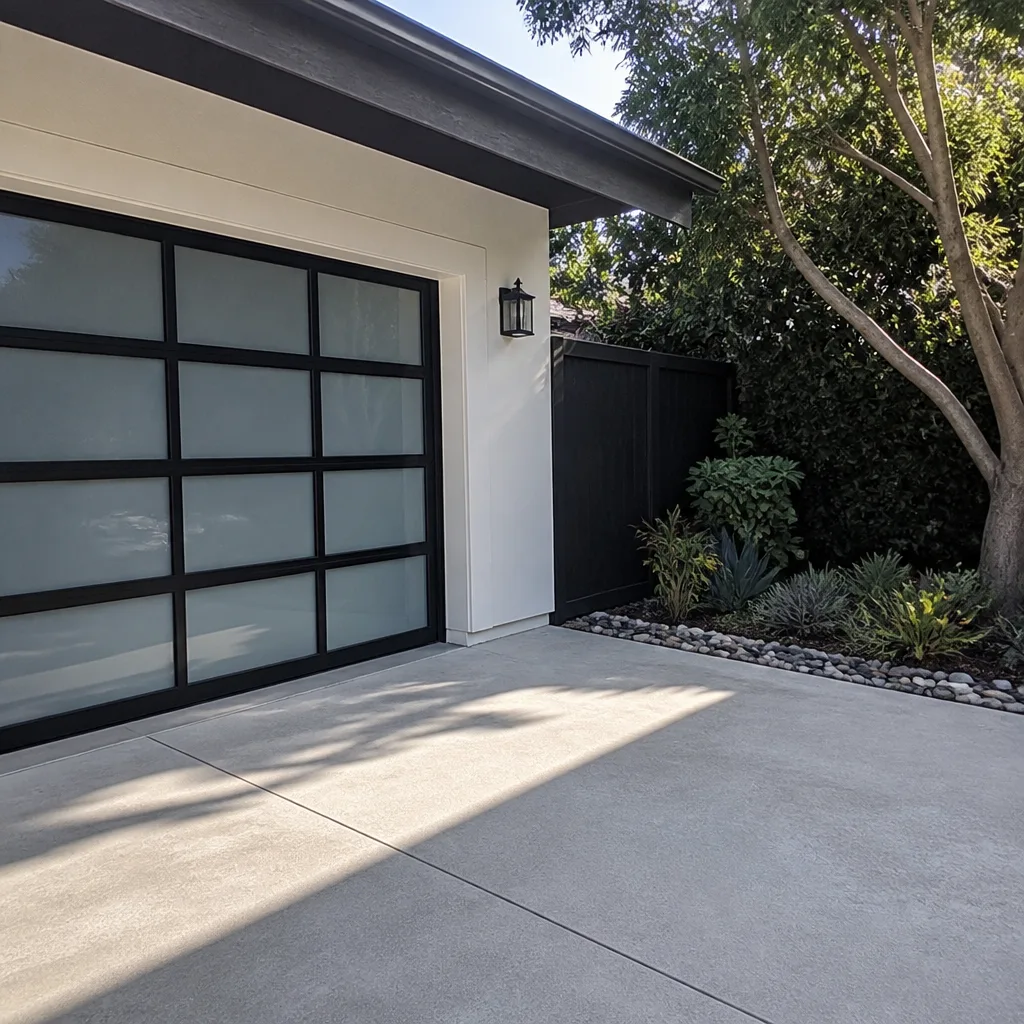 After
After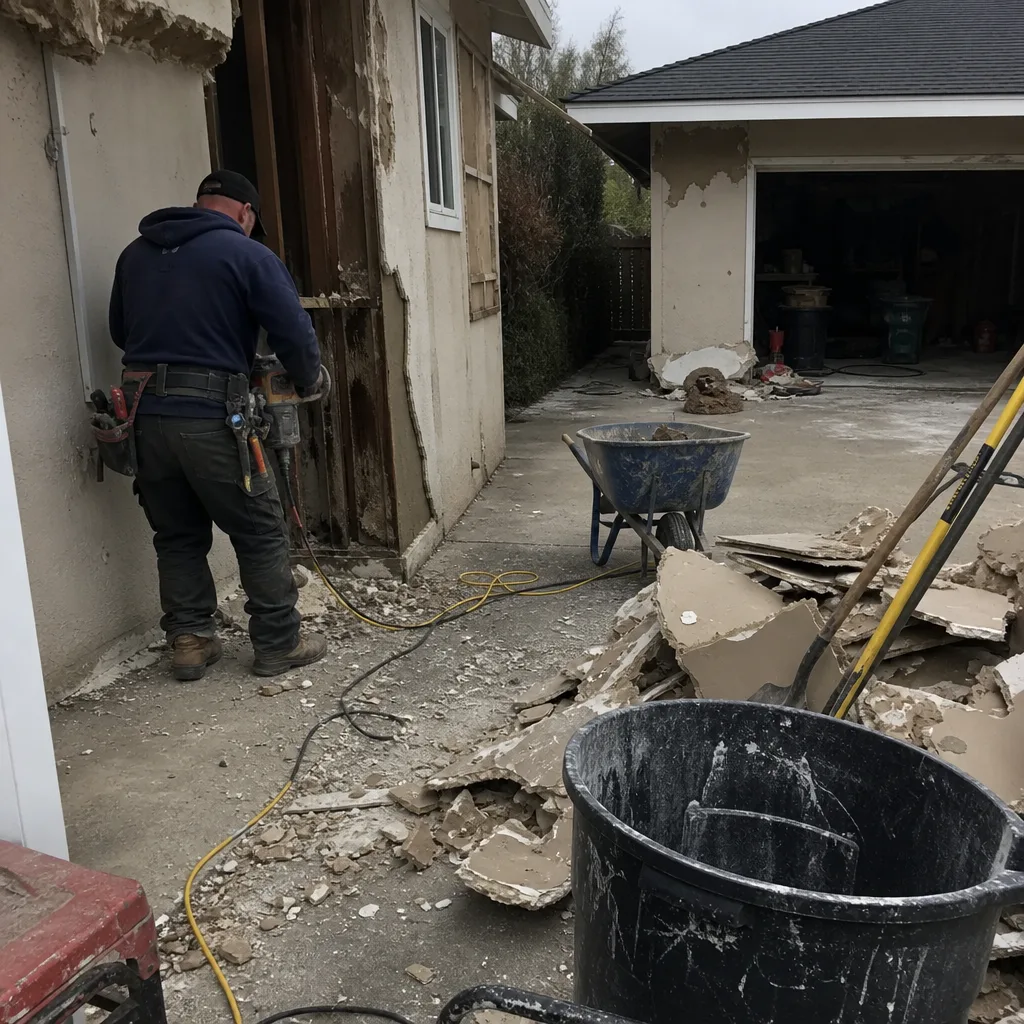 Before
 After
AfterReplacement Cost & What’s Included
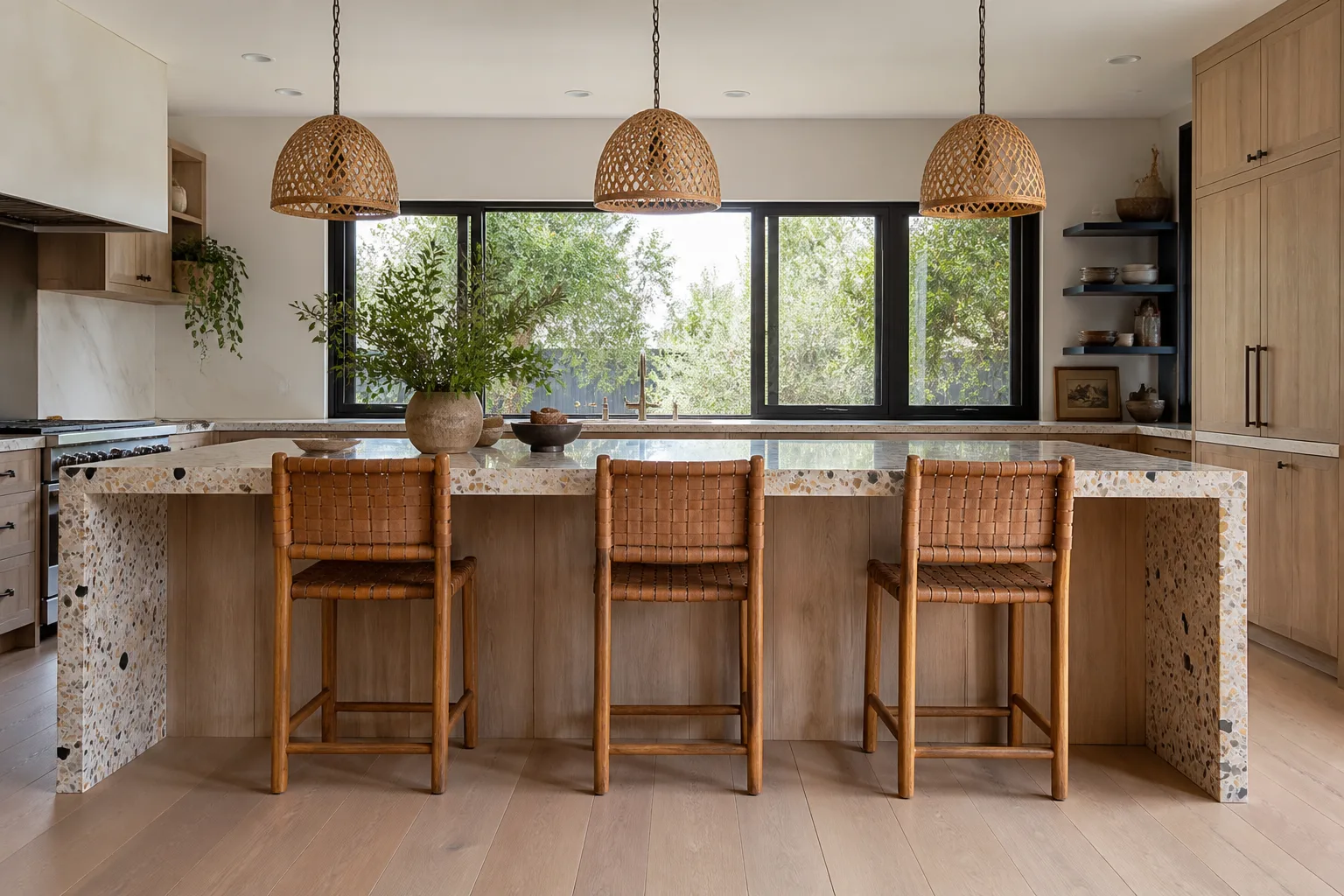
For a Silestone kitchen remodel in Woodland Hills, you’re looking at $14,000 to $45,000 all in. That range covers demolition of the old surface, new Silestone fabrication, delivery, installation, plumbing disconnect and reconnect, and haul-away. A smaller kitchen with a straightforward single-slab layout lands near the bottom. A large kitchen with an island, a farmhouse sink, and mitered edges on every visible lip climbs toward the top.
What drives the number higher: complex cutouts, waterfall edges, multiple seams, wall-to-wall slab layouts, and any cabinet or plumbing repair we uncover when the old counters come out. We give written pricing before any work starts, always. Line items, not ballpark handshakes. The Silestone itself carries the manufacturer’s 25-year warranty; our installation work is covered by the 365-Day Done Right Promise. If something isn’t right within a year of completion, we fix it at no cost to you.
DIY or Call Us?
You can safely do the diagnosis: check whether the crack runs through a corner cutout, look under the sink for cabinet movement, and slide a dollar bill under the slab to see if it’s separated from the cabinet deck. What you shouldn’t do is attempt to remove or lift a Silestone slab yourself. A full-size quartz countertop weighs 20 to 30 pounds per square foot. A 30-square-foot island slab weighs over 600 pounds. The DIY risk isn’t just breaking a $3,000 slab; it’s crushing a hand, a foot, or a helper.
There’s also the silica dust problem. Cutting quartz releases crystalline silica, which is a serious respiratory hazard without proper water suppression and filtration. Our crew uses wet-cutting equipment and sealed respiratory protection, not a shop vac with a bandana. If you’ve got a seam that split, call us at (831) 290-6866. Tell me what you need done. I’ll tell you what it takes and what it costs. Then we get to work.
FAQs
Silestone typically lasts 15 to 25 years in a residential kitchen, but our experience in Woodland Hills shows that heat exposure near cooktops and direct sunlight from west-facing windows shortens the resin’s useful life. Quartz doesn’t fade the way laminate does, but the binder can become brittle with repeated thermal cycling. A well-maintained slab in a shaded kitchen can easily outlast the cabinets underneath it.
Small chips can sometimes be filled with color-matched epoxy, but a structural crack through a slab cannot be reliably repaired and should be replaced, especially if it’s near a cutout or seam. The repair might look fine for a year and then fail again. If you want an honest recommendation, we’ll tell you whether a repair will hold or whether you’re throwing money at a slab that’s already given up.
A full Silestone kitchen remodel typically takes 2 to 4 weeks from demolition to final walkthrough. Fabrication alone usually runs 7 to 10 days after we template the space, and the cabinets underneath need to be solid before installation. A counter-only replacement on a small kitchen can sometimes be done in under a week. Call (831) 290-6866 for a timeline based on your actual kitchen, not a brochure estimate.
We order directly from Cosentino distribution as a specification-grade partner, which means we can pull current Silestone collections including Sunlit Days, Ethereal, and the Classic line where still available. We also work with Cambria and Caesarstone when a client wants to compare quartz options, and we stock finishes from KraftMaid, Kohler, and other trade partners so you’re not coordinating four different vendors on your own.
Written by Isaac Pruett, Owner, Mason Remodeling Co – Woodland Hills, CA at Mason Remodeling Co Woodland Hills, serving Woodland Hills and nearby areas.