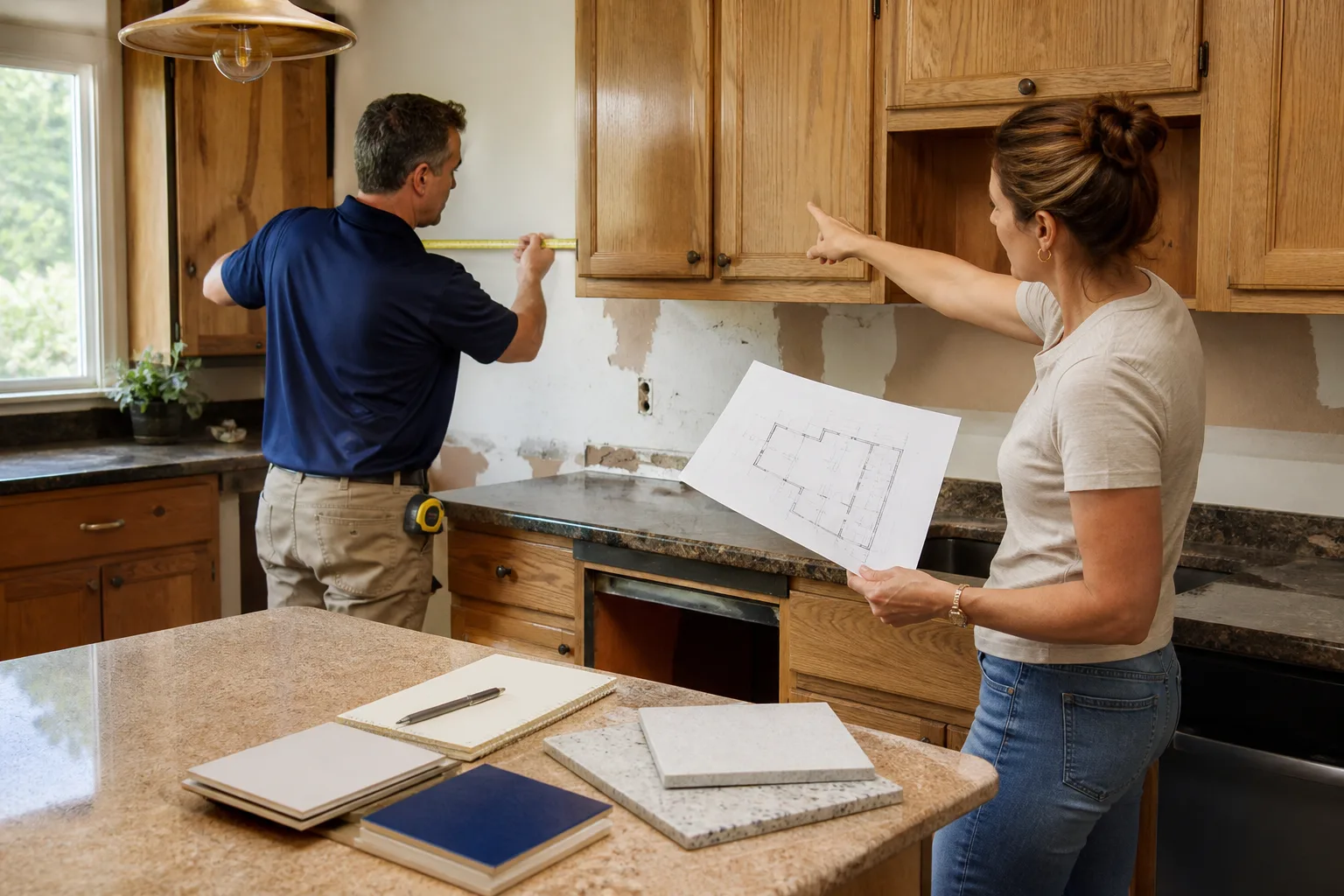
Free written scope consultation - allowances, timeline, and change-order rules on paper before a single trade is scheduled
Sakrete Home Additions & ADU: The Woodland Hills Owner’s Guide
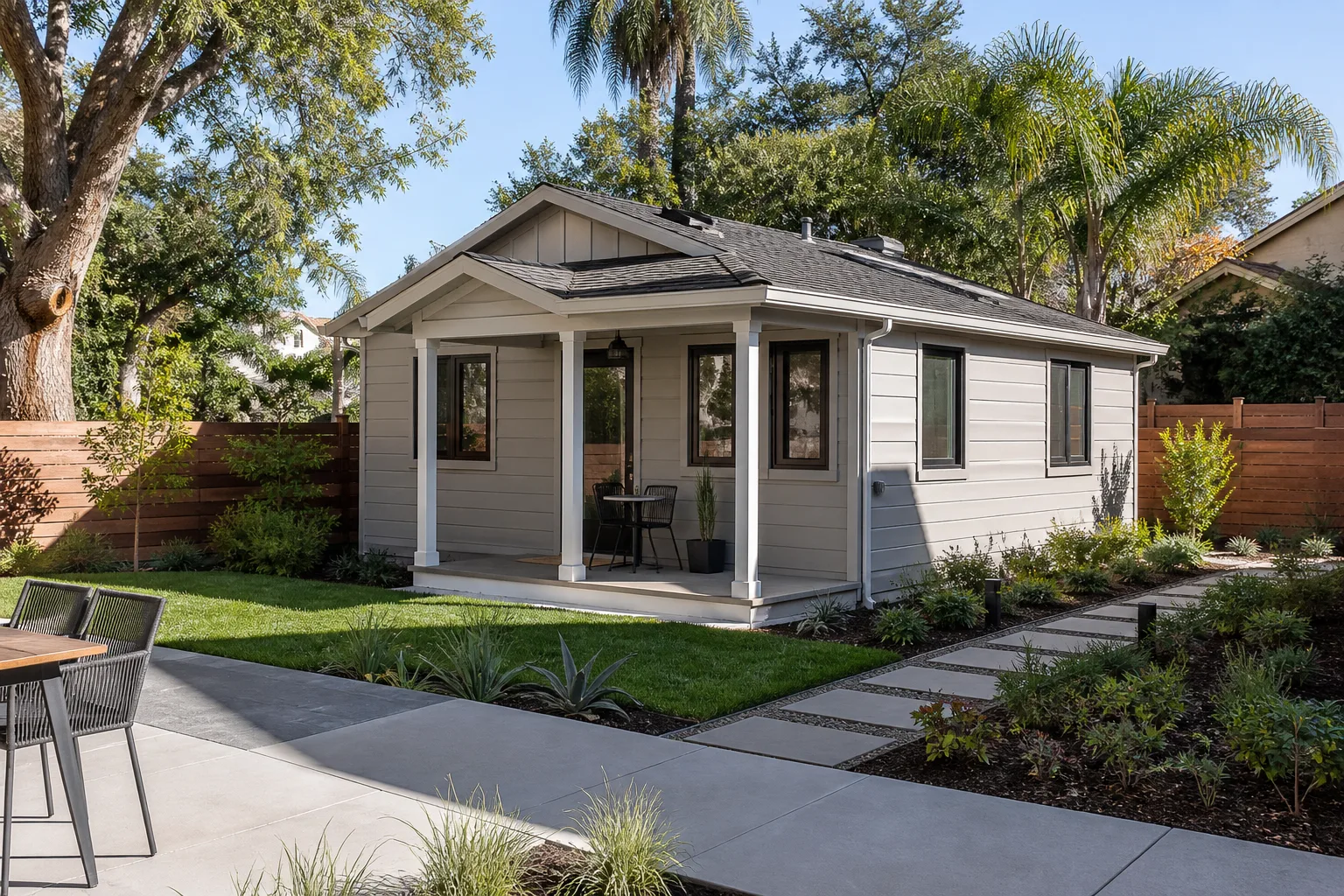
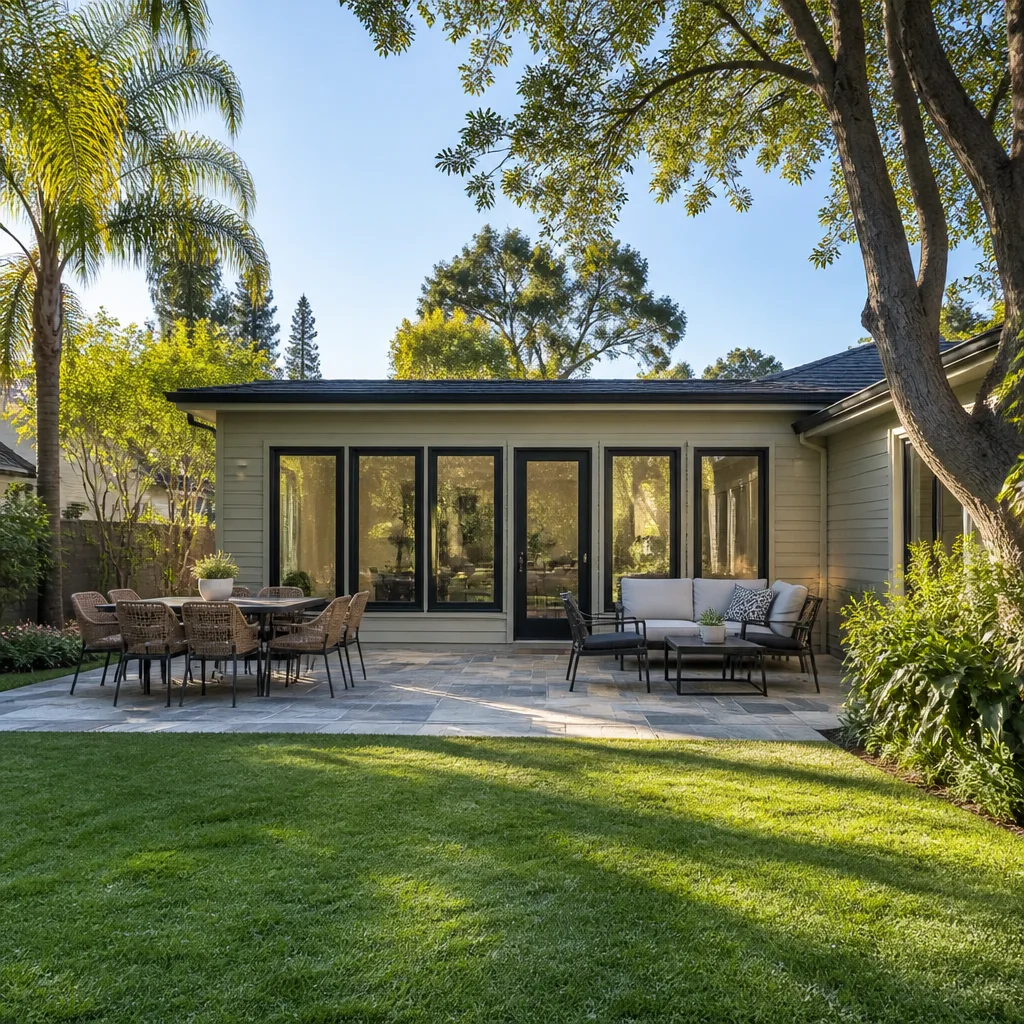
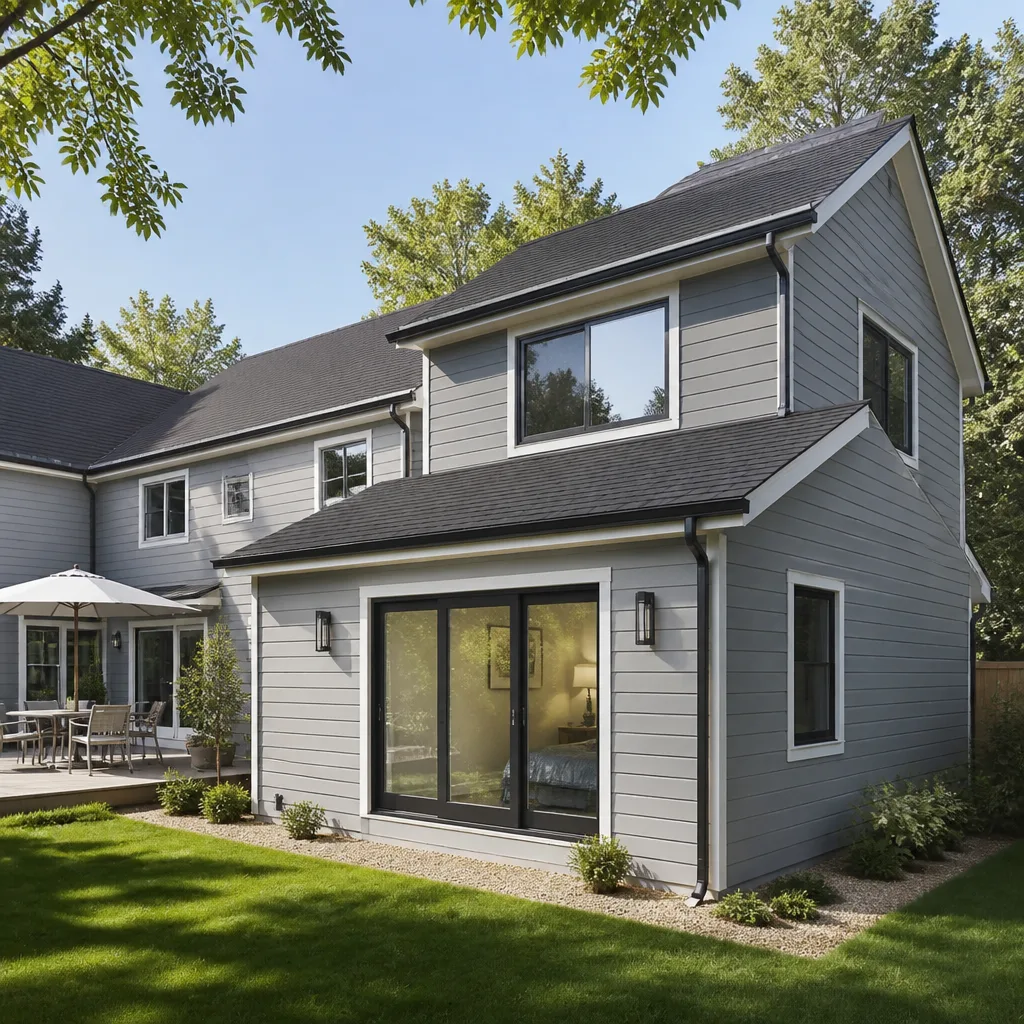
If you’re planning a home addition or ADU in Woodland Hills and want to build it on a Sakrete foundation, Mason Remodeling Co Woodland Hills handles the full project from concrete work to finish carpentry. A typical Sakrete-based addition in this area runs $45,000–$130,000, while an ADU usually lands between $90,000 and $220,000 depending on size, site prep, and finish level. Most homeowners reach out because their existing foundation or slab is failing, or because they’ve already bought Sakrete products and need a contractor who knows how to use them correctly on a Woodland Hills hillside lot.
What we see most often: someone pours a small slab themselves with a Sakrete mix, then realizes the grading, rebar spec, or curing process wasn’t right for our clay-heavy soil. By the time they call, they’re dealing with cracks that run deeper than cosmetic, or a slab that’s settled unevenly and started pulling at the framing above it. We fix that, and we also build from scratch so it doesn’t happen again.
Which Sakrete Models This Applies To
This isn’t really about a “model” the way a dishwasher has a model number. Sakrete makes bagged concrete and mortar products, and the version that matters for additions and ADUs in Woodland Hills falls into a few specific product lines. For slabs and footings, you’re typically looking at Sakrete High-Strength Concrete Mix (4000 psi, good for load-bearing slabs), Sakrete 5000 Plus (5000 psi, which we prefer for ADU foundations on sloped lots), or Sakrete Fast-Setting Concrete for fence posts and small pads. For block walls and stem walls, Sakrete Type S Mortar Mix is the standard, and Sakrete Sand Mix gets used under shower pans, pre-slopes, and thin topping applications inside the addition.
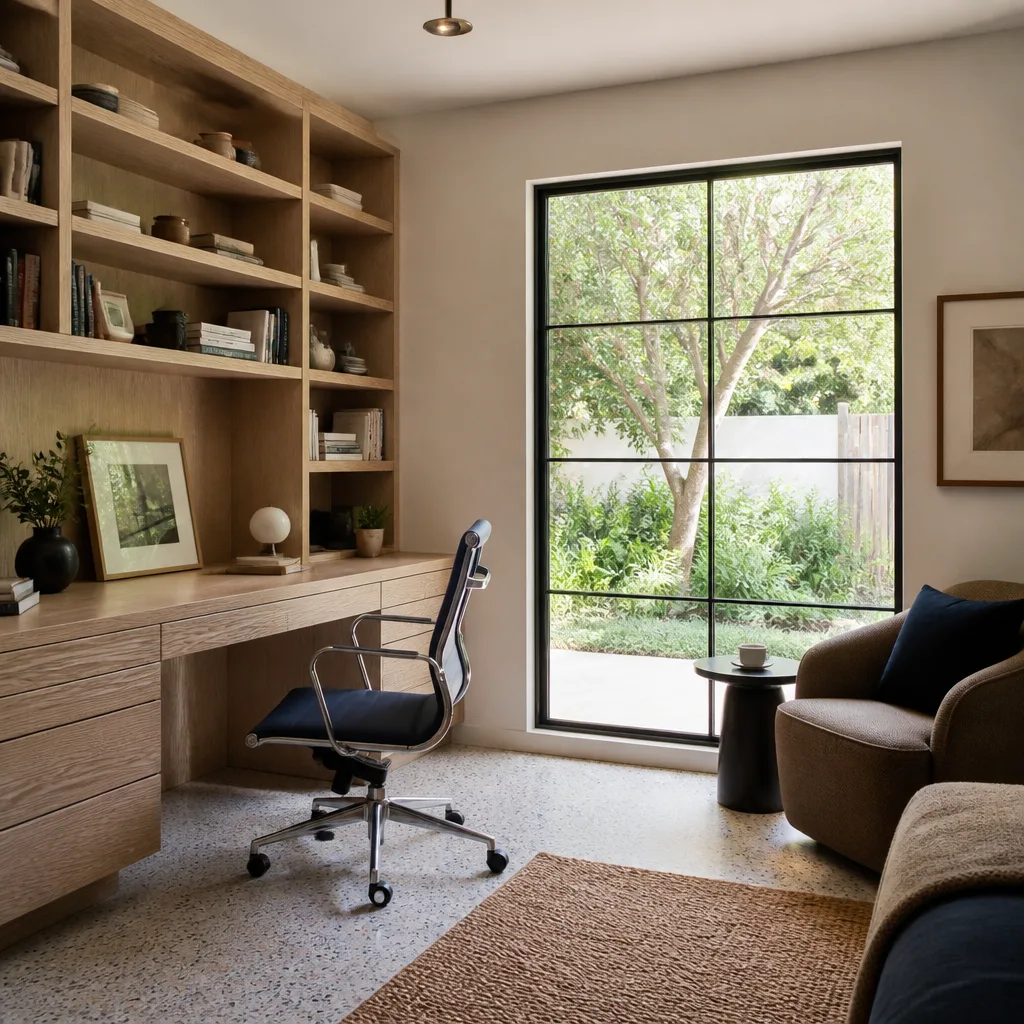
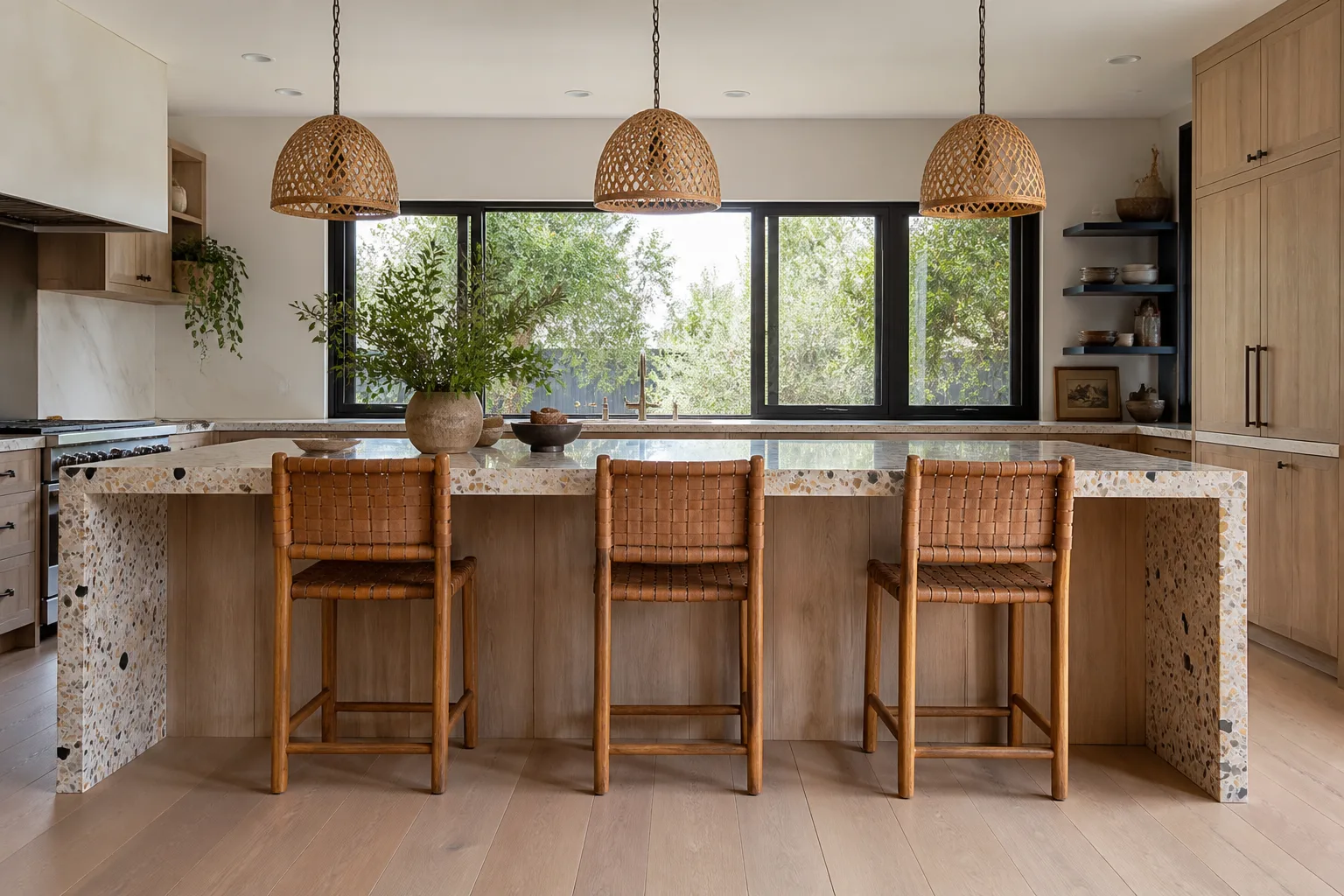
The compatibility gotcha most homeowners miss: Sakrete High-Strength and 5000 Plus are not interchangeable with each other for structural work. The 5000 Plus uses a different aggregate blend and sets with more heat. If you pour it in direct summer sun in Woodland Hills without a curing compound or wet burlap, you’ll get surface spalling within two years. We also mix Sakrete products with the right water ratios on site rather than trusting bag instructions blindly, because our local tap water mineral content changes how the mix cures. On the OEM-versus-aftermarket question: for concrete, Sakrete is the standard. There are cheaper bagged mixes at big-box stores, and we’ve torn out enough failed slabs to know the $4 you save per bag isn’t worth a cracked ADU foundation. We also stock parts and finishes from KraftMaid, Cambria, and Silestone for the interior work once the concrete is set.
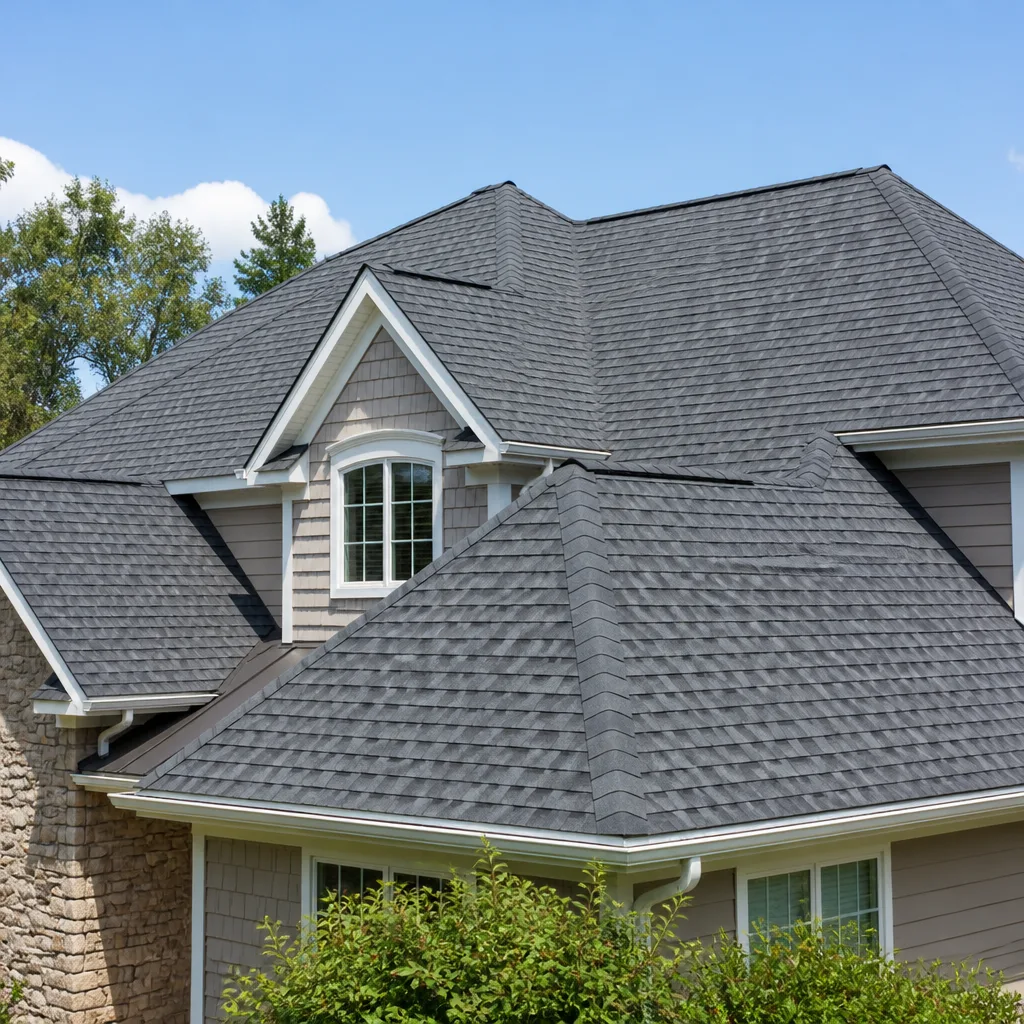
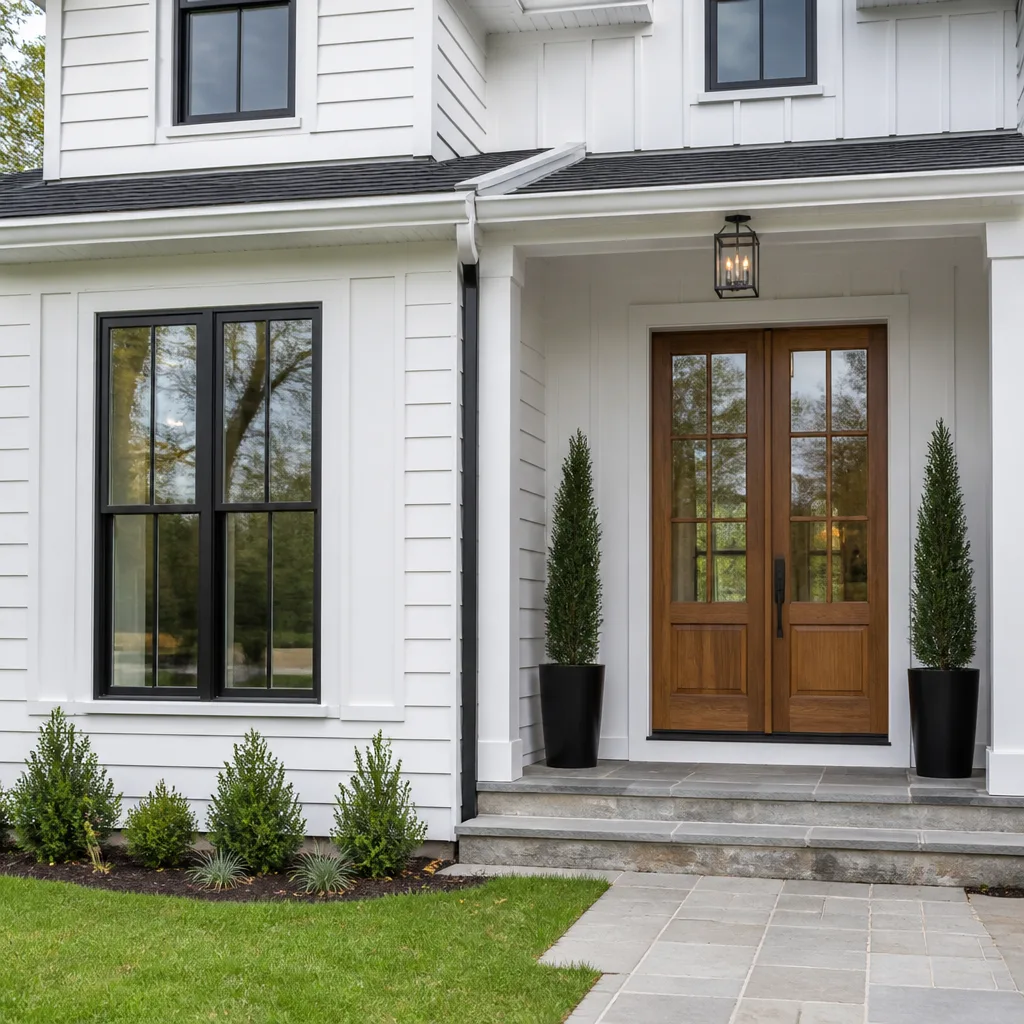
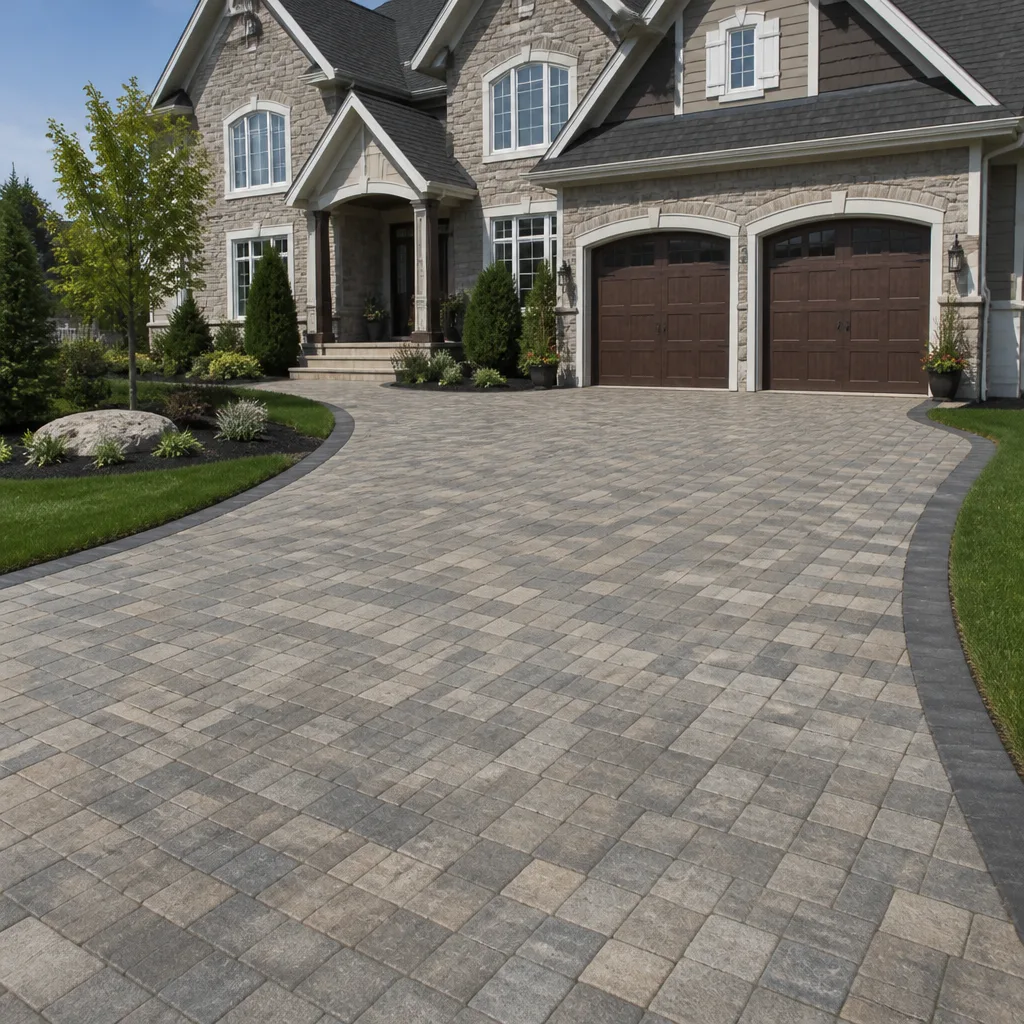
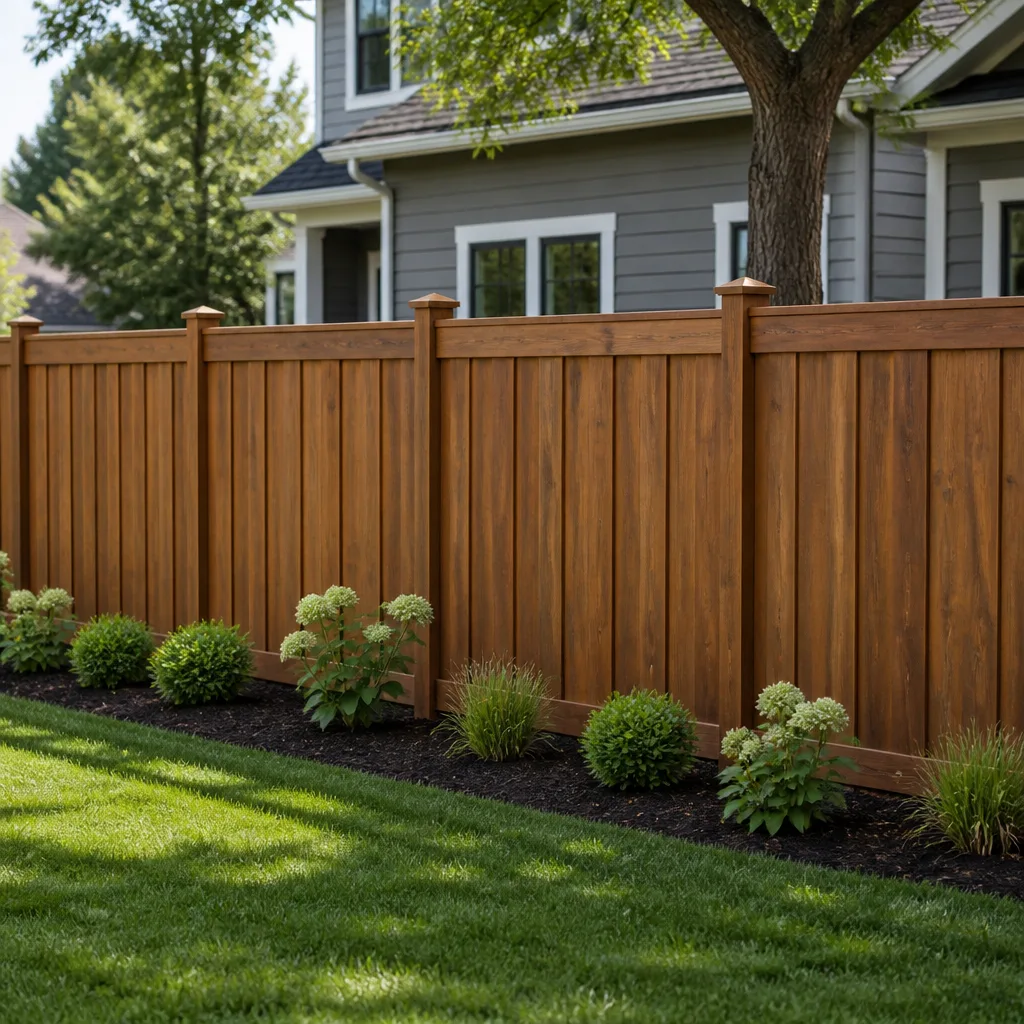
Styles & brands we work with
Signs Your Sakrete Foundation or Slab Is Failing
- Cracks wider than 1/8 inch that keep growing. Hairline cracks are normal concrete behavior. Cracks that a quarter can drop into, especially if they appear in a stair-step pattern along block walls, usually mean soil movement or insufficient rebar. In Woodland Hills, the clay soil expands and contracts with our wet winters and dry summers, and that cycle finds every weak point in a slab.
- Doors and windows inside the addition start sticking or won’t latch. When a slab settles unevenly, the framing shifts with it. You’ll notice it first at interior doors, where the gap at the top changes from one side to the other. That’s not a hinge problem; it’s the floor moving under you.
- Water pools near the slab edge after rain. If the concrete doesn’t slope away from the structure, or if the original pour didn’t include a proper gravel base, moisture works into the concrete and erodes the soil beneath it. Around Warner Center and the older parts of Woodland Hills, we regularly find slabs poured in the 1970s sitting directly on clay with no vapor barrier at all.
- Efflorescence or white chalky residue on block walls. That’s salt and minerals being pushed through the concrete by water. It tells you moisture is moving through the wall, which over years degrades the mortar joints and the block itself.
- You can feel the floor bounce or hear a hollow sound when you tap it. Hollow spots mean the concrete has separated from the base underneath. That’s not a repair-and-move-on situation; that slab section has failed and needs to be cut out, re-compacted, and re-poured.
Replacement Cost & What’s Included
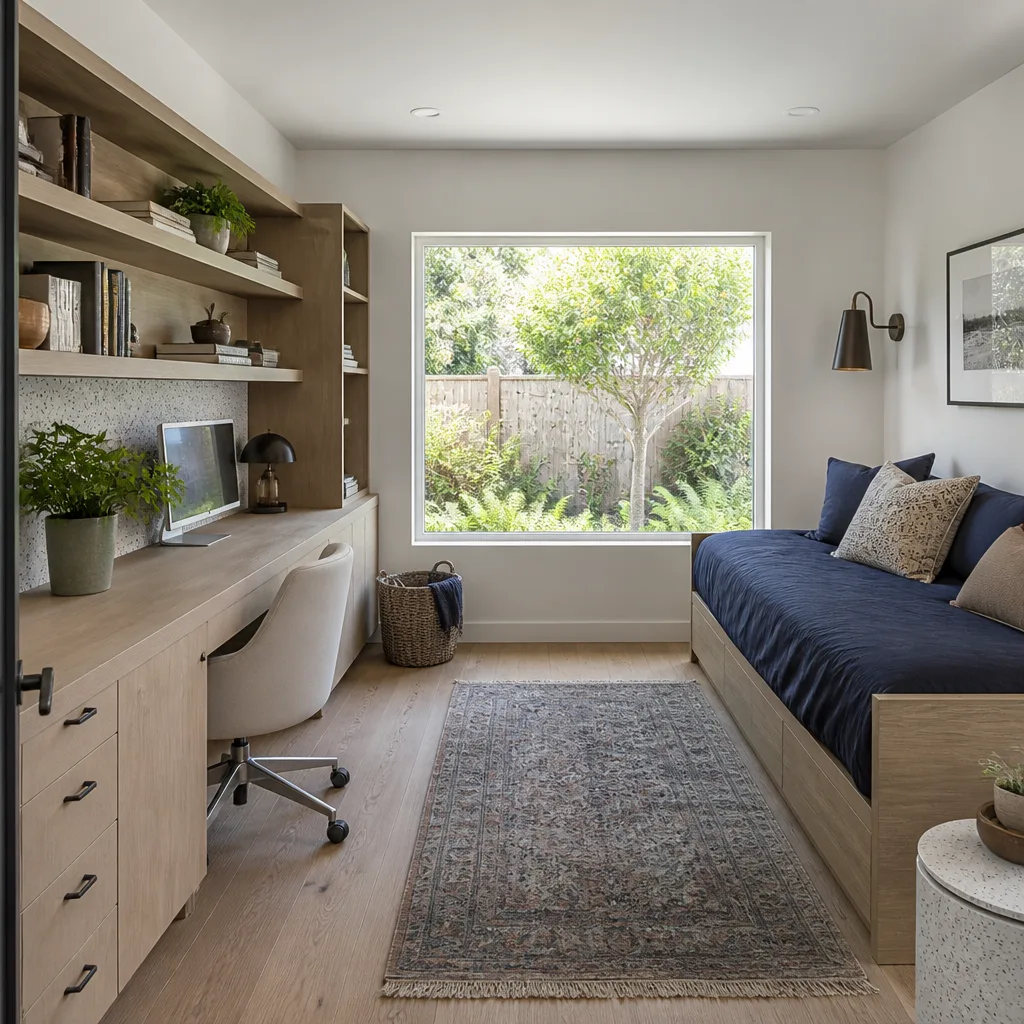
For a Sakrete-based home addition in Woodland Hills, plan on $45,000 to $130,000 all-in. That range covers excavation, form work, rebar, Sakrete materials, pouring and finishing, framing, roofing, electrical, plumbing, drywall, and finish surfaces like flooring and paint. An ADU runs higher, $90,000 to $220,000, because it’s effectively a small complete home with its own kitchen, bath, and separate utility connections.
What moves the price: the size of the footprint, whether the lot is flat or sloped (hillside work in Woodland Hills means deeper footings and sometimes retaining walls), soil condition, and how far the plumbing and electrical need to run from the main house. Every project gets a written price before any work starts, a line-item breakdown so you can see exactly what the Sakrete materials cost versus the labor, and our 365-Day Done Right Promise: if anything isn’t right within a year of completion, we fix it at no cost to you.
We don’t do change orders for surprises we should have caught during the estimate walkthrough. If we find something unexpected behind a wall or under the existing slab, we stop, show you what we found, and put the revised price in writing before we touch it.
See the difference
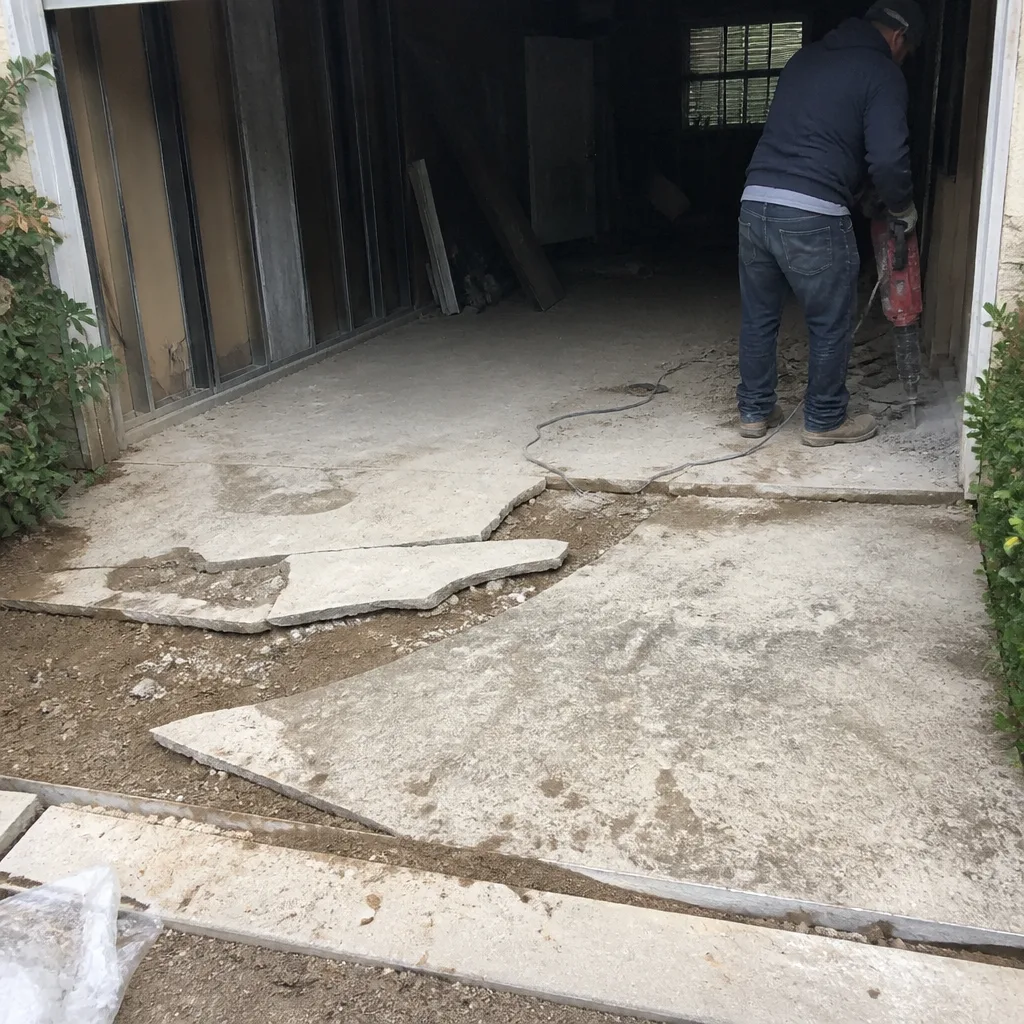 Before
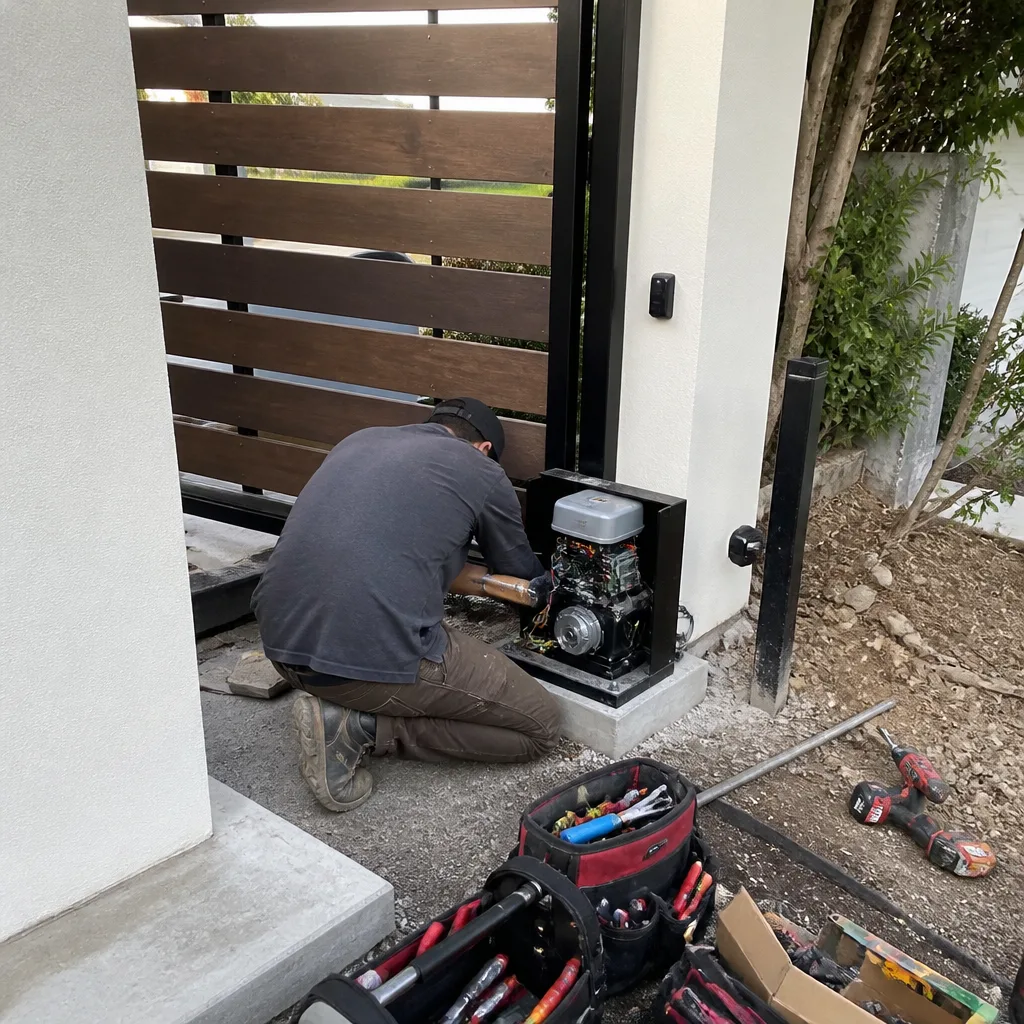 After
After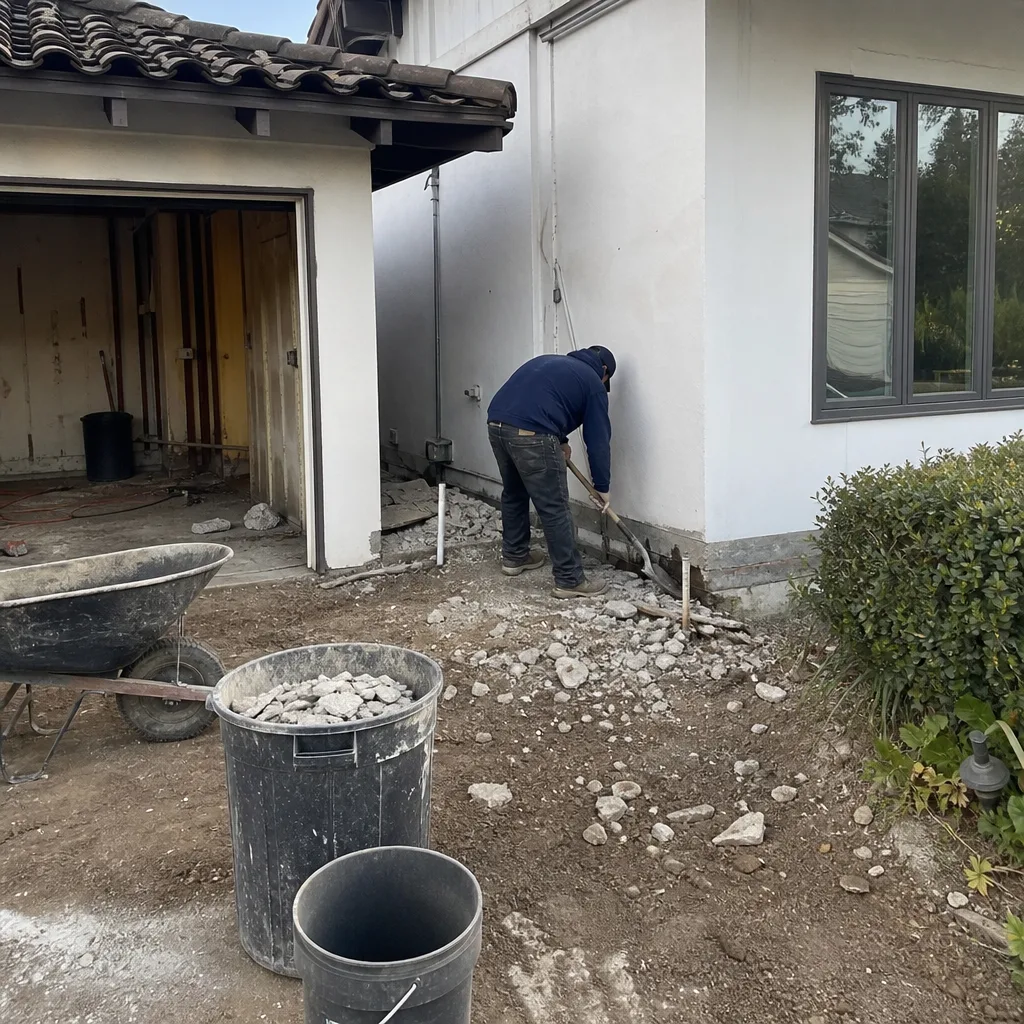 Before
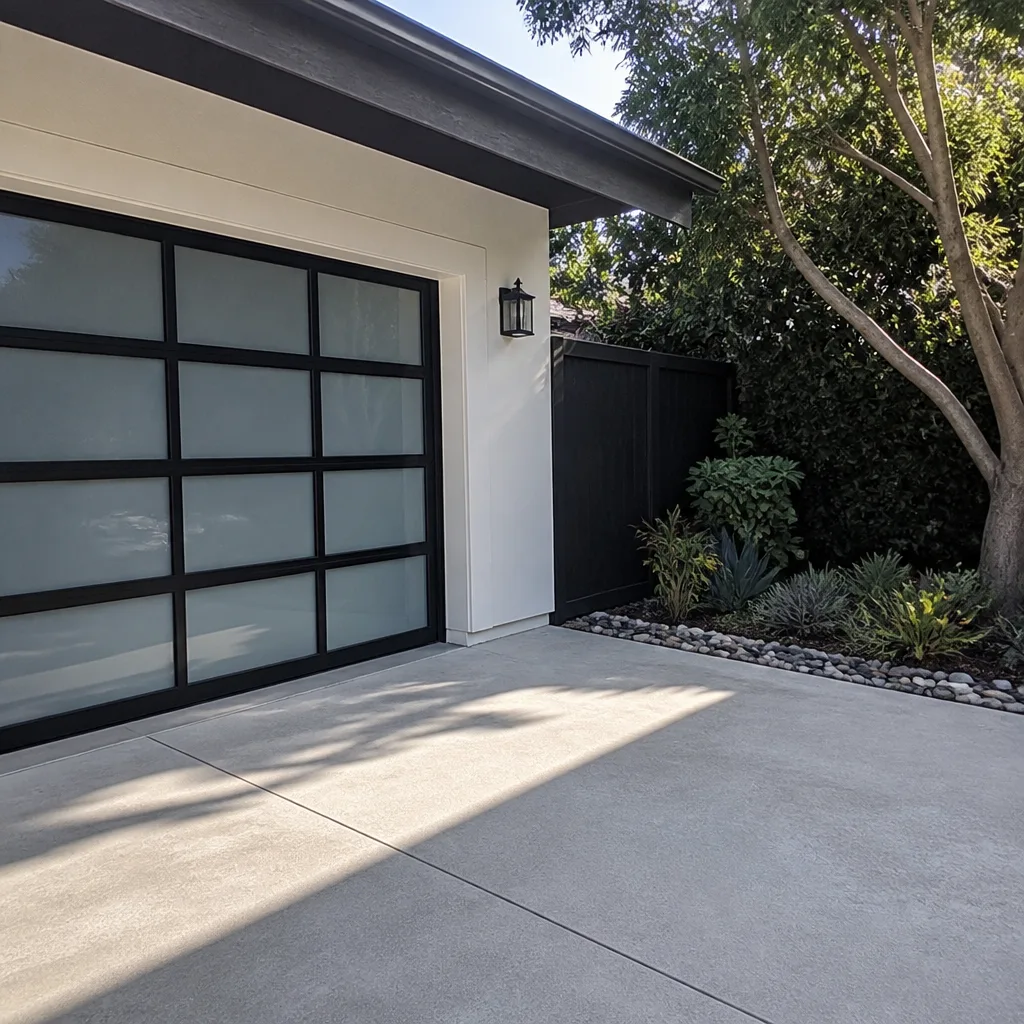 After
After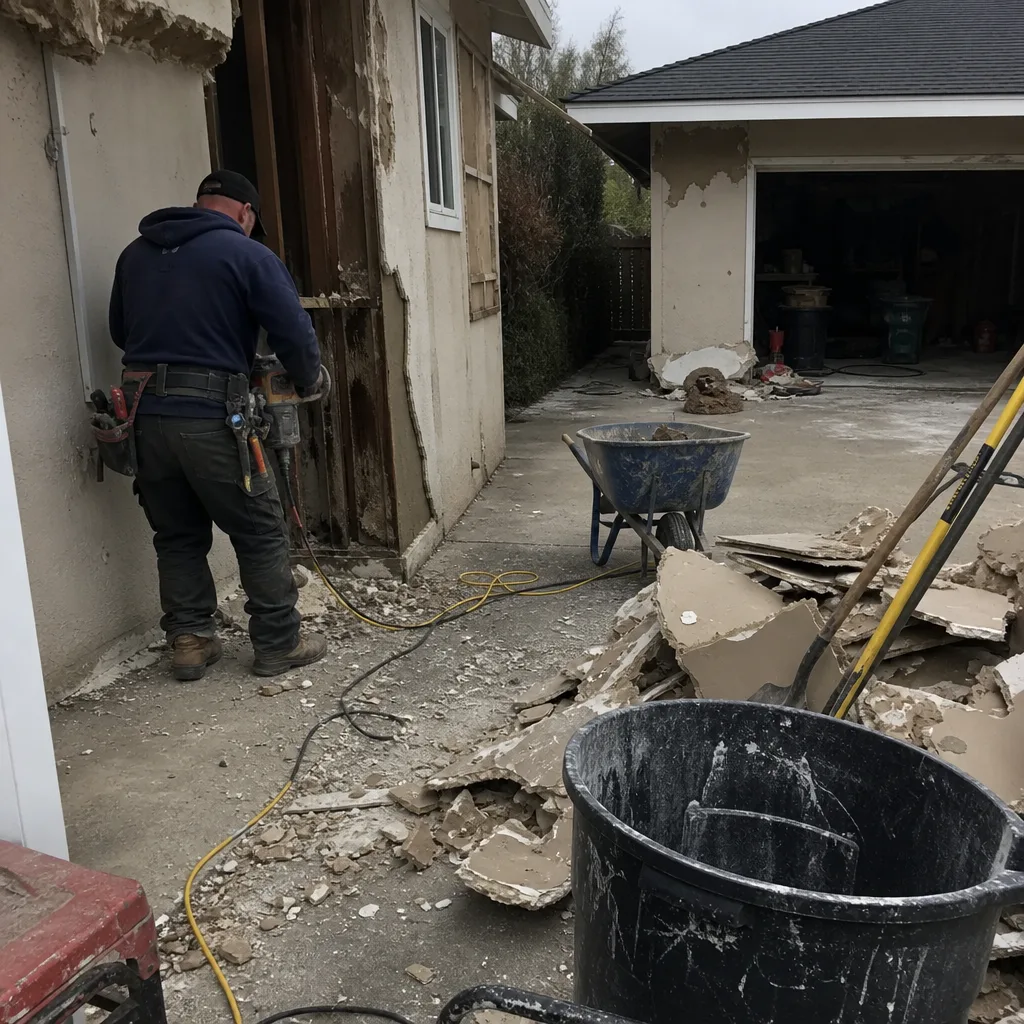 Before
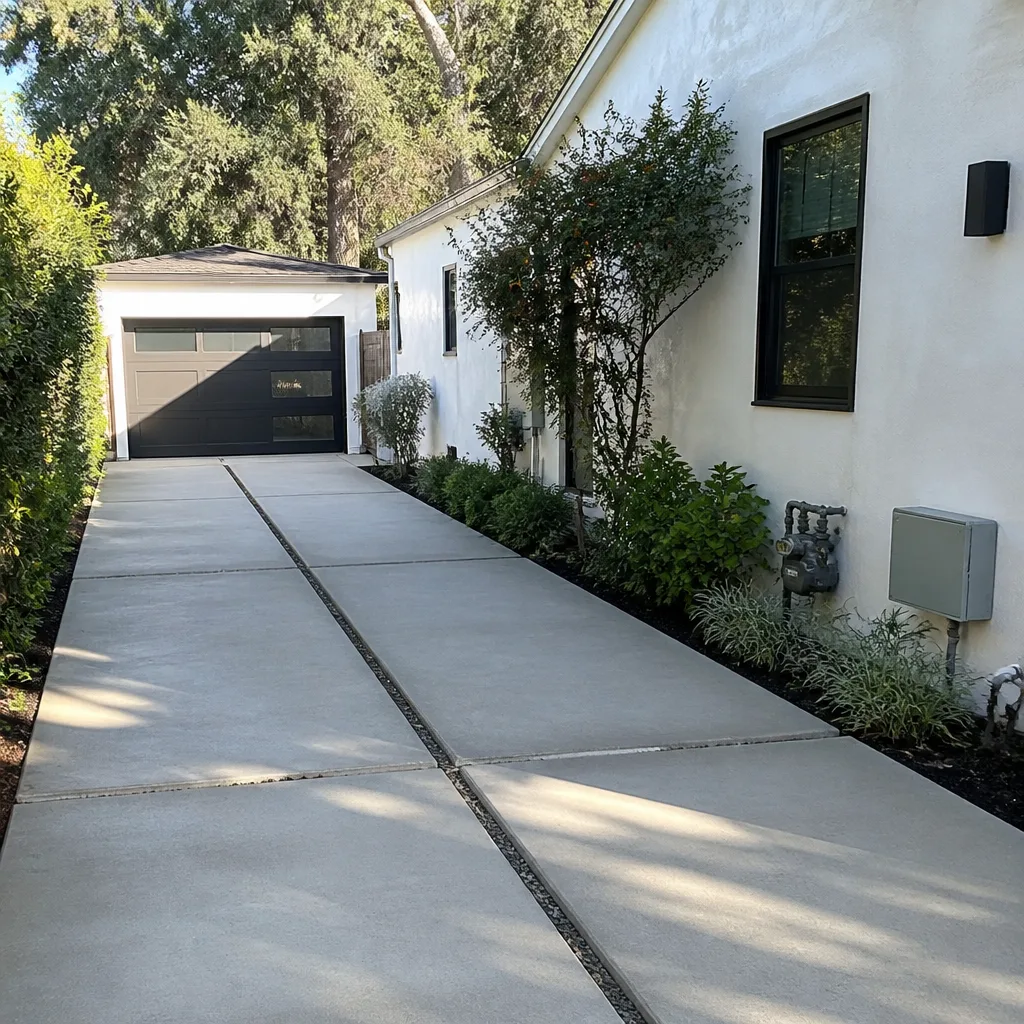 After
AfterDIY or Call Us?
There are some things you can check yourself before calling: look at the crack pattern, measure the width with a coin, and note whether doors are sticking. Take photos. That helps us give you a better first phone call. What you should not do is attempt to pour a structural slab or add onto your home with bagged concrete and no prior experience. Concrete work isn’t dangerous the way electrical or high-tension springs are, but a failed foundation is dangerous to everyone living above it. If the mix is too wet, the slab will crack. If the rebar is placed wrong, the slab will crack. If the soil isn’t compacted and you build a second story on it, the consequences are worse than a crack.
Isaac Pruett grew up in Los Angeles and spent the better part of his career learning what it actually takes to keep a home standing through heat, dry seasons, and the occasional surprise behind a wall. He picked up his trade foundations at Los Angeles Trade-Technical College before putting in years of hands-on work across the Valley, and he’s seen what happens when a homeowner with good intentions and a YouTube video tries to pour a footing on a Woodland Hills hillside. Tell me what you need done. I’ll tell you what it takes and what it costs. Then we get to work. Call (831) 290-6866 for a free estimate, and we’ll walk the site with you before any numbers get put on paper.
Key Takeaways
- Sakrete-based home additions in Woodland Hills run $45,000–$130,000; ADUs run $90,000–$220,000.
- The biggest local failure point is clay soil movement, not the concrete itself. Proper compaction, gravel base, and vapor barrier matter more than the bag brand.
- Sakrete High-Strength (4000 psi) and 5000 Plus (5000 psi) are not interchangeable for structural pours.
- Mason Remodeling Co Woodland Hills is an independent contractor and is not affiliated with Sakrete.
- Every project gets a written price before work starts, and our 365-Day Done Right Promise covers the work for a full year.
FAQs
A properly poured Sakrete slab with the right base preparation, rebar, and curing should last 30–50 years in Woodland Hills, but our clay soil and summer heat take years off that if the original pour skipped any steps. The slabs we see failing early are almost always ones poured directly on clay with no gravel base and no vapor barrier. Call (831) 290-6866 and we’ll assess what you have.
Yes, if the crack is stable and the slab hasn’t settled. For minor shrinkage cracks, we use epoxy injection or a polymer fill and the repair holds. If the slab has settled unevenly or the crack is actively widening, patching it is a temporary cover-up, not a fix. We’ll tell you which one you have after looking at it, and the estimate is free.
Most Sakrete-based additions take 3–6 months from permit to final inspection, depending on size. An ADU typically runs 6–10 months. The concrete portion itself is fast—usually 1–2 weeks including forms, pour, and curing—but the framing, rough-ins, city inspections for Woodland Hills, and finishes add up. We give you a written timeline with the written price.
We stock Sakrete High-Strength Concrete Mix, 5000 Plus, Type S Mortar Mix, and Sand Mix on our trucks in the quantities needed for most jobs, and we order anything project-specific before demolition starts so we’re never waiting on materials. If you’ve already bought Sakrete bags for your project, we can use them and credit the material cost off your final price. Call (831) 290-6866 and we’ll sort out what you need.
Written by Isaac Pruett, Owner, Mason Remodeling Co — Woodland Hills, CA at Mason Remodeling Co Woodland Hills, serving Woodland Hills and nearby areas.