Free written scope consultation - allowances, timeline, and change-order rules on paper before a single trade is scheduled
Plant Prefab Home Additions & ADU: The Woodland Hills Owner's Guide
If you own a Plant Prefab home in Woodland Hills and you’re looking to add square footage or build an ADU, a project like this typically runs $45,000 to $130,000 for an addition and $90,000 to $220,000 for a full ADU in this market. We’re Mason Remodeling Co Woodland Hills, and we handle Plant Prefab-compatible additions and ADU construction from first plans to final inspection. Most homeowners reach out to us because they bought a Plant Prefab home expecting modular flexibility, then discovered that adding onto one isn’t as simple as sliding another module into place.
That’s the honest reality. A Plant Prefab panel system has specific connection points, pre-engineered wall sections, and a structural logic that doesn’t tolerate guesswork. The good news is that once you understand how Plant Prefab structures are put together, expansion is very doable. You need a builder who respects the original spec instead of fighting it. That’s the work we do across Woodland Hills, from neighborhoods south of Ventura Boulevard up through the hills near Topanga Canyon.
Key Takeaways:
- Plant Prefab additions in Woodland Hills run $45,000 – $130,000; ADUs run $90,000 – $220,000.
- We’re an independent contractor, not affiliated with Plant Prefab – but we work with their panel systems regularly.
- The most common failure point isn’t the panels themselves. It’s the connection detailing where new framing meets factory-built walls.
- Every job gets a written price before work starts, and a written guarantee covering 365 days from completion.
Which Plant Prefab Models This Applies To
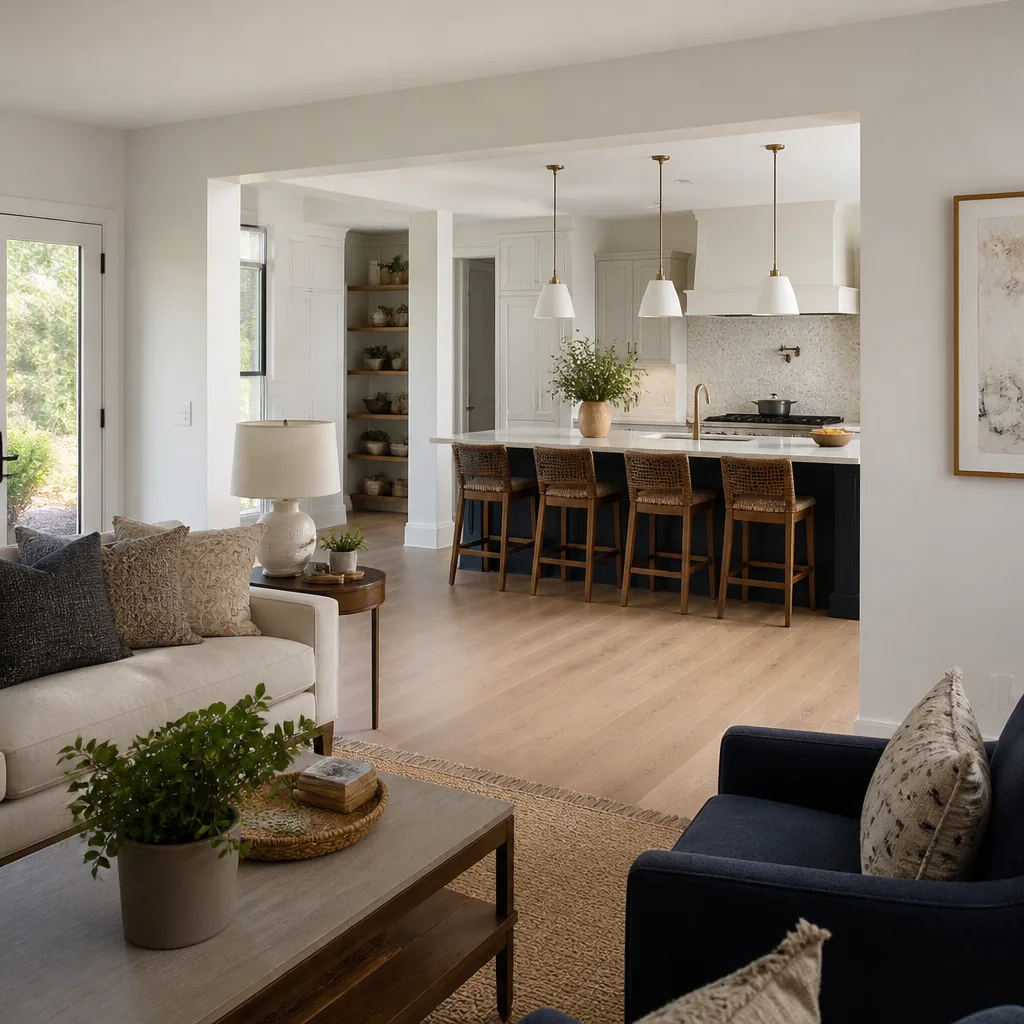
Plant Prefab builds homes using a panelized system, not full modular boxes in most cases. Their LivingHome series uses structurally insulated panels (SIPs) paired with a custom steel or wood frame, depending on the model. That matters for additions because the original wall assemblies have specific thicknesses, usually between 6 and 12 inches depending on the panel spec and insulation target. When we add onto a Plant Prefab structure, we match those wall depths so interior and exterior planes align cleanly. Get this wrong and you end up with awkward half-inch step-offs at every doorway and window.
We’ve also worked around Plant Prefab’s newer ADU line, which uses a lighter-gauge frame and thinner cladding package than the full LivingHome series. If you have the original build documents, find the wall assembly schedule. It lists exact panel thicknesses, R-values, and connection details. If you don’t have those documents, we can identify the panel type on site by opening a small access point at an existing exterior corner and measuring. For OEM panel sourcing, Plant Prefab can supply replacement or matching panels through their network. We also work with equivalent aftermarket SIP and panel manufacturers when lead times on OEM panels stretch past what makes sense for your schedule. Cabins, garage conversions, and ADU builds near Woodland Hills all have different panel spec needs, and we match them case by case.
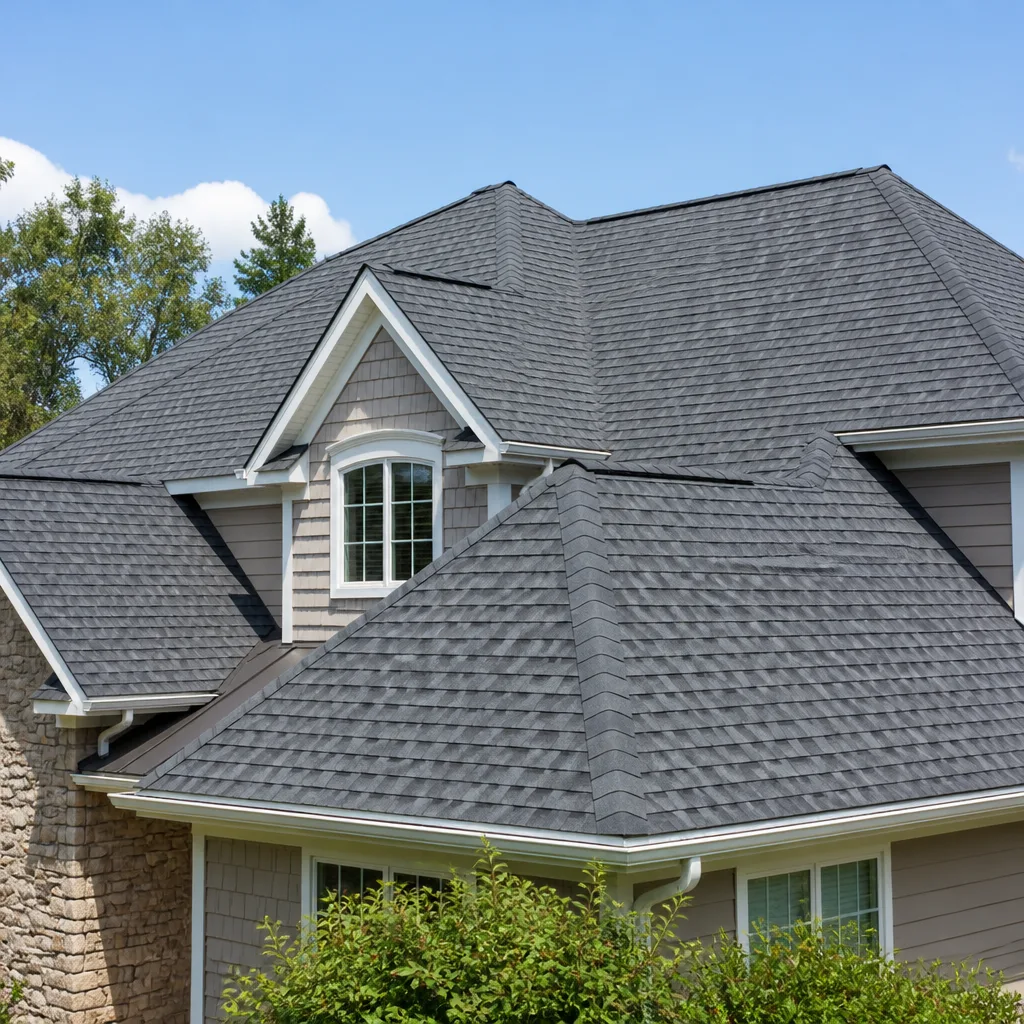
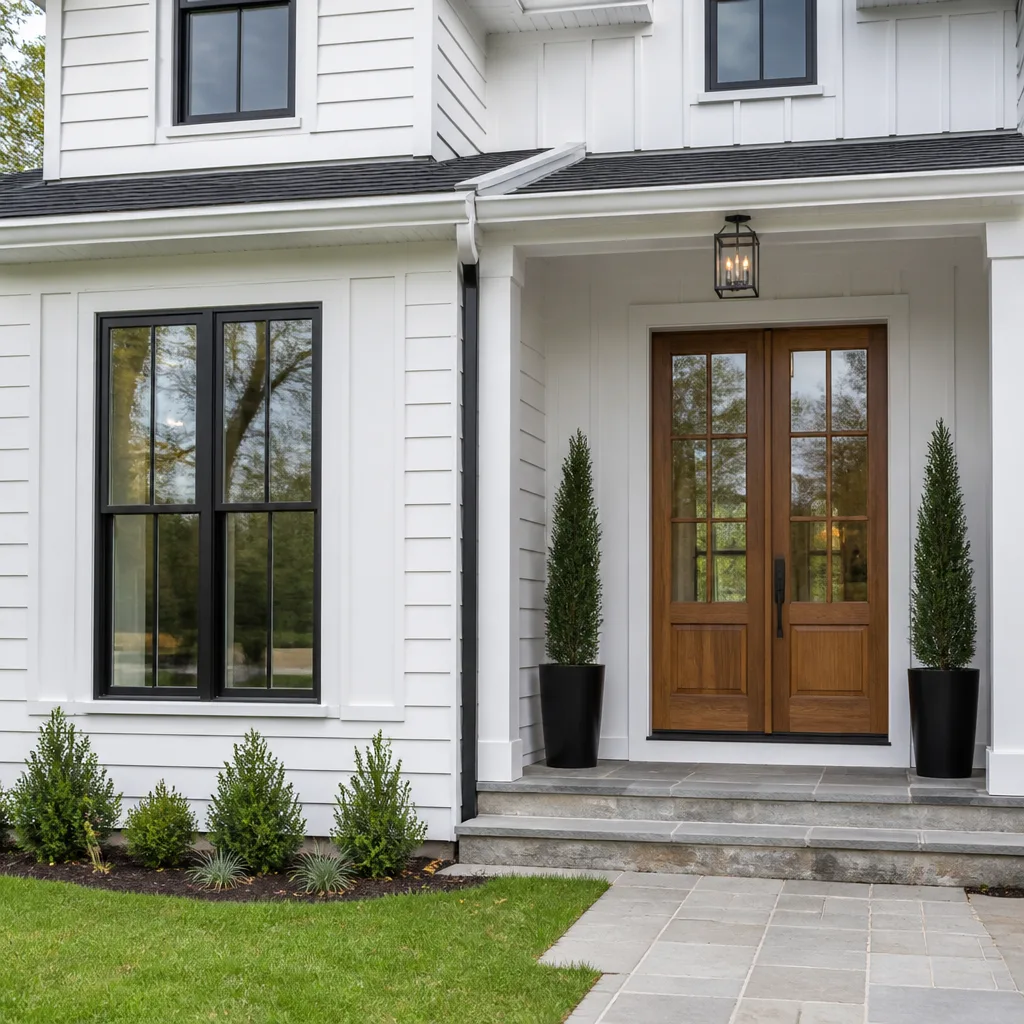
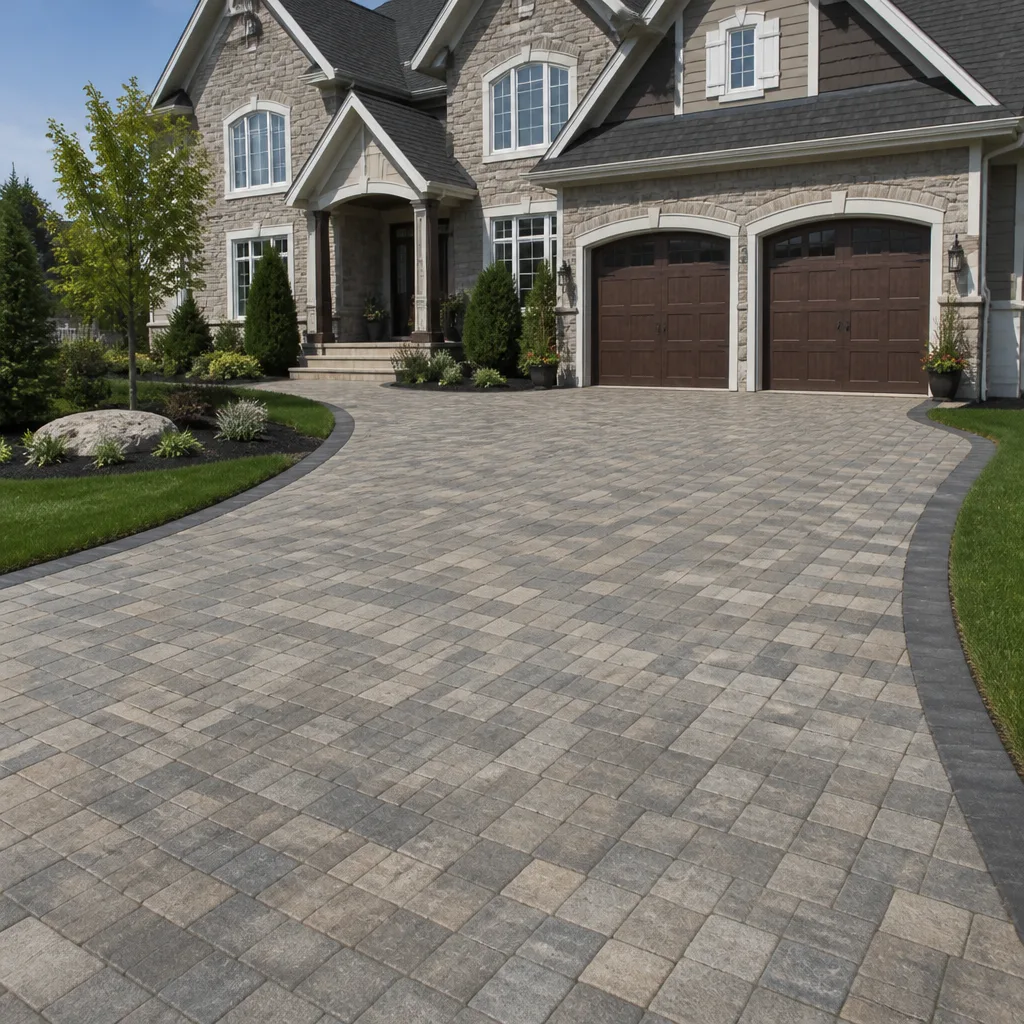
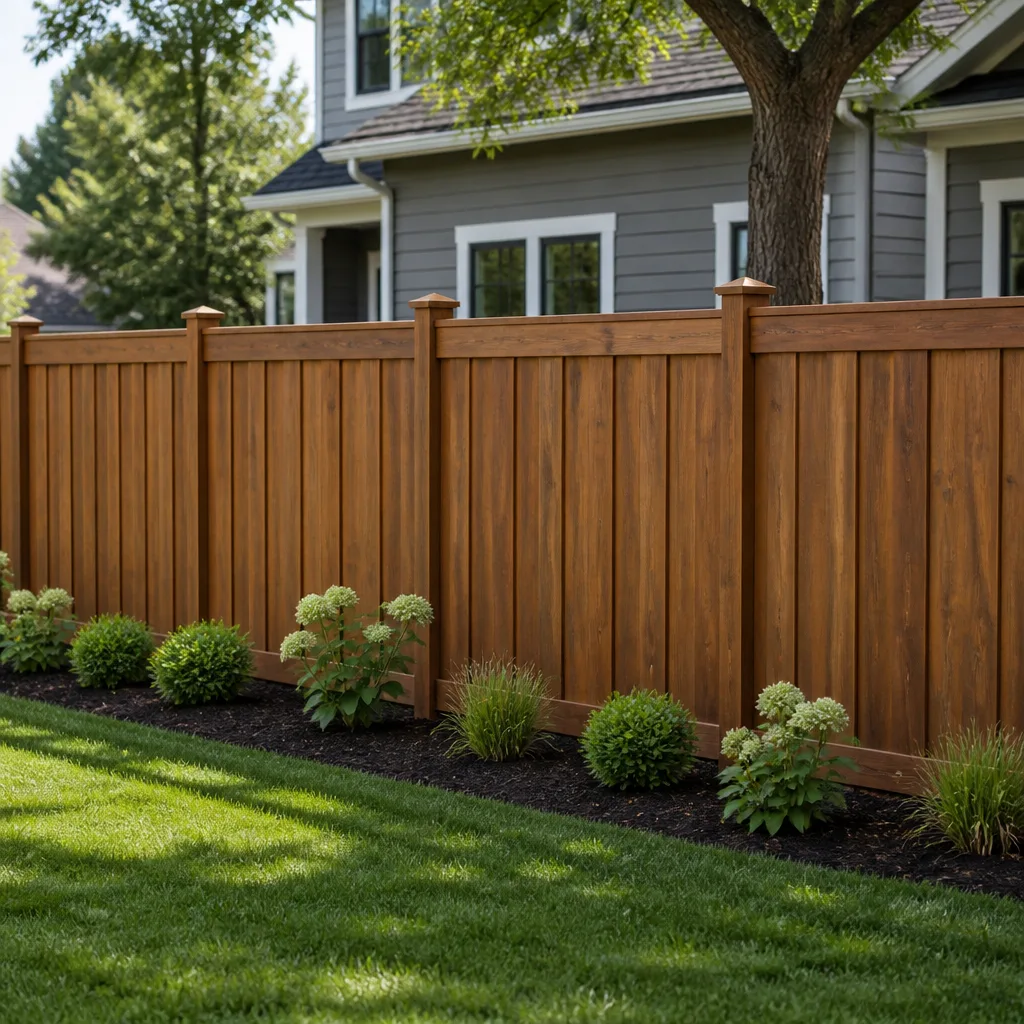
Styles & brands we work with
Signs Your Plant Prefab Home Additions & ADU Is Failing
Not every addition problem shows up as a crack in the wall. Here are five things we see on Plant Prefab structures in Woodland Hills specifically, with the underlying cause behind each.
- Hairline cracks at the seam where the original panel wall meets new framing. This is a differential movement issue. Plant Prefab panels are rigid; stick-framed additions flex differently through Woodland Hills’ hot-dry-to-cool-damp seasonal swings. We fix this with proper connection detailing and movement-tolerant finishes.
- Doors or windows in the new addition binding within a year. Usually a foundation settlement or a connection detail that didn’t allow for the panel system’s thermal expansion. Once we correct the connection, the binding stops.
- Water staining at exterior wall-to-roof junctions. Prefab panels shed water differently than traditional framed walls. A standard flashing detail that works fine on a stick-built home can leak on a panel system. We re-flash using details matched to the panel profile.
- Higher utility bills in the new addition than in the original home. Often the addition was insulated to code minimum instead of matching the original panel R-values. We run thermal imaging and add insulation where the thermal break is weak.
- Factory-built wall section showing surface rust or fasteners backing out. Plant Prefab panels use engineered connection hardware. If the wrong fasteners were used during the original install or a prior addition, they corrode or loosen over time. Replacement is straightforward once we identify the right fastener spec.
See the difference
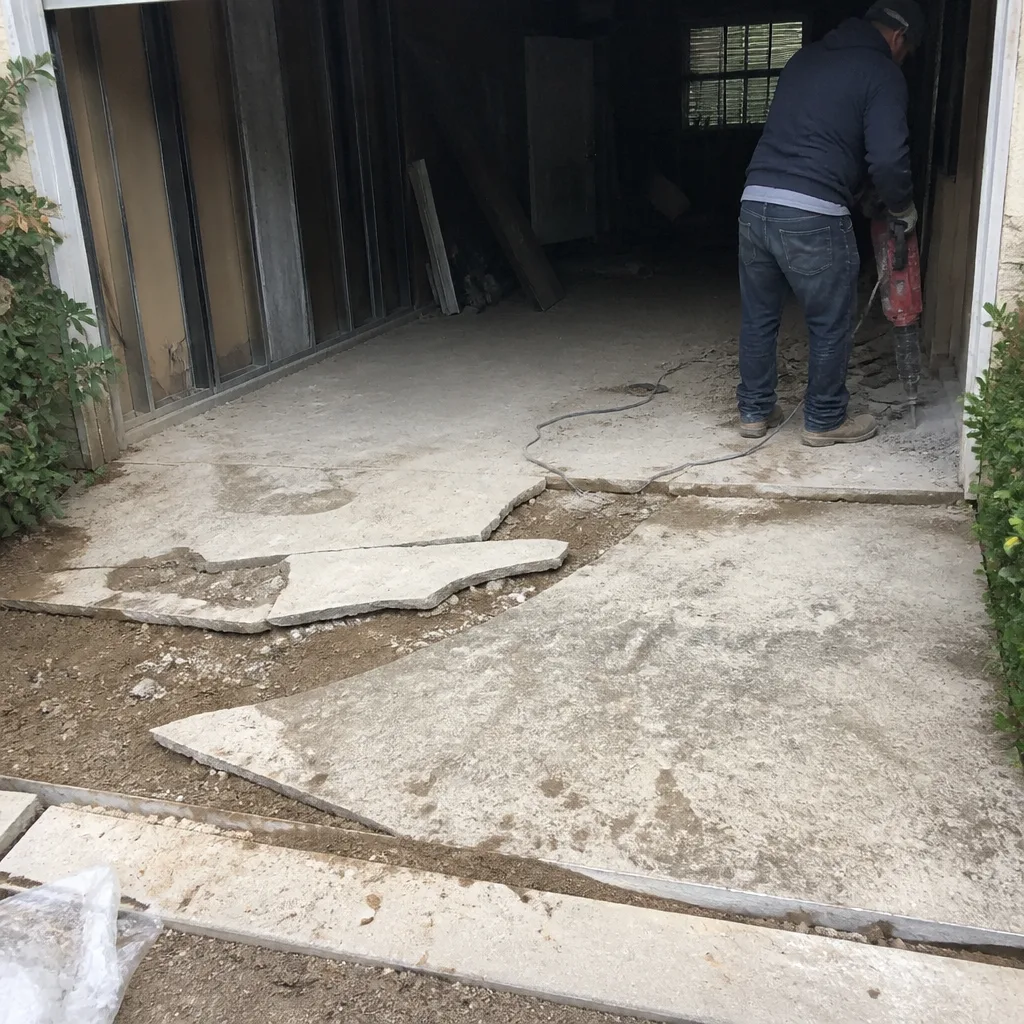 Before
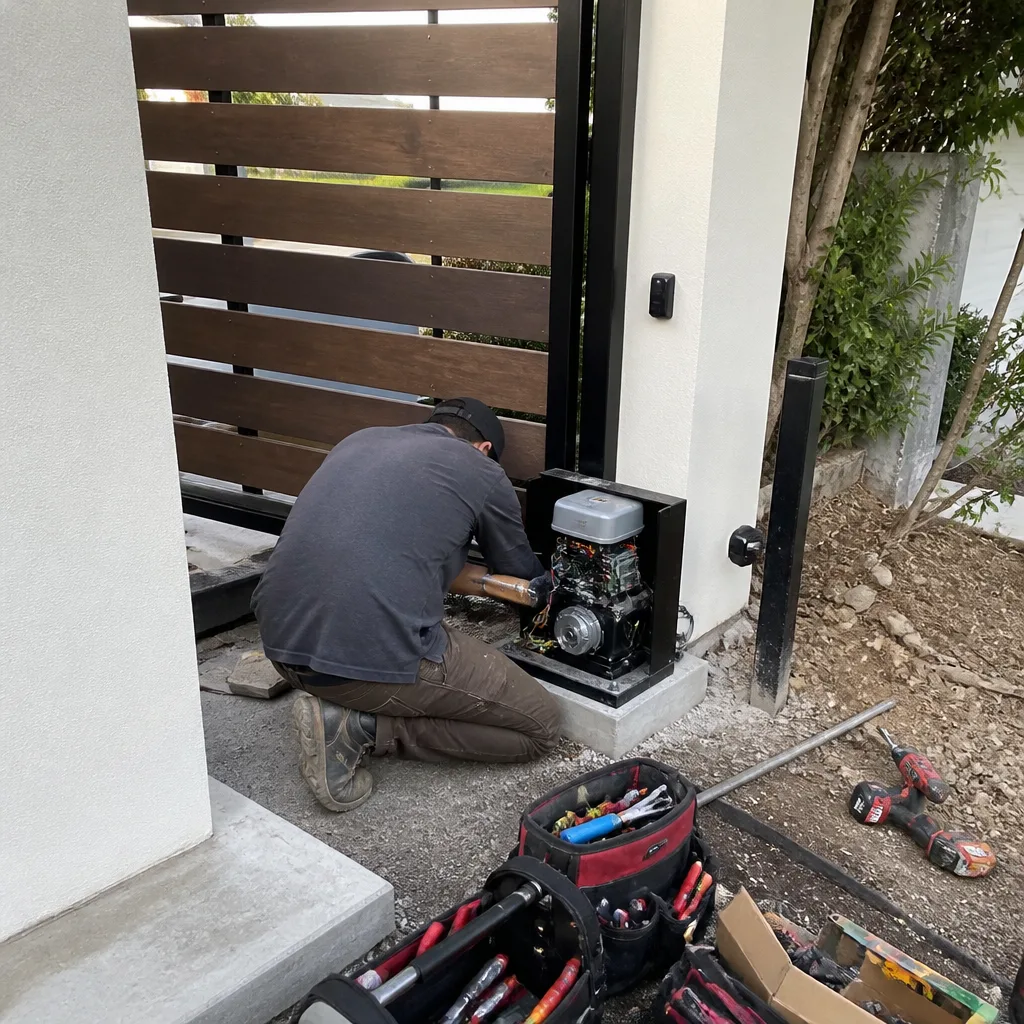 After
After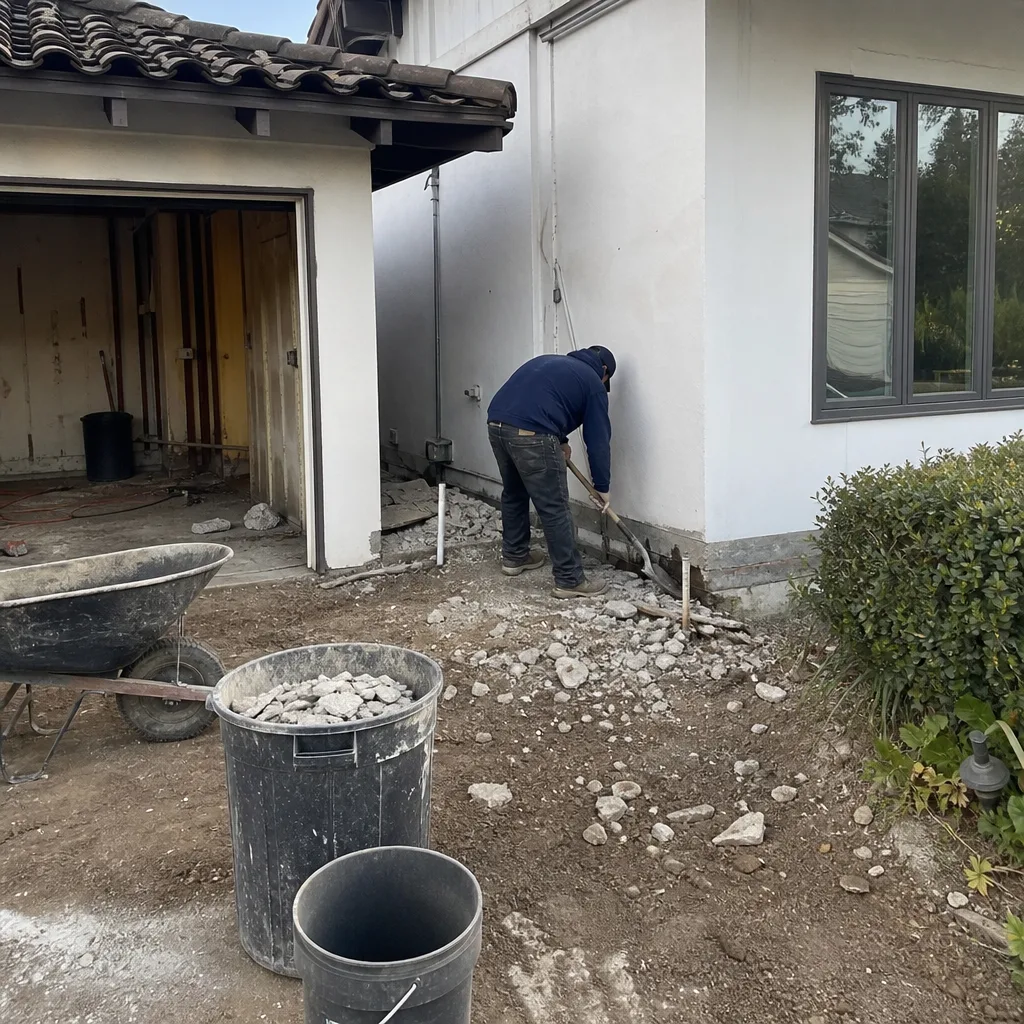 Before
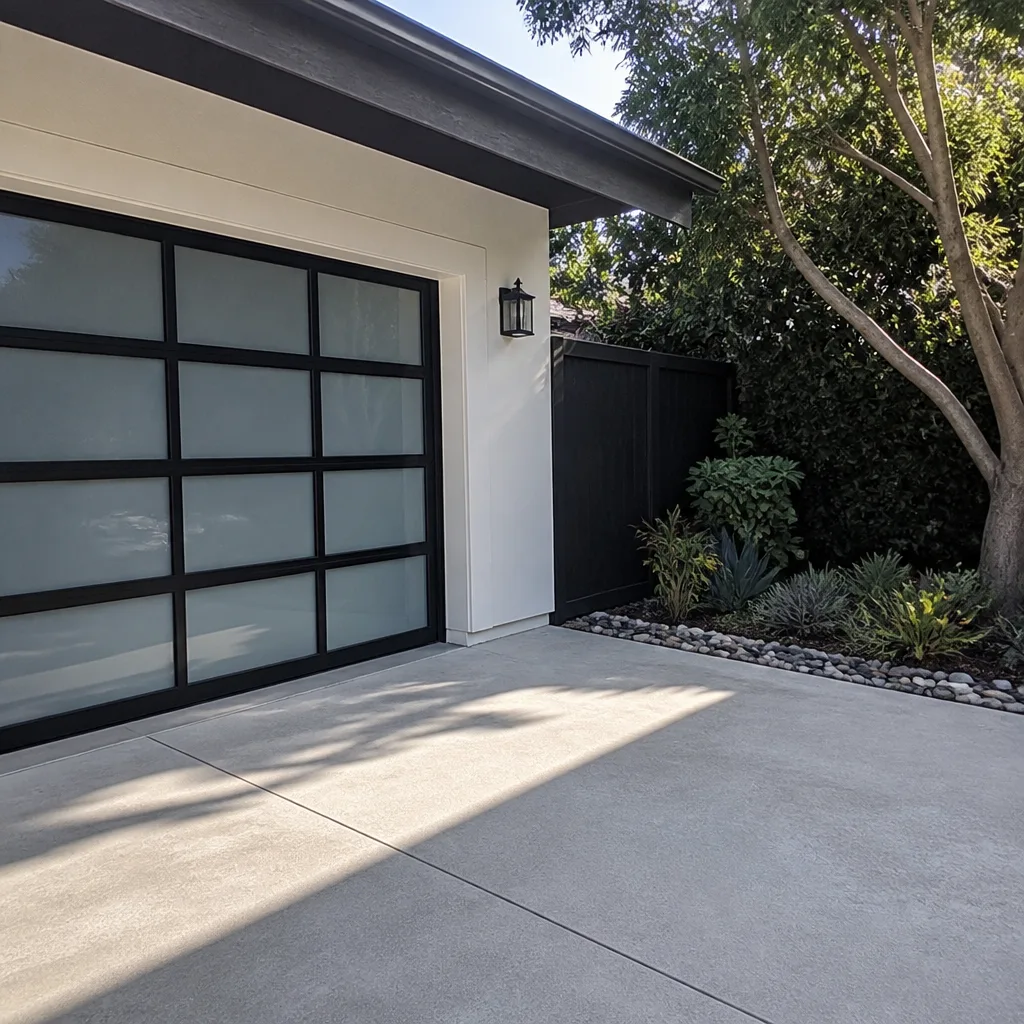 After
After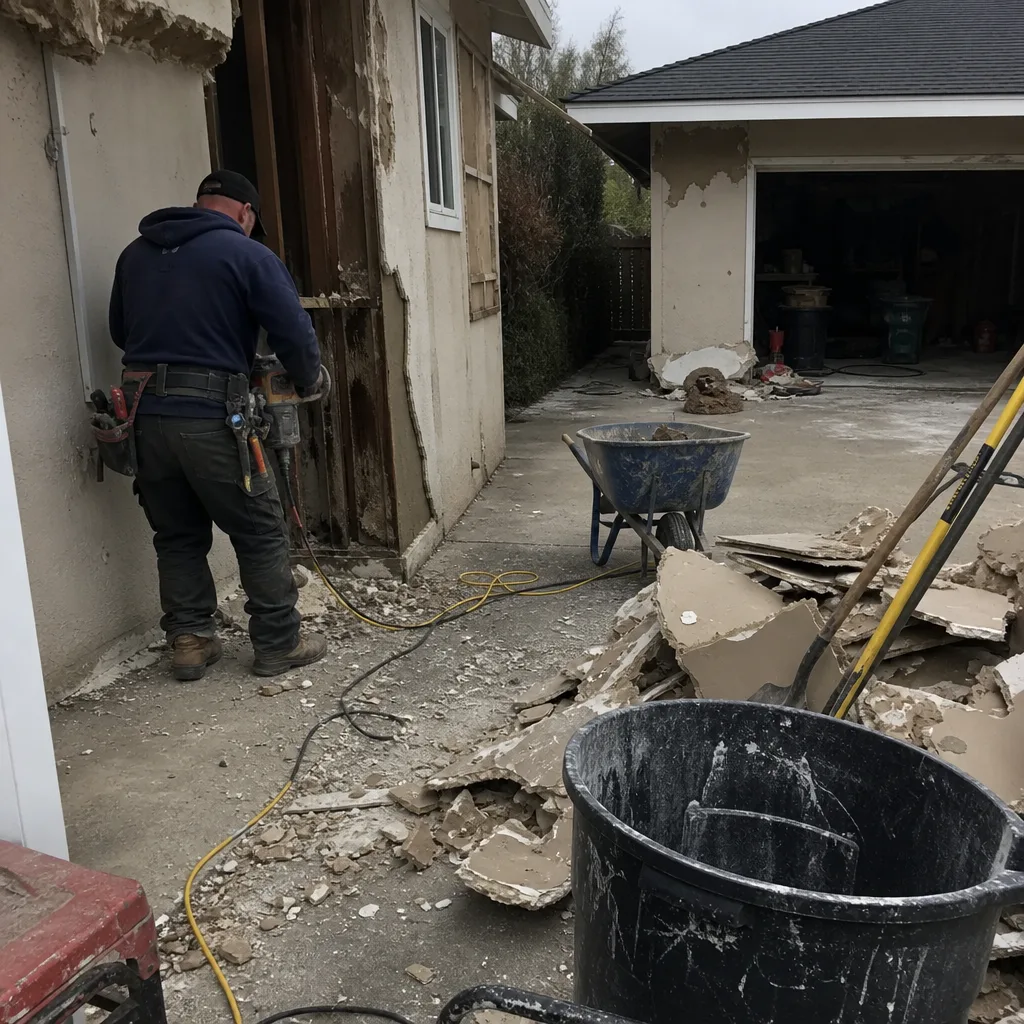 Before
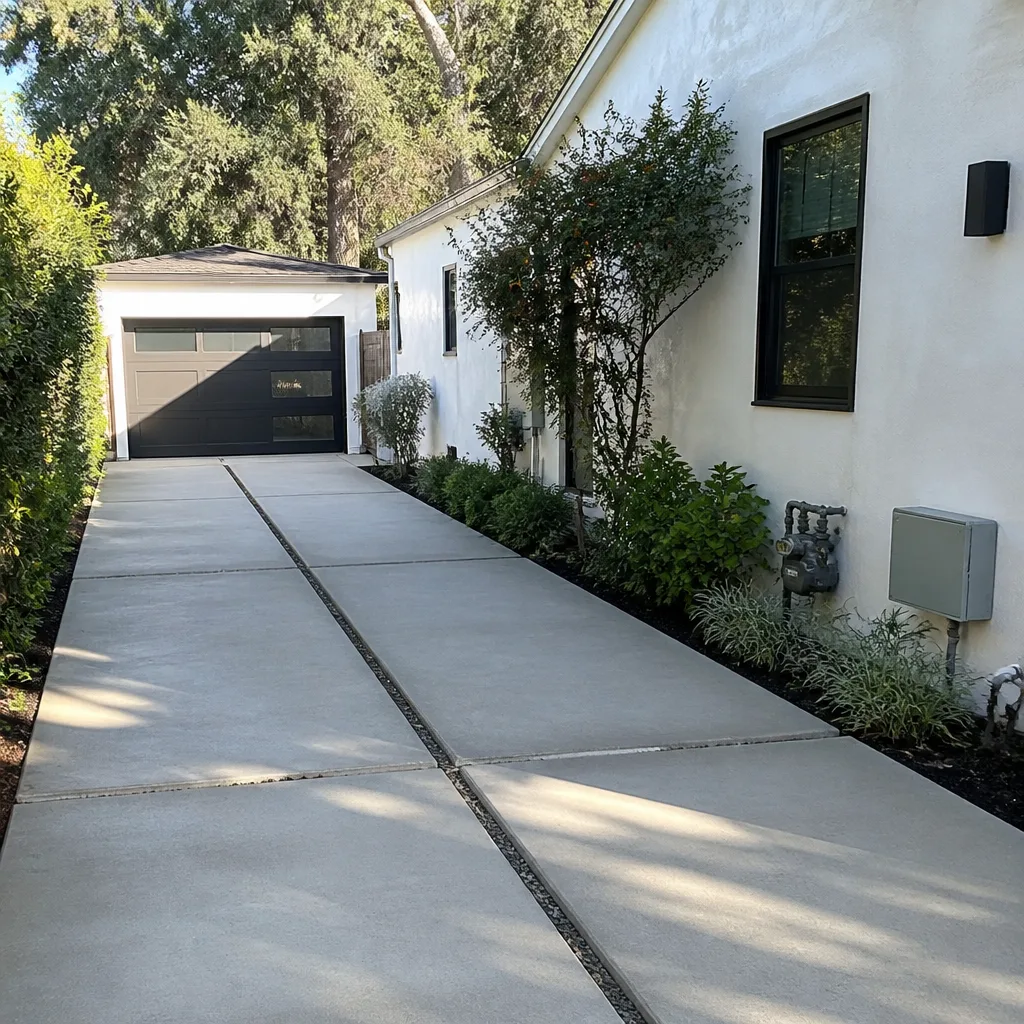 After
AfterReplacement Cost & What's Included
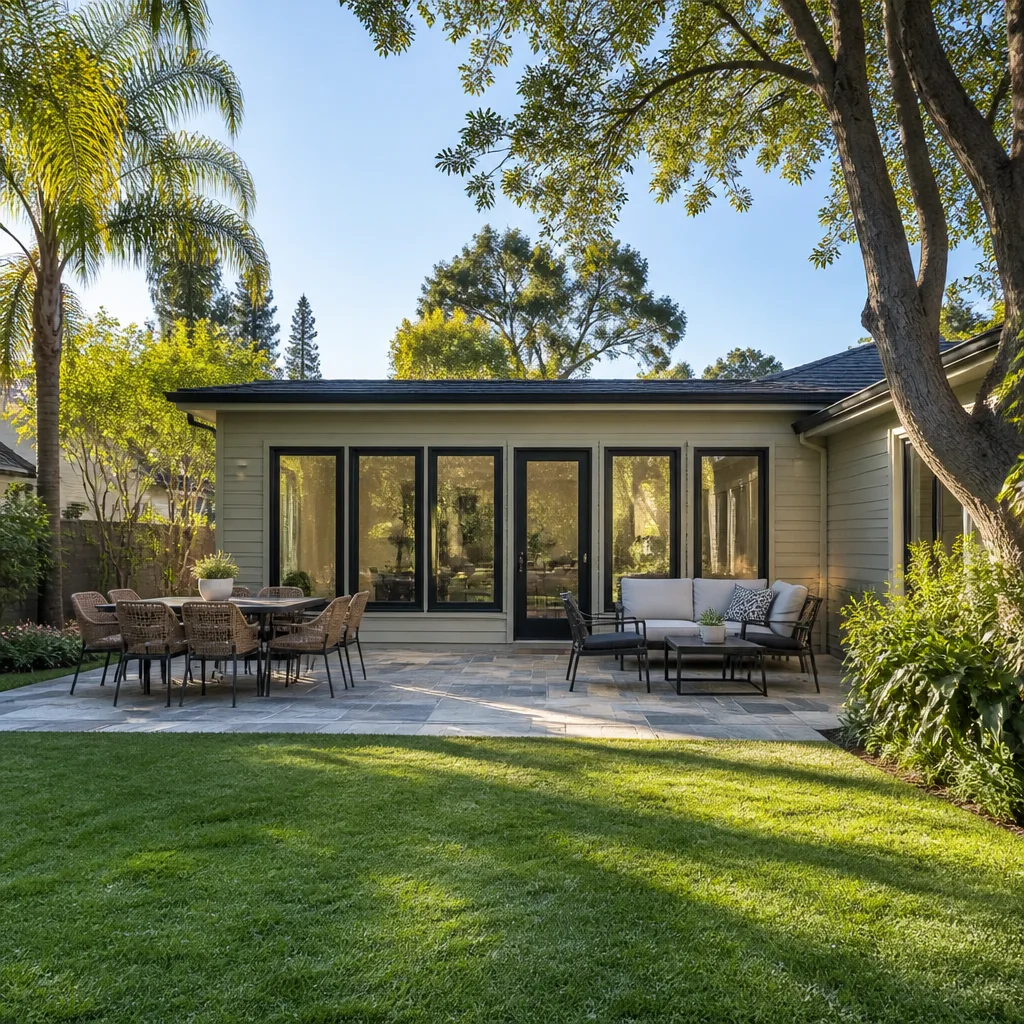
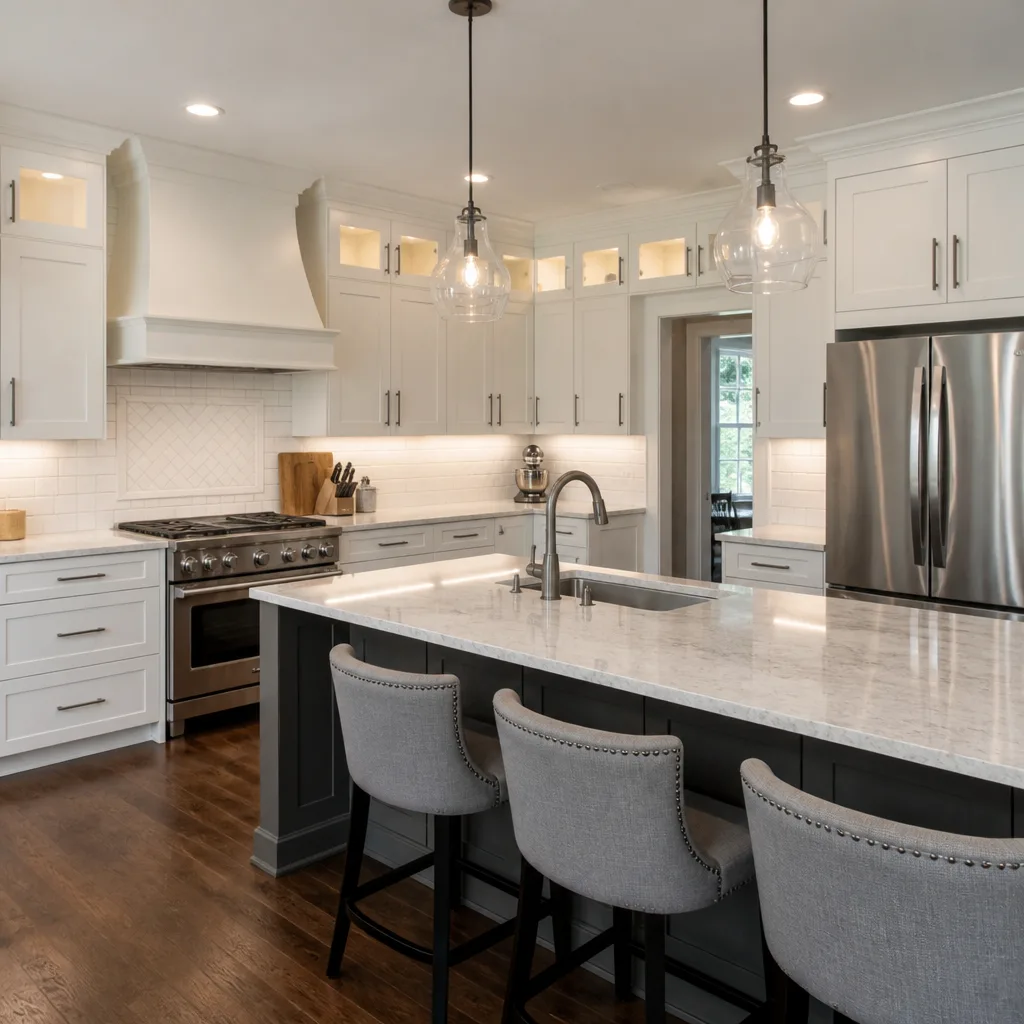
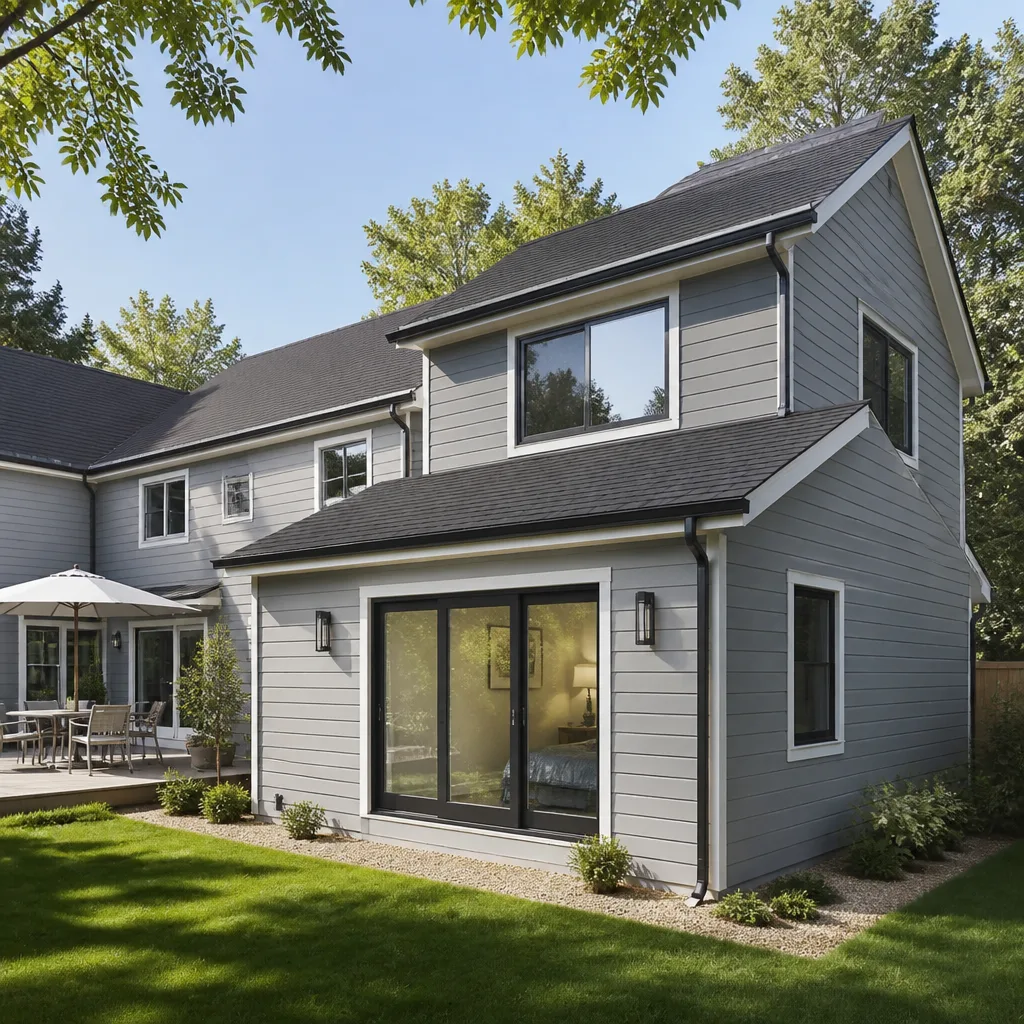
For a full Plant Prefab-compatible addition in Woodland Hills, expect $45,000 to $130,000 depending on square footage, foundation work, utility runs, and finish level. ADU construction runs $90,000 to $220,000 because it includes separate utility connections, kitchen and bath builds, and more site work in most cases. If you’re converting an existing garage rather than building new, that range shifts to $30,000 to $80,000.
What drives the spread? Foundation conditions on sloped Woodland Hills lots are the biggest variable. Caissons and retaining walls add real cost before a single panel goes up. After that, it’s finish choices and whether mechanical systems need upgrading to serve the added square footage. Every quote we write is a line-item price, delivered in writing before any work starts. That includes panel procurement, framing, mechanical rough-in, drywall, paint, flooring, and all connection detailing. Our workmanship is covered by the 365-Day Done Right Promise. If something isn’t right within a year of completion, we fix it at no cost to you.
DIY or Call Us?
There are a few things you can safely check yourself. Walk the seam line between the original home and any existing addition and note where cracks appear. Check that exterior flashing is still seated tight against the panel faces, especially after heavy wind. Monitor interior humidity in the addition through a full summer. None of that requires tools.
But adding onto a Plant Prefab structure is not a weekend project, and it’s not a job for a general handyman either. The panel connection points carry structural load through engineered fasteners and brackets with specific torque specs. Getting those wrong doesn’t just make a draft; it compromises the shear strength of the wall assembly. In earthquake country like Woodland Hills, that’s not a trade-off worth making. Isaac Pruett grew up in Los Angeles and spent years on job sites from the Valley to Warner Center, and he’ll tell you the same thing he tells every homeowner: tell me what you need done. I’ll tell you what it takes and what it costs. Then we get to work. Call us at (831) 290-6866 and we’ll come take a look.
FAQs
A properly connected addition to a Plant Prefab structure should last 40 to 60 years before major structural intervention, but the connection points need resealing every 10 to 15 years in this climate. Woodland Hills’ dry heat stresses exterior sealants faster than coastal areas, so we spec UV-stable flashing and high-temp sealants on every job. Call (831) 290-6866 if you want us to come check existing connection points, even if you’re not ready to build yet.
Most issues we see, including cracked seams, water intrusion at junctions, and binding doors, can be repaired without tearing anything down. We pull back finishes at the trouble spots, correct the connection detail, and restore the surfaces. A teardown only makes sense when there’s extensive water damage or structural movement from a bad foundation. Call (831) 290-6866 for a written assessment and we’ll tell you which camp your project falls into.
Most Plant Prefab-compatible additions in Woodland Hills run 4 to 7 months, and ADUs take 6 to 10 months depending on permitting, foundation work, and finish level. Prefab-sourced panels can shorten framing time, but site work, utility connections, and inspections in Los Angeles County still set the pace. We give you a written timeline with the written price, and we stick to it.
We maintain an inventory of the common connection brackets, engineered fasteners, and flashing profiles used on Plant Prefab panel systems in Woodland Hills, and we can source OEM panels directly when a repair calls for them. For larger additions and ADUs, we order panels to spec after we confirm wall assembly details on your existing structure. If you’re already working with Plant Prefab or one of their dealers, we coordinate with them directly so you don’t have to manage the parts chain.
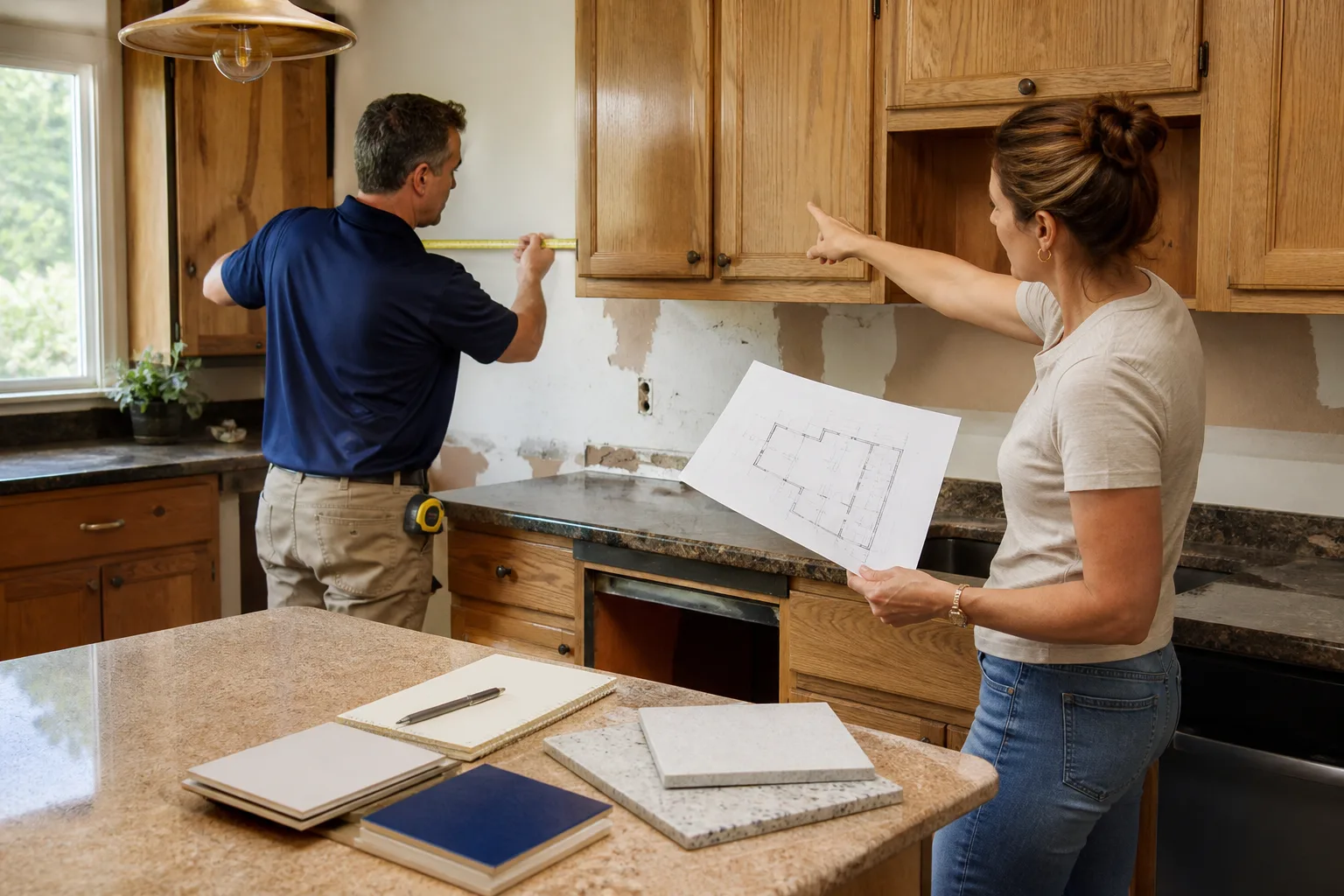
If you’re in Woodland Hills and your Plant Prefab addition or ADU is giving you trouble, or you’re planning a new one and want it built to match the original system, call us at (831) 290-6866. We’ll schedule a walk-through, measure what’s there, and deliver a written estimate before any work begins. You’ll know exactly who’s coming, what it costs, and what’s guaranteed.
Written by Isaac Pruett, Owner, Mason Remodeling Co – Woodland Hills, CA at Mason Remodeling Co Woodland Hills, serving Woodland Hills and nearby areas.