Free written scope consultation - allowances, timeline, and change-order rules on paper before a single trade is scheduled
CWS Home Additions & ADU: The Woodland Hills Owner’s Guide
If you have a CWS home addition or ADU and something is failing, the most common culprits we see in Woodland Hills are foundation settling at the connection point, water intrusion where the addition ties into the original structure, or HVAC and electrical subpanels that were undersized for the added square footage. A home addition or ADU repair in Woodland Hills typically runs $45,000 to $130,000 when it involves structural work, re-framing, or re-roofing the added space; smaller scoped repairs like tying in new flashing or correcting a settling corner can land well under that range depending on what we find when we open things up.
Mason Remodeling Co Woodland Hills is an independent contractor. We are not affiliated with CWS, but we work on their additions and ADUs regularly, and we know where these structures tend to fail after a few years of San Fernando Valley heat and clay soil movement.
Which CWS Models This Applies To
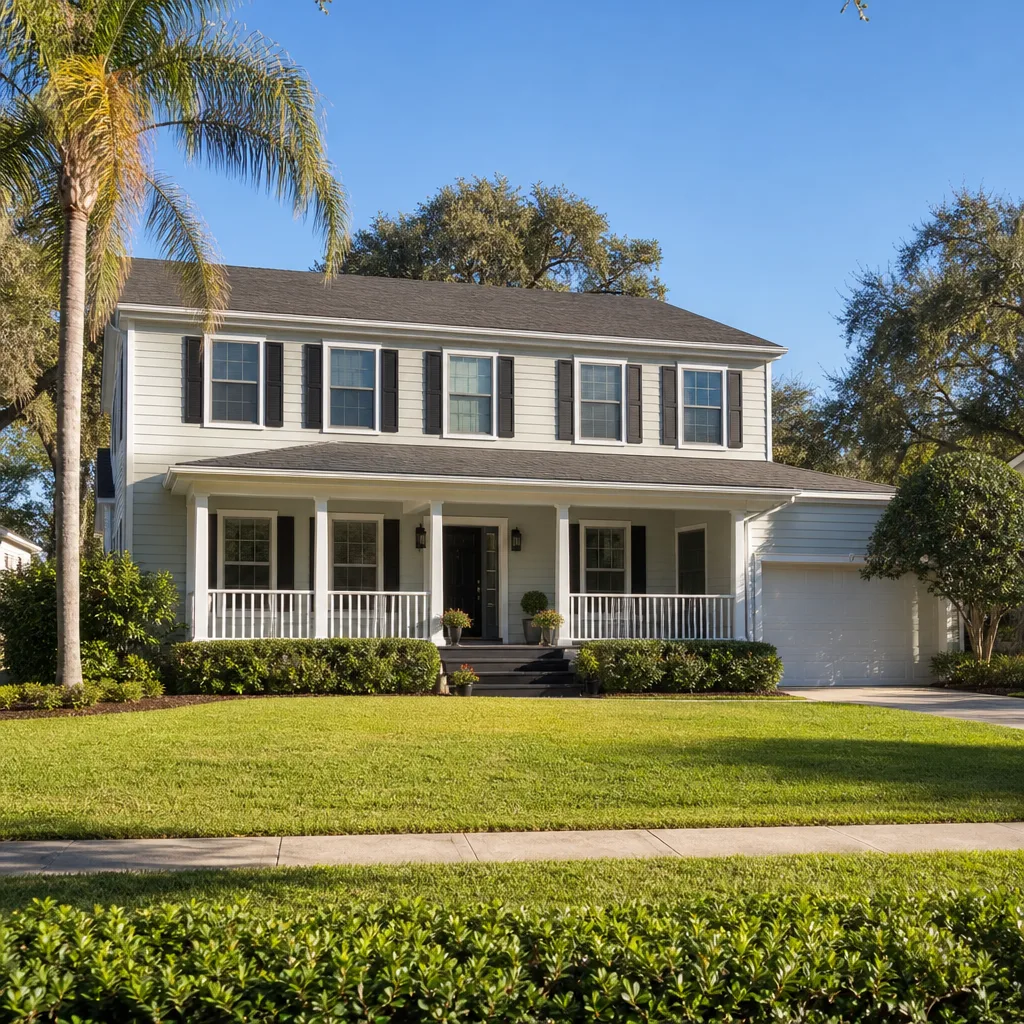
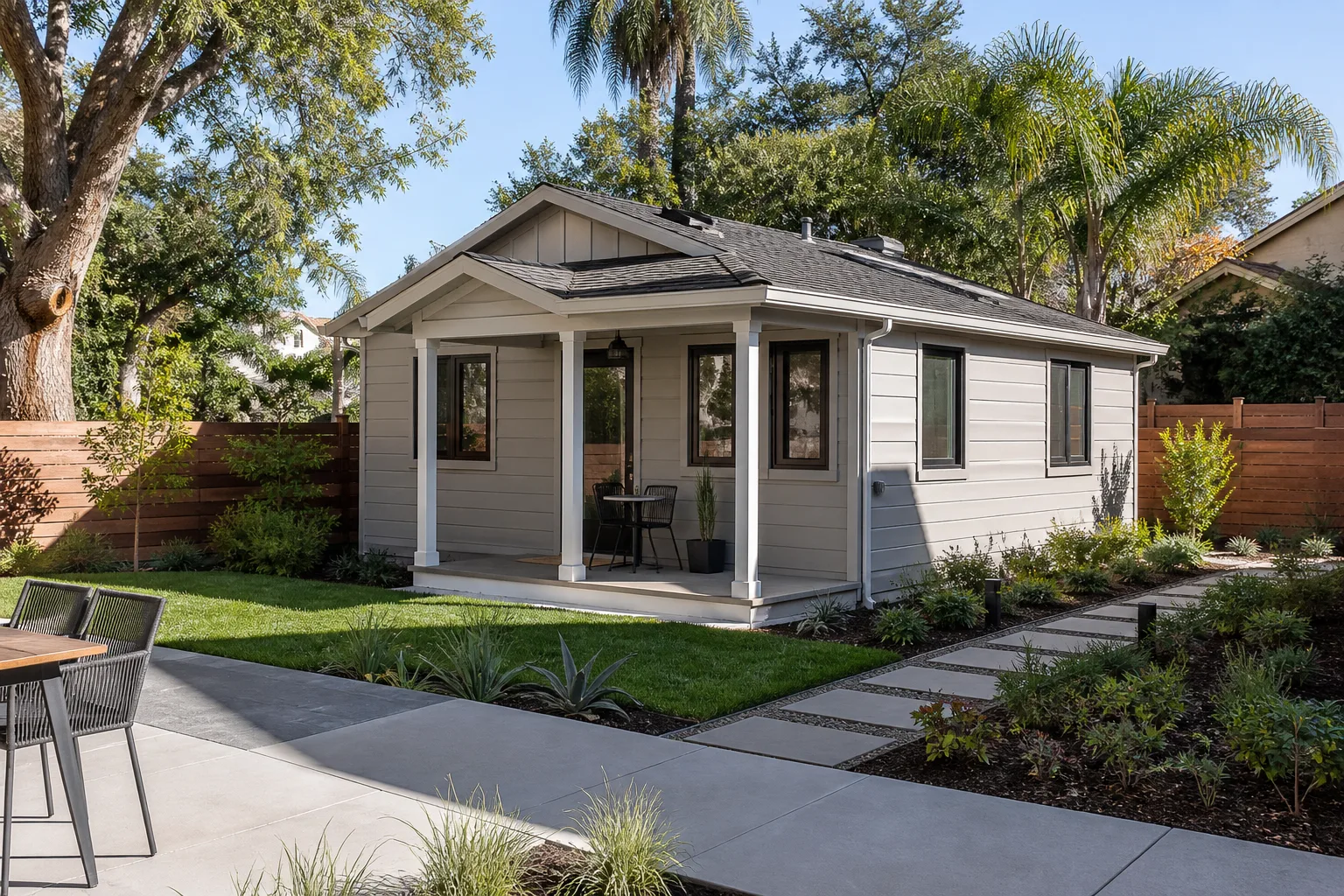
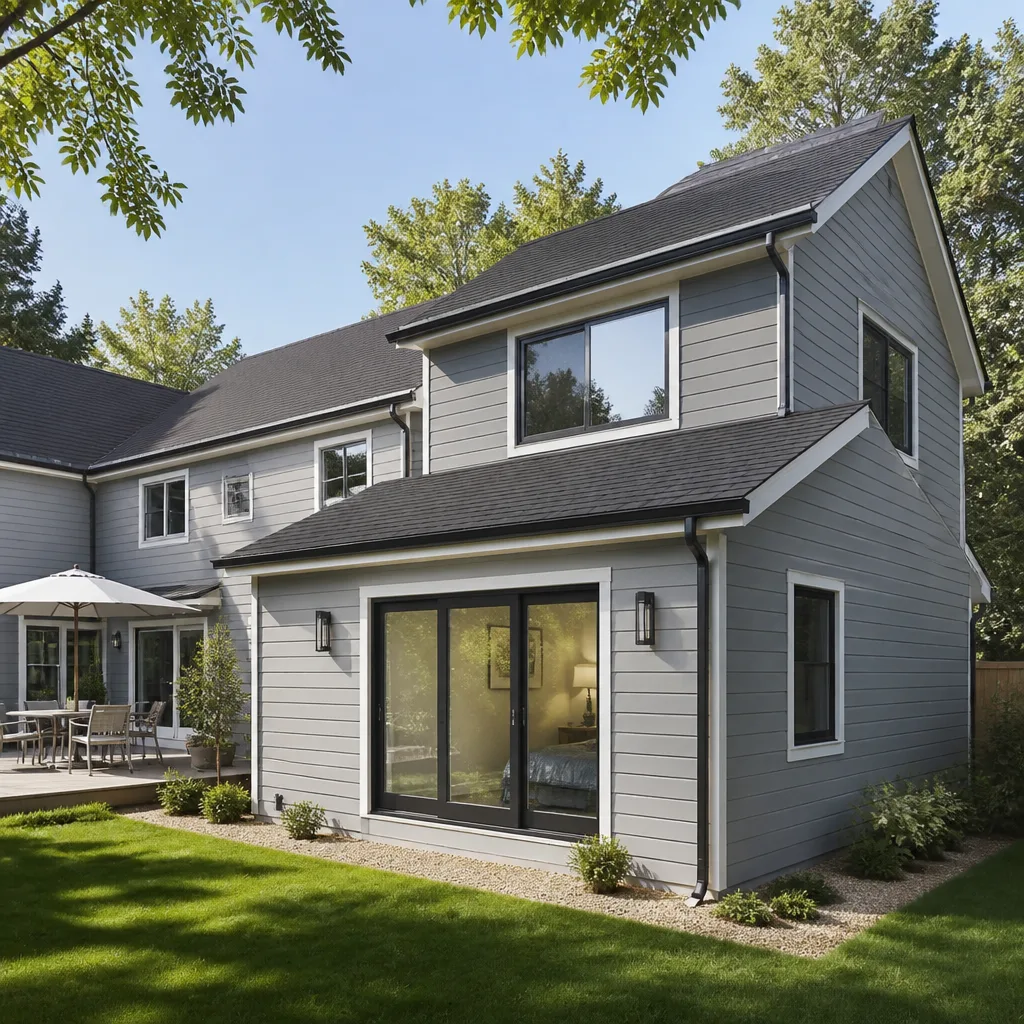
CWS built additions and accessory dwelling units across the San Fernando Valley using a few consistent framing and foundation approaches, which means we can usually identify what you have by looking at the connection details rather than a model number. Most CWS additions in Woodland Hills use either a slab-on-grade foundation tied to the main house with rebar dowels, or a raised floor system that matches the original home’s crawl space height. The tie-in point where the addition meets the original exterior wall is the most telling identifier: CWS typically used pressure-treated sill plates and asphalt-impregnated fiberboard expansion joint material there, and that seam is where we see failures most often.
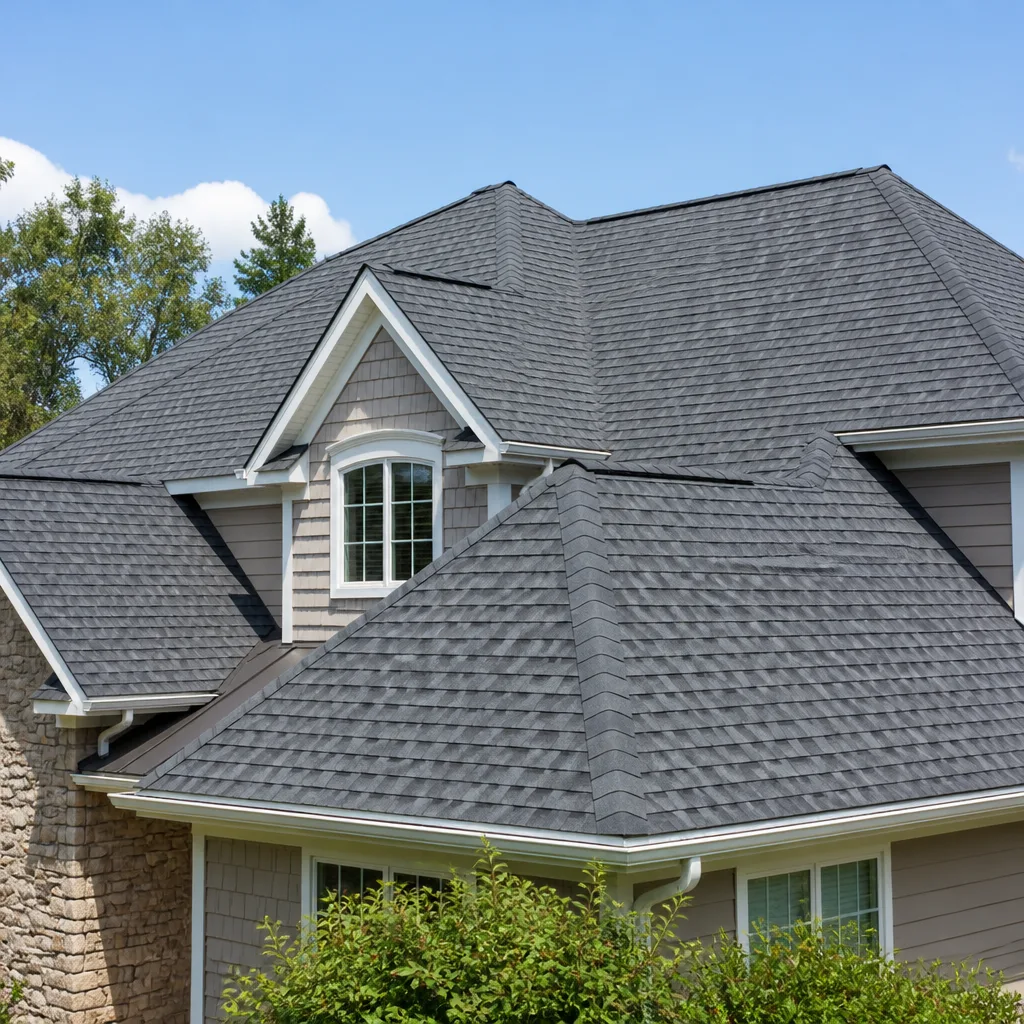
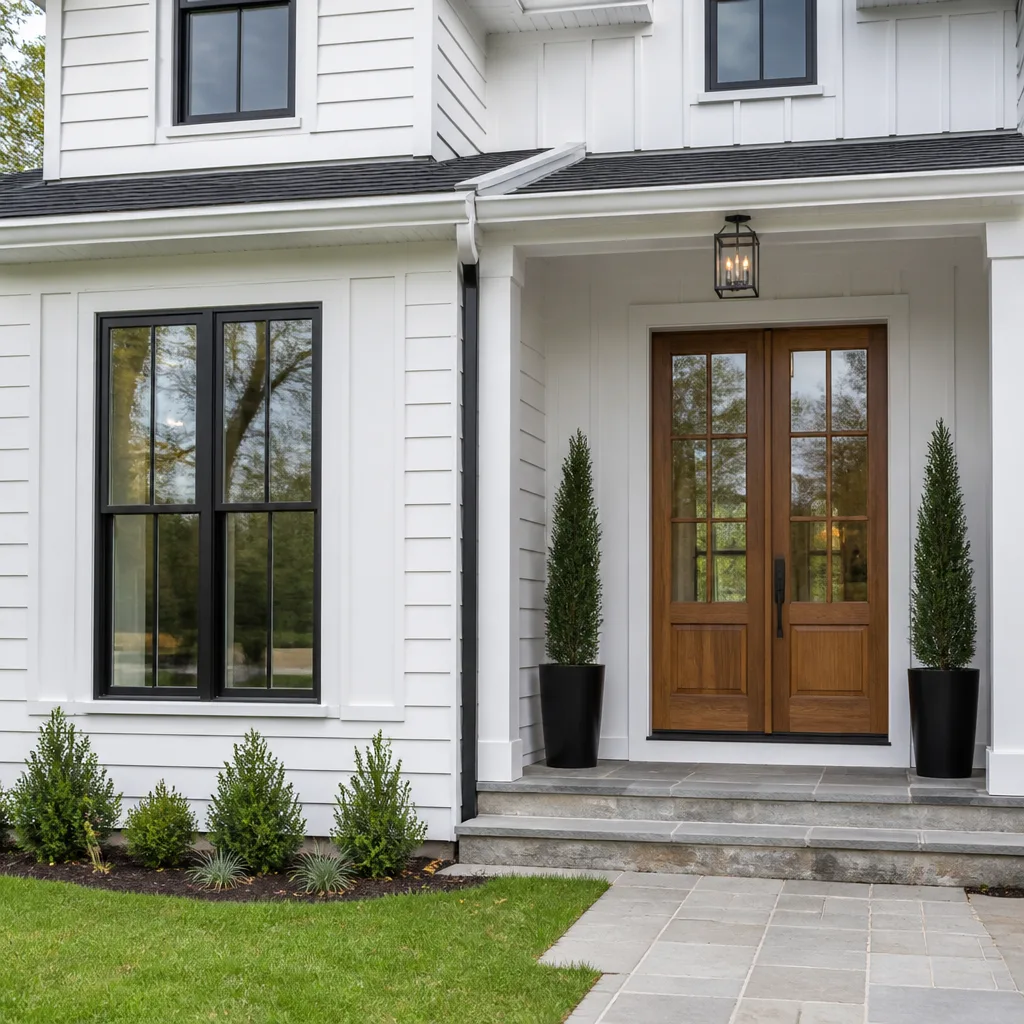
OEM versus aftermarket matters less for structural parts than it does for finish components. If you’re replacing windows, doors, or roofing material on a CWS addition, going with specification-grade manufacturers like CertainTeed or Owens Corning for roofing, or Milgard for windows, gives you a longer lifespan in Woodland Hills sun exposure than builder-grade originals. We stock common flashing profiles, hold-down brackets, and shear wall hardware on our trucks, so most structural repairs don’t require a second trip for parts.
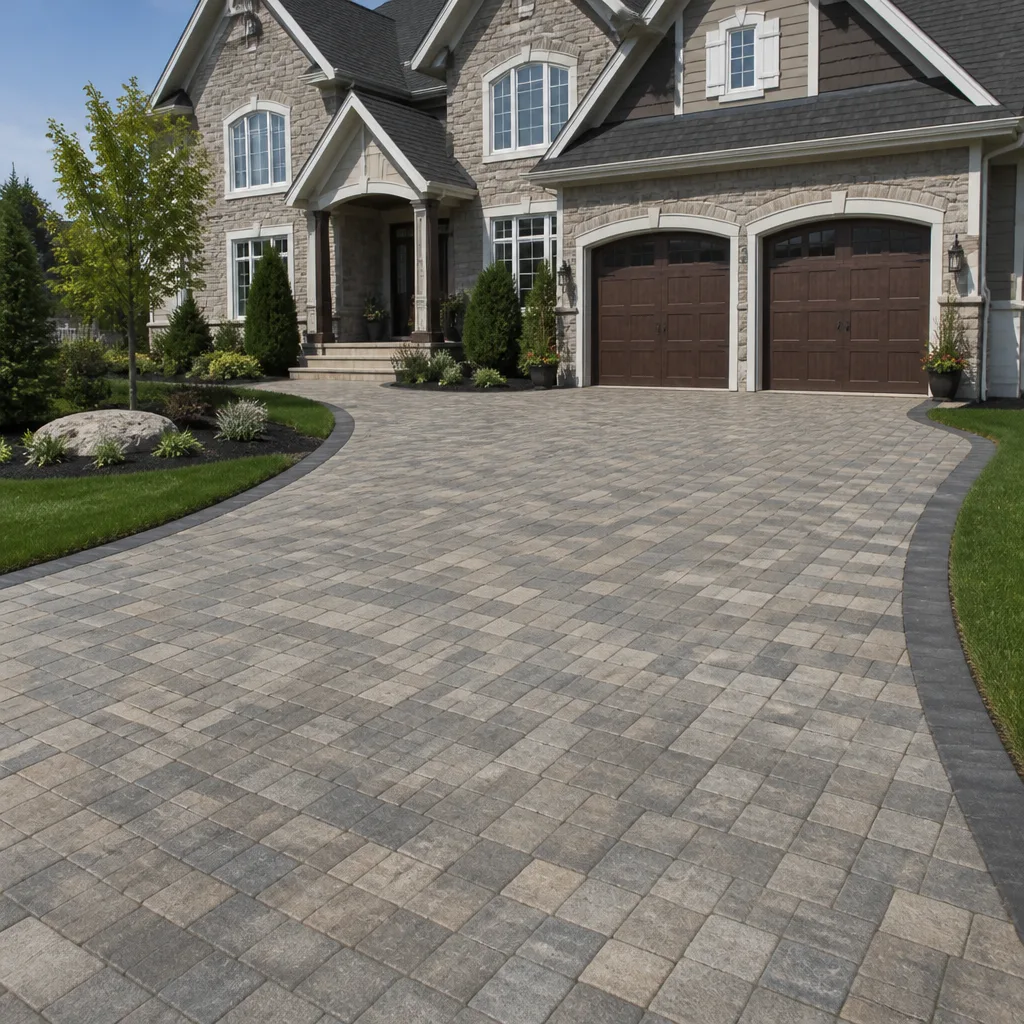
Styles & brands we work with
Signs Your CWS Home Addition or ADU Is Failing
- Cracks at the tie-in seam where the addition meets the original house. This is almost always differential settling. The addition’s slab or footings move at a different rate than the original foundation, and the seam opens up. In Woodland Hills, the clay-heavy soils expand and contract with winter rains and summer dry spells, which makes this worse than in coastal areas.
- Doors or windows in the addition that stick or won’t latch. When a corner of the addition drops even a quarter inch, door frames rack and the reveal gaps go uneven. You’ll notice it first on the door leading from the original house into the addition.
- Water staining on the ceiling or at the wall-to-roof intersection of the added space. CWS rooflines were typically tied into the original roof with a cricket or valley. If the flashing at that transition was never re-sealed, Woodland Hills winter rains find their way in and follow the framing down inside the wall cavity before showing up as ceiling stains.
- A floor that slopes or feels bouncy when you walk across the addition. Undersized joists or a settling perimeter beam can cause deflection. If you can feel movement, that’s not something to wait on.
- Mold or musty smells in the addition that never fully air out. This points to moisture trapped between the original wall and the addition framing. By the time you smell it, the vapor barrier or flashing has failed and the framing has been damp for a while.
Replacement Cost & What’s Included
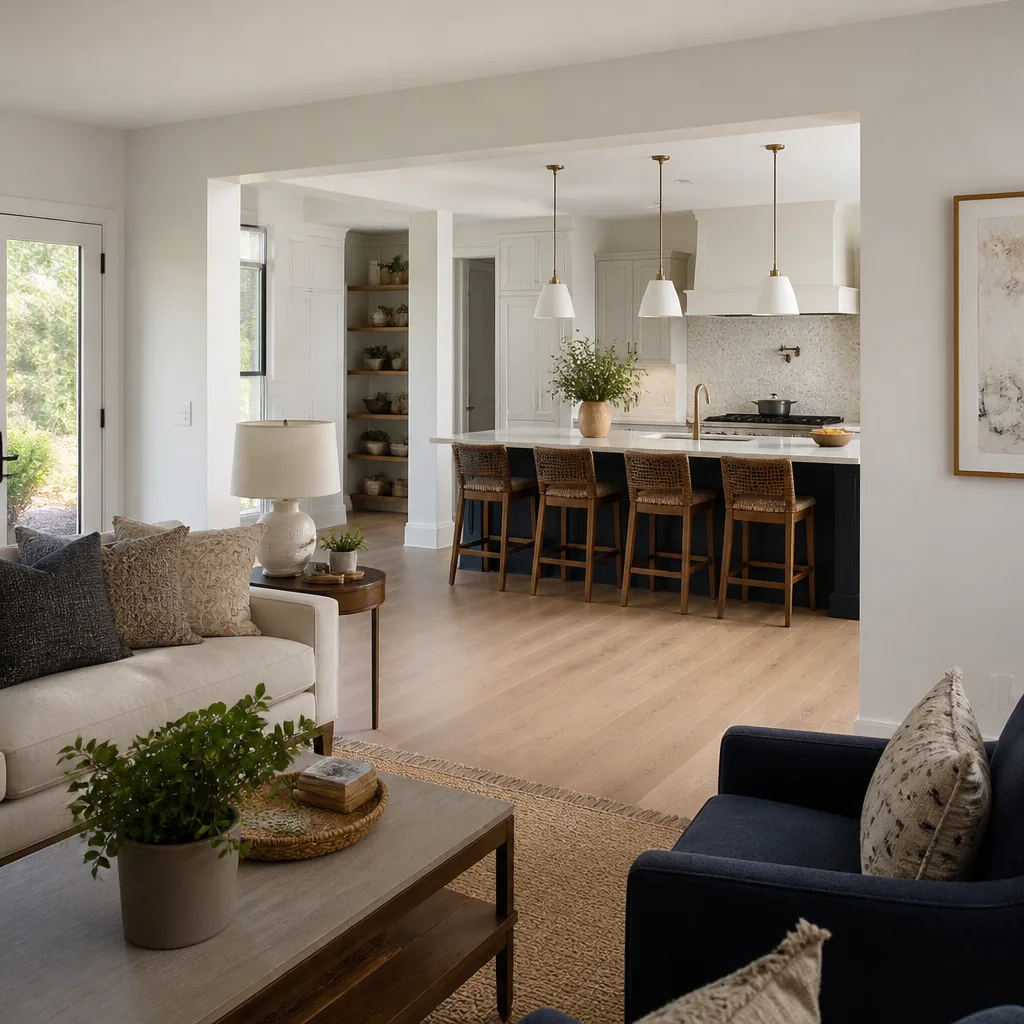
In Woodland Hills, a full CWS addition or ADU structural repair that involves re-framing a wall, correcting foundation settling, and re-flashing the roof tie-in typically lands between $45,000 and $130,000. Smaller scoped work costs less: replacing failed flashing and repairing localized water damage can run $4,000 to $12,000 depending on how much drywall and insulation has to come out. A full ADU rebuild from the slab up runs $90,000 to $220,000 when we’re matching existing square footage and finishes.
Every price we give is a written price before any work starts. You’ll know exactly what’s included: parts, labor, permit fees when applicable, haul-away, and a written guarantee with stated terms. No verbal estimates that grow on the final bill, no change orders unless you ask for a change. That’s how we’ve done it since 2004, and Isaac Pruett hasn’t wavered on it once.
See the difference
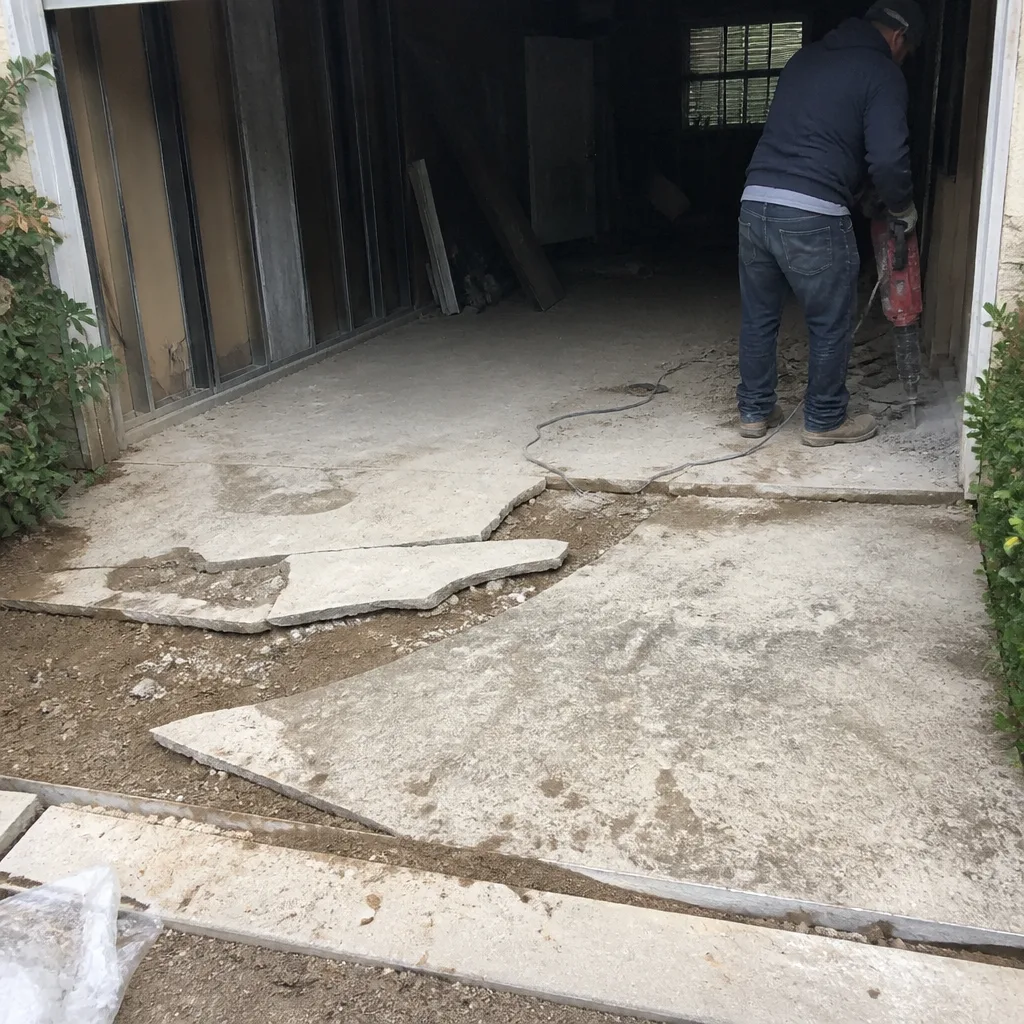 Before
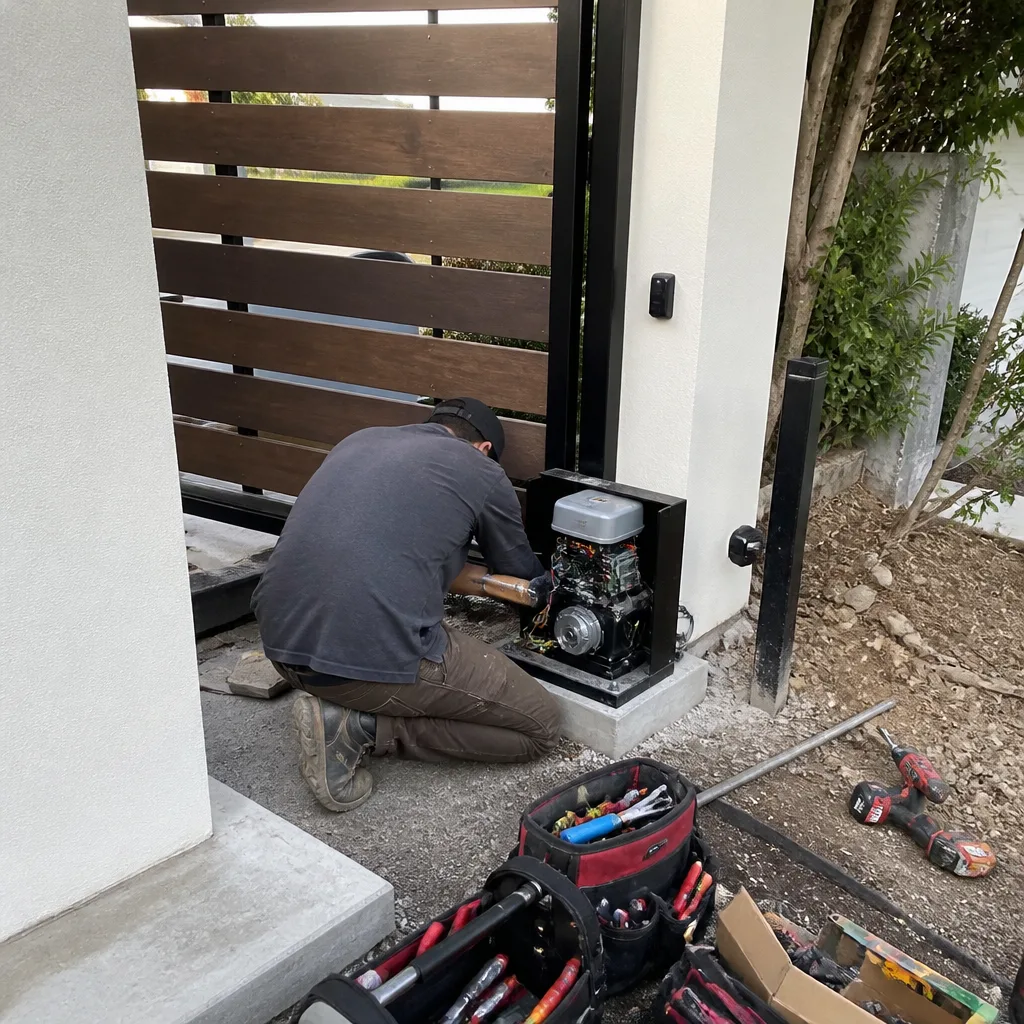 After
After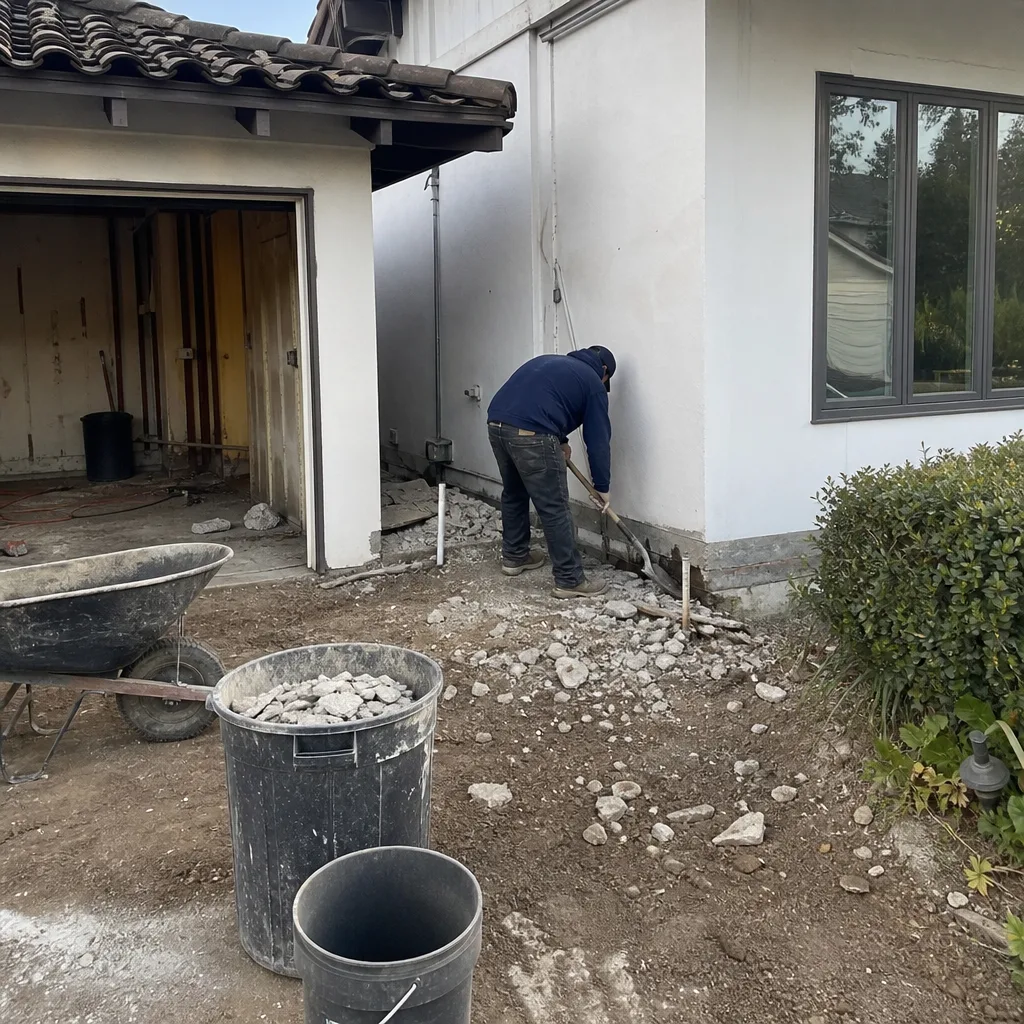 Before
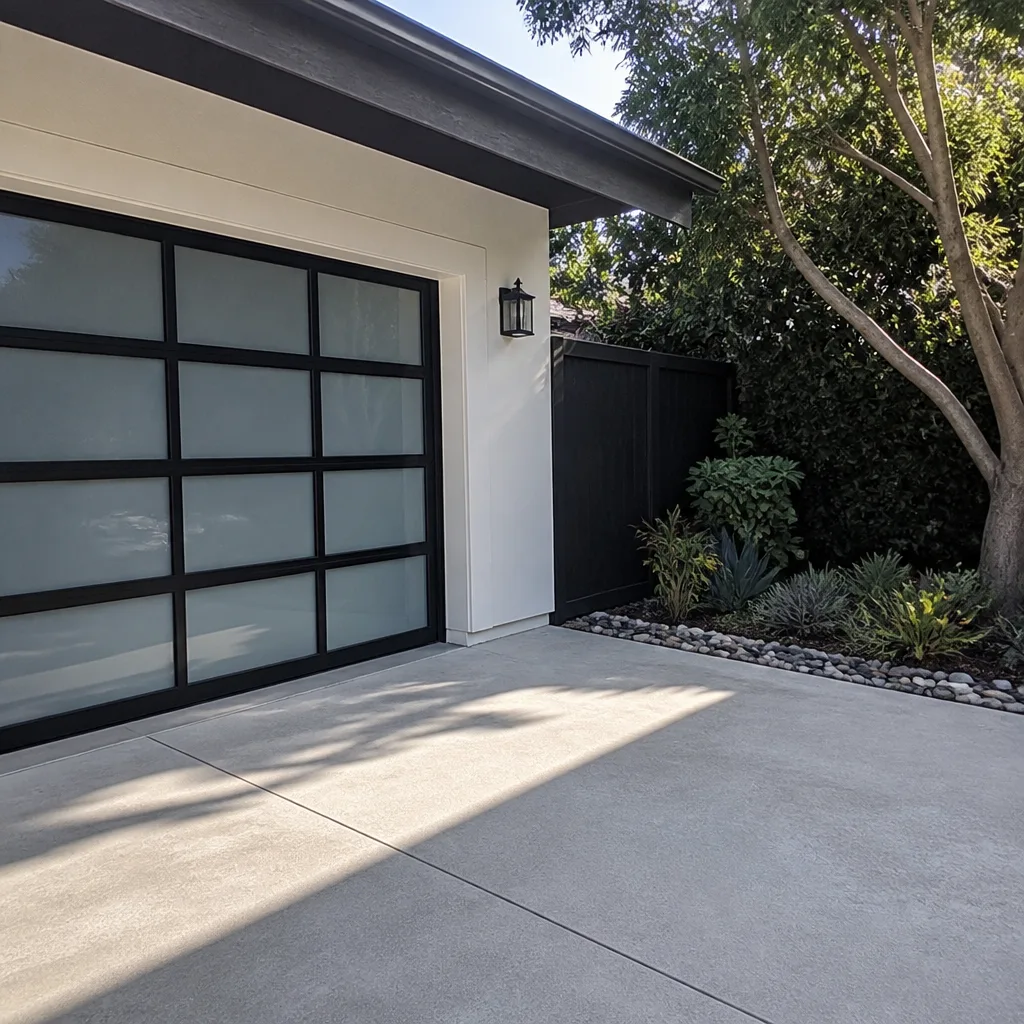 After
After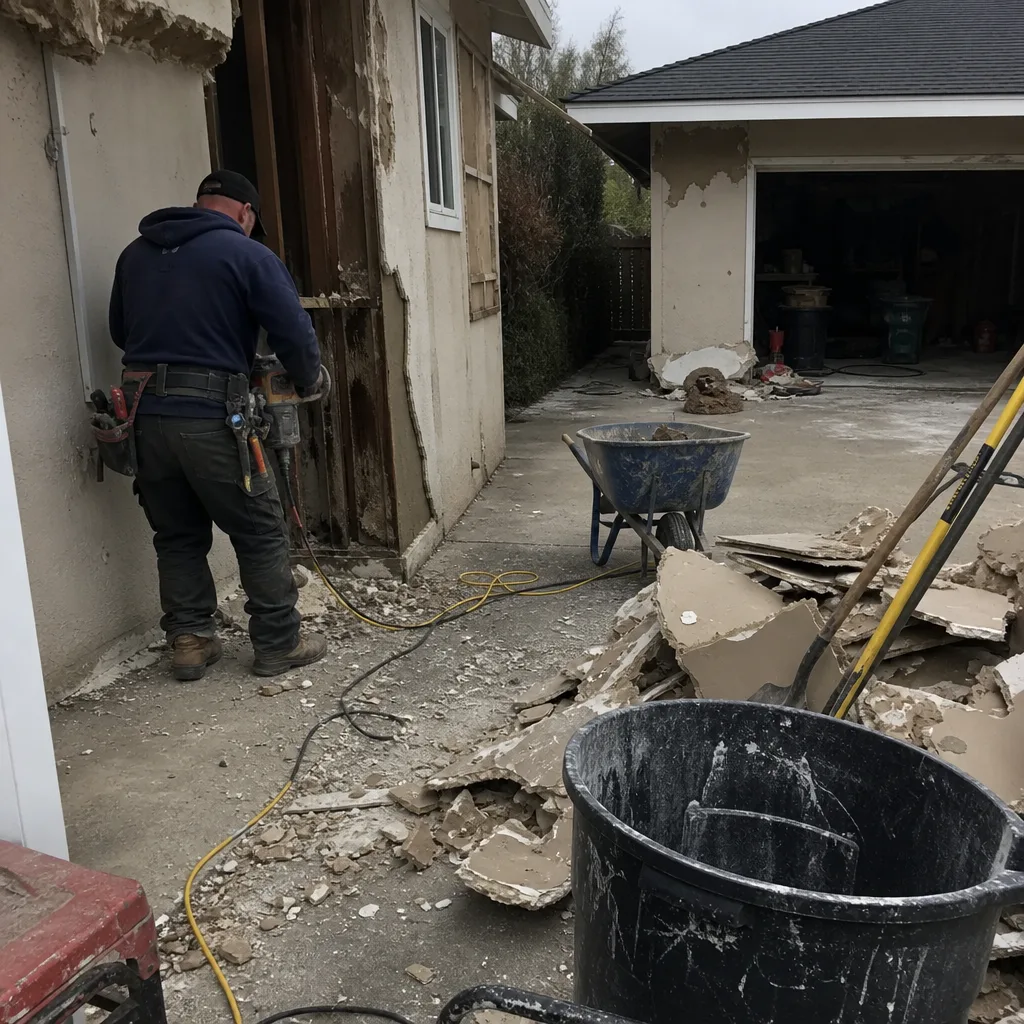 Before
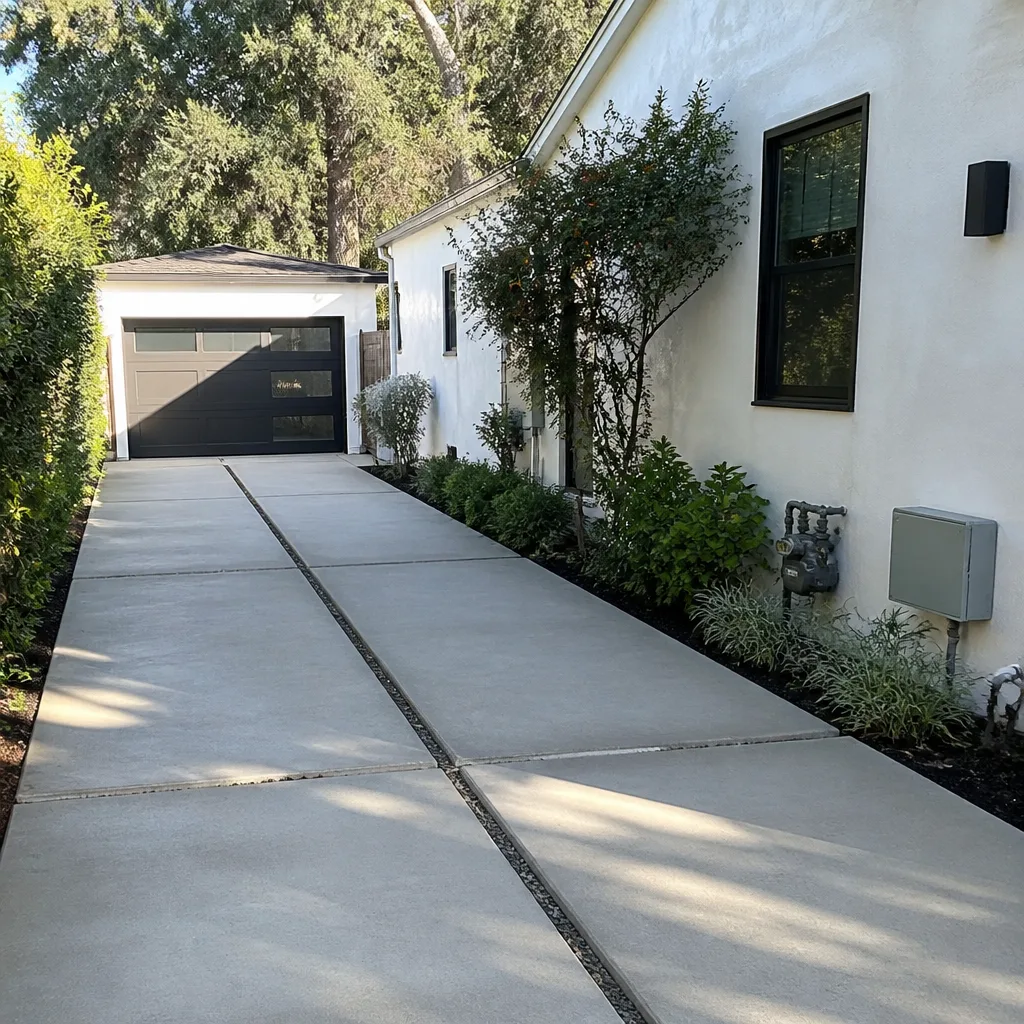 After
AfterDIY or Call Us?
Some things an owner can safely check: visible cracking at the tie-in seam, water stains, whether doors still latch cleanly, and whether the addition feels level when you walk it with a bubble level. Document what you find with photos and measurements. That actually helps us when we come out.
What you should not do is attempt structural repair yourself. Adjusting foundation piers, re-framing a load-bearing wall, or re-flashing a roof intersection without the right training and safety equipment can put you at serious risk, and a failed repair can make the original problem far more expensive to fix. Foundation and framing work also requires permits in Los Angeles city and county jurisdiction, and pulling those correctly matters for resale. Call us at (831) 290-6866 and we’ll walk the addition with you, take measurements, and tell you honestly what has to be done now versus what can wait. The estimate is free.
FAQs
A properly built addition in Woodland Hills should last 50 years or more, but the original tie-in flashing and expansion joint material often need attention at the 10 to 15 year mark because of the Valley’s dry heat and seasonal soil movement. The structure can be sound while the transition details fail, which is why we recommend owners have the seam inspected every few years after the first decade.
Yes, in most cases. Unless we find widespread termite damage, rotted framing throughout, or a slab that has cracked and dropped more than a couple of inches, targeted repairs at the tie-in point, new flashing, and localized framing correction will get the addition back to solid. Call (831) 290-6866 and we’ll tell you straight which one you have.
A typical flashing and water-damage repair on a CWS addition takes 3 to 5 working days. Full structural correction with foundation work and re-framing usually runs 2 to 4 weeks depending on permit review times and whether we’re matching existing stucco or siding. You’ll get a written schedule before work starts, and if anything changes, you’ll hear about it from a live person, not a voicemail loop.
We keep common flashing profiles, hold-downs, shear wall hardware, anchor bolts, and expansion joint material on our trucks. For finish components like windows, doors, roofing, and siding, we source specification-grade products from manufacturers we trust: CertainTeed and Owens Corning for roofing, Milgard for windows, plus cabinet and surface lines like KraftMaid, Cambria, and Silestone when the job calls for interior finish work.
Get Your CWS Addition or ADU Assessed
If you’re seeing cracks, water stains, or sloping floors in your CWS addition or ADU in Woodland Hills, don’t wait for the next rain to find out how bad it is. Call (831) 290-6866 for a free estimate. We’ll send a background-checked technician with a photo ID badge and a marked uniform, we’ll put the price in writing before anything starts, and if the work isn’t right within 365 days of completion, we’ll make it right at no cost to you. That’s our 365-Day Done Right Promise, and it’s in writing on every job.
Written by Isaac Pruett, Owner, Mason Remodeling Co – Woodland Hills, CA at Mason Remodeling Co Woodland Hills, serving Woodland Hills and nearby areas.