Free written scope consultation - allowances, timeline, and change-order rules on paper before a single trade is scheduled
Cover Roofing: The Woodland Hills Owner’s Guide
Cover roofing parts in Woodland Hills typically run $400 – $1,800 for repairs and $8,000 – $20,000 for a full replacement, depending on the extent of damage and the specific Cover component needed. We stock Cover-compatible roofing materials and can usually diagnose the failure within one visit. Most Woodland Hills homeowners discover a problem the same way: a water stain on the ceiling after the first real rain of the season, granules collecting in the gutter, or a visible tear in the underlayment after a Santa Ana wind event.
What we see regularly in this part of the Valley is that the roofing system itself rarely fails all at once. It’s the seams, the flashing, and the sealant points that go first, especially on south-facing and west-facing slopes that take the full afternoon sun in July and August. Woodland Hills heat is hard on roofing materials, and Cover components are no exception.
Which Cover Models This Applies To
Cover built several roofing product lines over the years, and compatibility is where homeowners get tripped up. The most common in Woodland Hills are the Cover Standard series and the Cover Plus architectural line. The Standard series uses a 3-tab profile with a 20-year rated lifespan under normal conditions. The Plus line runs heavier, with a dimensional profile and a 30-year rating, but it also requires a thicker underlayment spec. You can’t mix the two: a Plus shingle on a Standard underlayment will void the material warranty and, more importantly, fail early in our dry heat.
Here’s the checkable detail most pages won’t tell you: Cover stamps the back of each shingle with a two-digit batch code. The first digit indicates the series (1 for Standard, 2 for Plus), and the second digit indicates the production year. If your roof is older than the rated lifespan and you’re replacing a patch, the new shingles will not match the weathered color exactly, even if they’re the same product. OEM Cover parts are available through certified distributors, but quality aftermarket equivalents with the same wind rating and weight class run 20 – 30% less and hold up the same in our climate. We’ll quote both and let you decide.
One more compatibility gotcha: Cover Plus shingles are 13¼ inches wide. Cover Standard shingles are 12 inches wide. A lot of the “Cover-compatible” material sold at big-box stores is actually generic 12-inch stock that doesn’t line up with Plus roof lines. If you’ve got Plus, you need Plus-width material, period.
Styles & brands we work with
Signs Your Cover Roofing Is Failing
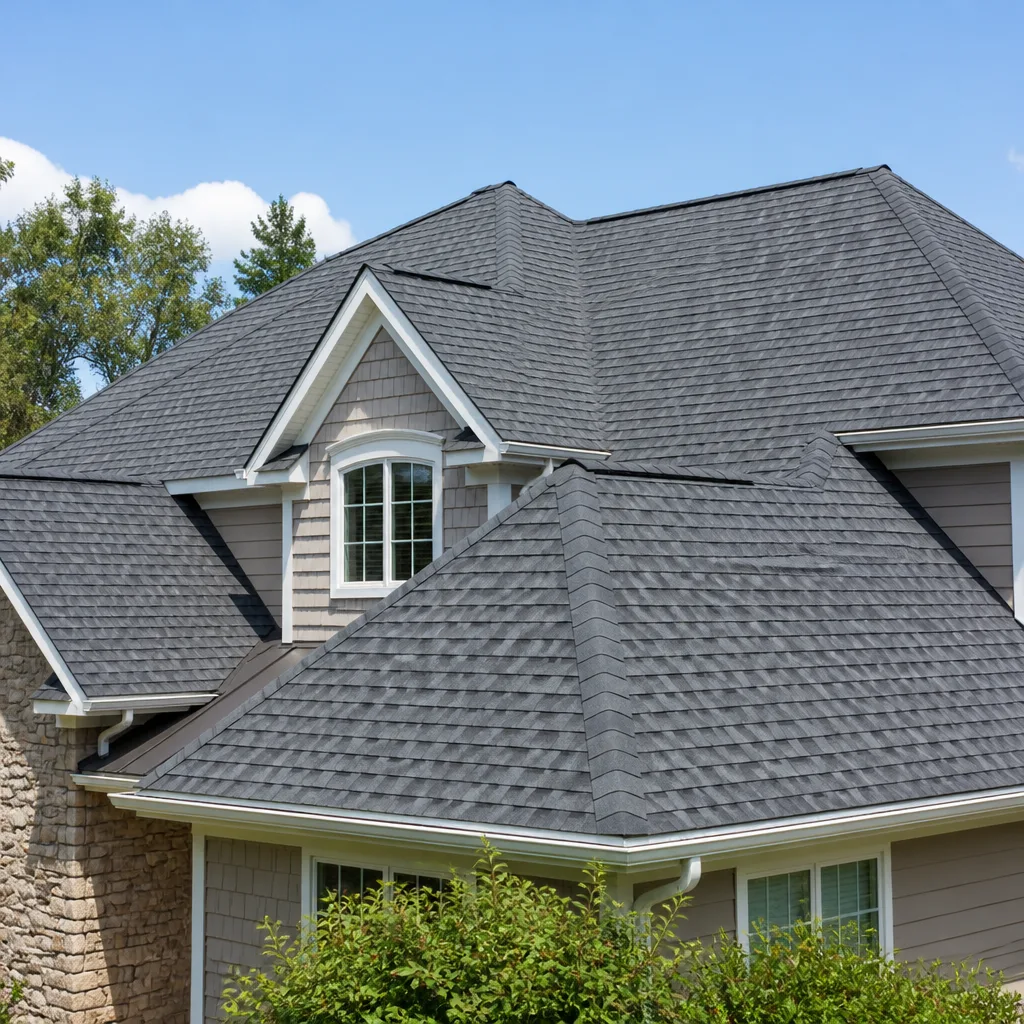
- Granules in the gutter after dry spells. Cover shingles shed granules naturally as they age, but concentrated granule loss, especially near the eaves, means the asphalt layer is oxidizing faster than it should. In Woodland Hills, the west-facing slope usually goes first because it takes the strongest afternoon sun.
- Water stain in a corner of a bedroom or hall ceiling. This is rarely a “roof leak” in the traditional sense. It’s usually failed flashing at a valley or a pipe boot that’s cracked from heat cycling. The shingles above it are often fine, but the water finds its way in at the seam.
- Visible curling at the edges of shingles on the south slope. Curling means the shingle’s internal structure is breaking down. By the time you see it from the ground, the roof has already lost a good portion of its service life. This happens faster in Woodland Hills than in coastal areas because of the sustained heat.
- Loose material in the yard after wind events. Santa Ana winds in the fall regularly lift shingles that have lost their sealant strip. If you’re finding shingle tabs in the yard or in the pool after a windy week, your sealant points have failed and the roof is now vulnerable to the next rain.
- Dry rot or sagging in the eaves under the gutter line. This isn’t always visible from the ground, but if you’re up on a ladder cleaning gutters and notice the fascia or the decking feels soft, moisture has been getting in for a while. In Woodland Hills, the dry-then-rain cycle means rot often hides behind seemingly solid paint.
See the difference
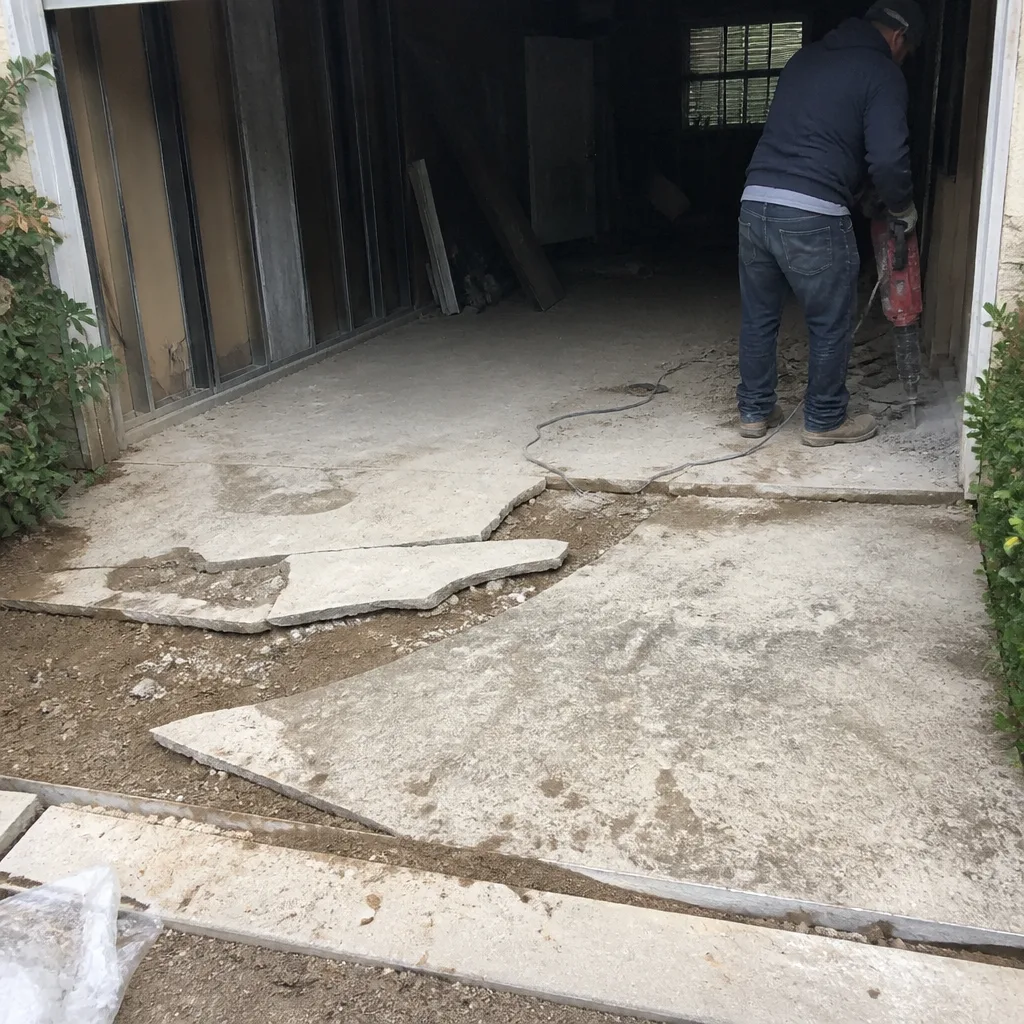 Before
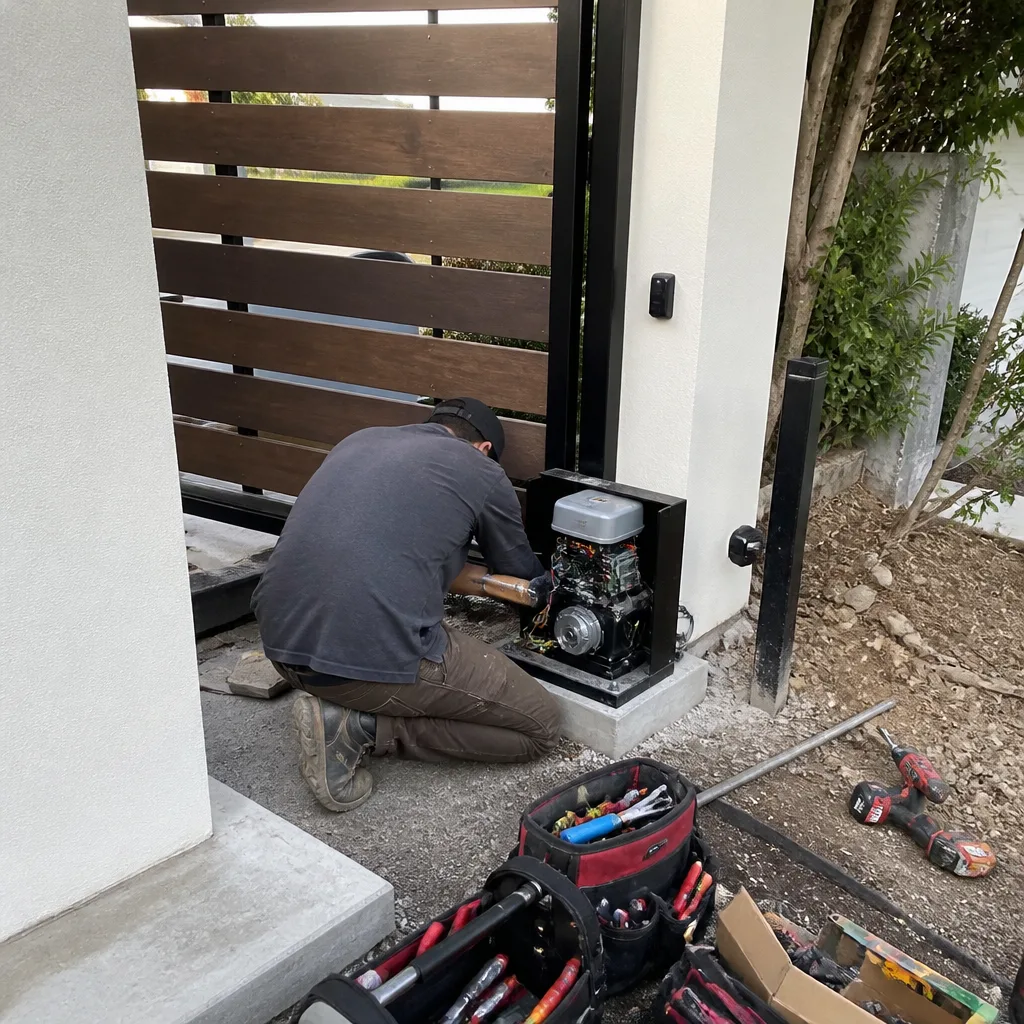 After
After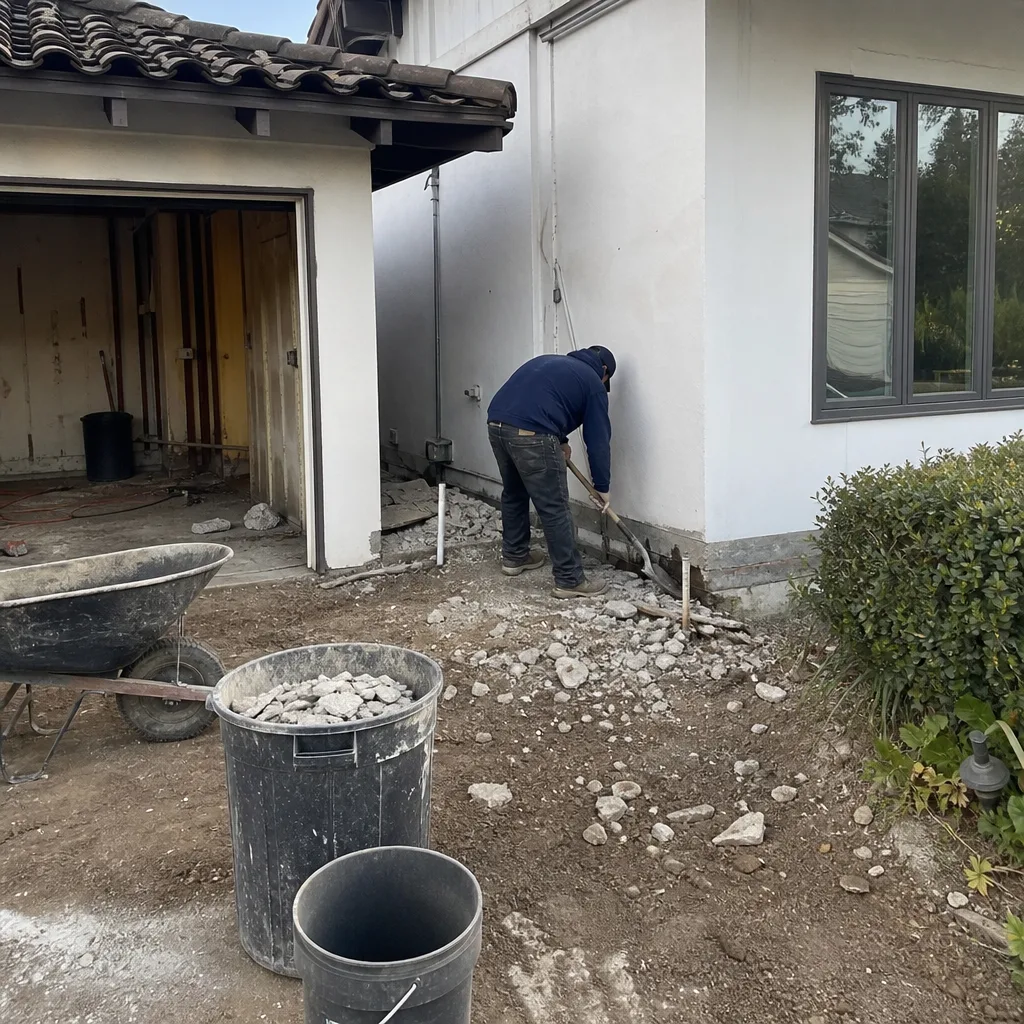 Before
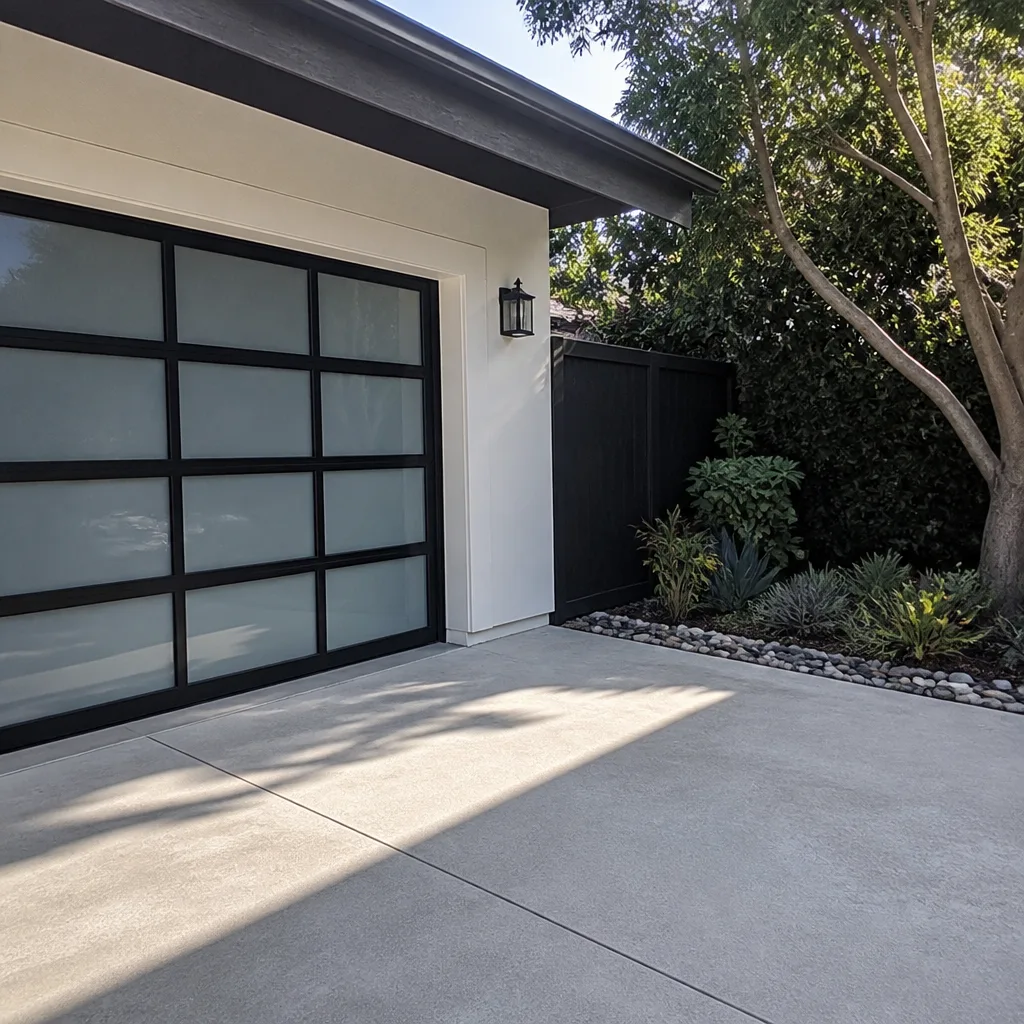 After
After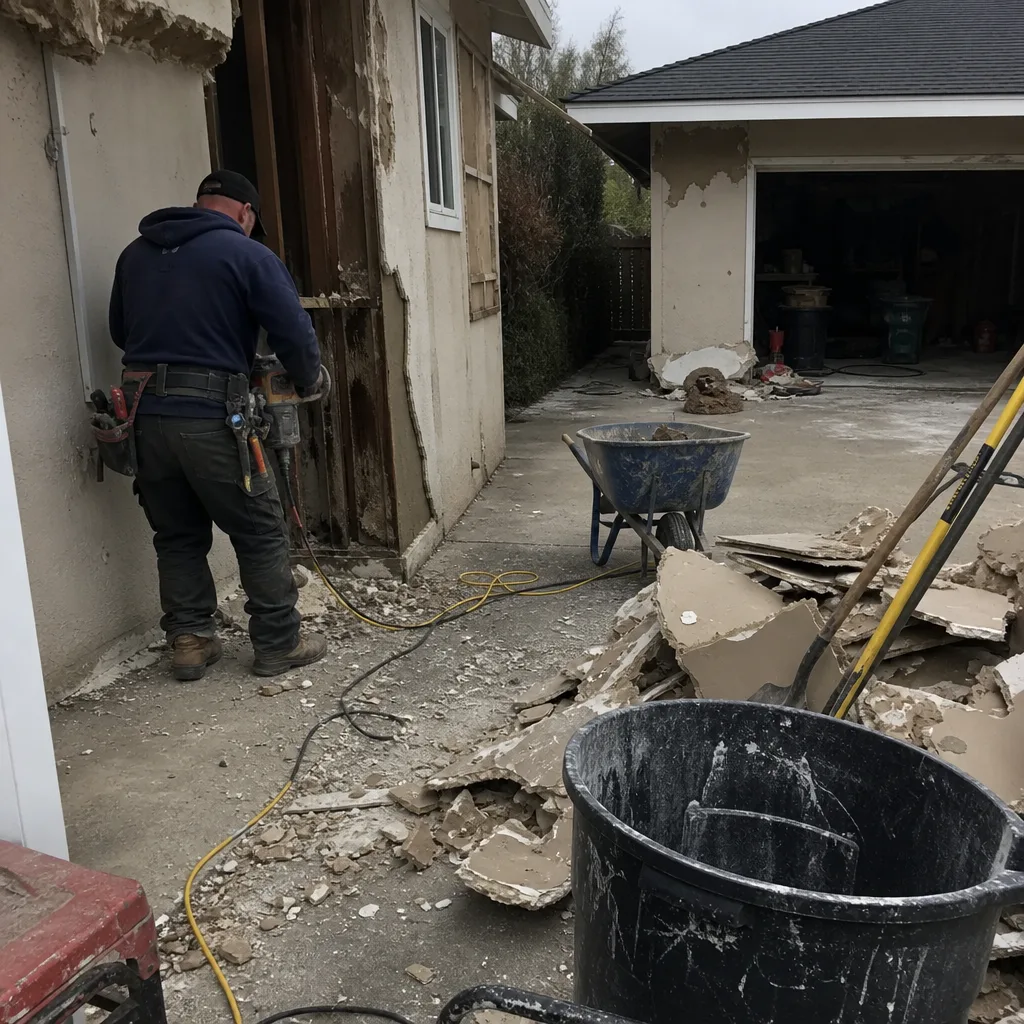 Before
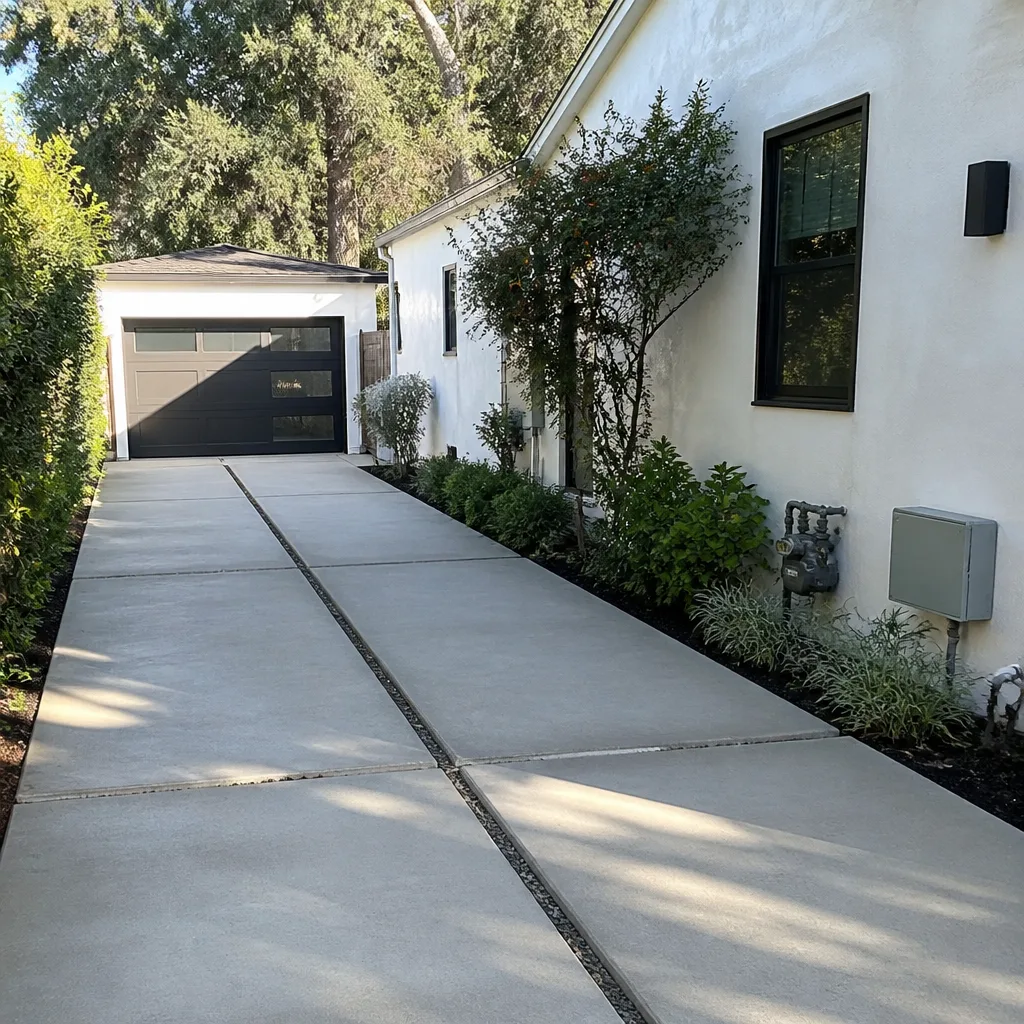 After
AfterReplacement Cost & What’s Included
In Woodland Hills, a targeted Cover roofing repair runs $400 – $1,800 installed. That range covers everything from a single pipe boot replacement at the low end to a full valley rebuild with new flashing and underlayment at the high end. A full Cover roof replacement runs $8,000 – $20,000, and the spread comes from roof size, pitch, the condition of the decking beneath, and whether we’re matching the Standard series or the Plus series.
What drives the price in this part of the Valley specifically: access. A steep second-story roof in a hillside neighborhood like those south of Ventura Boulevard takes longer, requires more safety equipment, and the crew moves slower. That’s reflected honestly in the quote. Every quote is a written, line-item price delivered before any work starts. No verbal estimate that grows later. Parts and labor are separate lines, so you see exactly what you’re paying for. The workmanship warranty runs 365 days from the completion date, and we state plainly what’s covered and what isn’t.
DIY or Call Us?
You can safely check a few things from the ground: look for missing shingle tabs after wind, check gutters for seasonal granule buildup, and scan the ceiling under known valley lines for new water marks. What you should not do is get on the roof itself. Roof work on a pitched surface is genuinely dangerous, and in Woodland Hills, the two-story hillside homes add real fall risk. One wrong step on a steep pitch with a loose shingle underfoot is not worth saving a service call.
The middle ground is this: if you’re comfortable on a ladder, you can clear gutter debris and inspect the eaves up close. But any repair involving sealant, flashing, underlayment, or shingle replacement is a job for someone who does this every week and carries the right insurance. Call us at (831) 290-6866 and we’ll take a look. The diagnosis visit is the starting point, not the commitment.
FAQs
Cover Standard shingles typically last 15 – 18 years in Woodland Hills, short of the 20-year rating, because our sustained summer heat accelerates asphalt oxidation. Cover Plus shingles usually make it 22 – 25 years. Call (831) 290-6866 for an honest assessment of what’s left on your specific roof.
Most failures we see in Woodland Hills are repairable: flashing, pipe boots, valley seams, and isolated shingle damage are all $400 – $1,800 fixes. A full replacement only makes sense when the shingle field itself is shot. We’ll tell you which situation you’re in, and why, before any work is quoted.
A typical flashing or pipe boot repair takes half a day, including setup and cleanup. A full valley rebuild runs a full day. A complete replacement takes 2 – 4 days depending on roof size and pitch. The written quote includes a timeline so you know what’s happening each day.
We stock the common failure points on the truck: pipe boots, sealant, valley metal, and a limited selection of Cover Standard shingles in the two most common Woodland Hills colors. If you need Plus-width material or a specific color match, we source it from our distributor within a day or two. We also maintain a supply of compatible aftermarket components across brands like KraftMaid, Cambria, and Silestone for adjacent finish work, though roofing material is our primary stock.
If you’re staring at a water stain or wondering whether last year’s Santa Ana winds took a toll on your roof, the fastest path to an answer is a phone call. Tell me what you need done. I’ll tell you what it takes and what it costs. Then we get to work. Reach us at (831) 290-6866 for a free estimate, and you’ll have a written price in hand before any decision has to be made.
Written by Isaac Pruett, Owner, Mason Remodeling Co – Woodland Hills, CA at Mason Remodeling Co Woodland Hills, serving Woodland Hills and nearby areas.