Free written scope consultation - allowances, timeline, and change-order rules on paper before a single trade is scheduled
CGI Home Additions & ADU: The Woodland Hills Owner's Guide
CGI home additions and ADU construction in Woodland Hills typically runs $45,000 – $130,000 installed, depending on square footage, foundation work, and finish level. We stock and install CGI-compatible components across the full addition and ADU build, and our crews can usually be on your property within a few days of your call. Most Woodland Hills homeowners discover they need this work when a city inspector flags an unpermitted structure, when a growing family runs out of room, or when a rental ADU stops meeting current code requirements.
You’re likely here because you either have a CGI structure showing its age, or you’re planning an addition and want components that won’t fight you two years down the road. Either way, the numbers and compatibility details below will save you time before you ever pick up the phone.
Key Takeaways
- CGI home additions in Woodland Hills: $45,000 – $130,000 full build, with ADU construction running $90,000 – $220,000 depending on kitchen/bath packages
- CGI components are engineered for specific load ratings – mixing in generic framing or incompatible connectors voids most manufacturer specs
- Southern California dry heat and occasional heavy rain cycles put real stress on exterior CGI wall panels and flashing
- We provide written line-item pricing before any work begins, and every crew member arrives with a photo ID badge and uniform you know in advance
Styles & brands we work with
Which CGI Models This Applies To
CGI manufactures several product lines that show up regularly in Woodland Hills additions and ADUs: their structural insulated panel (SIP) systems, exterior sheathing and wall panel assemblies, and their pre-engineered window and door opening components. The most common compatibility gotcha we see involves panel thickness – CGI panels come in 4.5-inch and 6.5-inch core depths, and a homeowner who patches with the wrong depth ends up with visible wall offsets at every seam.
To identify what you have, look for the CGI stamp on the panel edge or the manufacturer label inside a door buck or window rough opening. The label will show the panel series, the manufacturing date, and the R-value rating. If the label is gone, we measure panel core depth and check the foam type – EPS core versus polyiso core changes both insulation performance and how we mate new panels to old ones. For OEM parts, we always recommend staying with CGI-spec components rather than generic aftermarket substitutes because the panel interlock profiles are not universal. A panel that looks close at the corner will leak at the first winter rain if the tongue-and-groove geometry is off by a few millimeters.
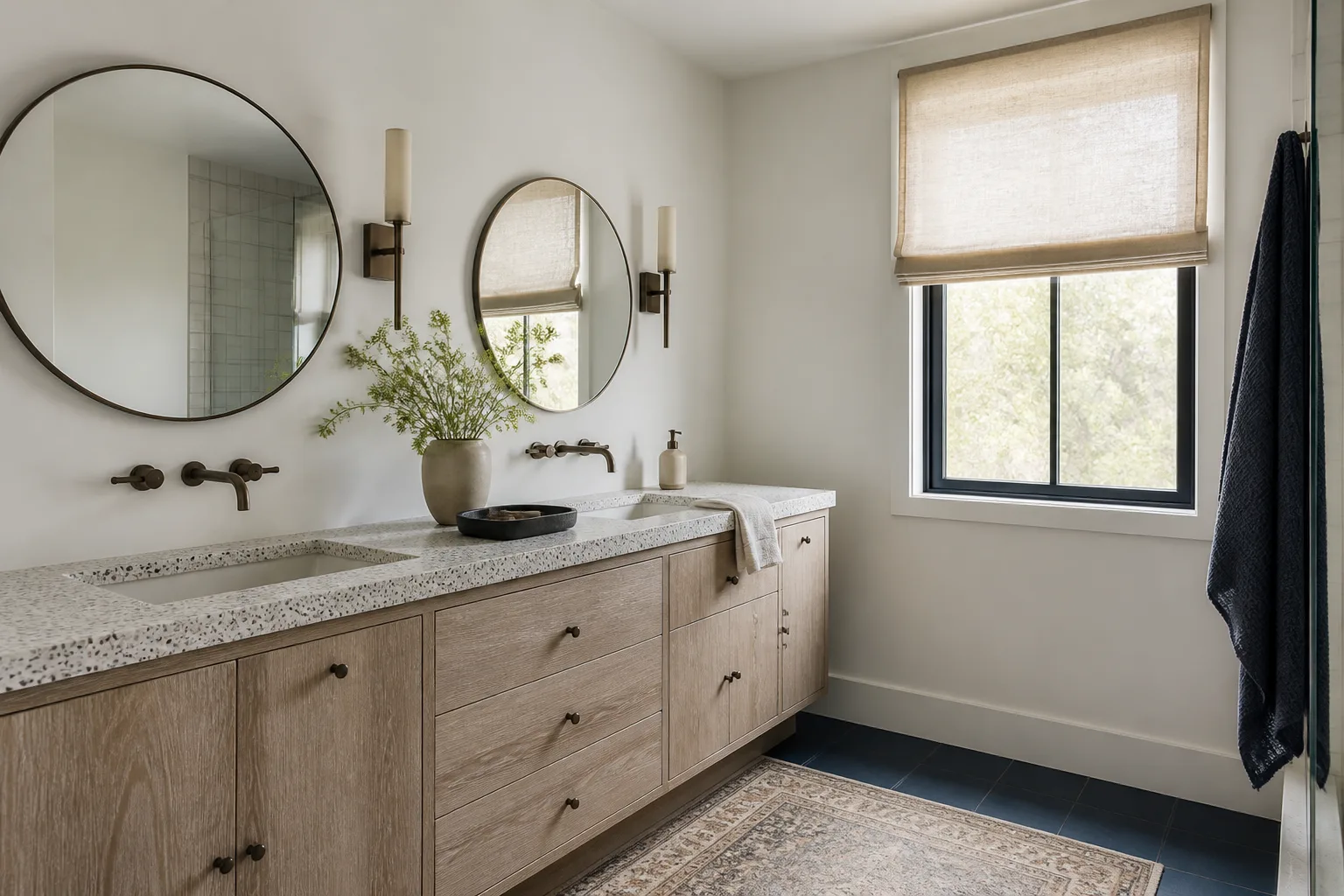
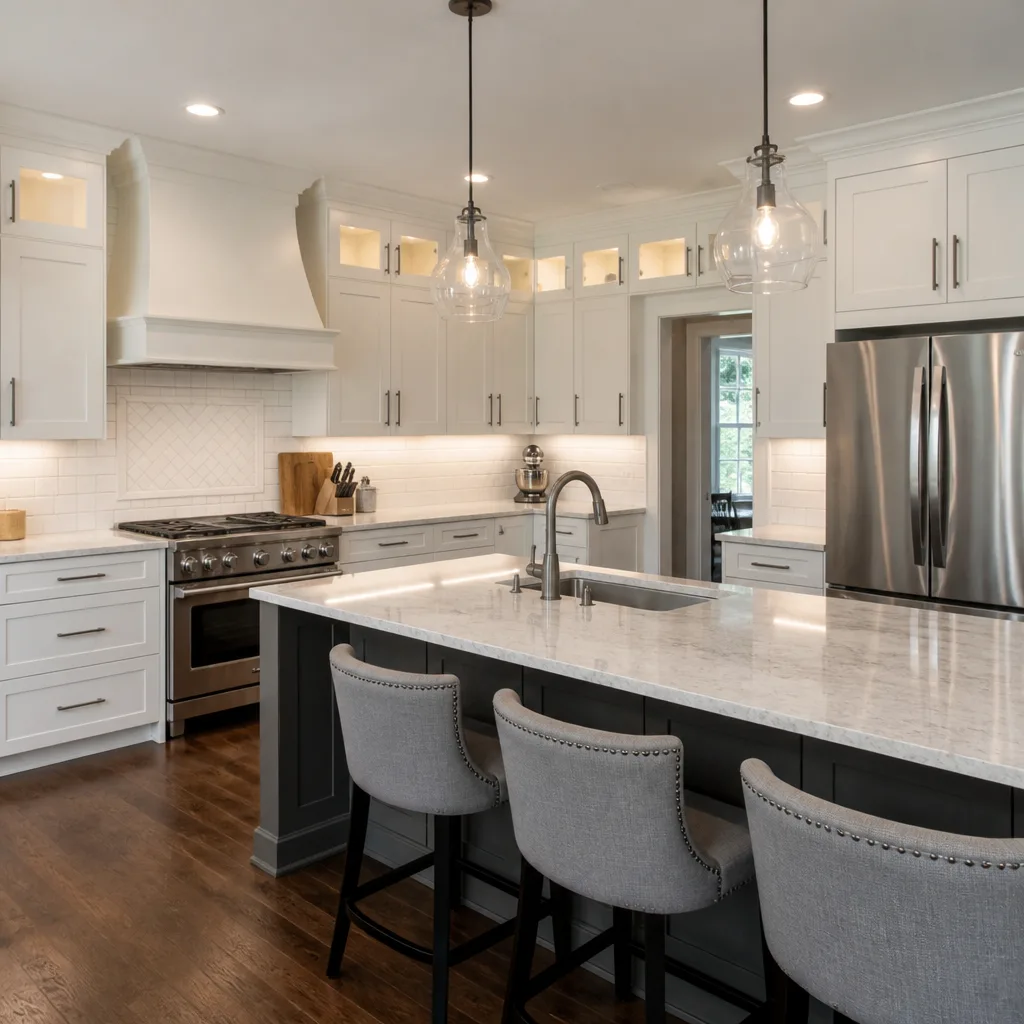
We also carry and install CGI-compatible window and door headers, base plate connections, and the flashing details CGI specifies for their wall-to-foundation transitions. If your addition will also include cabinetry or countertops, we stock KraftMaid, Cambria, and Silestone as finish options, which means you’re not running to three different suppliers mid-project.
Signs Your CGI Home Additions & ADU Is Failing
- Soft spots or bubbling on exterior wall surfaces. This usually means moisture has gotten behind the CGI panel facing during a heavy rain cycle. Woodland Hills doesn’t see constant rain, but when it comes, failed flashing at window heads or base channels lets water sit against the panel core.
- Visible panel seam separation at corners. CGI panels expand and contract with temperature swings. If the original install used the wrong fastener pattern or the panels weren’t seated fully into their interlock, you’ll see gaps open at the corners first, especially on south-facing walls that catch full afternoon heat.
- Doors or windows that suddenly stick or bind. This points to settlement or a foundation issue under the addition. CGI structures are rigid systems – they transfer movement directly to the opening frames rather than absorbing it like stick framing.
- Musty smell inside the ADU or addition after rain. Water is entering somewhere it shouldn’t. In CGI construction, the biggest culprits are roof-to-wall transition details and unsealed panel joints that were never properly taped.
- Cracked drywall at wall-to-ceiling joints inside the existing house where the addition ties in. The connection point between old framing and CGI panels moves differently. If the tie-in detail wasn’t engineered for differential movement, you’ll see cracking at exactly that transition line.
See the difference
 Before
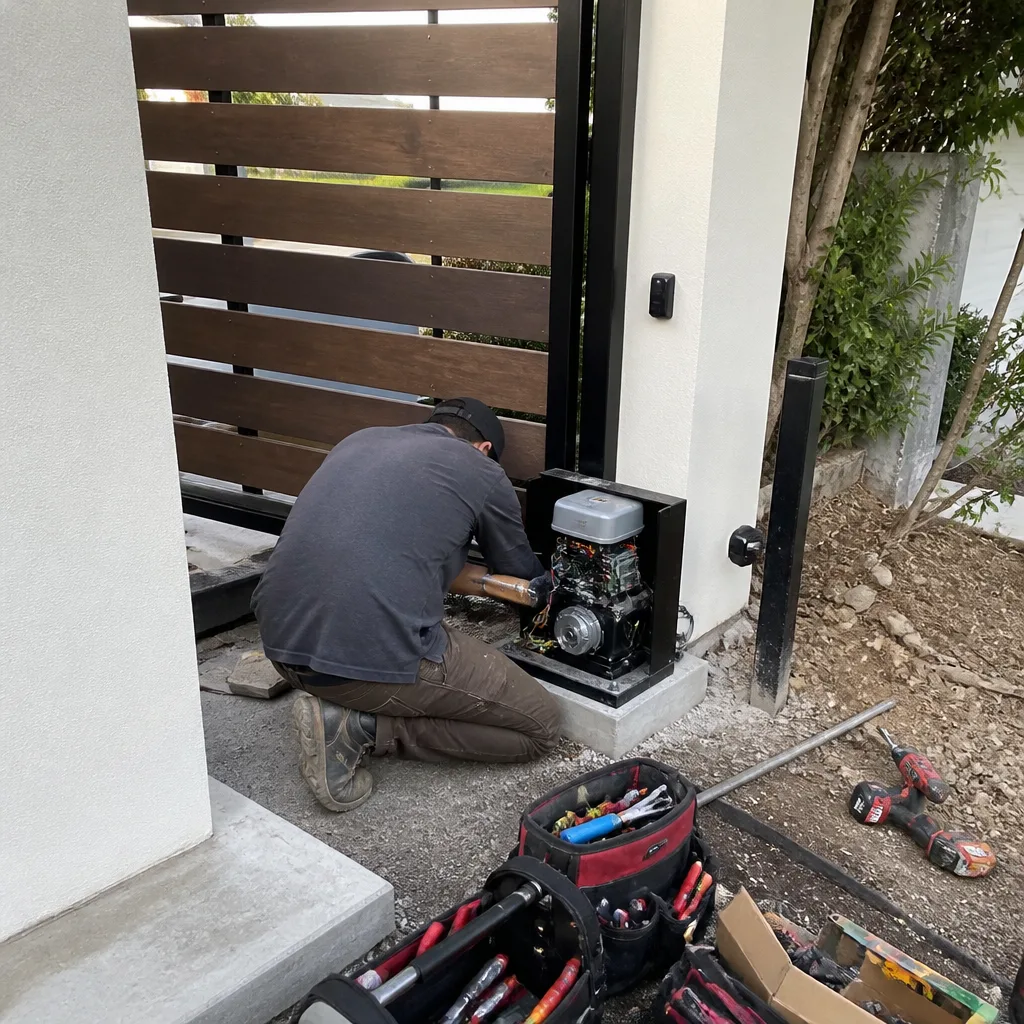 After
After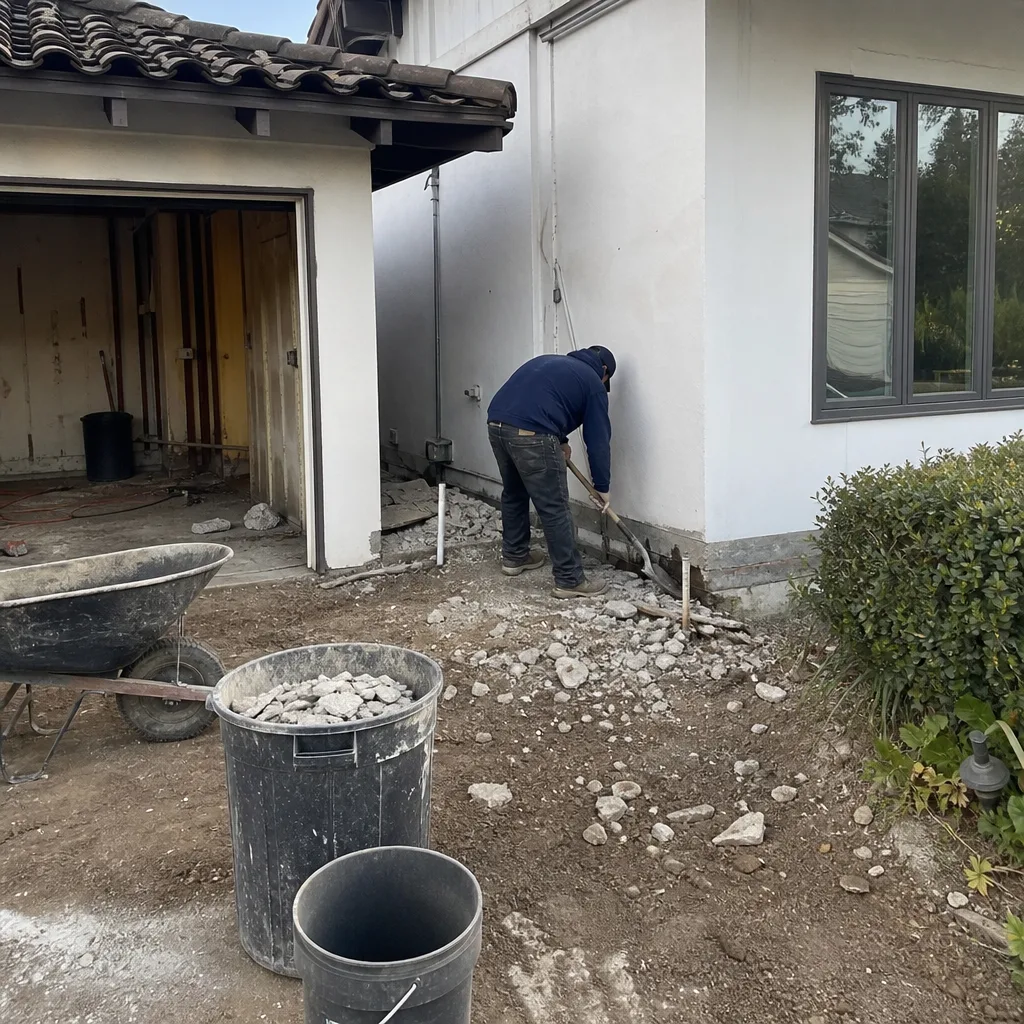 Before
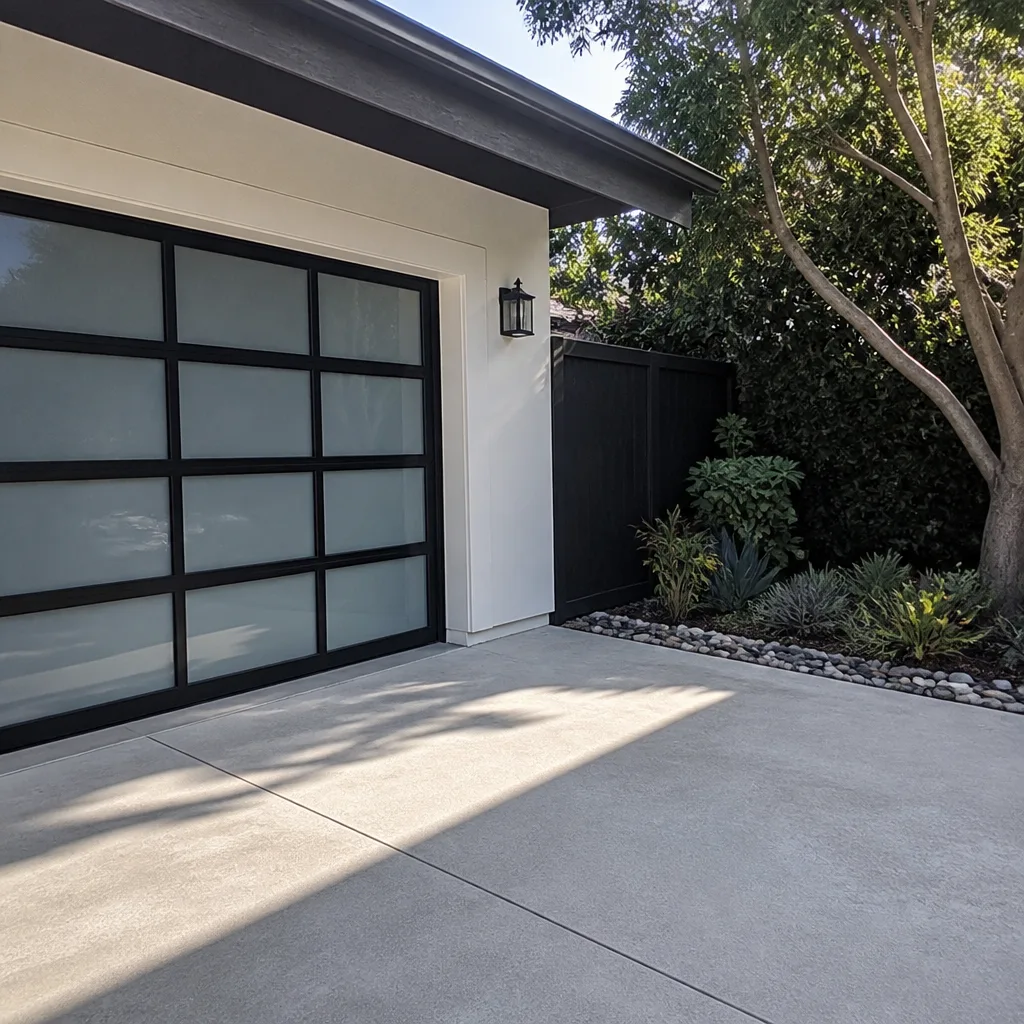 After
After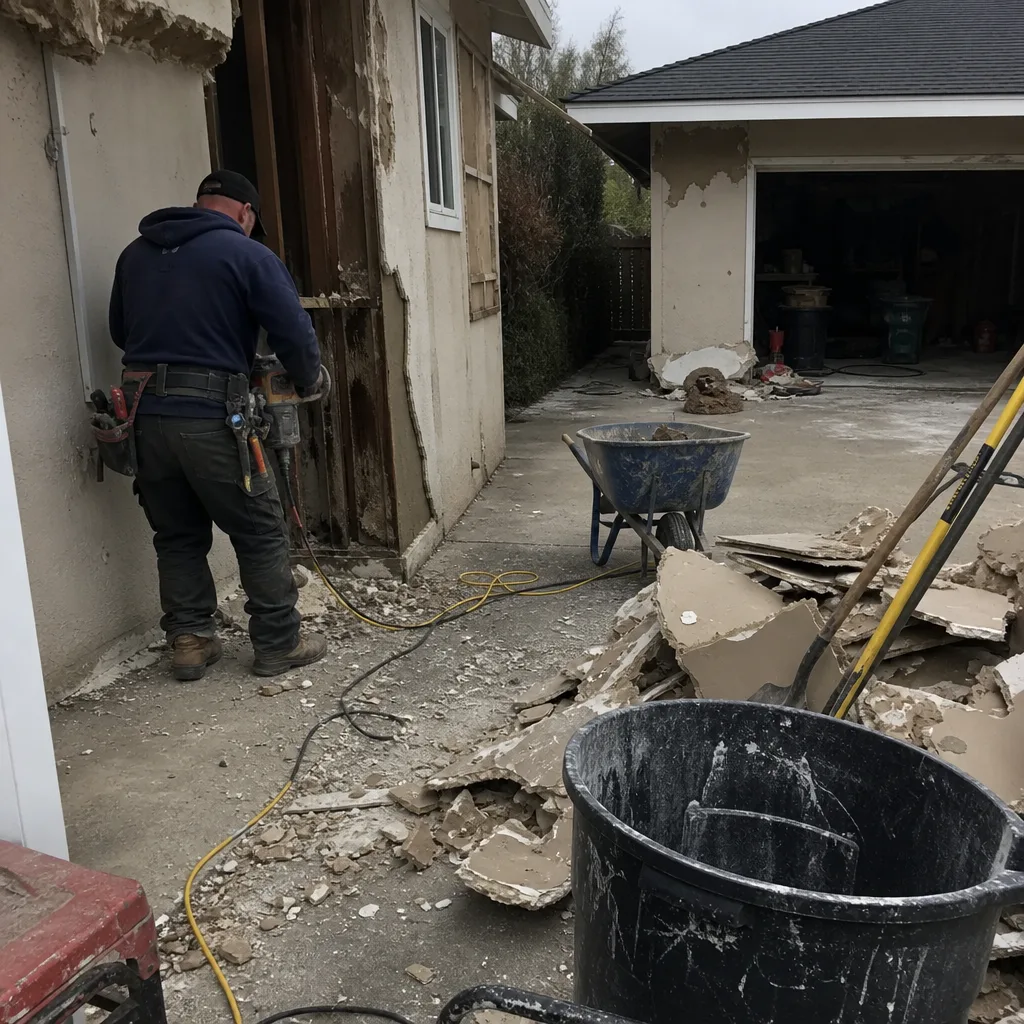 Before
 After
AfterReplacement Cost & What’s Included
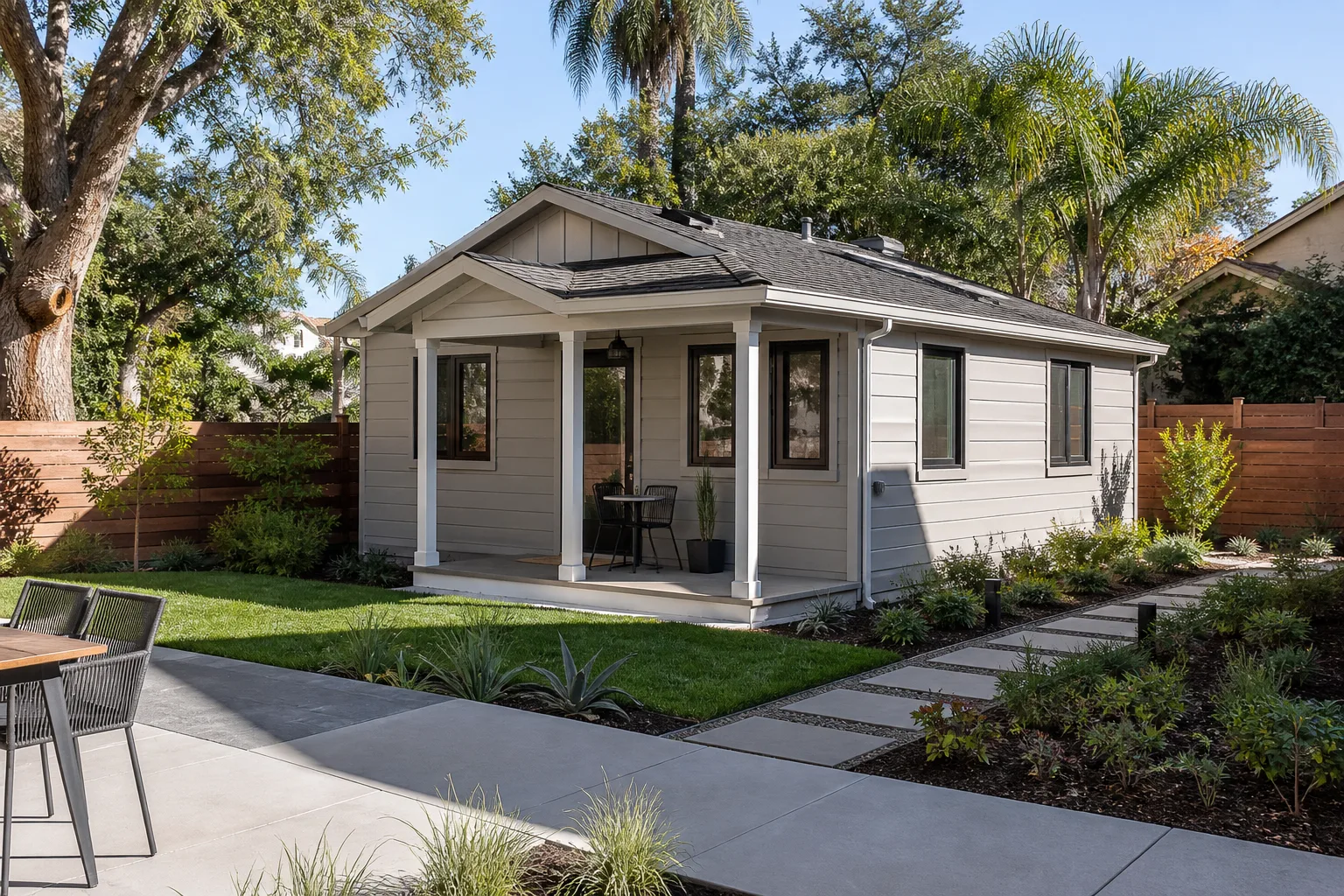
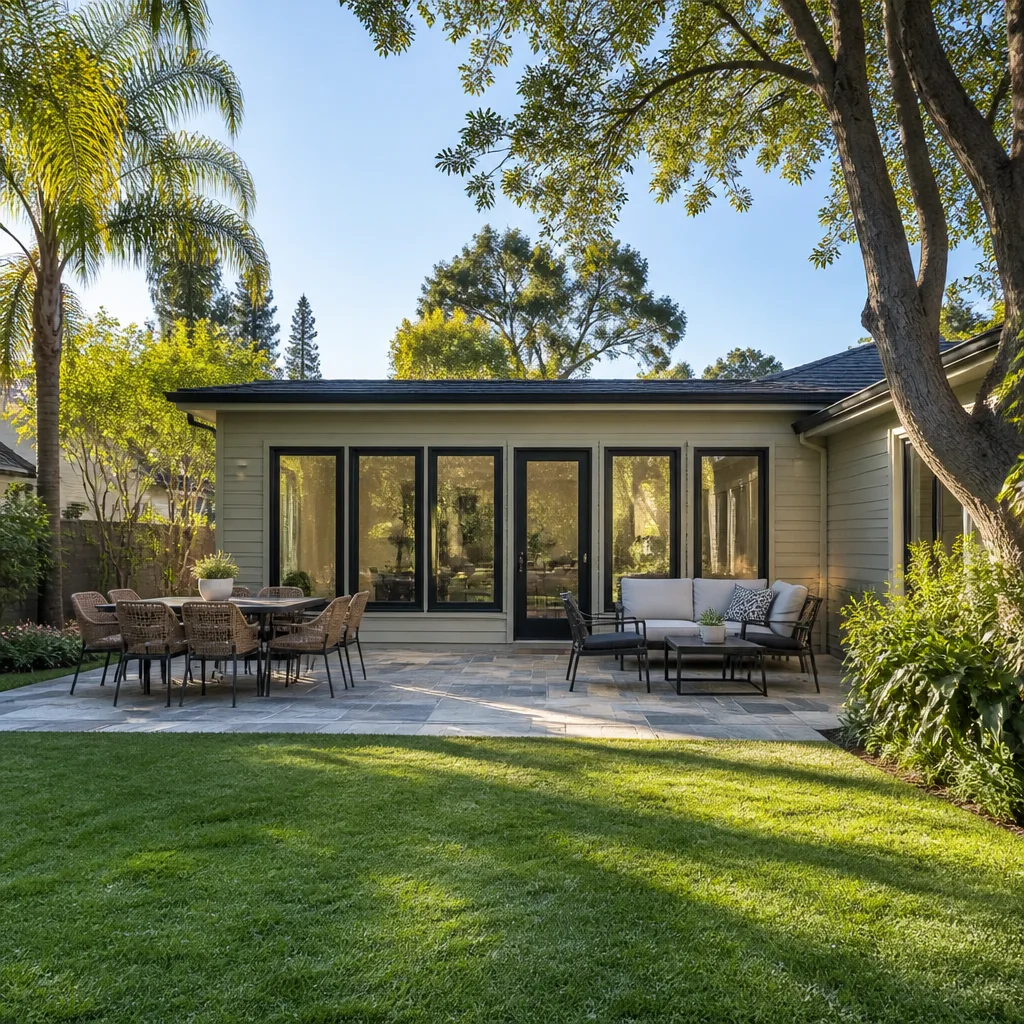
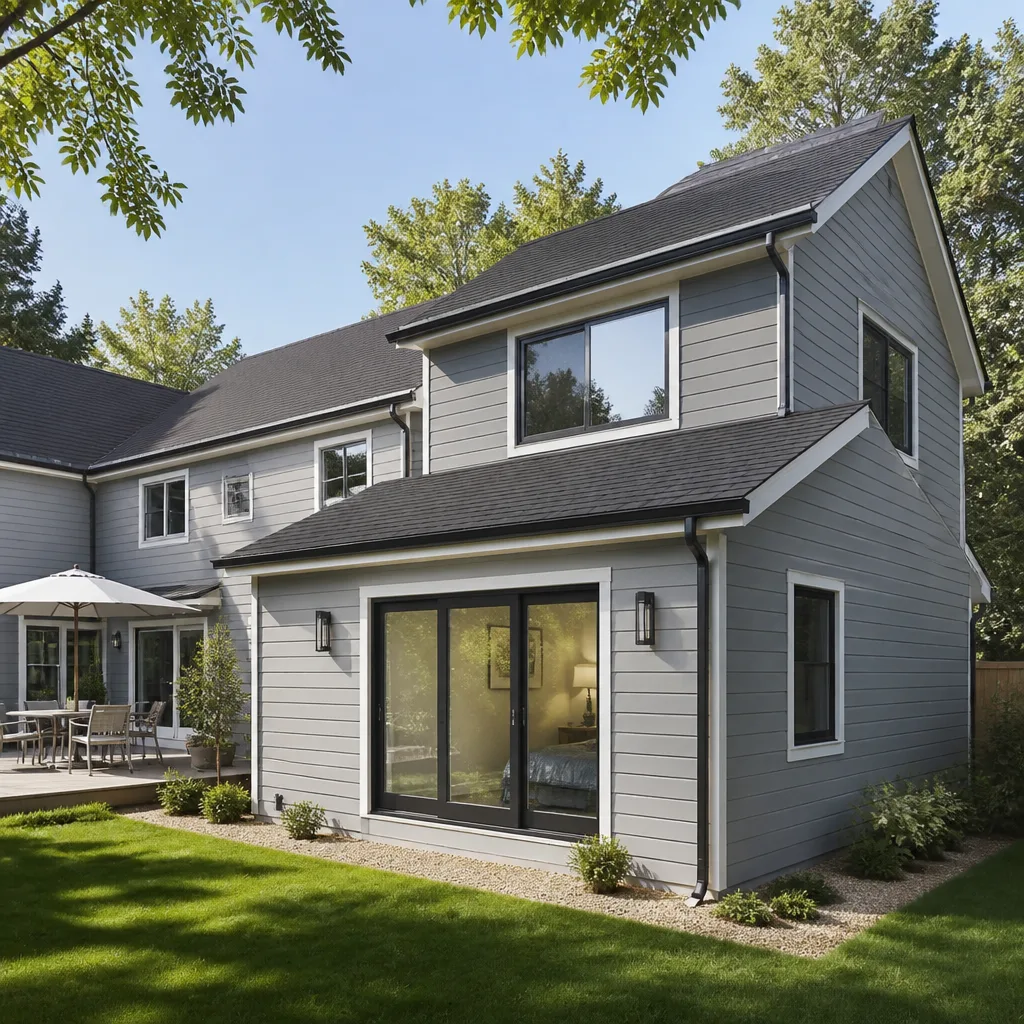
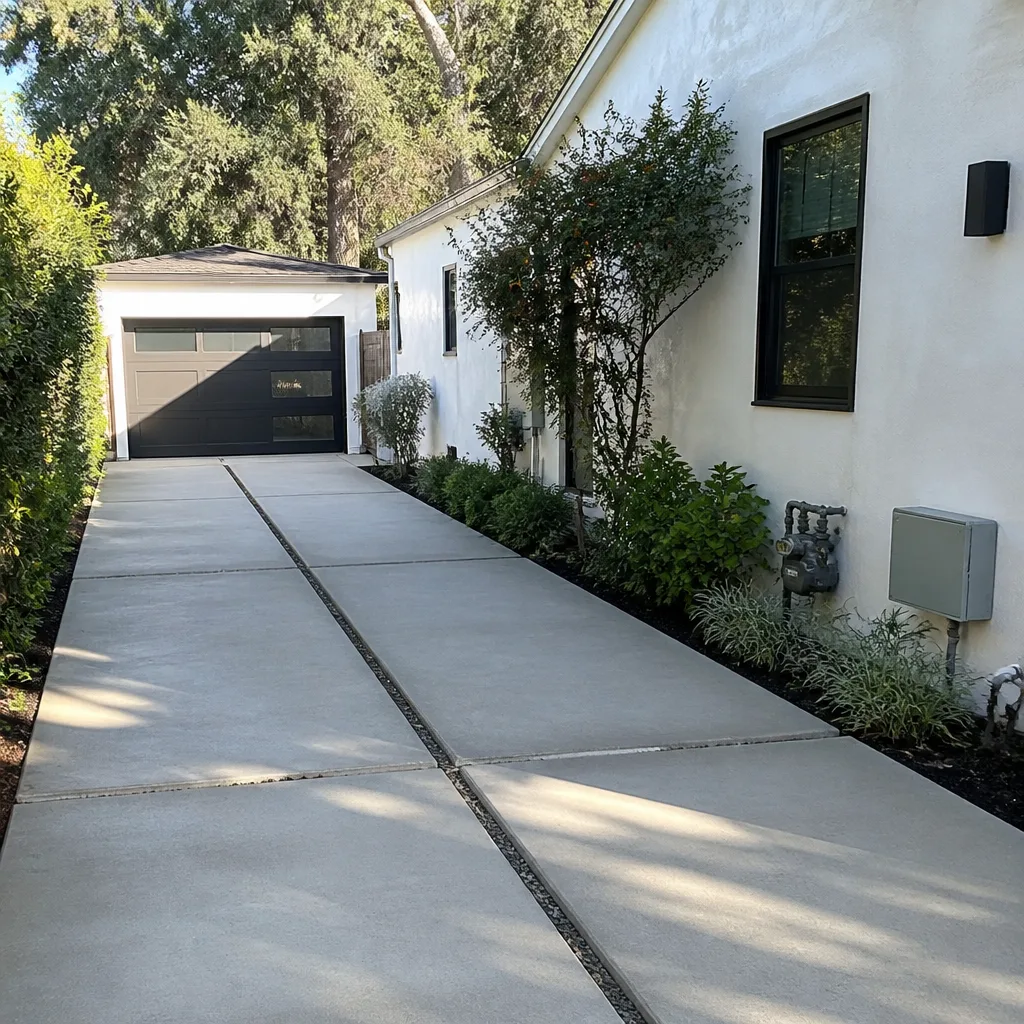
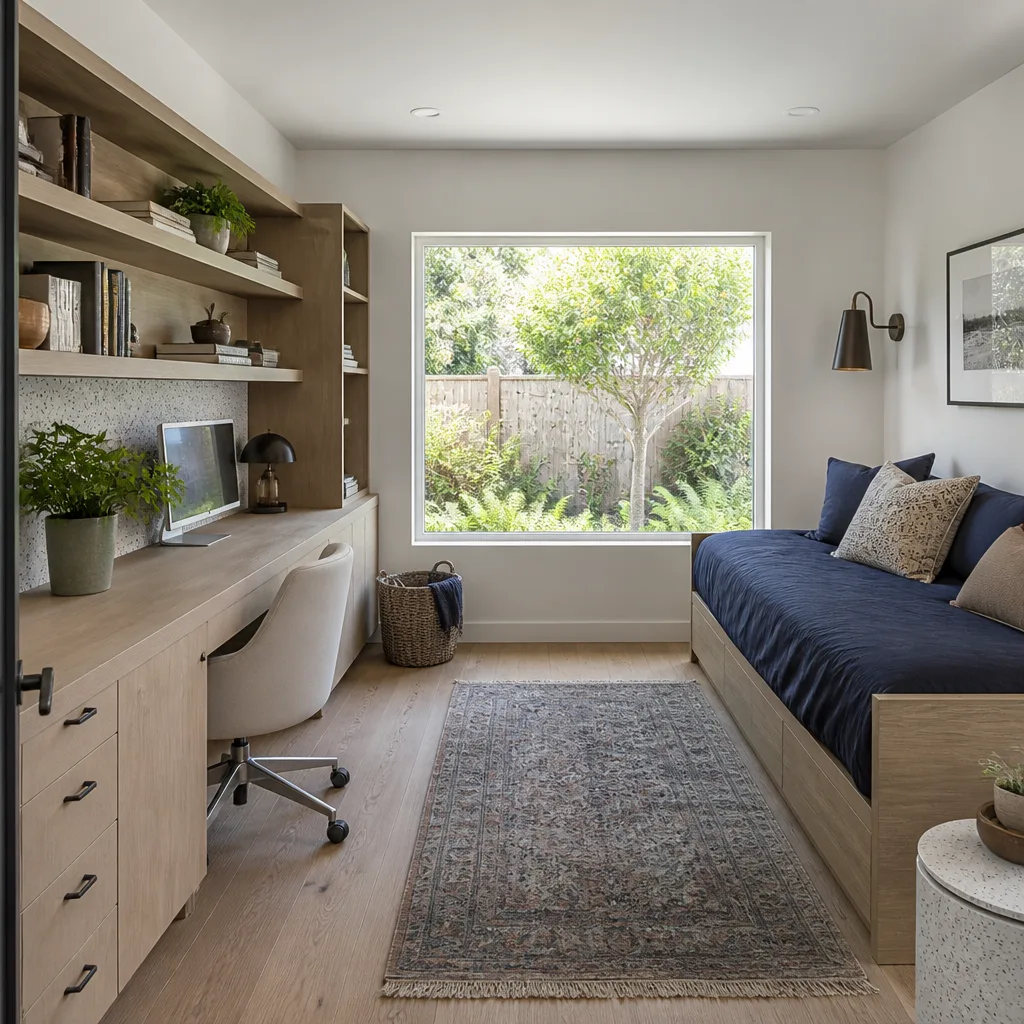
Full CGI home addition work in Woodland Hills lands between $45,000 and $130,000 installed. That range covers a small bedroom or office addition at the lower end up to a larger family room or multi-purpose space at the top. ADU construction runs $90,000 – $220,000 depending on whether you’re building a studio with a kitchenette or a two-bedroom unit with full bath and separate entrance. Garage conversions fall between $30,000 and $80,000.
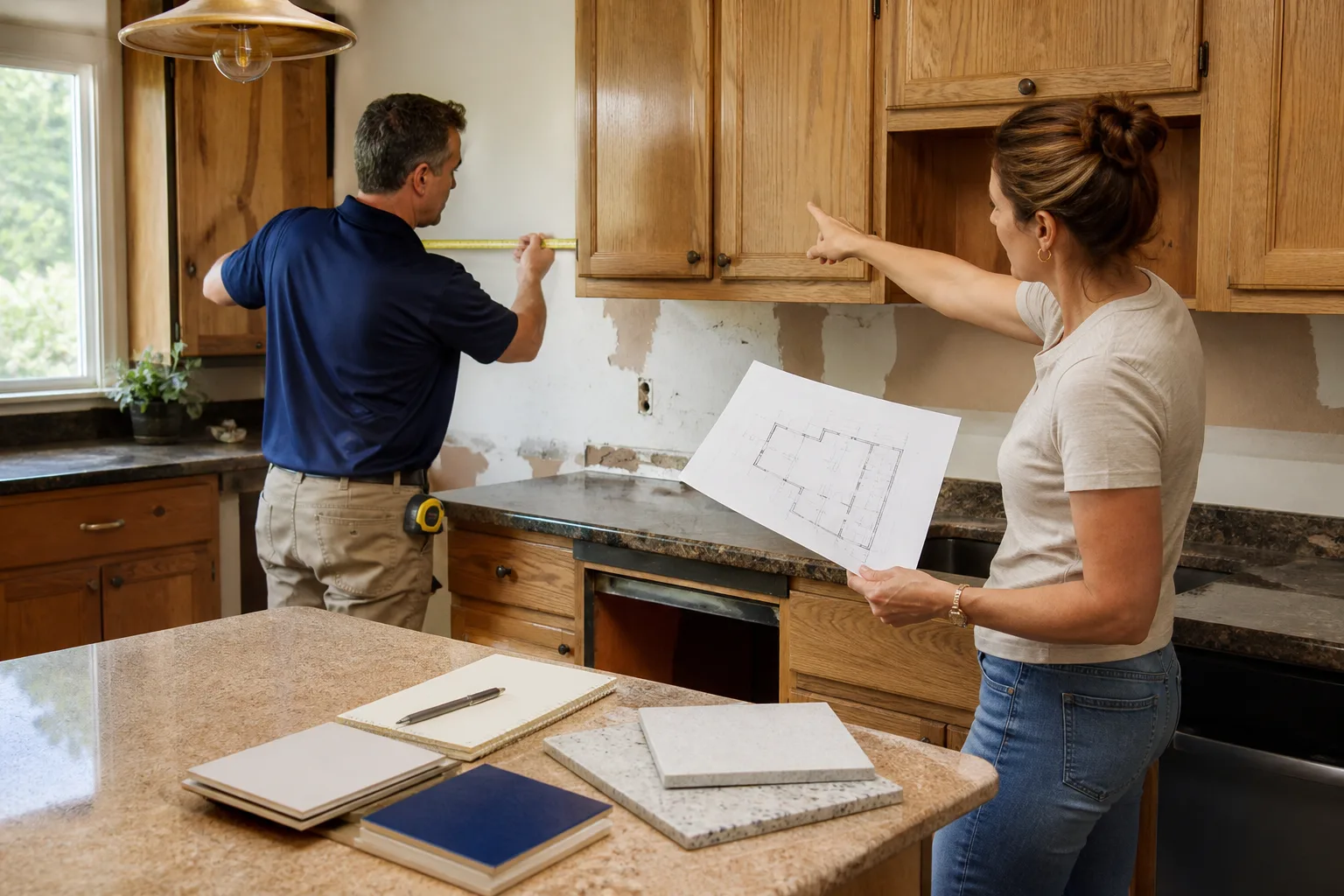
What moves the price most is foundation and site work. Woodland Hills lots in the hillside areas south of Ventura Boulevard often require pier or caisson foundations, which adds real cost before a single panel goes up. Flat-lot work north of the Boulevard is usually simpler and faster. The written estimate we give you breaks out panels, framing, tie-in work, flashing, and finish by line item – you see the numbers before we touch a wall.
Every job includes our written guarantee, stated plainly: 365 days from the completion date, if something isn’t right, we return and fix it at no cost. No dispute process, no conditions to qualify.
DIY or Call Us?
There are honest limits to what a homeowner should attempt on a CGI structure. Checking for visible panel separation, mapping exactly where cracking is occurring, and documenting water staining are all things you can do safely today without risk. Where DIY goes wrong fast: pulling a panel to inspect behind it, re-taping joints, or attempting to reset a window buck. CGI panels are heavy, and the interlock profile is not forgiving. You can hurt yourself badly if a panel shifts mid-removal. And once you’ve broken the original seal, you’ve potentially started a moisture problem that will track through the entire wall cavity.
If water is entering or you can see daylight through a seam, call us at (831) 290-6866. We’ll send a crew member whose name and photo you’ll have before the visit, and we’ll give you a written number for the repair before we begin.
FAQs
A properly installed CGI addition should last 40 – 50 years with normal maintenance, though Southern California sun exposure breaks down exterior seals and flashing materials faster than in coastal climates, so expect to re-flash windows and door transitions every 15 – 20 years. Our installs carry a 365-day guarantee from completion, and we’ll walk you through what to refresh and when.
A single CGI panel with localized water damage can sometimes be section-repaired, but if the foam core has absorbed water or the interlock edges are compromised, replacement is the only option that will hold. We’ll show you exactly what we’re seeing before we recommend either path. Call (831) 290-6866 for a free estimate on the repair.
An addition typically runs 8 – 16 weeks from permit to final inspection, and an ADU is usually 4 – 6 months depending on site work and utility connections. We give you a written schedule with the estimate, and the completion guarantee starts ticking the day we finish. Call (831) 290-6866 to talk through your project timeline.
We stock common CGI fastening hardware, flashing profiles, and panel-to-panel tape on our trucks, and we order full panels directly through supplier channels with standard 2 – 4 day lead times to Woodland Hills. You won’t need to chase parts down yourself. Call (831) 290-6866 and we’ll match the right components to your existing structure.
Get a Written Price for Your Woodland Hills Addition or ADU
Whether you’re repairing a failing CGI panel, converting a garage, or building a full ADU in Woodland Hills, the first step is the same: a written, line-item estimate before any work begins. No verbal numbers that drift later. Every crew member who shows up is background-checked, uniformed, and introduced to you by name and photo before the appointment. Isaac Pruett grew up in Los Angeles and has spent his career working the Valley – he knows what Woodland Hills heat, hillside soils, and surprise discoveries behind old walls do to a project, and he prices accordingly.
Written by Isaac Pruett, Owner, Mason Remodeling Co – Woodland Hills, CA at Mason Remodeling Co Woodland Hills, serving Woodland Hills and nearby areas.