Free written scope consultation - allowances, timeline, and change-order rules on paper before a single trade is scheduled
James Hardie Home Additions & ADU: The Woodland Hills Owner’s Guide
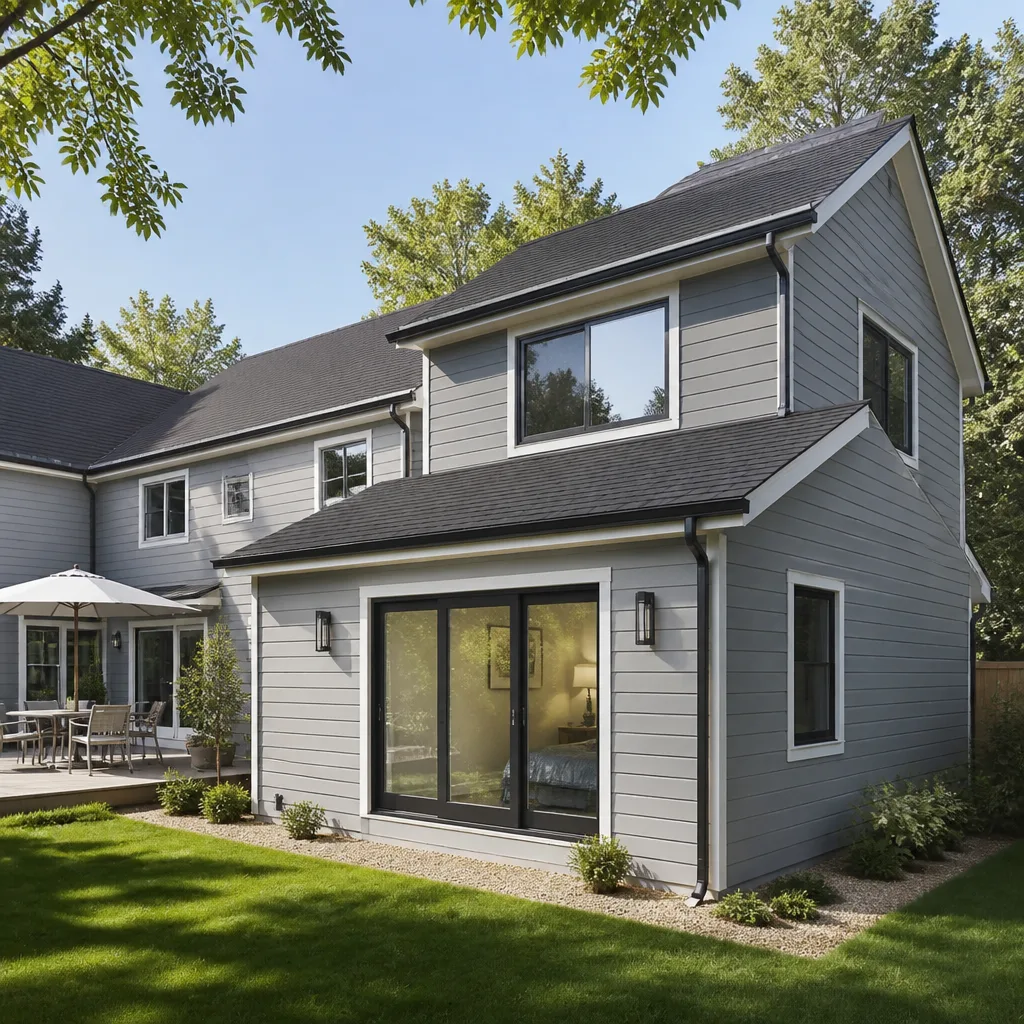
James Hardie siding and trim work on a home addition or ADU in Woodland Hills typically runs $45,000 to $130,000 installed, depending on square footage, roofline complexity, and foundation conditions on your lot. We stock HardiePlank lap siding, HardiePanel vertical siding, HardieTrim boards, and the full line of flashing and joint accessories that go with them, so your addition matches your existing home instead of looking bolted on. Most owners call us after water stains show up at a seam, a corner trim board starts to swell, or they realize their existing Hardie color is discontinued and the new section will never match without a full repaint.
Around Woodland Hills, we see the same pattern on nearly every addition: the framing goes up fine, the Hardie goes up fine, and then six months later a joint opens at a second-story corner because the original installer skipped the proper flashing detail. Hardie is cement board. It doesn’t rot, but the wood behind it will, and once water gets behind a trim board on a south-facing wall, you’re looking at mold inside the wall cavity before you see anything on the outside. We inspect the whole envelope, not just the board that looks bad.
Which James Hardie Models This Applies To
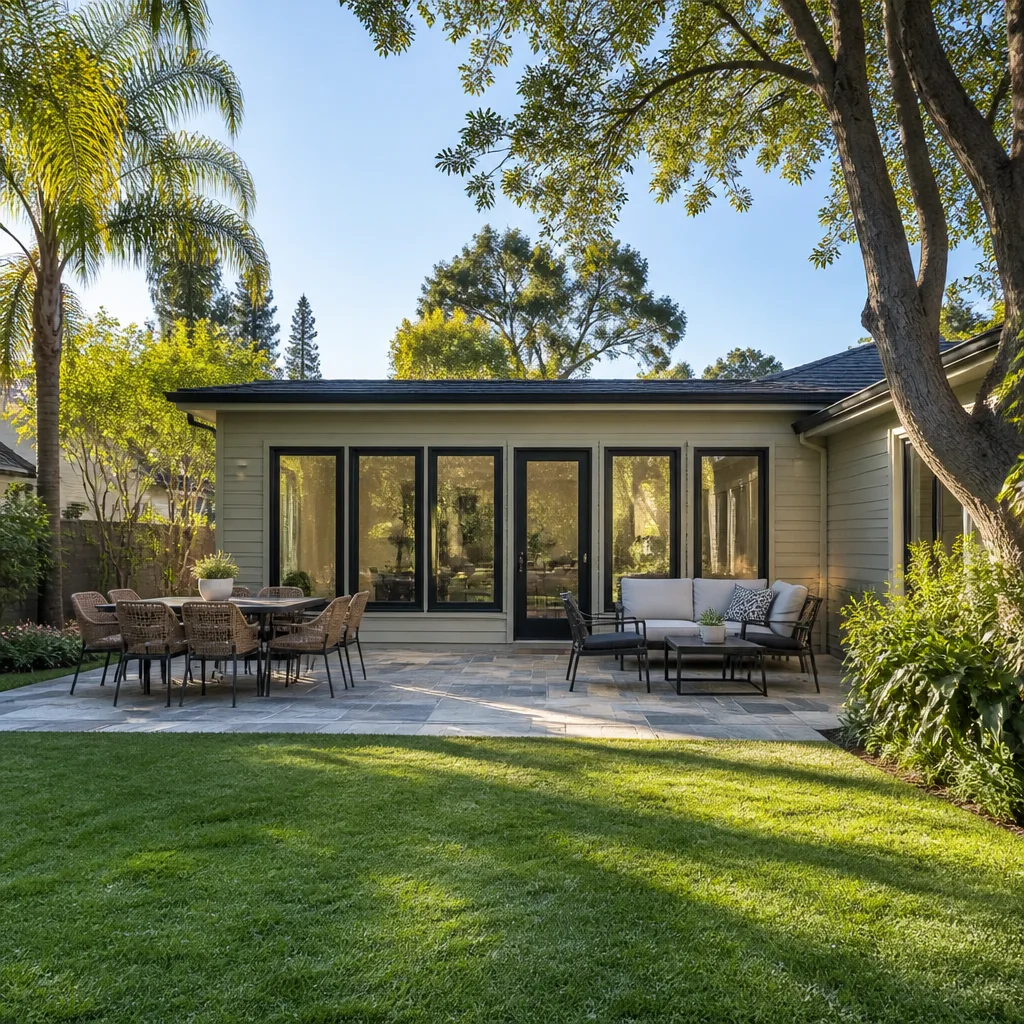
This applies to every James Hardie siding and trim product currently sold for new construction: HardiePlank lap siding in 4×8, 5.25-inch, 6.25-inch, 7.25-inch, and 8.25-inch exposures; HardiePanel vertical siding in 4×8, 4×9, and 4×10 sheets; HardieTrim boards in 4/4 and 5/4 thicknesses; HardieSoffit panels; and HardieBacker where tile meets the addition’s wet areas. If your existing home was built with ColorPlus factory-finished siding, the batch code on the back of a removed board tells us the exact color lot, which matters more than most people think. Woodland Hills sun bleaches factory finishes unevenly. A new board ordered by color name alone will not match a wall that has faced ten summers of Santa Ana sun.
We are an independent service provider and not affiliated with James Hardie. When you’re adding square footage, we recommend OEM James Hardie boards rather than aftermarket cement-board equivalents. The aftermarket boards are dimensionally close, but Hardie’s HZ10 and HZ5 product lines are engineered for specific climate zones, and the HZ10 boards specified for Southern California handle our dry heat and occasional heavy rain differently than a board spec’d for the Pacific Northwest. It’s a real difference, not brand loyalty.
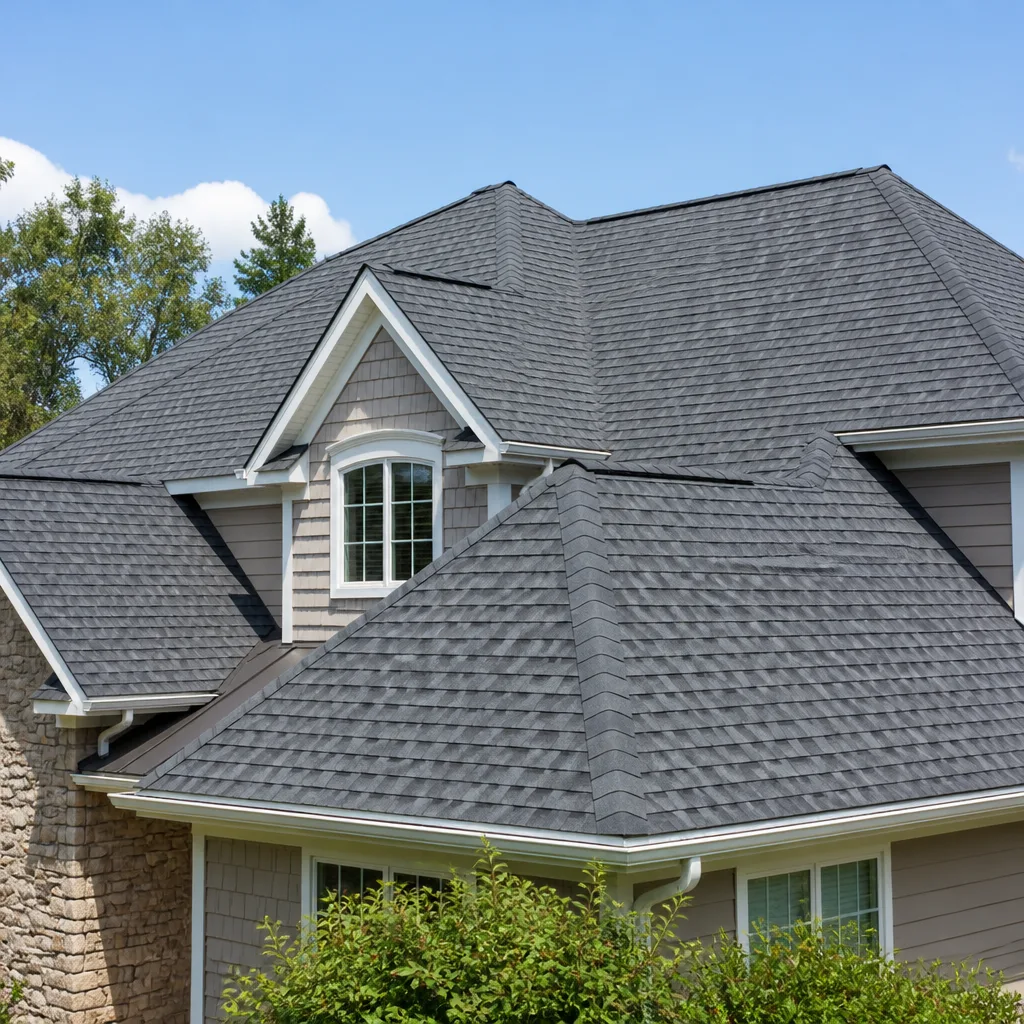
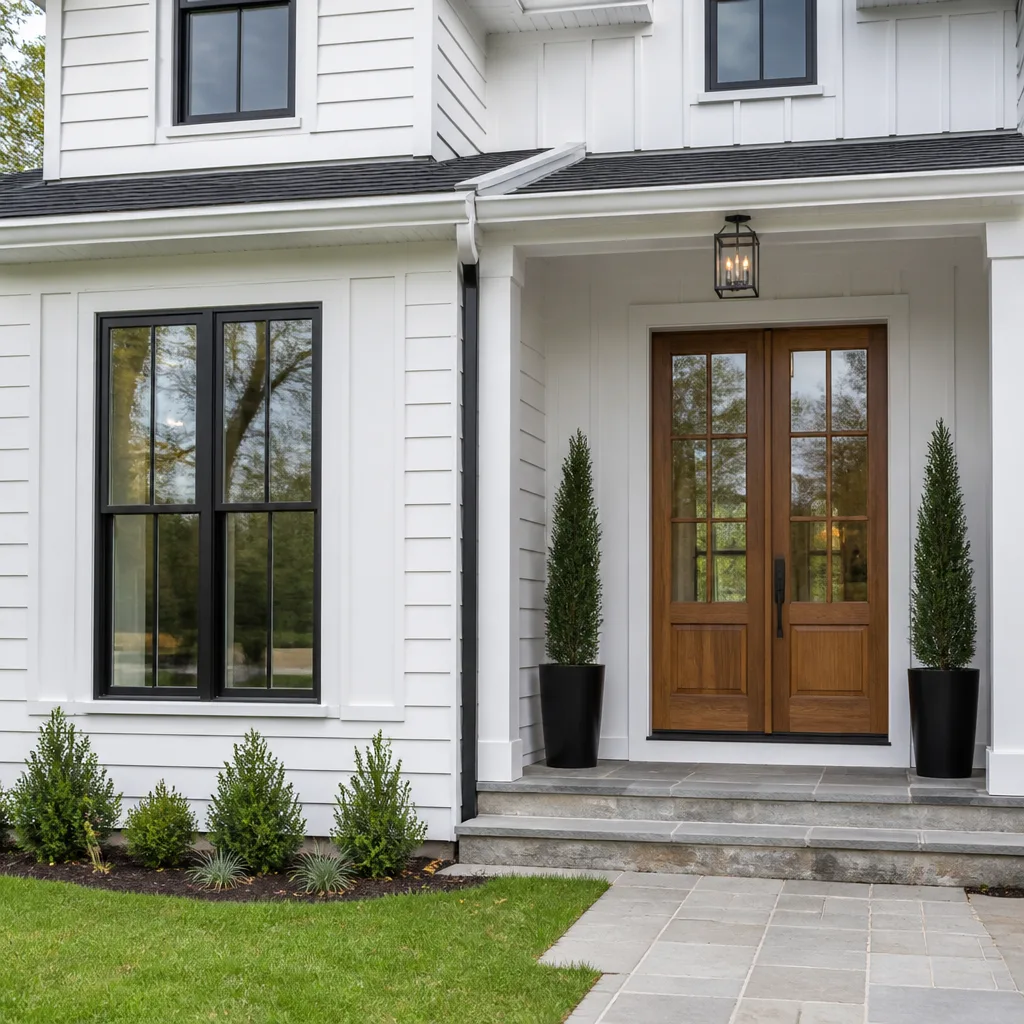
Styles & brands we work with
Signs Your James Hardie Home Additions & ADU Is Failing
- Joint lines opening at outside corners. Hardie expands and contracts with temperature swings. In Woodland Hills, where a wall can go from 45 degrees at night to 95 by afternoon, joints that weren’t given a proper 1/8-inch gap will crush against each other and crack. A cracked board at a corner is almost always a spacing issue, not a material failure.
- Trim boards swelling or bubbling near the ground. HardieTrim must sit at least 2 inches above grade and 6 inches above any flat surface where water can splash. Contractors in a hurry bury it, and in damp winters, the board wicks moisture and loses its bond at the nails. We see this on the north side of ADUs near Warner Center, where shade keeps the ground wet longer.
- Caulk separating between siding and window frames. Hardie is rigid. Window frames move. The caulk joint is the only thing absorbing that friction. When it pulls away cleanly on one side of every window, the installer used painter’s caulk instead of an elastomeric, UV-rated sealant. That’s a five-dollar tube of caulk causing a wall full of water intrusion.
- Color fading unevenly on one wall. Hardie’s ColorPlus finish holds color better than most, but a southern exposure in Woodland Hills, especially above the 101, takes serious punishment. If one wall looks faded while the adjacent wall looks new, the installer may have pulled boards from two different dye lots. Repainting is the fix, but you should know it happened before you sign off on the addition.
- Nail heads popping or rusting through the board face. Hardie requires hot-dipped galvanized or stainless nails. Standard electro-galvanized nails rust in our dry-season rain cycles and leave rust streaks down the board within two or three years. Once a nail head rusts, the board’s grip is compromised and it can work loose.
See the difference
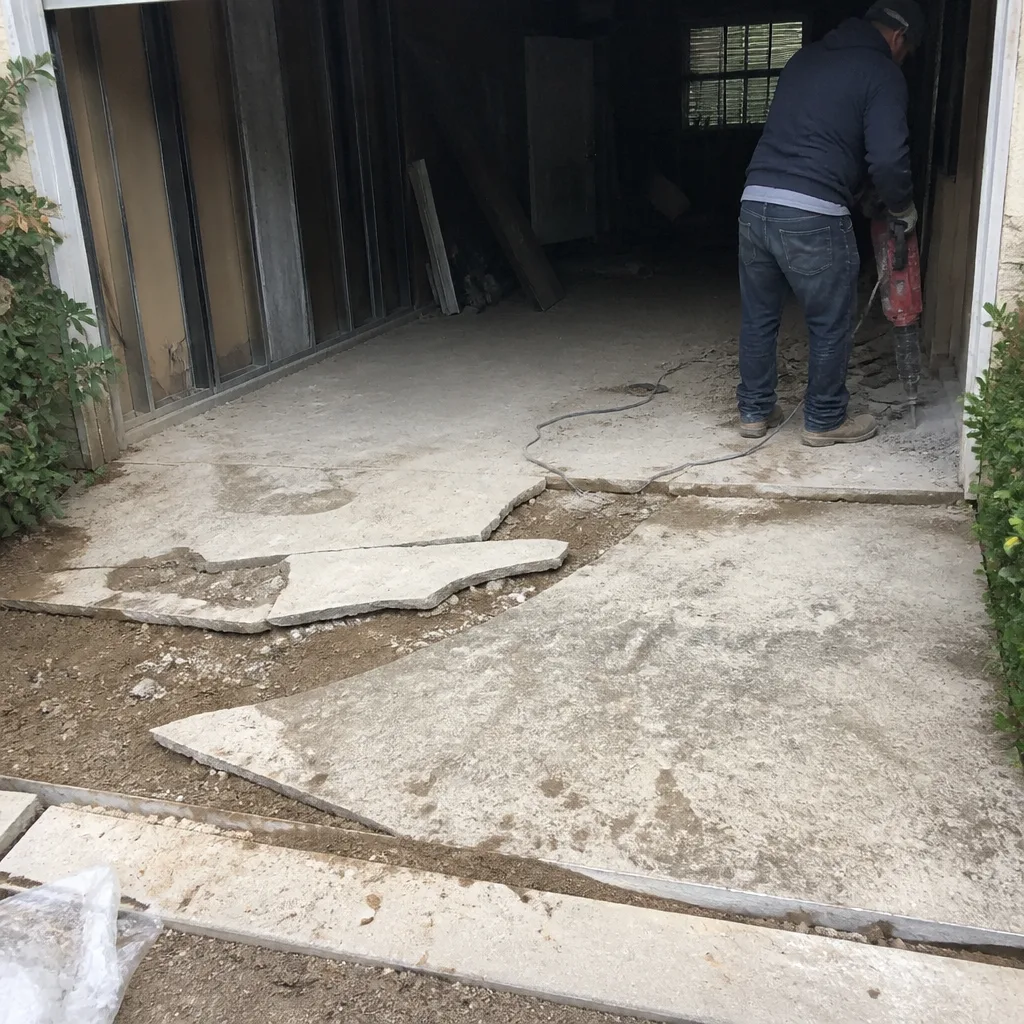 Before
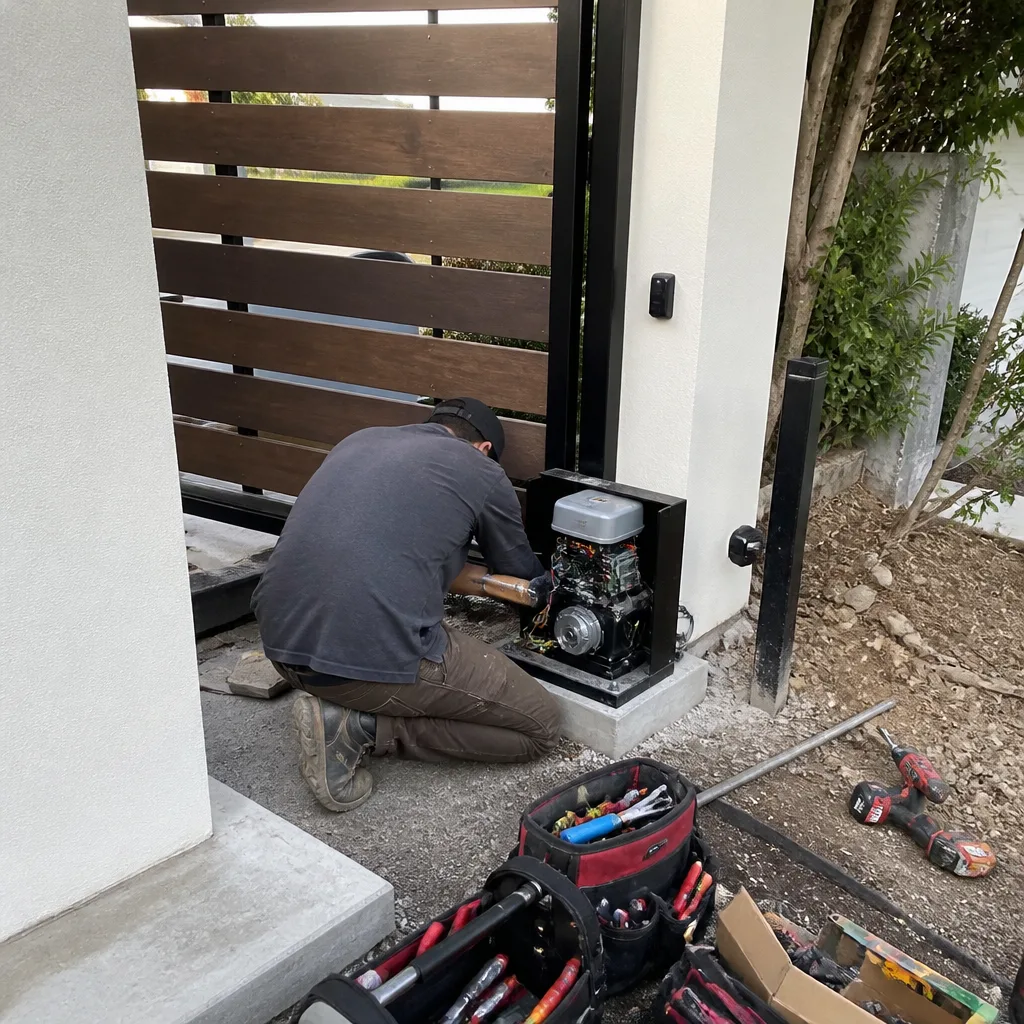 After
After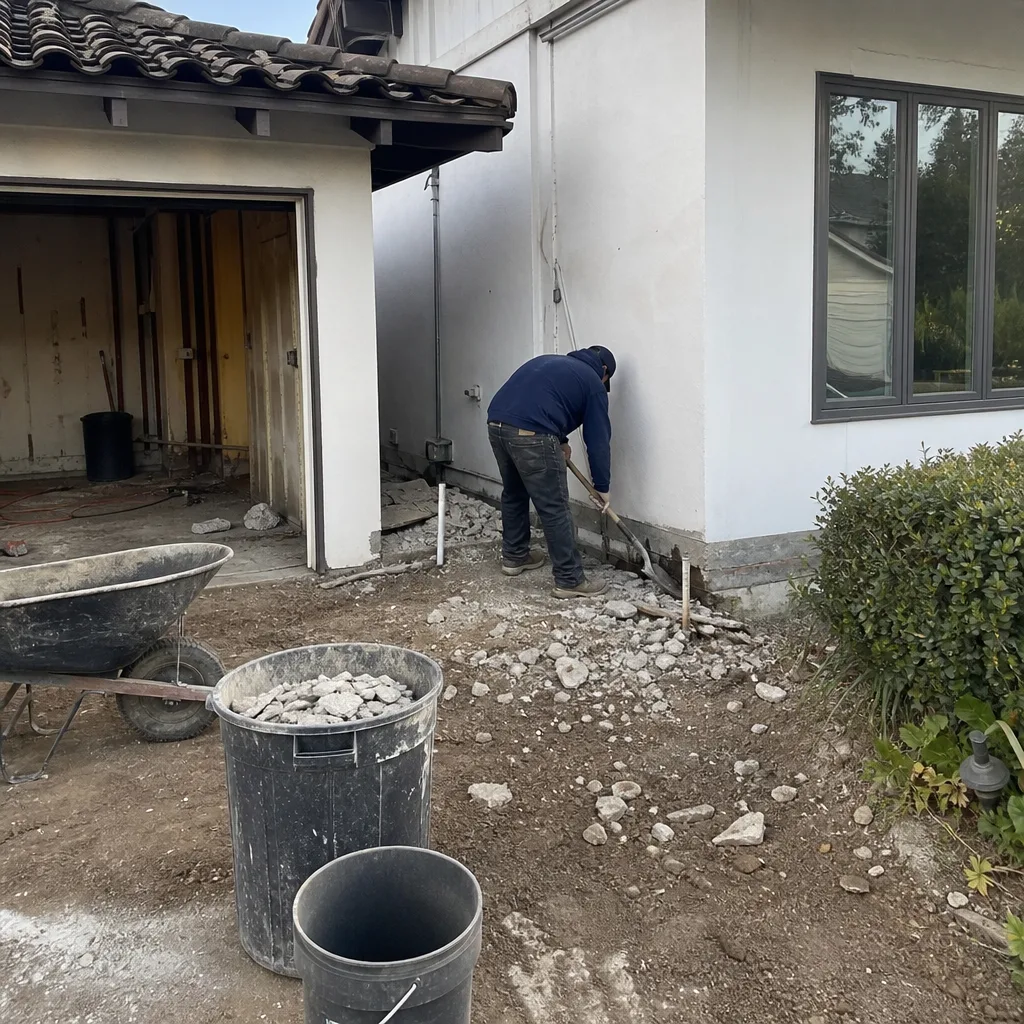 Before
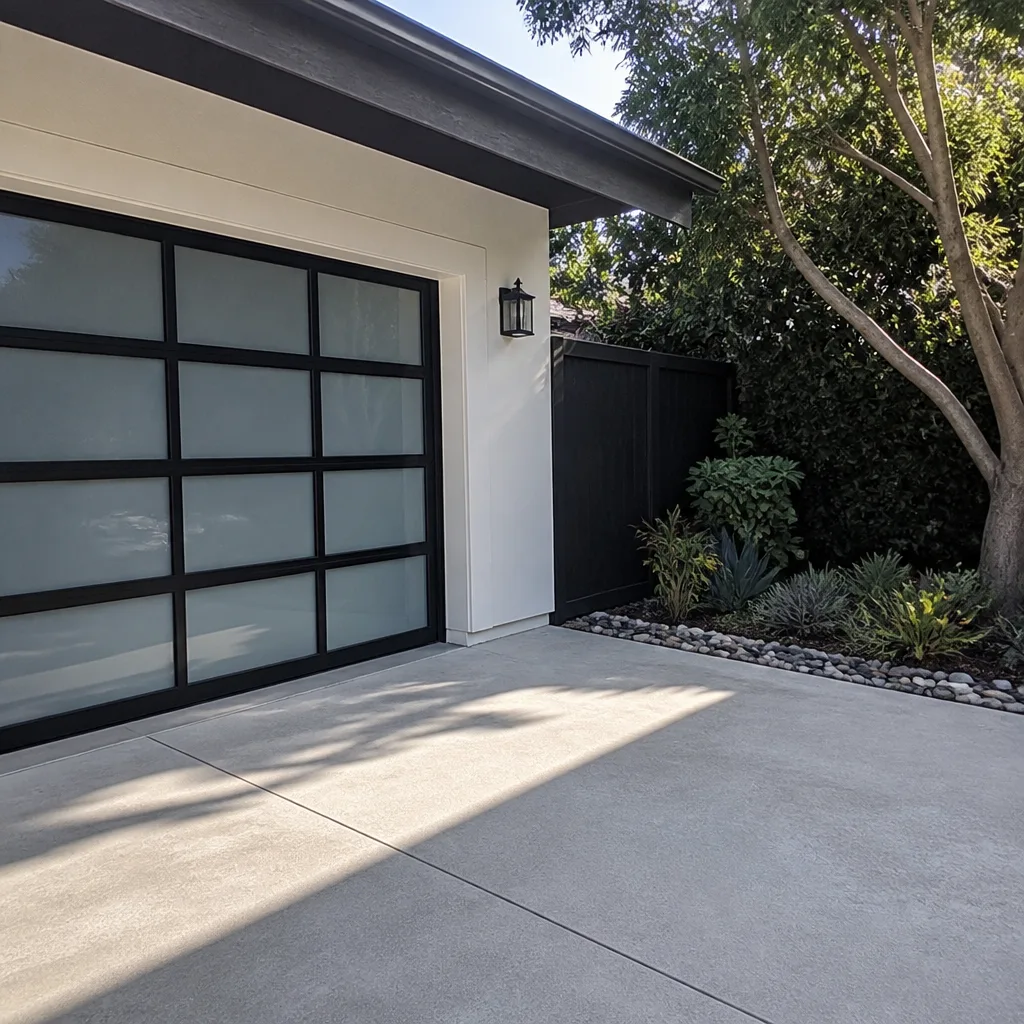 After
After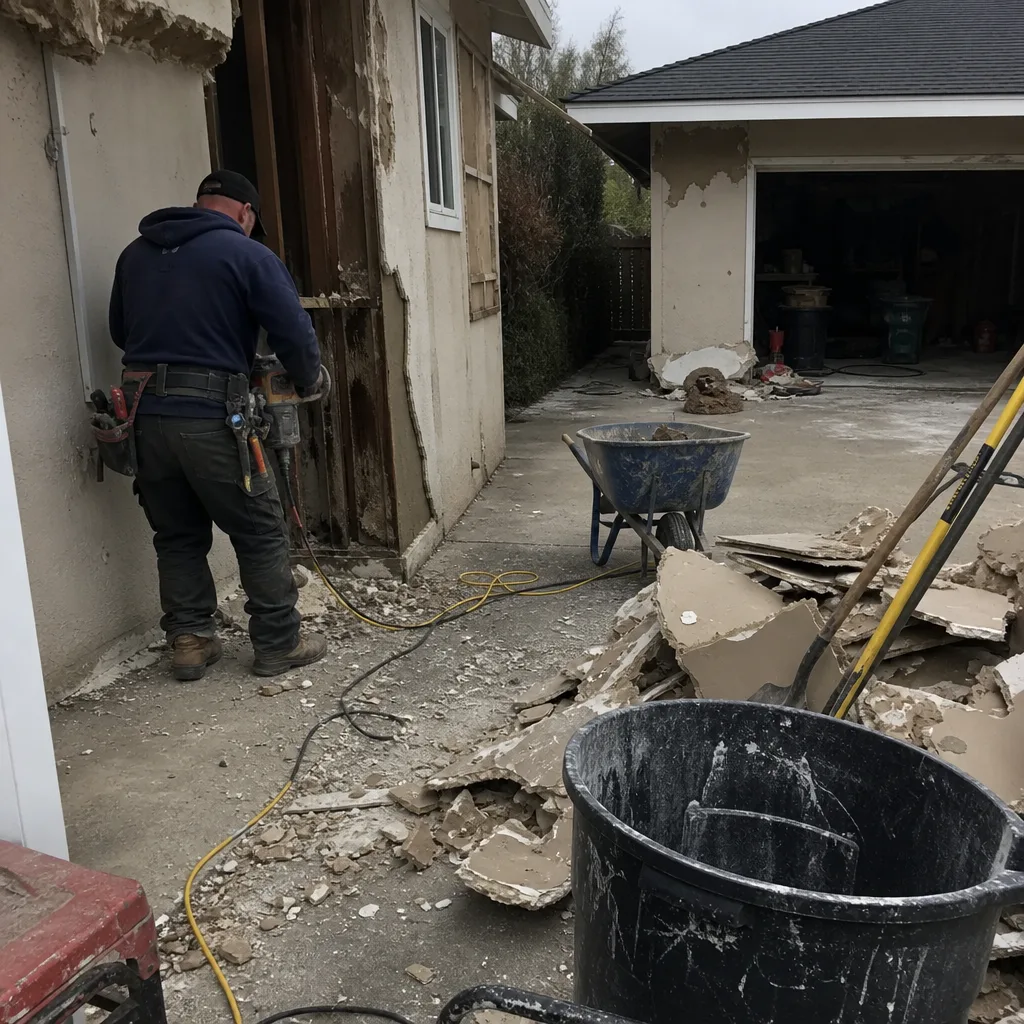 Before
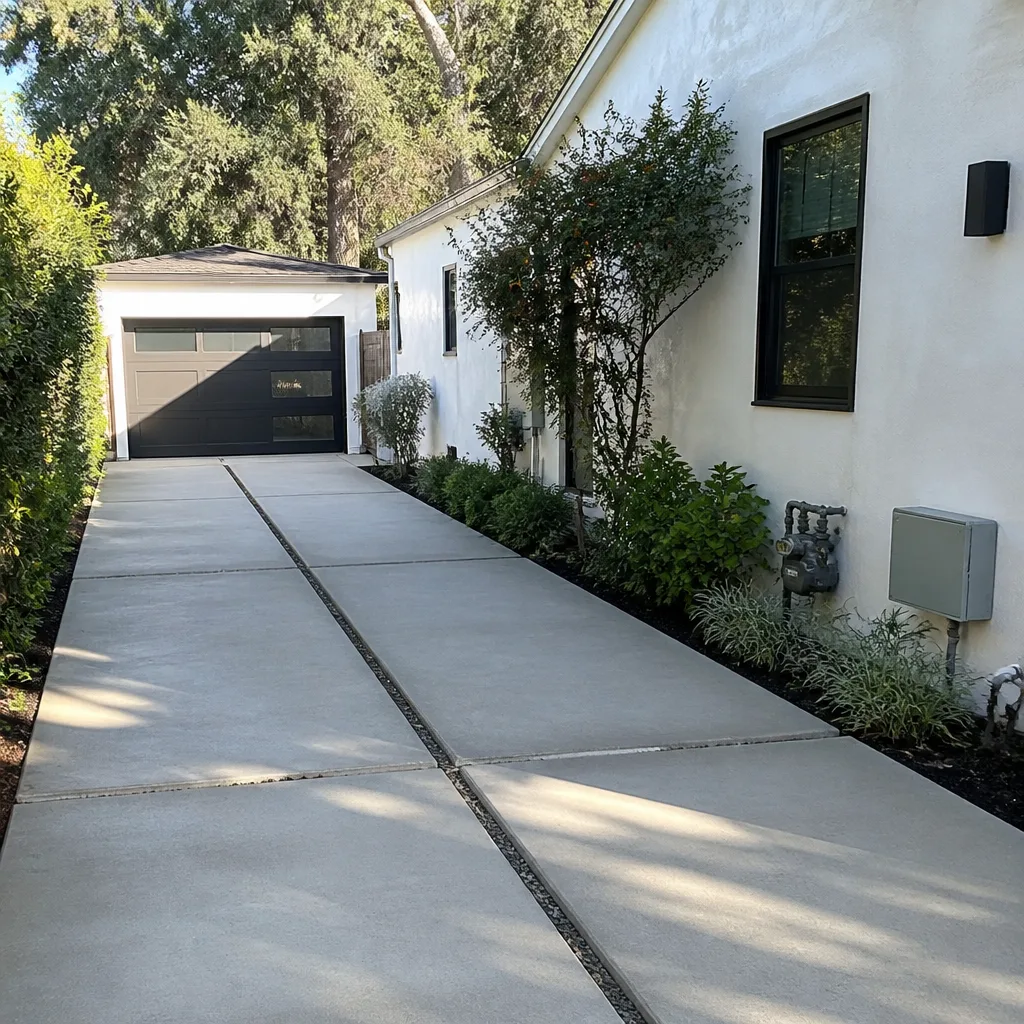 After
AfterReplacement Cost & What’s Included
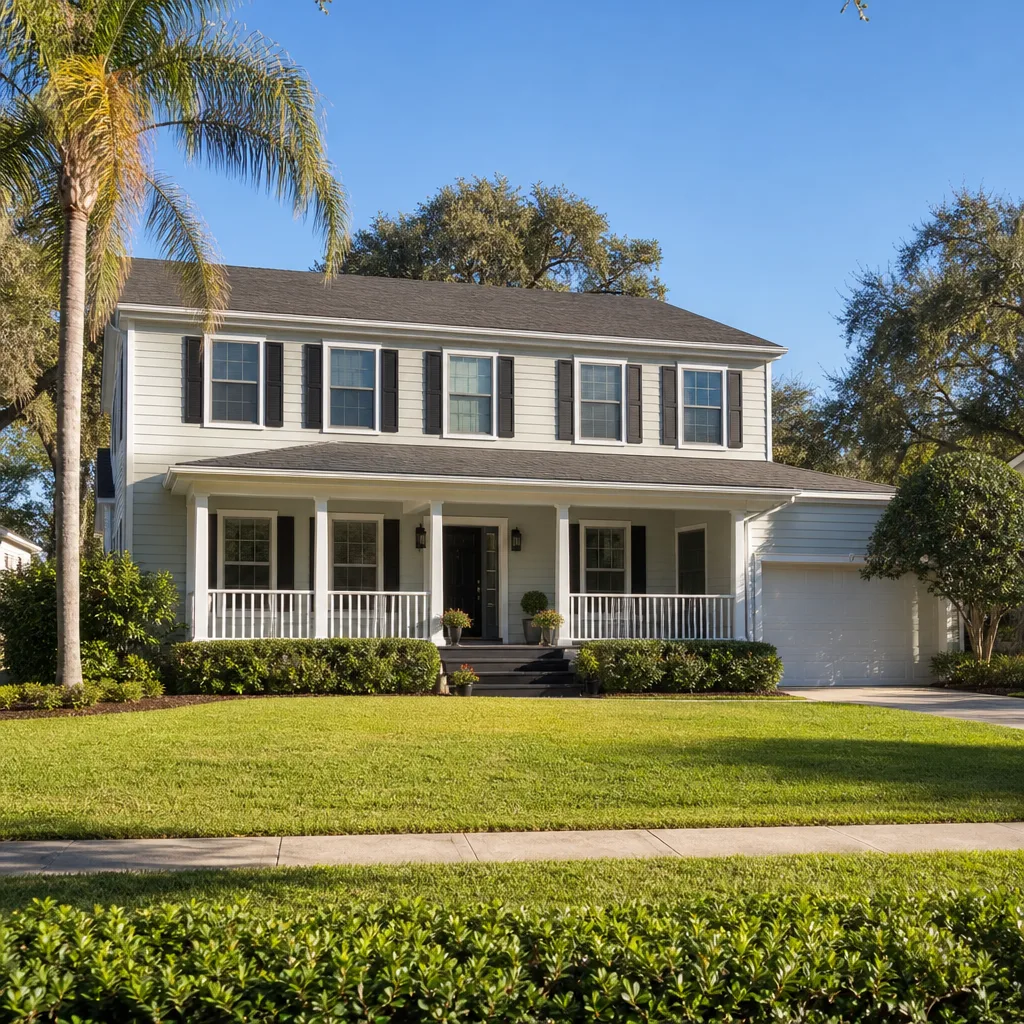
For a full James Hardie home addition or ADU project in Woodland Hills, plan on $45,000 to $130,000 depending on scope. A small bump-out with one wall of Hardie runs at the lower end. A detached two-bedroom ADU with Hardie on all four elevations runs at the upper end. The gap isn’t vague. Foundation work, trenching for utilities, roof tie-ins, and the number of exterior corners on your design are the big swing factors.
| Scope | Typical Installed Price in Woodland Hills |
|---|---|
| Attached addition with one Hardie elevation | $45,000 – $75,000 |
| Attached addition with two Hardie elevations | $65,000 – $95,000 |
| Full ADU, one bedroom, Hardie on all sides | $90,000 – $130,000 |
| Full ADU, two bedrooms, Hardie on all sides | $120,000 – $220,000 |
| Garage conversion with Hardie on street-facing side only | $30,000 – $80,000 |
Every price we give is a written price before any work starts. Not an estimate that grows. The number we hand you is the number on the final invoice. It covers all James Hardie materials, fasteners, flashing, joint treatment, labor, debris removal, and the permits for Woodland Hills. If we miss something during our walkthrough, that’s on us, not a change order on you. Our work on Hardie installations is covered by our 365-Day Done Right Promise, stated plainly: if it’s not right within a year of completion, we fix it at no cost to you.
DIY or Call Us?
Cutting and nailing Hardie is not like working with wood. The silica dust from cutting cement board is a known respiratory hazard, and doing it safely means HEPA dust extraction, a proper respirator, and cutting outdoors with the wind at your back. You can absolutely check your own siding for cracked boards, missing caulk, or nail heads pulling through the face. You can measure the gap between boards and check whether your trim sits above grade. What you shouldn’t do is remove a board from a two-story wall, recut cement board with a circular saw, or open up an exterior wall to see if water got in. Falls from ladder height on uneven Woodland Hills hillside lots are a real thing, and water-damaged framing behind Hardie is a job for someone who knows how far to open the wall to find the end of the damage.
Isaac Pruett has been around long enough to know when a job is a two-hour trim replacement and when it’s a wall rebuild with a mold abatement consult. If you’re unsure which one you have, call (831) 290-6866 and we’ll tell you straight what you’re looking at. Tell me what you need done. I’ll tell you what it takes and what it costs. Then we get to work.
FAQs
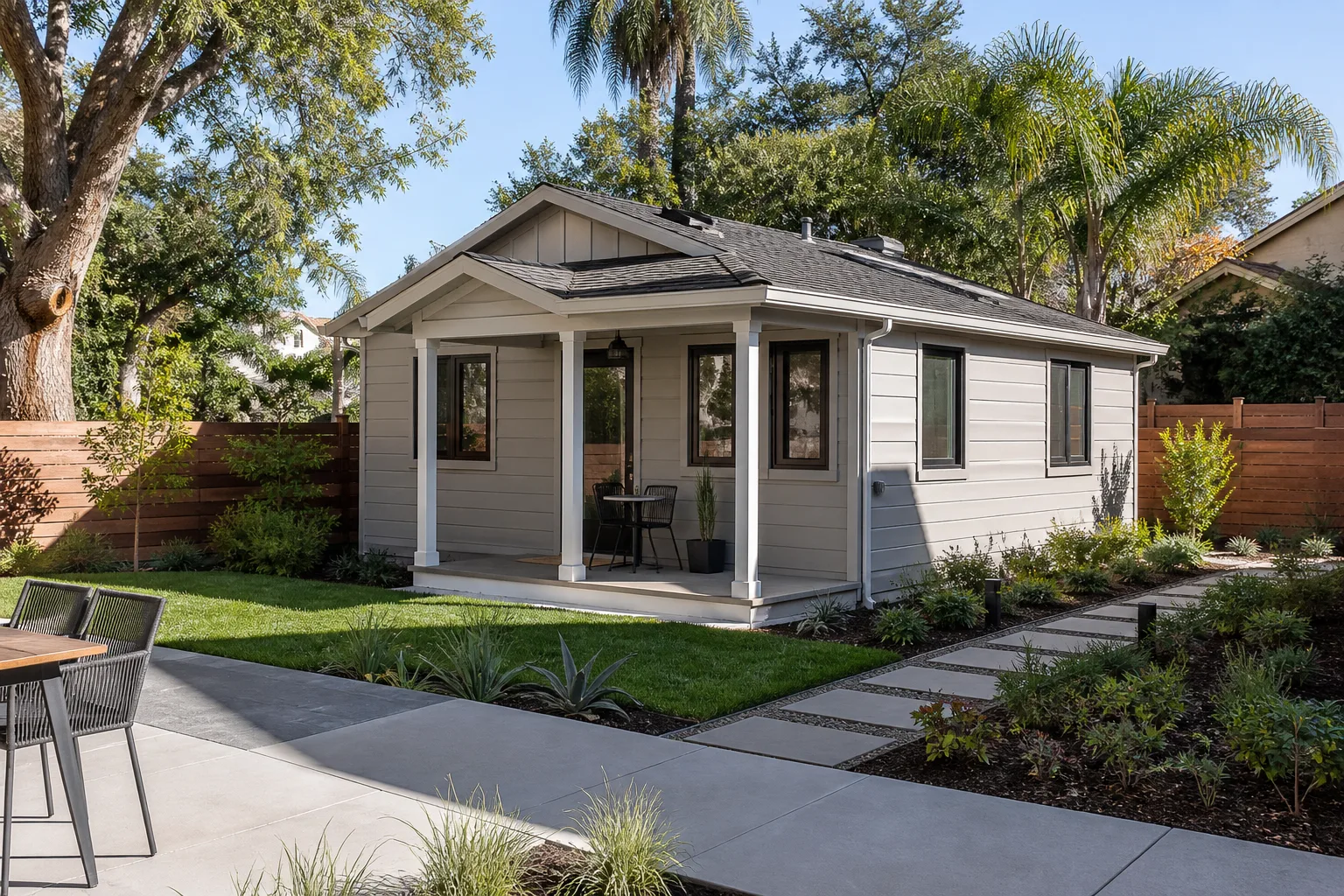
James Hardie siding carries a 30-year limited non-prorated warranty from the manufacturer, but in real-world Woodland Hills conditions, you should expect 40 to 50 years from the boards themselves before replacement, provided the flashing details were done correctly and the caulk joints are maintained. The weak points are the joints and trim boards, not the field siding. Call (831) 290-6866 if you want us to inspect your addition and tell you honestly whether you have a material issue or a workmanship issue.
Single cracked or damaged boards can be removed and replaced without redoing the entire wall, but the repair is only as good as the color match and the flashing detail behind it. On Woodland Hills homes with older ColorPlus finishes, a spot repair often requires repainting the entire elevation for a seamless look. We’ll give you the repair price and the full-replacement price side by side so you can make the call. Call (831) 290-6866 for an exact quote, and we’ll put it in writing before anything starts.
A Hardie-sided addition typically takes 8 to 16 weeks from foundation to final paint, and a detached ADU takes 4 to 7 months, depending on whether the lot requires retaining walls or slope work. The Hardie siding portion of the project is usually 5 to 10 days of that timeline. We’ll give you a schedule with real dates before you sign, not a range that drifts. Call (831) 290-6866 to walk through your timeline.
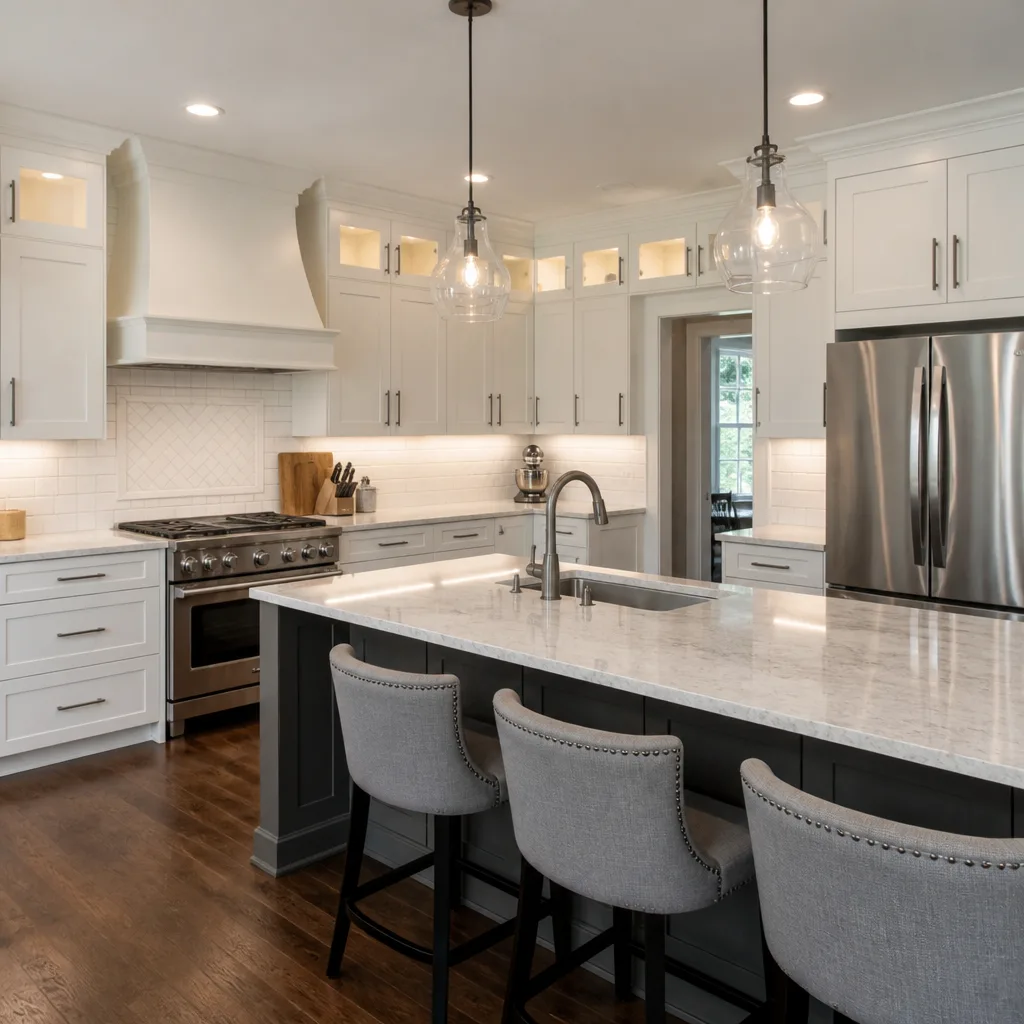
We keep HardiePlank 6.25-inch lap siding, HardiePanel 4×8 sheets, standard HardieTrim boards, and flashing accessories in stock for quick turnarounds on repair work. Larger quantities for full additions and ADUs are ordered per job from our regular suppliers. We also work with KraftMaid for cabinetry and Cambria and Silestone for countertops on the interior side of your addition. Call (831) 290-6866 to check availability for your project.
Written by Isaac Pruett, Owner, Mason Remodeling Co – Woodland Hills, CA at Mason Remodeling Co Woodland Hills, serving Woodland Hills and nearby areas.