Free written scope consultation - allowances, timeline, and change-order rules on paper before a single trade is scheduled
Plant Prefab Bathroom Remodeling: The Woodland Hills Owner’s Guide
Plant Prefab bathroom remodeling in Woodland Hills typically runs $9,000 to $28,000 installed, depending on the module’s plumbing layout, waterproofing condition, and whether you’re refreshing finishes or reworking the wet-wall entirely. We stock Plant Prefab-compatible plumbing fixtures, valve bodies, waterproofing membranes, and trim kits, and we can usually start within a week or two once we’ve matched your panel specs. If you own a Plant Prefab home in Woodland Hills and your bathroom is starting to show its age – or something has outright failed – this page tells you what to check, what it costs to fix properly, and why we handle these systems differently than a conventional stick-built bath.
Here’s the short version of how this works in a Plant Prefab home: the bathroom module was built off-site, shipped, and set on your foundation. The plumbing rough-ins, waterproofing, and tile work were all done in a factory, not in your house. That’s a good thing – factory tolerances are usually tighter than field work. But it also means the bathroom doesn’t always behave like a traditionally framed one when something goes wrong. Water moves differently through a prefab wall cavity. The shower pan ties into a factory-set drain location. The valve body sits at a depth that was dialed in before the module ever left the factory floor. Getting any of this wrong on a retrofit turns a $3,000 shower surround refresh into a $12,000 leak remediation. We’ve done enough of these in Woodland Hills, from the hillside lots off Mulholland to the flat streets near Ventura Boulevard, to know exactly where the surprises hide.
Which Plant Prefab Models This Applies To
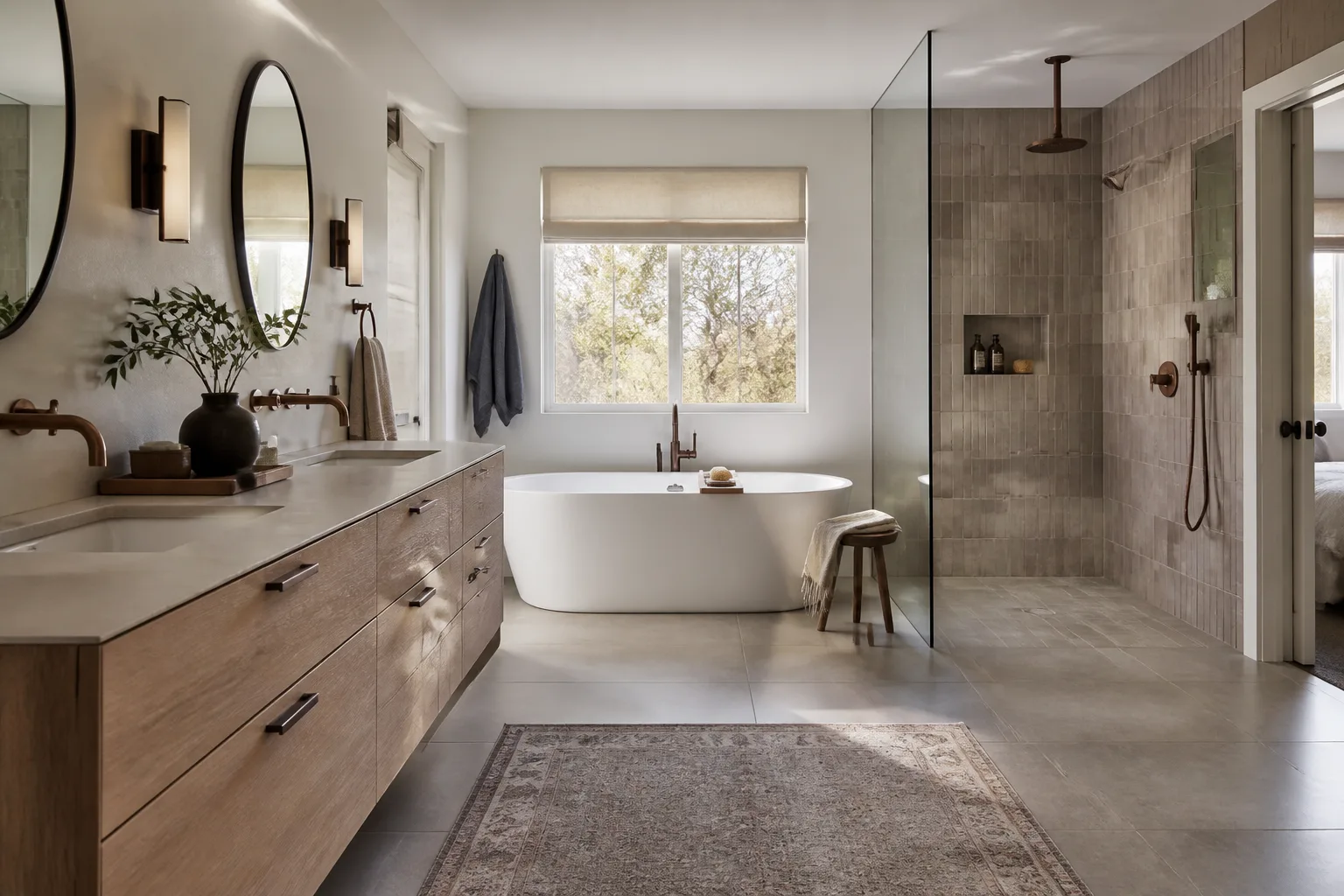
Plant Prefab has built homes across several series over the years – their standard single-family residences, ADU garden units, and custom commissions. The bathroom modules share a common construction DNA: steel-frame or wood-frame panelized walls, factory-applied waterproofing behind the tile, Kohler or Moen valve bodies (depending on build era), and a prefabricated shower pan or tub set into a factory-built wet wall. Older builds from the mid-2010s tend to use Moen PosiTemp valves. Newer projects, especially ADUs built after 2020, more often ship with Kohler Rite-Temp or Toto fixtures. The valve depth and drain offset are set for the factory wall assembly – usually a 2×4 steel stud or wood stud at 16 inches on center, with the valve anchored to a factory-installed blocking plate.
If you have the build sheet or the original spec package, great – bring that to the first call. If you don’t, we identify the valve by removing the trim plate (two screws) and reading the brand stamp on the brass body. For drain location, we measure from the finished wall face to the center of the shower drain, and from the valve centerline to the tub spout rough-in. We match replacement parts to those measurements rather than guessing from a photo. One compatibility gotcha we see often in Woodland Hills: Plant Prefab’s early ADUs used a shallow-set valve depth of 1.5 to 2 inches from the face of the stud to the finished wall plane. Standard off-the-shelf trim kits from big-box stores are built for 2.5 to 3.5 inch depths. Bolt a stock trim plate onto a shallow-set Plant Prefab valve and the handle sits proud of the escutcheon, the diverter won’t seat, and the shower dribbles from the tub spout. We keep aftermarket extension kits and Plant Prefab-spec trim on hand for exactly this.
For finishes like vanity tops, tile, and waterproof membranes, we use specification-grade materials that match or exceed the factory build: Schluter Kerdi and Wedi board for waterproofing, Schluter strips at all tile-to-floor transitions (that’s the metal trim that seals the edge where tile meets flooring), and Cambria, Silestone, or Caesarstone for vanity surfaces. KraftMaid cabinetry is our go-to for replacement vanities when the factory unit has swelled or delaminated. We also work with Moen, Kohler, Toto, and Grohe fixtures directly, which matters when you want the replacement to match the rest of the home’s original finish package.
Key takeaways for Plant Prefab owners in Woodland Hills:
- Valve brand (Moen vs Kohler) and rough-in depth determine which trim and cartridge you need – not the wall color or tile pattern.
- Never assume a stock big-box trim kit fits. Shallow-set Plant Prefab valves need specific extension pieces.
- Factory waterproofing details mean field tile work has to tie into existing membranes correctly, or you’ll get leaks behind the wall that take months to show.
- We are an independent service provider – not affiliated with Plant Prefab – but we work on these systems regularly across the Valley.
Styles & brands we work with
Signs Your Plant Prefab Bathroom Remodeling Is Failing
- Soft or discolored grout lines near the shower floor. Water is wicking behind the tile and saturating the factory waterproofing layer. In a prefab wet wall, the failure usually starts where the floor tile meets the wall tile at the shower pan – that’s the factory seam, and it’s always the first place we check in Woodland Hills homes.
- Tub spout drips constantly when the shower is running. This is the classic shallow valve depth problem. The diverter stem can’t fully seat inside the valve body, so water keeps leaking out the tub port. It’s not a worn washer – it’s a geometry mismatch no washer will fix.
- Caulk pulls away from the vanity or the wall junction within weeks of re-caulking. Behind that is usually movement in the panel joints. Prefab modules settle slightly after being set, especially on hillside lots in Woodland Hills where the soil shifts between wet and dry seasons. The bathroom walls move a fraction of an inch, and the caulk has no flexibility left to give.
- Musty smell that comes and goes, no matter how much you clean. There’s a hidden leak, almost always at a plumbing penetration through the factory waterproofing. By the time you smell it, the drywall or the module’s interior sheathing has been wet for a while.
- Cracked grout or a hairline crack running diagonally from a corner. The factory-applied tile assembly is under tension from panel movement. If you see it in more than one spot, the waterproofing membrane behind it has likely torn, which means the problem is structural, not cosmetic.
See the difference
 Before
 After
After Before
 After
After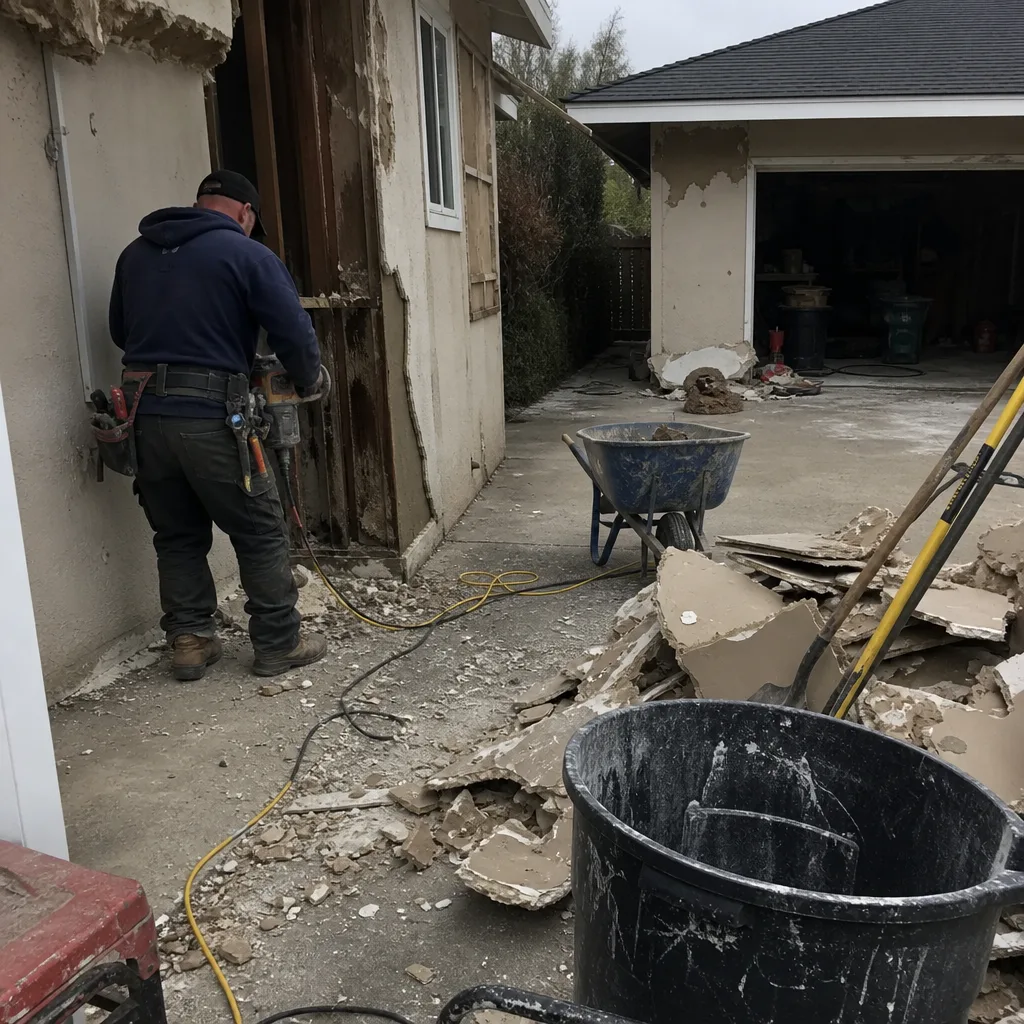 Before
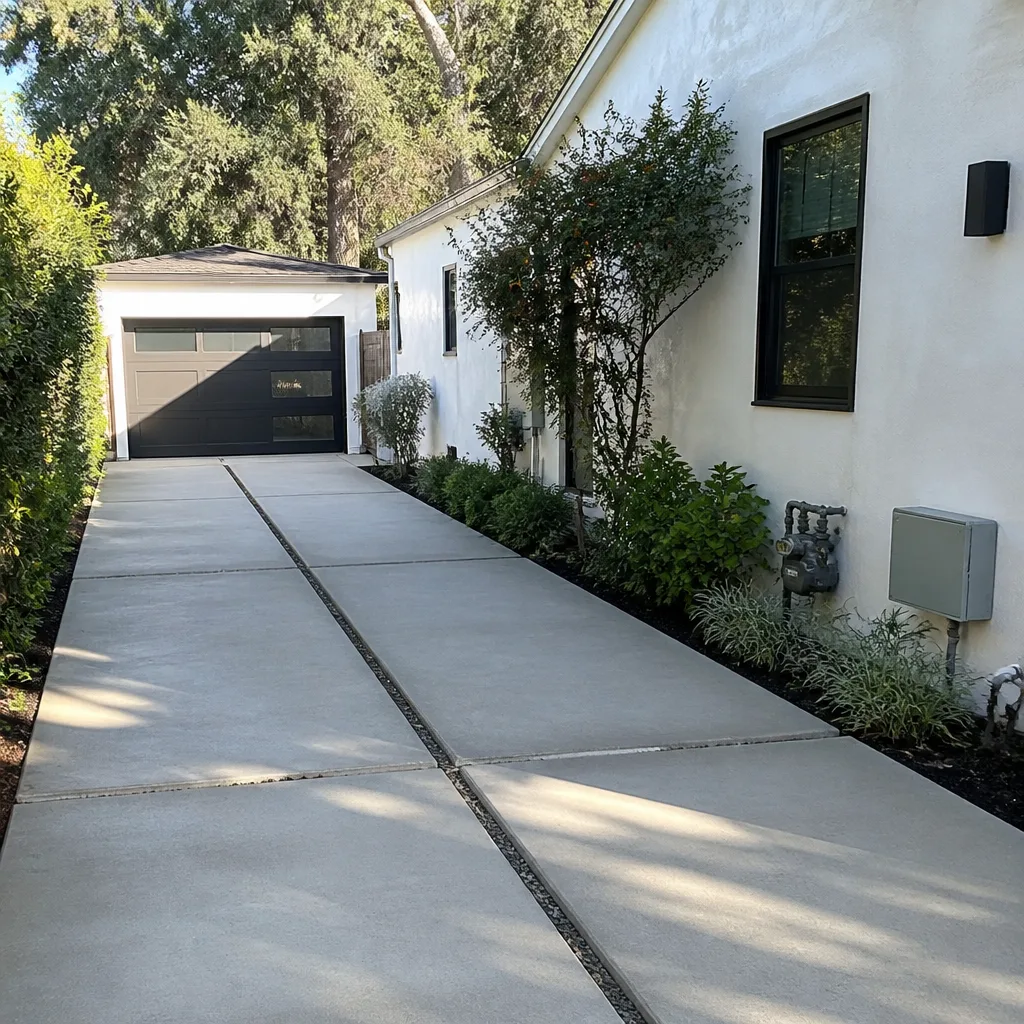 After
AfterReplacement Cost & What’s Included
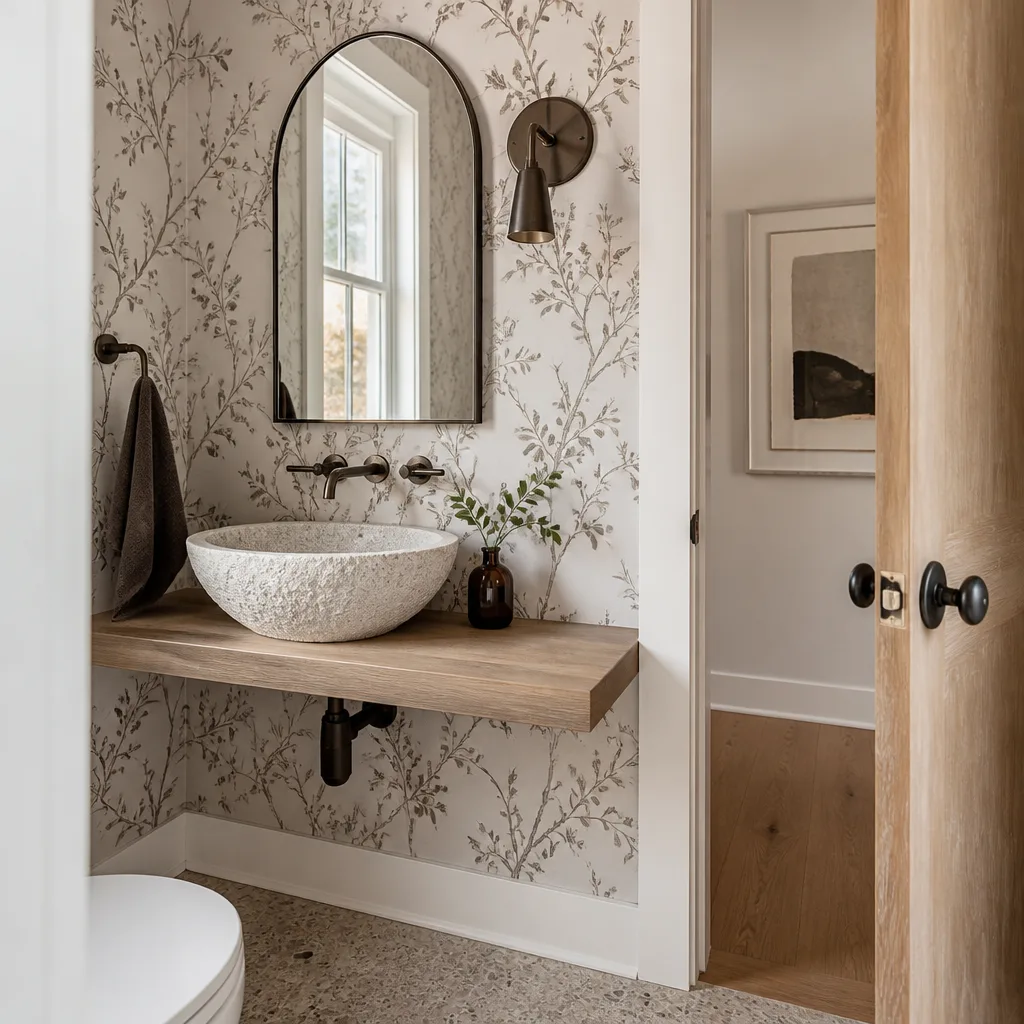
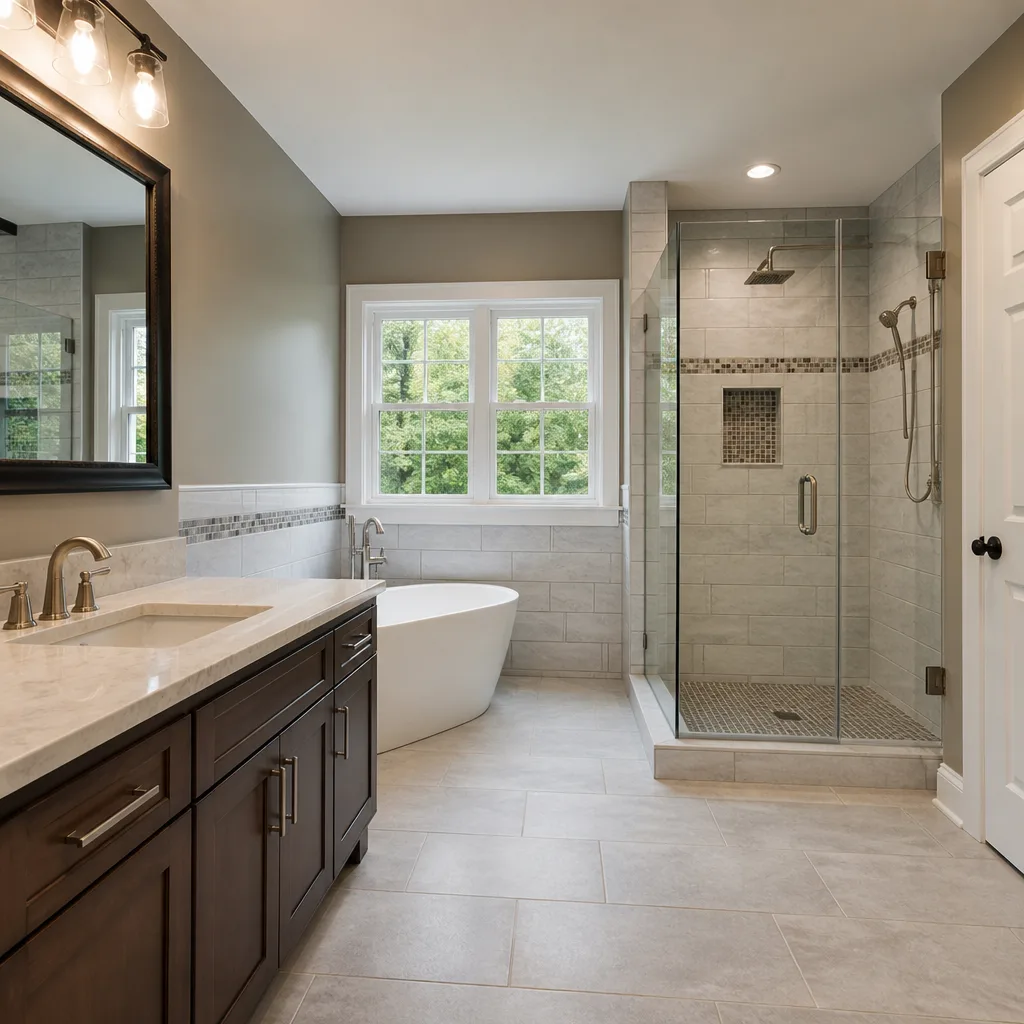
Installed Plant Prefab bathroom remodeling in Woodland Hills runs $9,000 to $28,000. That’s the range for a full bathroom module refresh – new shower or tub assembly, waterproofing repair, tile or surround replacement, fixtures, and vanity. If the original plumbing rough-in location stays put and the waterproofing is salvageable, you land toward the bottom of that range. If we’re moving a drain, rebuilding the wet wall, or replacing a factory shower pan that cracked, you’re moving toward the top. A small bathroom refresh with a new vanity, faucet, and shower trim can run $5,000 to $12,000. Tub-to-shower conversions in a Plant Prefab module typically fall between $3,500 and $10,000 depending on drain relocation and glass work.
Every Mason Remodeling Co Woodland Hills quote includes a written price before any work starts. That’s the Threshold Standard, and it means what it says – line-item parts, labor, and materials, no verbal estimate that grows by the day. We pull permits when the scope calls for it, pass every inspection, and stand behind the finished work for a full year under the 365-Day Done Right Promise. If something isn’t right within 365 days of completion, we return and fix it at no charge. That’s not a marketing line – it’s written into every project agreement.
What drives the price:
- Whether the existing valve rough-in and drain location can stay (lower cost) or must move (higher cost).
- Condition of the factory waterproofing membrane – if it’s intact, we tie into it; if it’s torn, we open the wall and replace it properly with Schluter Kerdi or Wedi.
- Fixture selection – entry-level Moen or Kohler stock vs. Toto or Grohe spec-grade trim carries a real dollar difference.
- Shower glass – a custom-fabricated glass panel is measured and cut on site; prefab panels are cheaper but rarely fit a Plant Prefab opening perfectly.
- Access – some Woodland Hills lots have tight side yards, narrow stairwells, or hillside access issues that slow the crew down.
DIY or Call Us?
You can safely do a few things yourself: clean mineral deposits off the trim plate, replace a shower head, swap a toilet fill valve, or re-caulk the vanity-to-wall joint with a quality silicone (wait 24 hours before exposing it to water). Those are low-risk maintenance items that don’t touch the waterproofing or the plumbing rough-in.
What we don’t recommend doing yourself: opening the valve body, moving a drain, pulling tile off a wet wall, or re-setting a shower pan. Get the valve depth wrong on a Plant Prefab module and you’ll have water running inside the wall where you can’t see it until the floor or ceiling below shows the stain. Get the waterproofing wrong and you’re replacing the subfloor, not just the tile. We’ve seen well-meaning DIY attempts in Woodland Hills turn into four-figure repairs because the factory waterproofing wasn’t tied in correctly. If you want the honest advice on your specific bathroom, call (831) 290-6866 and describe what you’re seeing. We’ll tell you whether it’s a Saturday-morning job or a leave-it-to-us job – plain, no upsell, no drama.
FAQs
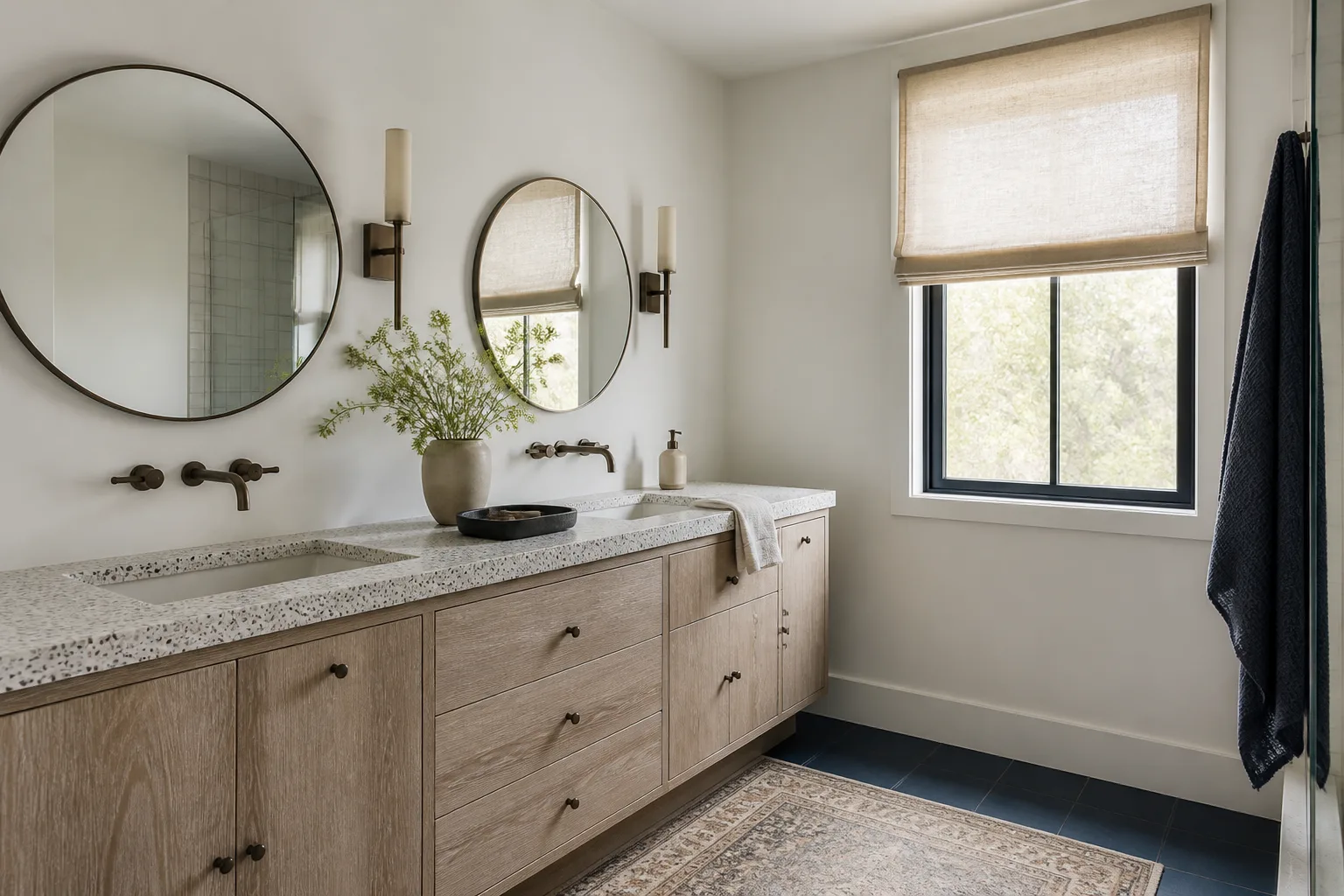
A properly executed remodel on a Plant Prefab bathroom module should last 15 to 20 years in Woodland Hills before finishes need attention, and the plumbing rough-in should outlast that. The limiting factor in Southern California’s heat and dry-season/dry-season climate isn’t the tile – it’s the caulk and grout joints that flex with seasonal soil movement, and the shower valve cartridges that wear out faster in hard water.
Often, yes. Replacing a failed valve cartridge, re-grouting, re-caulking, and swapping trim kits can solve the problem without touching the wall. We’ll tell you straight if the repair is viable. If the waterproofing membrane has failed or the shower pan is cracked, repair work is throwing money at a wall that’s already compromised – call (831) 290-6866 and we’ll assess it honestly.
A finish-level refresh (trim, vanity, caulk, grout, fixtures) typically takes 3 to 5 working days. A full module remodel with waterproofing replacement, valve relocation, tile, and glass runs 2 to 4 weeks including inspections. We give you a written schedule with the written price, and we hit it.
We keep Moen PosiTemp and Kohler Rite-Temp cartridges, shallow-set valve extension kits, Schluter Kerdi and Wedi materials, and a range of Moen, Kohler, Toto, and Grohe trim on hand or available same-week through our supplier network. For vanity surfaces, we work directly with Cambria, Silestone, and Caesarstone fabricators in the Valley, and KraftMaid for replacement cabinetry.
If you own a Plant Prefab home in Woodland Hills and your bathroom is failing, don’t let it sit. The leak you can’t see is the one that costs the most. Isaac Pruett and the Mason Remodeling Co Woodland Hills crew know these modules inside and out. Tell us what you’re seeing, and we’ll give you a straight answer on what it costs to make it right. Call (831) 290-6866 for a free estimate – a real person answers, 24 hours a day, 7 days a week.
Written by Isaac Pruett, Owner, Mason Remodeling Co – Woodland Hills, CA at Mason Remodeling Co Woodland Hills, serving Woodland Hills and nearby areas.