Free written scope consultation - allowances, timeline, and change-order rules on paper before a single trade is scheduled
Boxabl Home Additions & ADU: The Woodland Hills Owner’s Guide
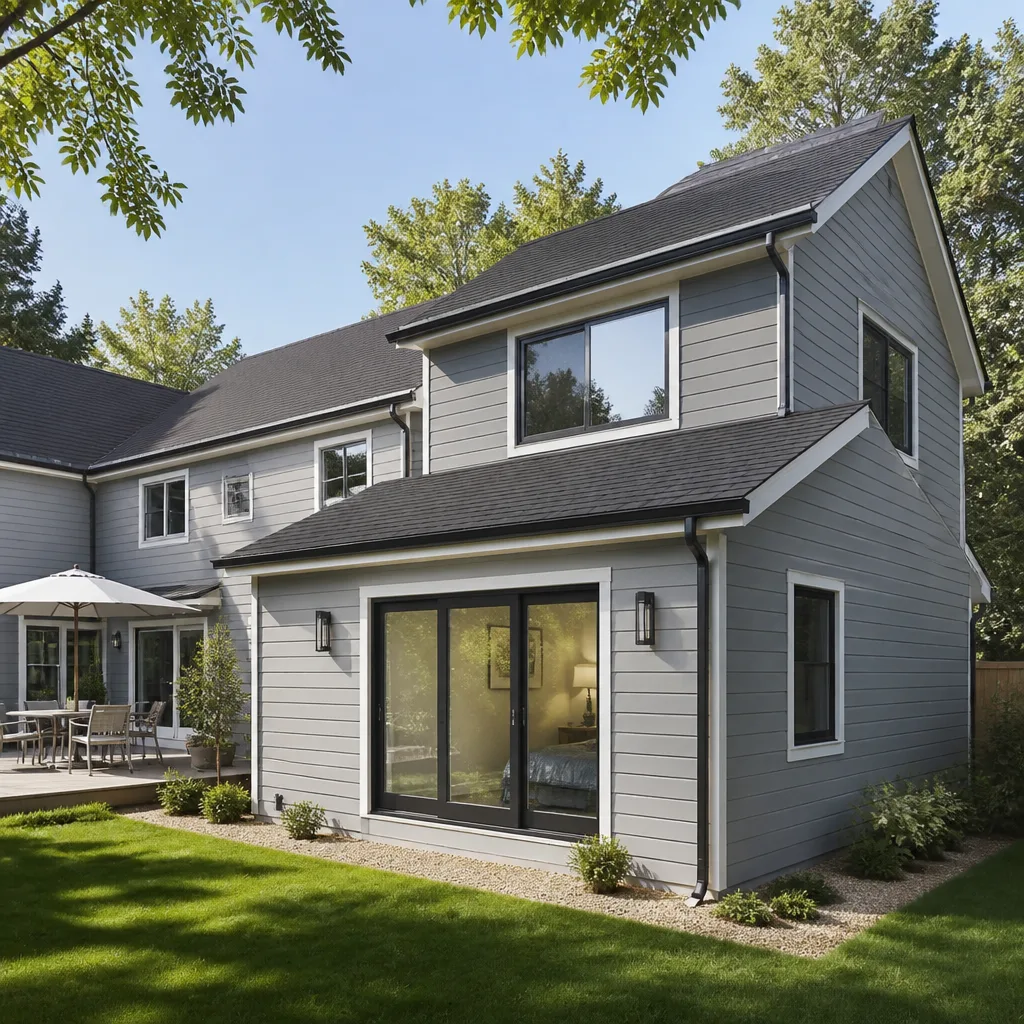
If you own a Boxabl home in Woodland Hills and you’re planning an addition or an ADU, you’re likely looking at a full project cost of $45,000 to $130,000 for a home addition, or $90,000 to $220,000 for a detached ADU, depending on site conditions, permitting, and the scope of foundation and utility work. We work on Boxabl structures throughout Woodland Hills regularly, and the most common reason owners call us is that their original build didn’t account for how the unit would connect to a new wing, a garage conversion, or a second structure on the same lot. The telltale sign is usually a visible seam or transition problem: moisture at the joint where the Boxabl module meets new construction, or a grading issue where the addition’s foundation doesn’t line up with the Boxabl’s chassis height.
We’re an independent general contractor serving Woodland Hills and the surrounding Valley, not affiliated with Boxabl as a manufacturer. What that means for you is straight talk about what works, what doesn’t, and what things actually cost before you spend a dollar.
Key takeaways:
- Boxabl additions in Woodland Hills run $45,000 – $130,000; detached ADUs run $90,000 – $220,000.
- Your Boxabl’s chassis height and wall assembly dictate how the addition ties in, and that’s the first thing we measure.
- Written price before any work starts, every single time.
- Every crew member is name-and-photo verified before they arrive under the Threshold Standard.
- 365-Day Done Right Promise covers the workmanship for a full year from completion.
Which Boxabl Models This Applies To
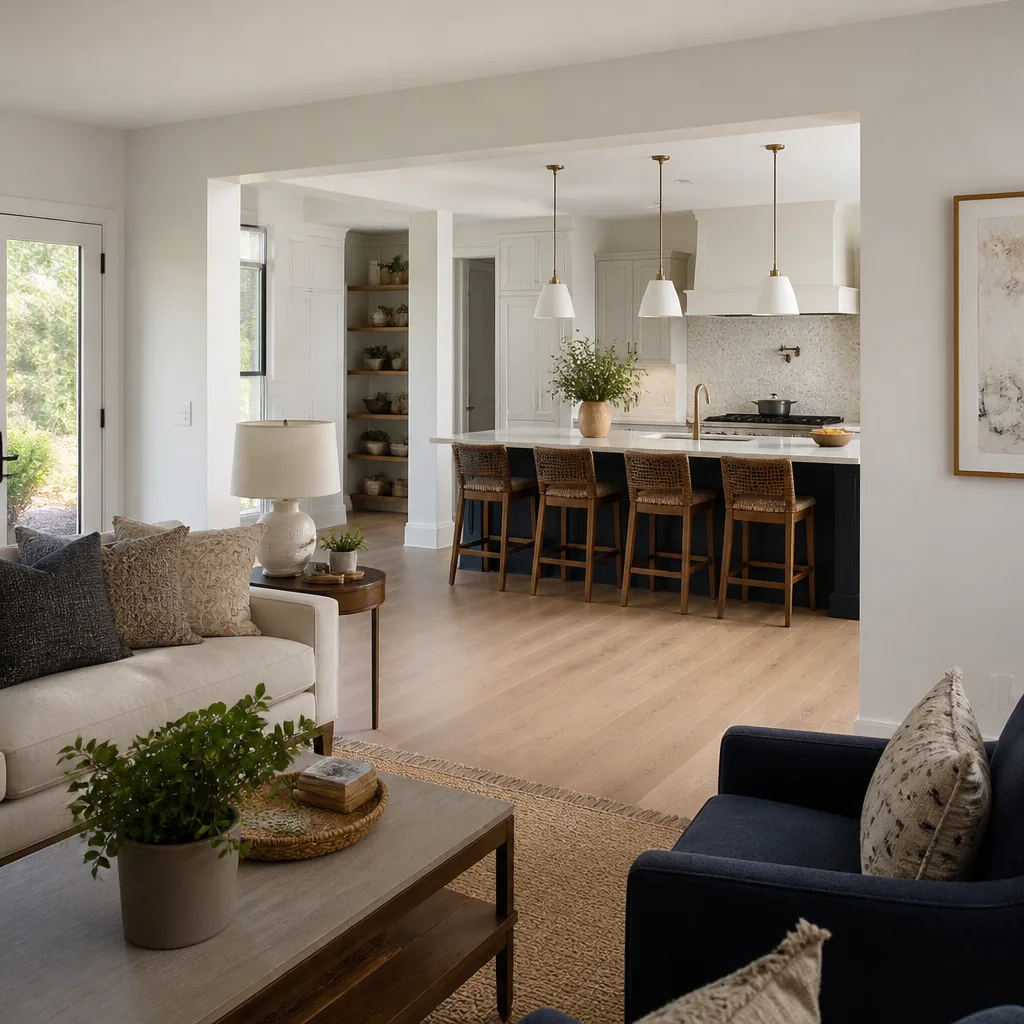
Boxabl’s product line is built around a 20-foot by 20-foot folding module, and the Casita is the model most homeowners in Woodland Hills start with. When we’re planning a home addition or ADU project on a Boxabl property, the first compatibility question is always the wall assembly. Boxabl modules use a steel frame with laminated panel walls, and that means a standard wood-framed addition doesn’t simply butt up against it the way it would on a stick-built house. The connection detail matters, and in Woodland Hills where summer temperatures routinely push past 100 degrees, the expansion difference between steel and wood is real and measurable. We see this most often in Warner Center-adjacent neighborhoods where lots are tighter and additions end up closer to the existing Boxabl module than anyone originally planned.
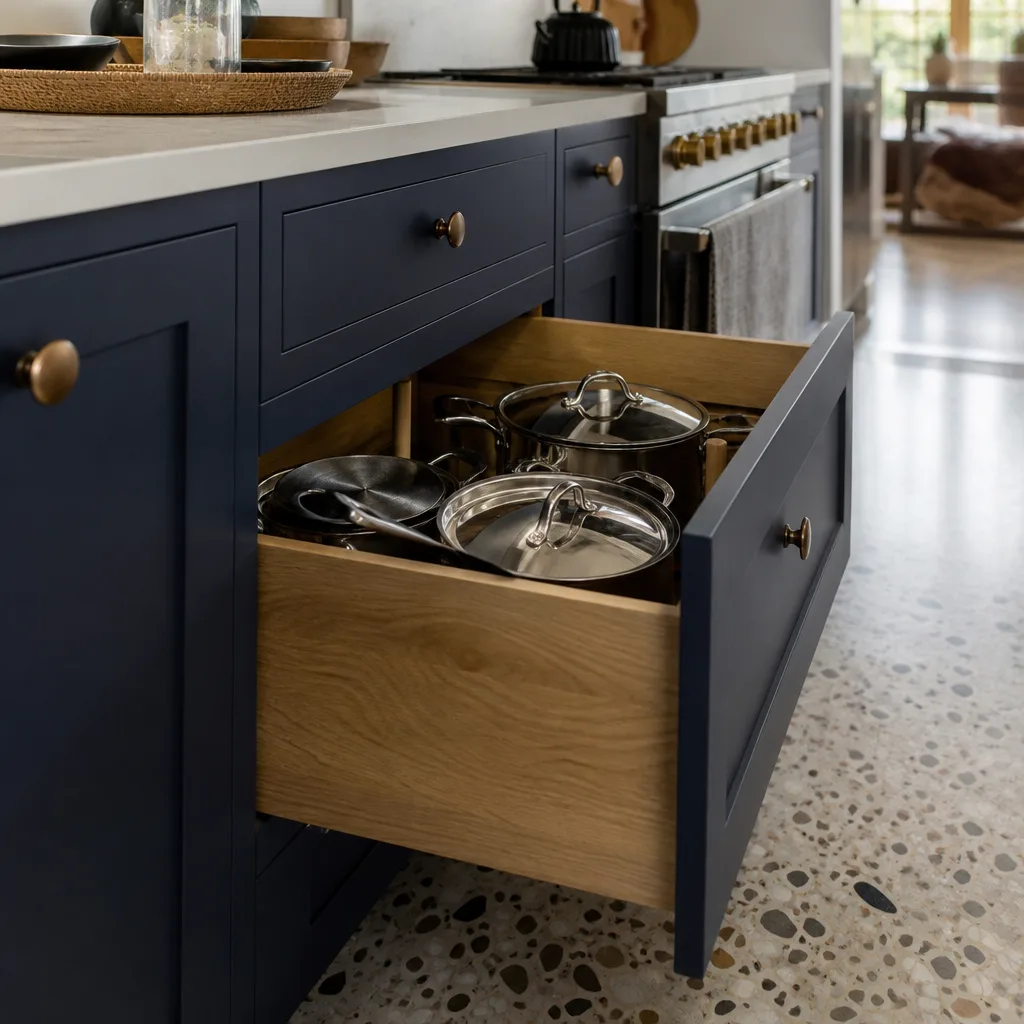
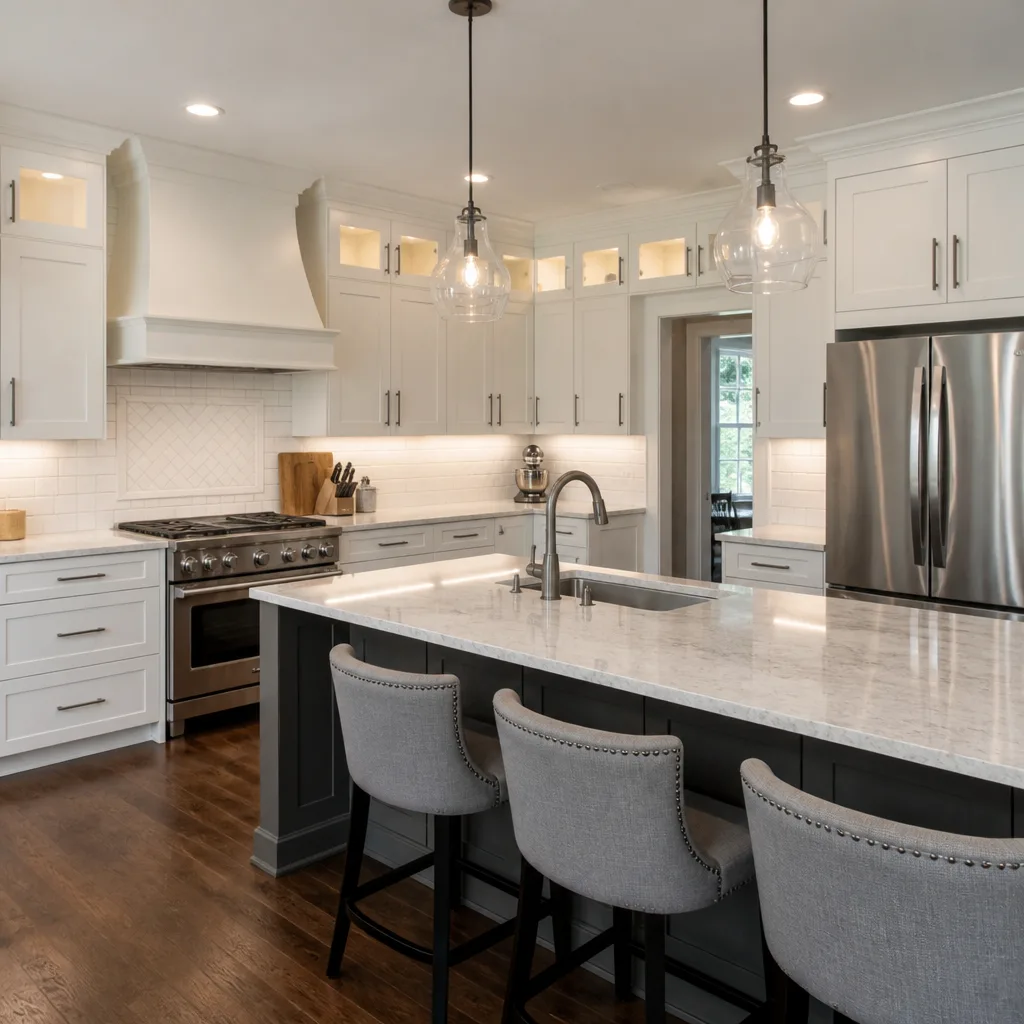
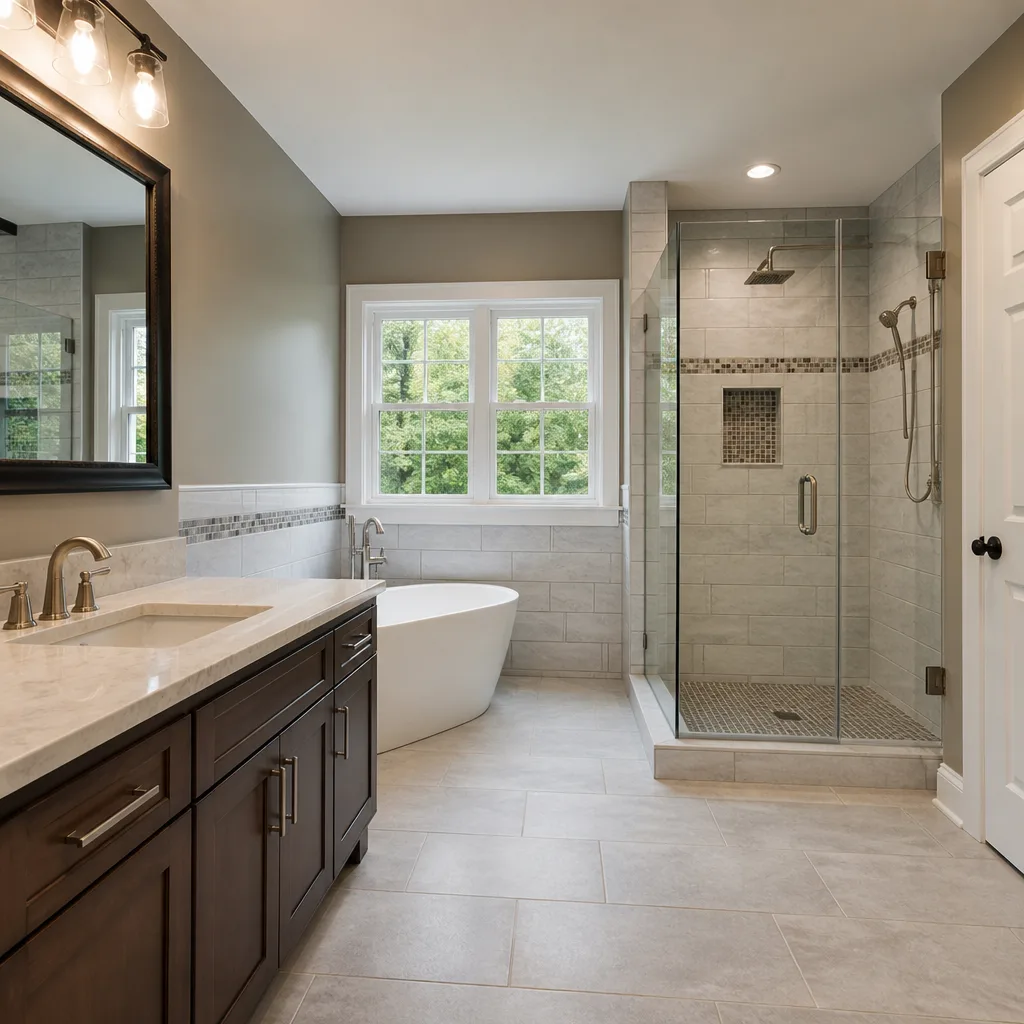
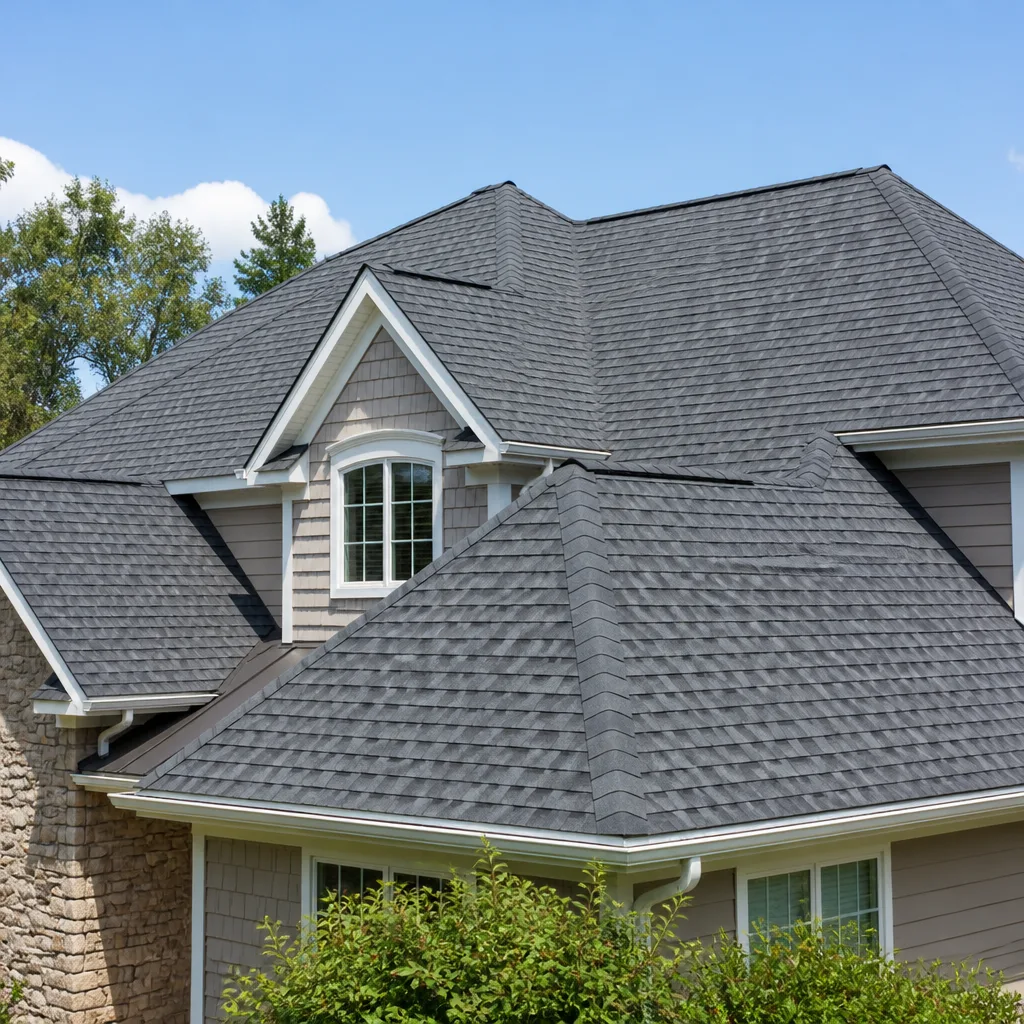
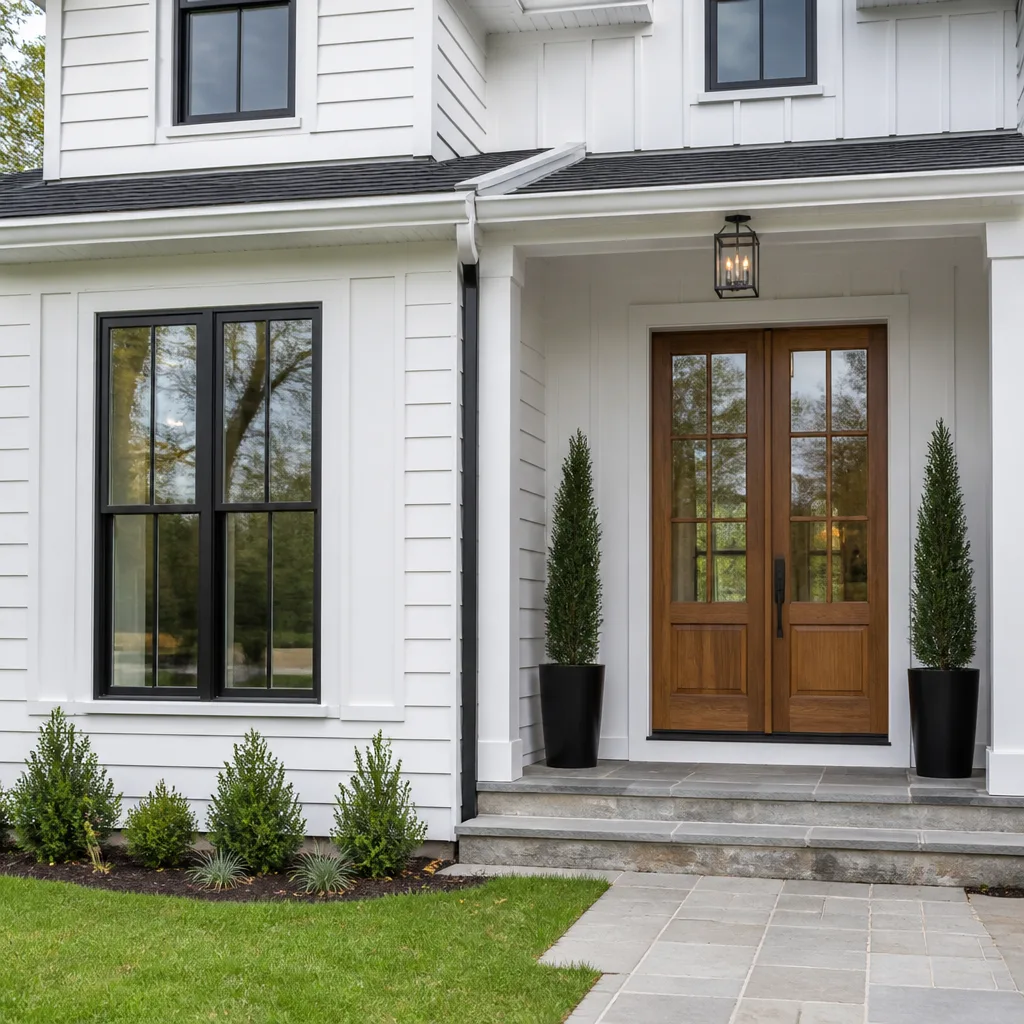
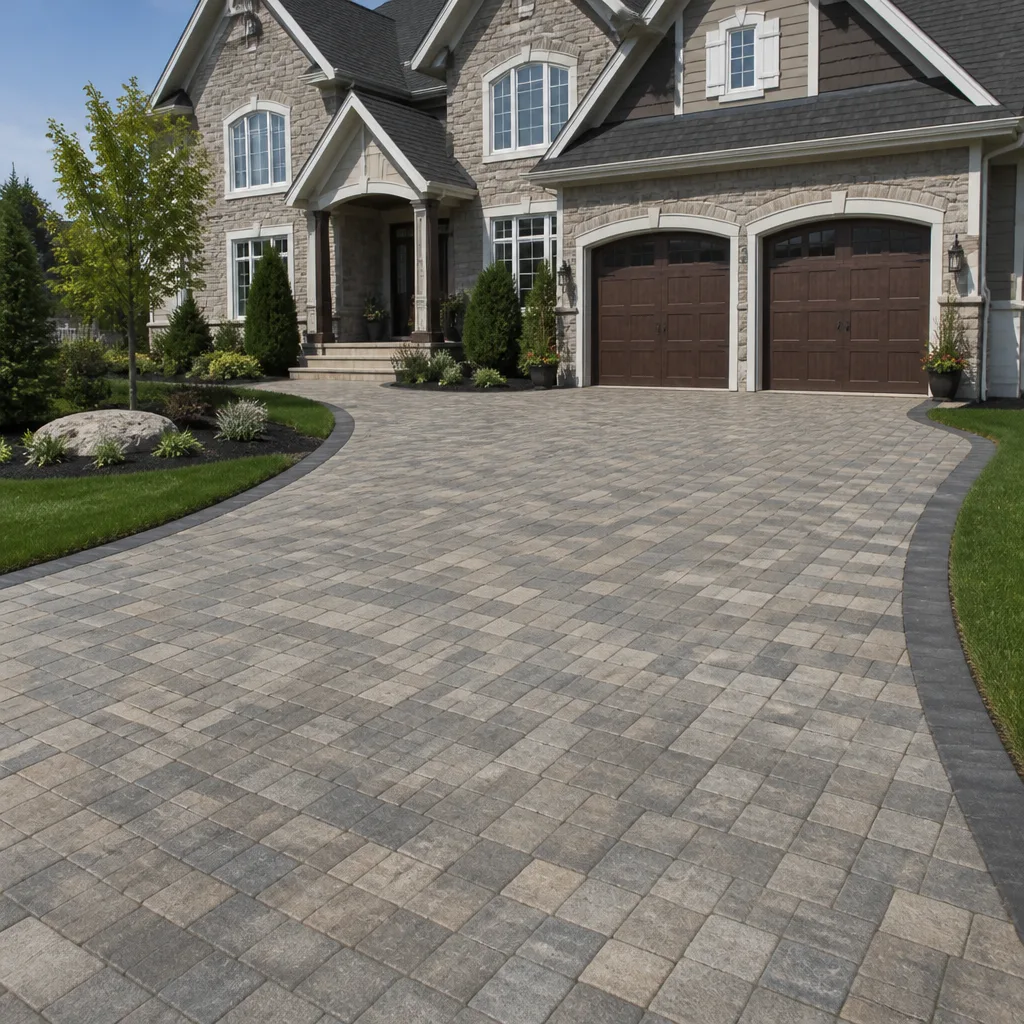
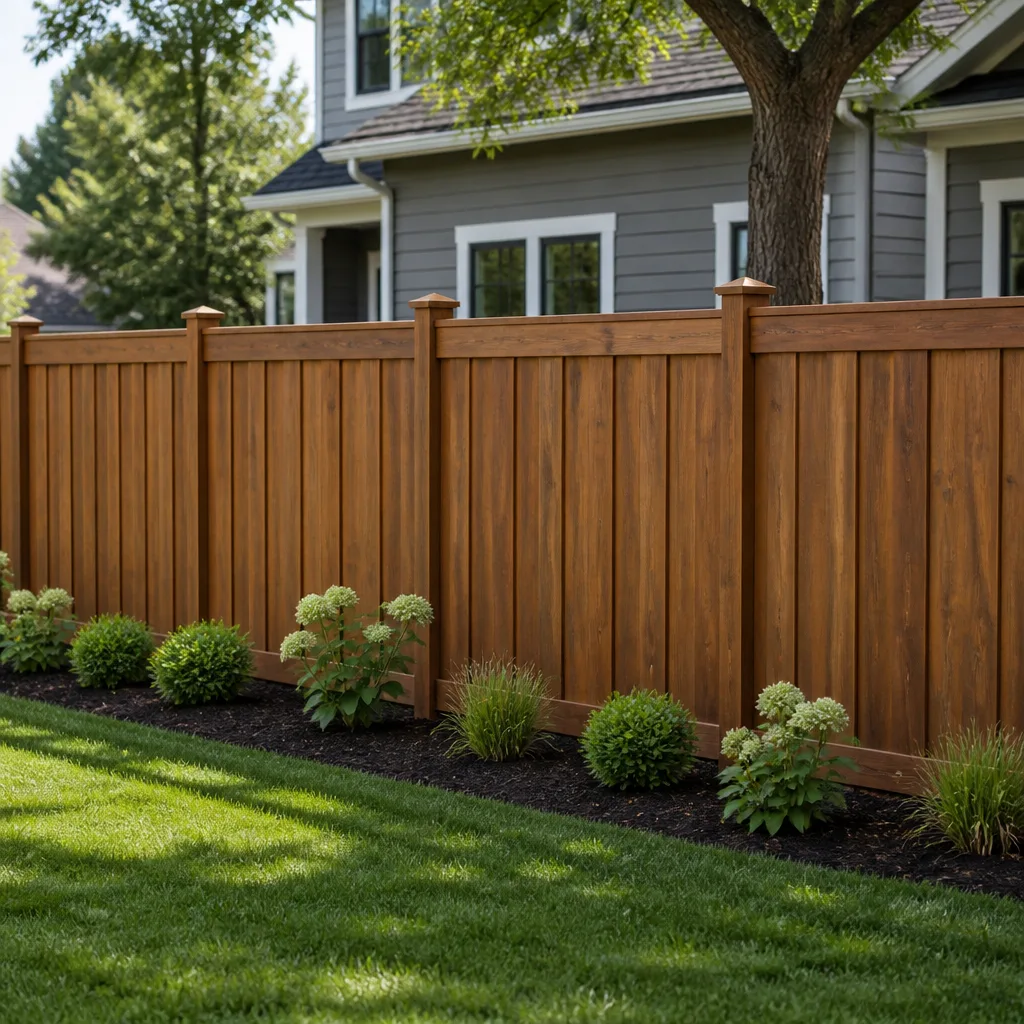
You’ll want to know your module’s serial number and production year before we start. The wall panel specs have shifted slightly between production runs, and knowing exactly which generation you have determines the right flashing detail, the right anchor pattern, and whether we’re matching a roof line or building a new one. On the OEM versus aftermarket question as it applies to building materials around a Boxabl: there’s no “Boxabl-brand” lumber or drywall for an addition. What matters is that the materials connecting to the module are specification-grade and installed by someone who understands steel-to-wood transition assemblies. We build with GAF and CertainTeed roofing products, KraftMaid and Wellborn cabinetry, and Cambria or Silestone surfaces when the project calls for them. These partnerships mean you aren’t guessing about what shows up on the truck.
Styles & brands we work with
Signs Your Boxabl Home Additions & ADU Is Failing
- Water staining at the transition seam between the Boxabl module and the addition. This usually means the flashing detail wasn’t lapped correctly, or the sealant has failed after repeated expansion and contraction through Woodland Hills heat cycles. It’s the number one call we get on Boxabl additions.
- Doors or windows in the new addition bind or stick during summer months. The steel frame of the Boxabl moves differently than wood framing, and if the addition wasn’t designed with that differential in mind, you’ll feel it in the door slabs first.
- Cracks in the drywall where the addition meets the module. Some settling is normal within the first year, but a widening crack at the interface between the Boxabl’s steel paneling and new wood framing signals that the connection detail needs inspection.
- Uneven flooring across the threshold from the original unit into the addition. Boxabl modules sit at a specific height above grade, and if the addition’s floor system wasn’t built to match, you get a step-up or step-down that’s both a trip hazard and a sign the subfloor elevations were guessed, not measured.
- Draftiness or dust accumulation near the roof line intersection. When the addition’s roof plane doesn’t tie into the Boxabl correctly, the gap lets fine dust from the dry Woodland Hills season work its way inside. You’ll notice it on ledges and window sills near the connection point.
See the difference
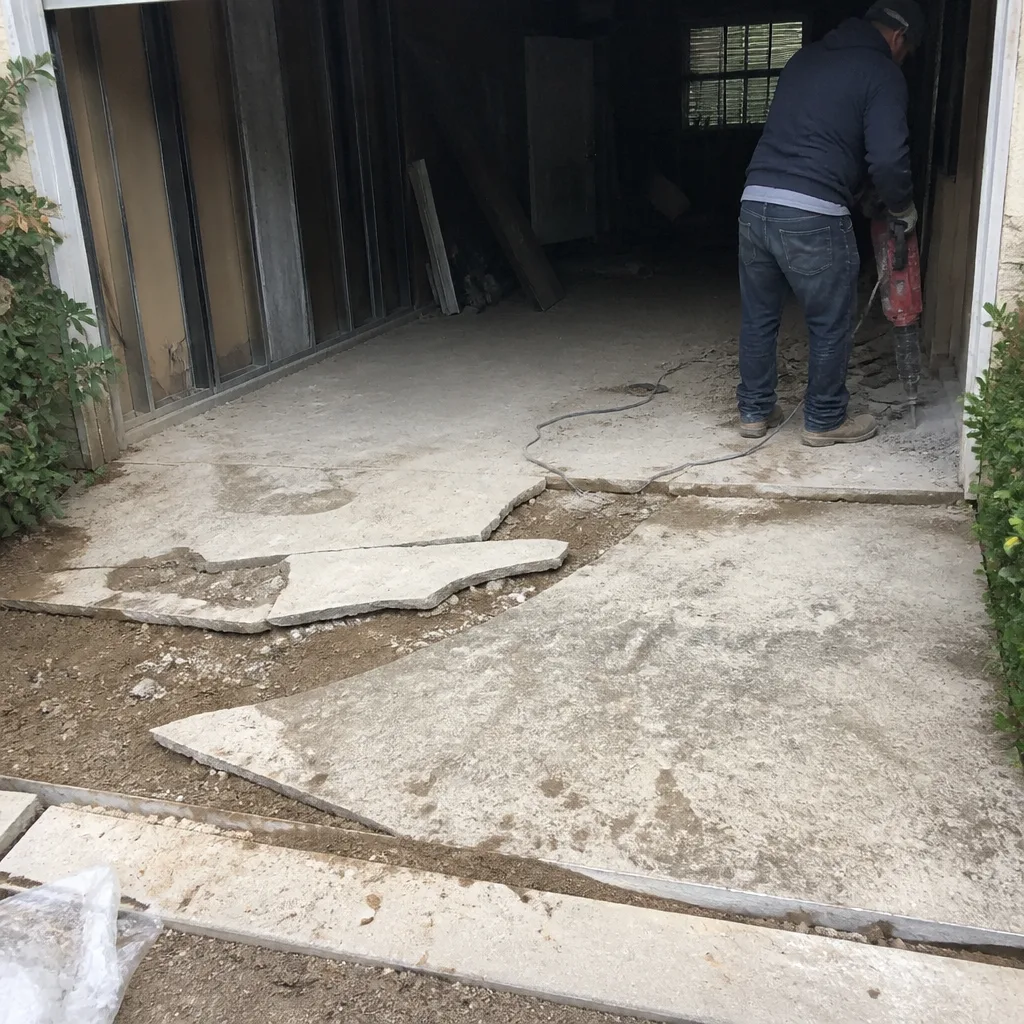 Before
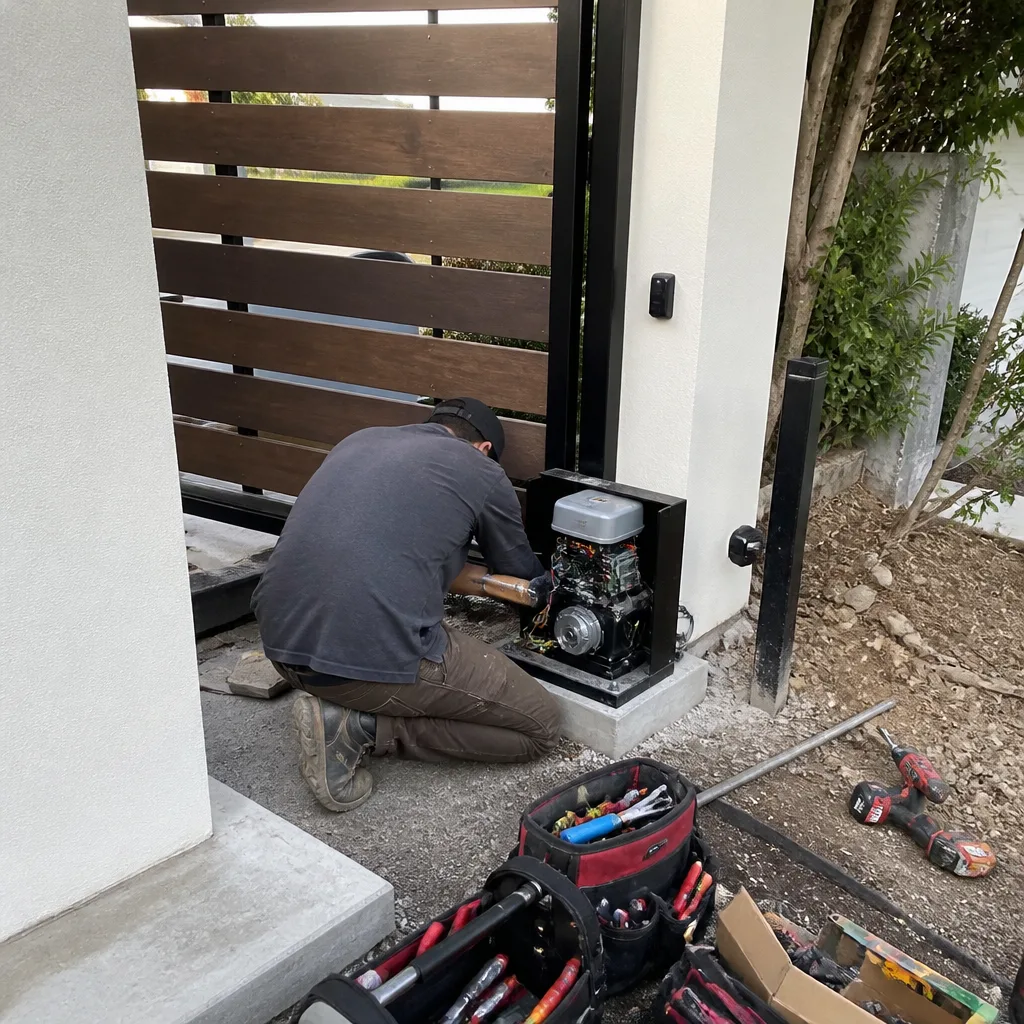 After
After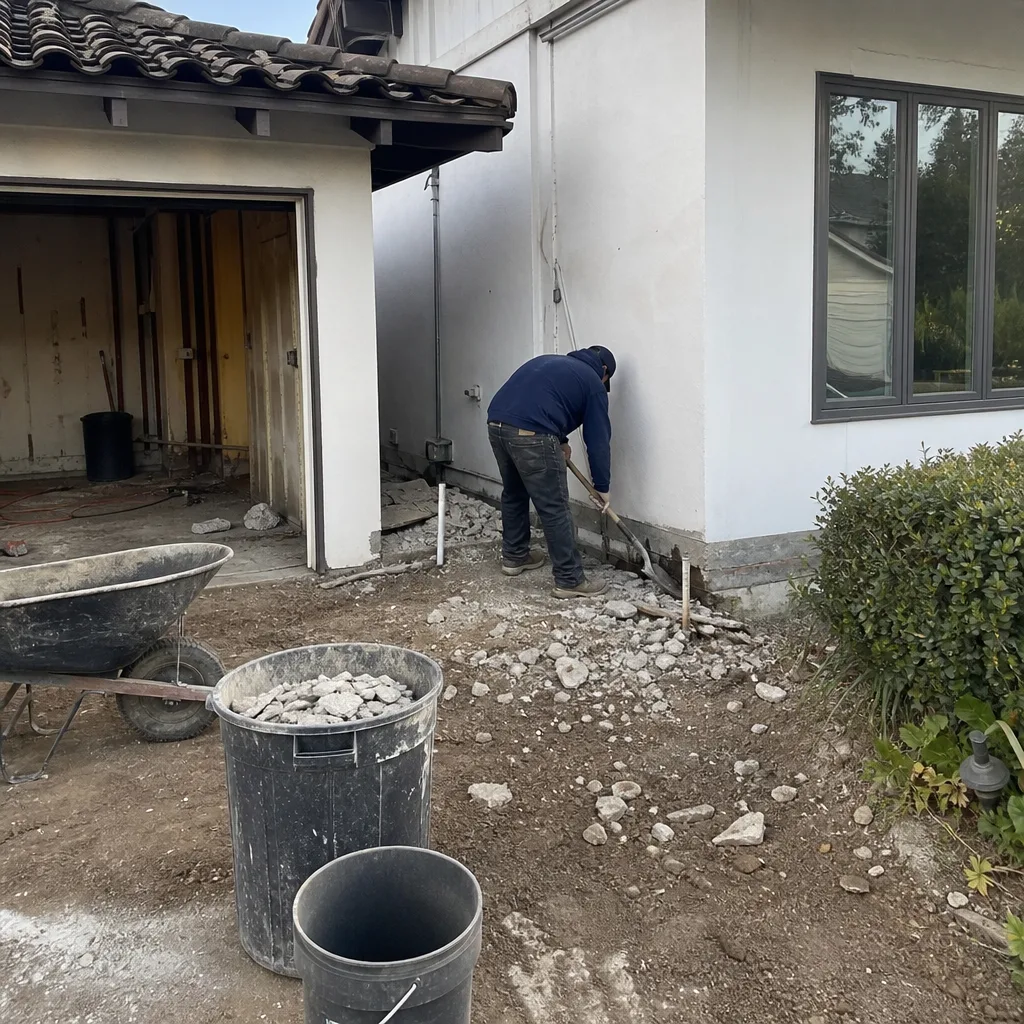 Before
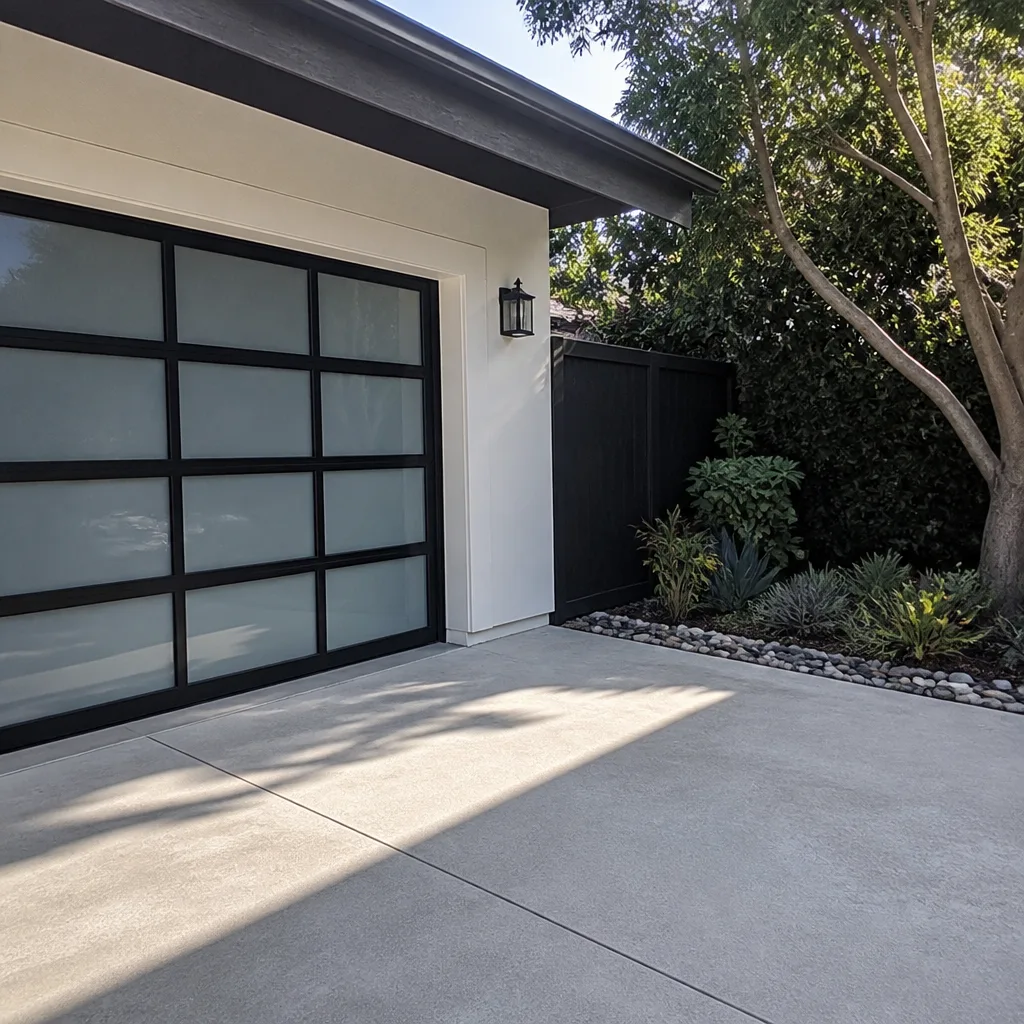 After
After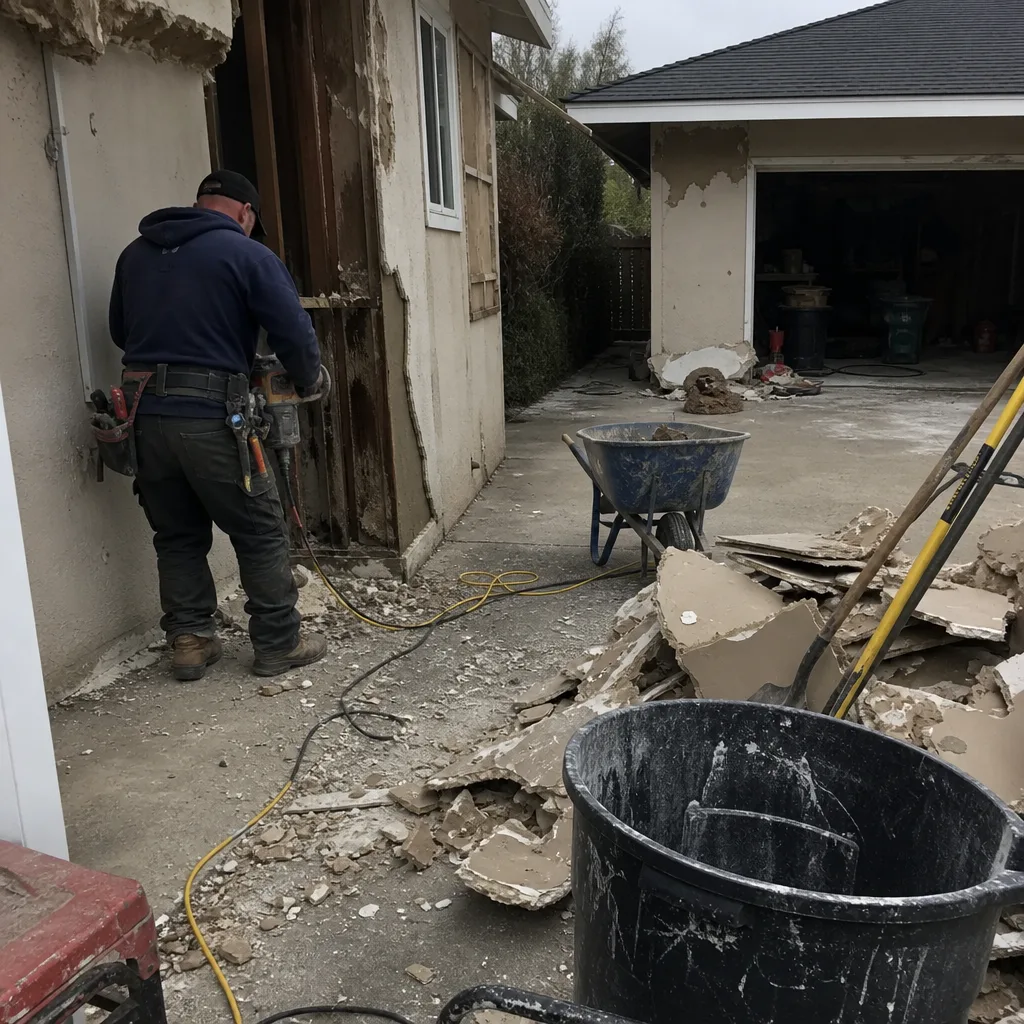 Before
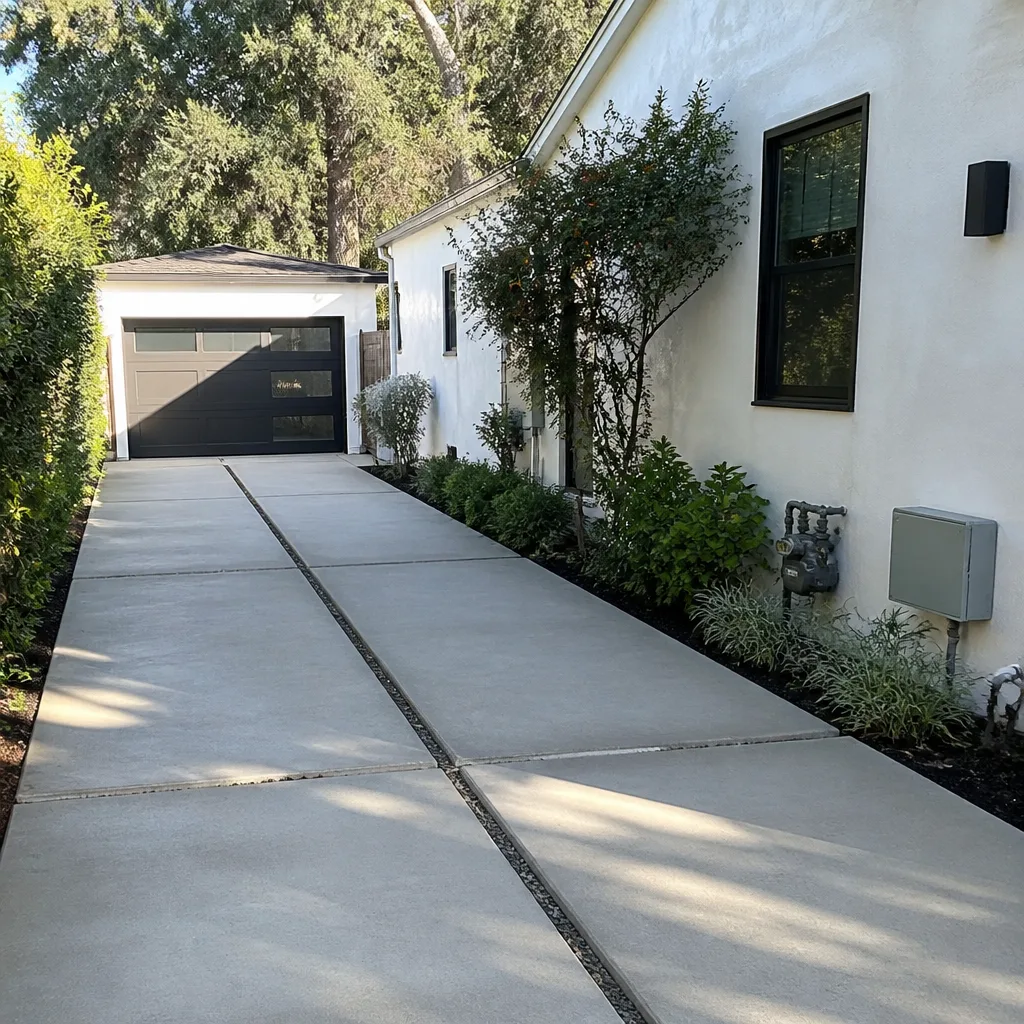 After
AfterReplacement Cost & What’s Included
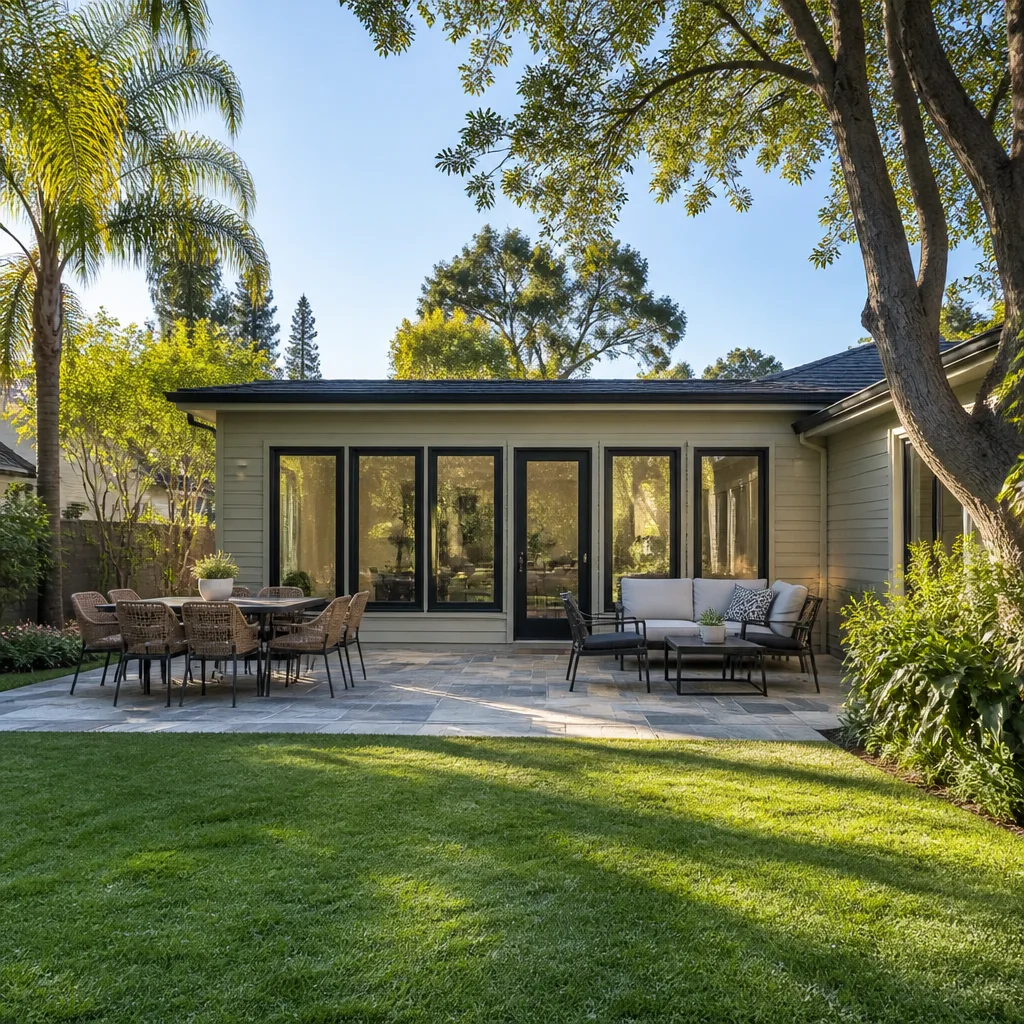
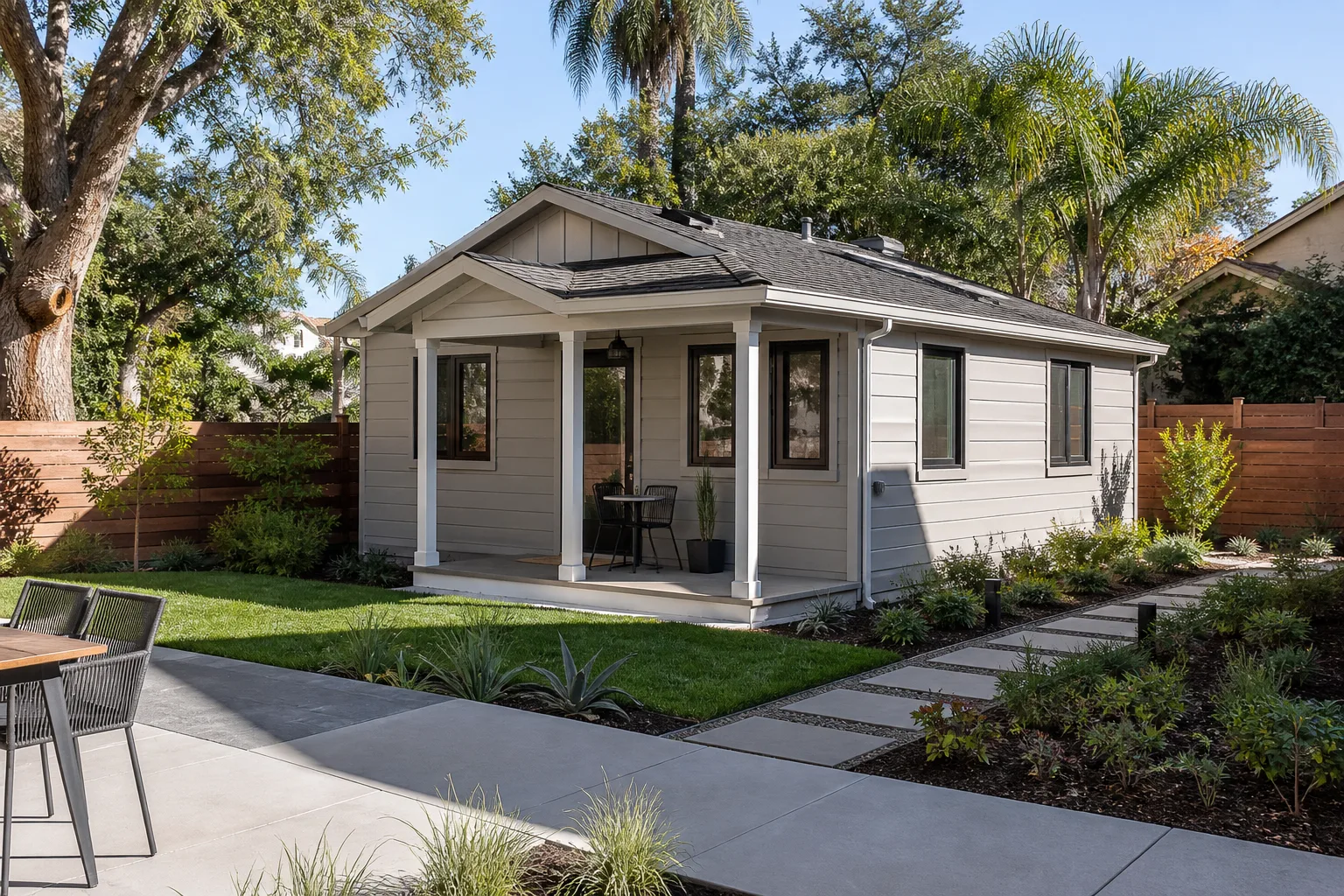
For Woodland Hills specifically, a home addition on a Boxabl property runs $45,000 to $130,000 installed. A detached ADU runs higher, $90,000 to $220,000, because it means separate foundation work, separate utility runs, and separate permitting. A garage conversion, which is often the fastest path to added living space on a Boxabl lot, lands between $30,000 and $80,000. The single biggest cost driver is the foundation and utility scope: if you’re adding square footage on the same pad as the Boxabl, costs stay leaner. If we’re trenching for new sewer, water, and electrical across a Woodland Hills hillside lot, the price moves accordingly.
Every project gets a written line-item price before any tools come out. No verbal number that grows at the end. No change orders unless you ask for a change. The workmanship is covered by our 365-Day Done Right Promise: if something isn’t right within a year of completion, we come back and make it right at no cost to you. The terms are stated in writing, including what’s covered and for how long.
DIY or Call Us?
The honest split is this: you can and should walk your property and note where you see water staining, cracking, or uneven thresholds. Document it, take photos, and watch whether it changes through a full season. What you should not do is open up the wall at the module-to-addition seam, attempt to re-flash a roof intersection, or pour any kind of footing or slab yourself. The Boxabl’s steel frame is load-bearing and every connection point into it is a structural decision. Getting that connection wrong is not a cosmetic problem. It can put real stress on the module’s frame and compromise the entire existing structure, and steep or high roof junction work is genuinely dangerous without the right equipment and training.
Isaac Pruett grew up in Los Angeles, trained at Los Angeles Trade-Technical College, and spent years working projects throughout the Valley, including long stretches near Warner Center in Woodland Hills. He’s opened up enough walls to know that what you plan for and what you find are rarely the same thing. If you’re seeing signs that your Boxabl addition is settling wrong, call (831) 290-6866 and we’ll take a look.
FAQs
A properly connected addition built with specification-grade materials will last 50 years or more, and the Boxabl module itself has a steel frame designed for decades of use. The weak point is always the transition detail, and in Woodland Hills specifically, the heat-driven expansion difference between steel and wood is what ages a connection fastest. That’s why we insist on the right flashing, the right sealants, and the right anchor pattern from day one. Call (831) 290-6866 for a free estimate on your project.
Yes, in most cases the failure is in the connection detail, not in the framing, the module, or the roof structure itself. We can re-flash, re-anchor, and re-seal a transition seam, repair or sister framing members where needed, and correct drainage without tearing the whole addition down. The repair cost depends on how long the issue has been open and whether water has reached the framing, but repairs are almost always less than a full rebuild. Call (831) 290-6866 and we’ll give you a written price before any work starts.
Most home additions on Boxabl properties in Woodland Hills take 10 to 16 weeks from first measurement to final inspection, and detached ADUs run 16 to 26 weeks depending on utility trenching and City of Los Angeles permitting timelines. Permits and inspections are pulled and handled by us, and you get a written schedule at the start so you know what’s happening each week. Call (831) 290-6866 to schedule your free estimate and get a specific timeline for your lot.
You won’t need to chase down anything yourself. We stock the fasteners, flashing, sealants, and transition materials that Boxabl’s steel-frame construction requires, and we bring our specification-grade material partners to the project for everything from roofing to cabinets to countertops. We work with GAF and CertainTeed roofing, KraftMaid and Wellborn cabinetry, plus Cambria and Silestone surfaces. Tell me what you need done. I’ll tell you what it takes and what it costs. Then we get to work. Call (831) 290-6866.
Written by Isaac Pruett, Owner, Mason Remodeling Co – Woodland Hills, CA at Mason Remodeling Co Woodland Hills, serving Woodland Hills and nearby areas.