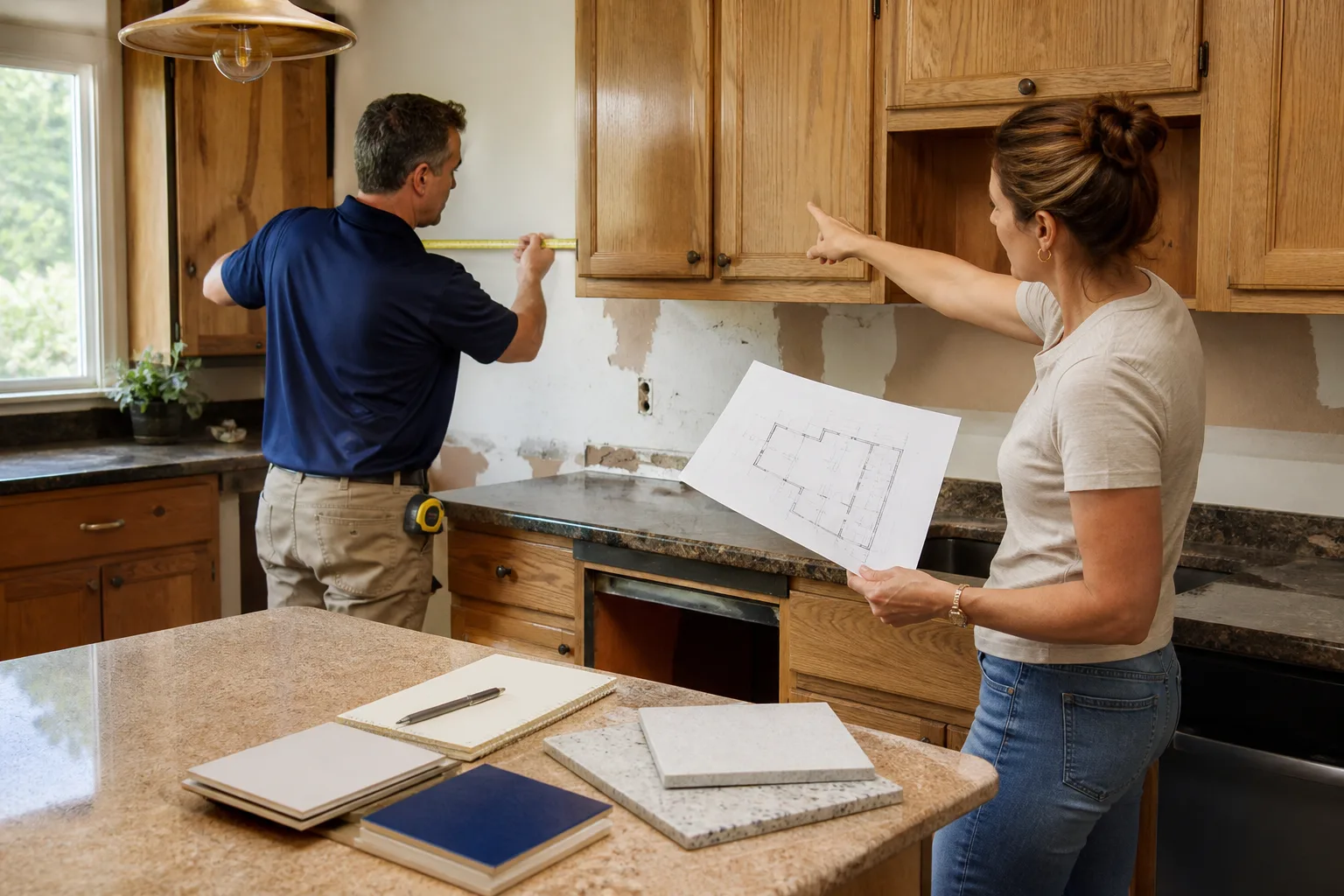
Free written scope consultation - allowances, timeline, and change-order rules on paper before a single trade is scheduled
Quikrete Home Additions & ADU: The Woodland Hills Owner’s Guide
A Quikrete-based home addition or ADU in Woodland Hills typically runs $45,000 to $130,000 when built through a licensed general contractor, which includes concrete, framing, finish work, and permits. We install Quikrete products as part of new foundation work, slab pours, and structural additions, and we stock the bags, mixes, and reinforcement materials needed to keep an existing Quikrete foundation or slab performing. Most owners discover a problem the same way, a hairline crack near a corner, a door that starts sticking, or a floor that feels soft in one spot after a heavy rain.
If you’re standing in a room that was added on before you bought the place and something underneath it isn’t right, this page tells you what to check, what it costs, and when to stop looking at it and call someone. We’re an independent contractor in Woodland Hills, not affiliated with Quikrete, but we work with their concrete and mortar products every week.
Which Quikrete Models This Applies To
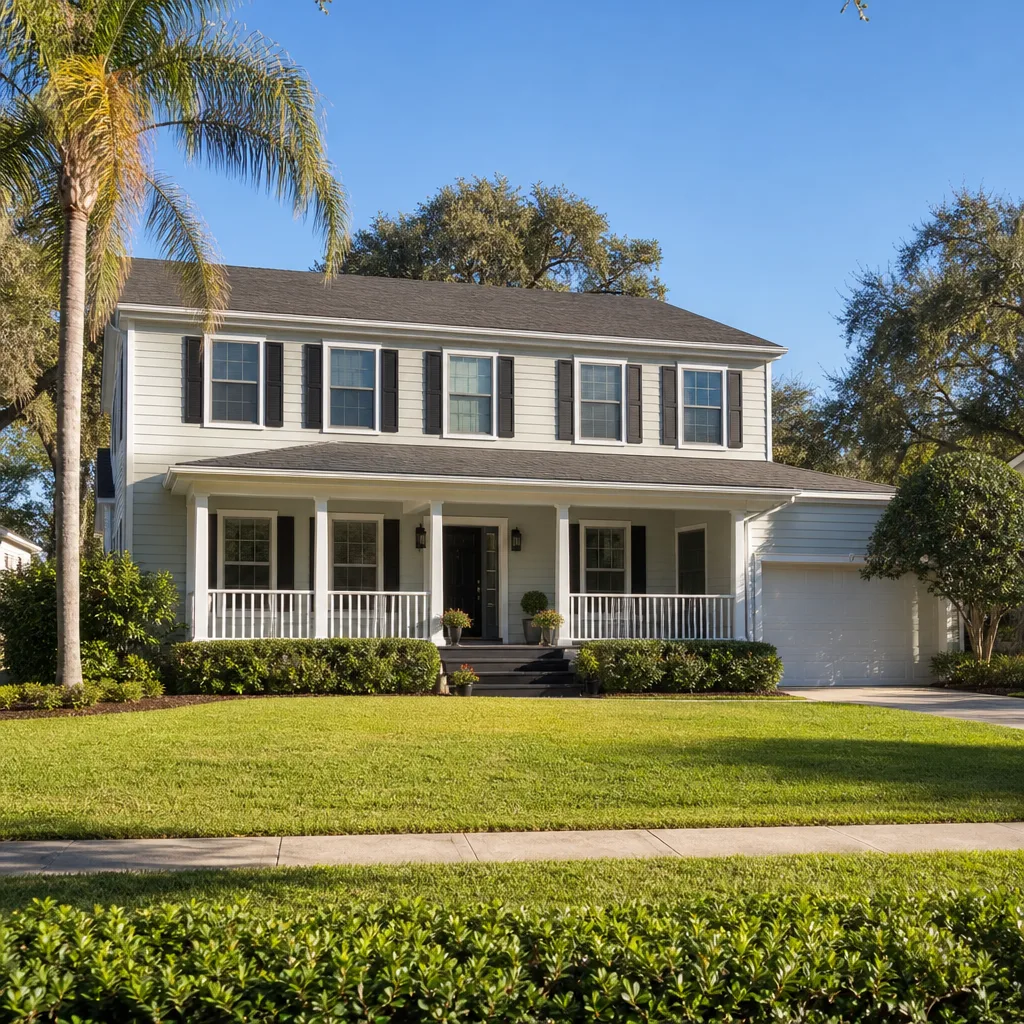
Most Woodland Hills additions and ADUs built in the last 20 years use one of three Quikrete product lines: standard 5000 PSI concrete mix for footings and slabs, Quikrete Crack-Resistant Concrete for interior slabs and walkways, and Quikrete Mortar Mix or Mason Mix for block walls and veneer work. The bag label tells you which one you have. If the print is gone, the aggregate size and color usually give it away, crack-resistant mix has finer aggregate and a slightly darker gray once cured.
Compatibility is straightforward: any Quikrete concrete mix rated 4000 PSI or higher works for load-bearing footings under a new addition, but you cannot use mortar mix in place of concrete for a slab. It isn’t rated for compressive load. That’s the gotcha we see most often in older Woodland Hills additions built during the 1980s and 1990s boom, someone used whatever was on the truck, and the slab pays for it 30 years later.
On the OEM versus aftermarket question: Quikrete is the brand, but concrete itself is a commodity. Any mix meeting the same PSI rating and aggregate spec performs identically. We use Quikrete on most jobs because it’s consistent batch to batch, which matters when you’re pouring a 40-foot footing in 95-degree Valley heat and you can’t afford a bad bag.
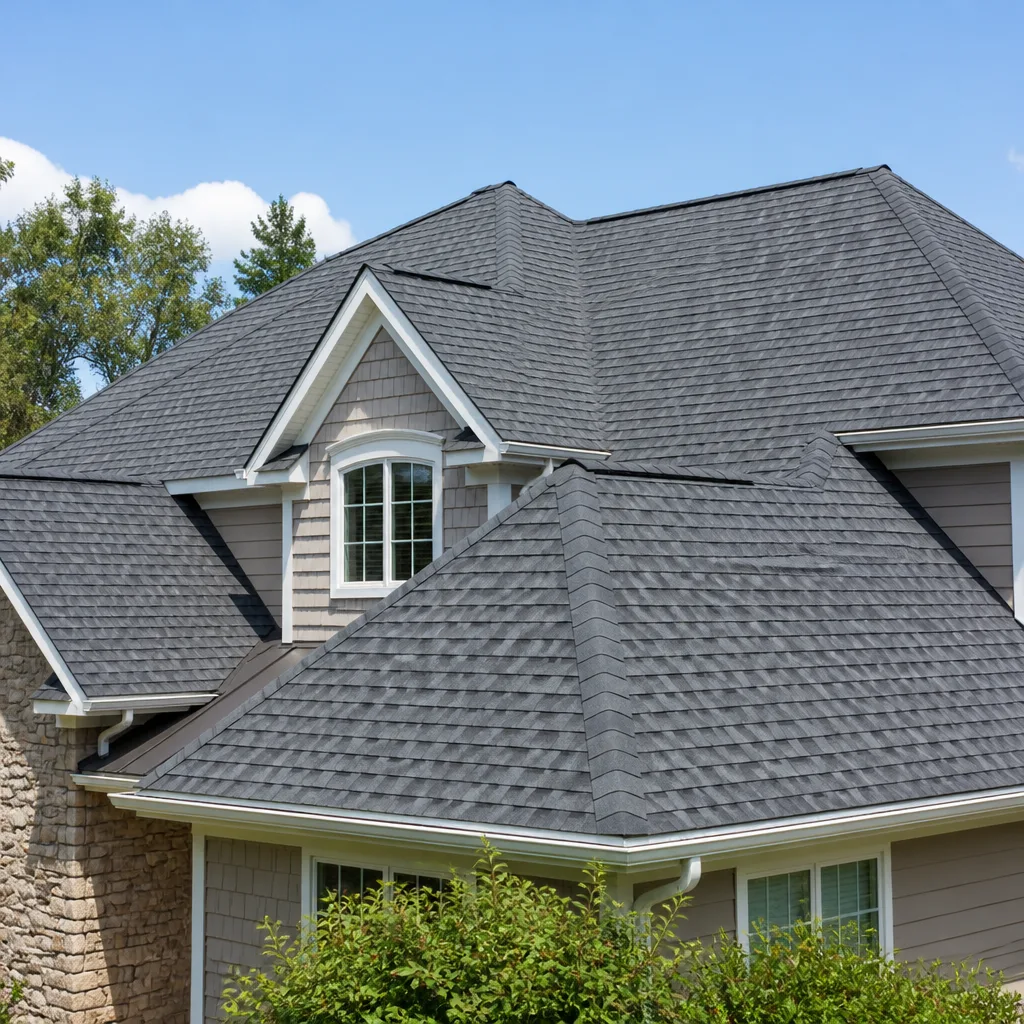
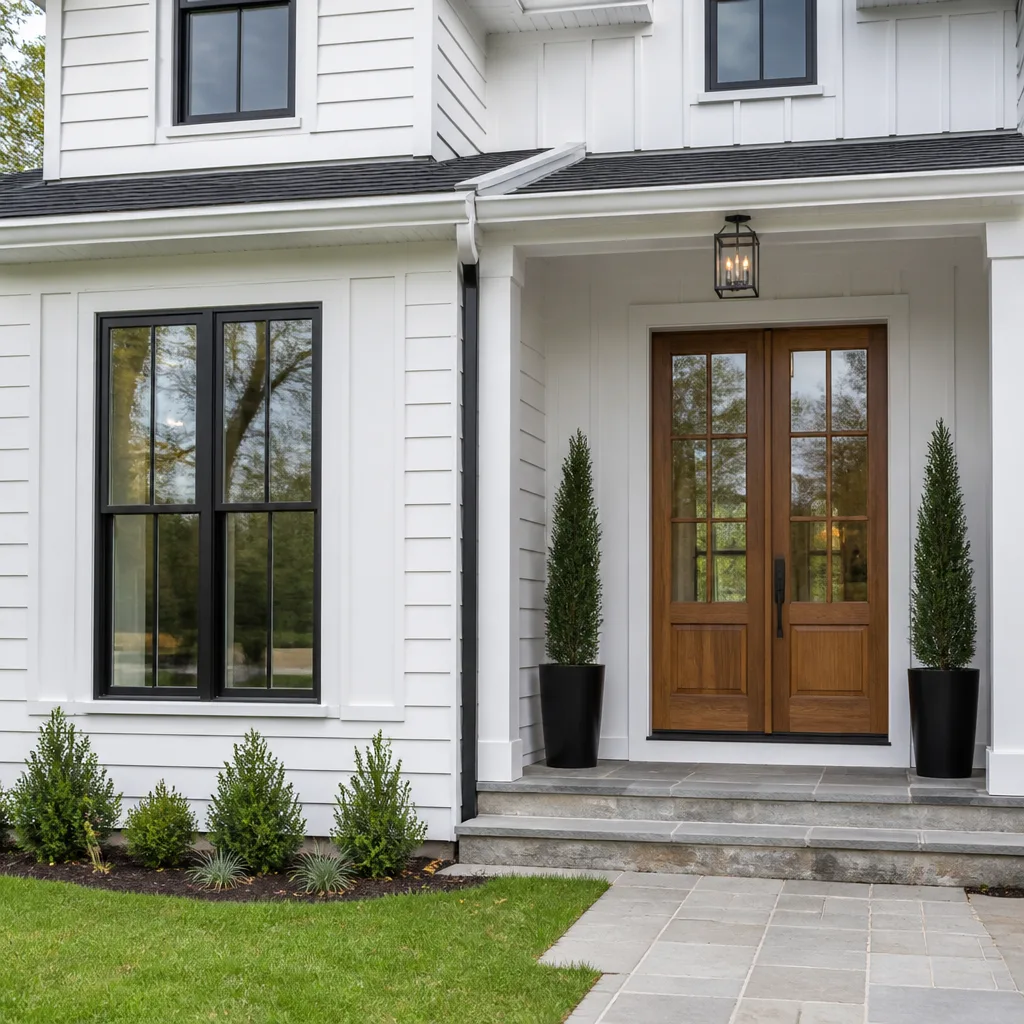
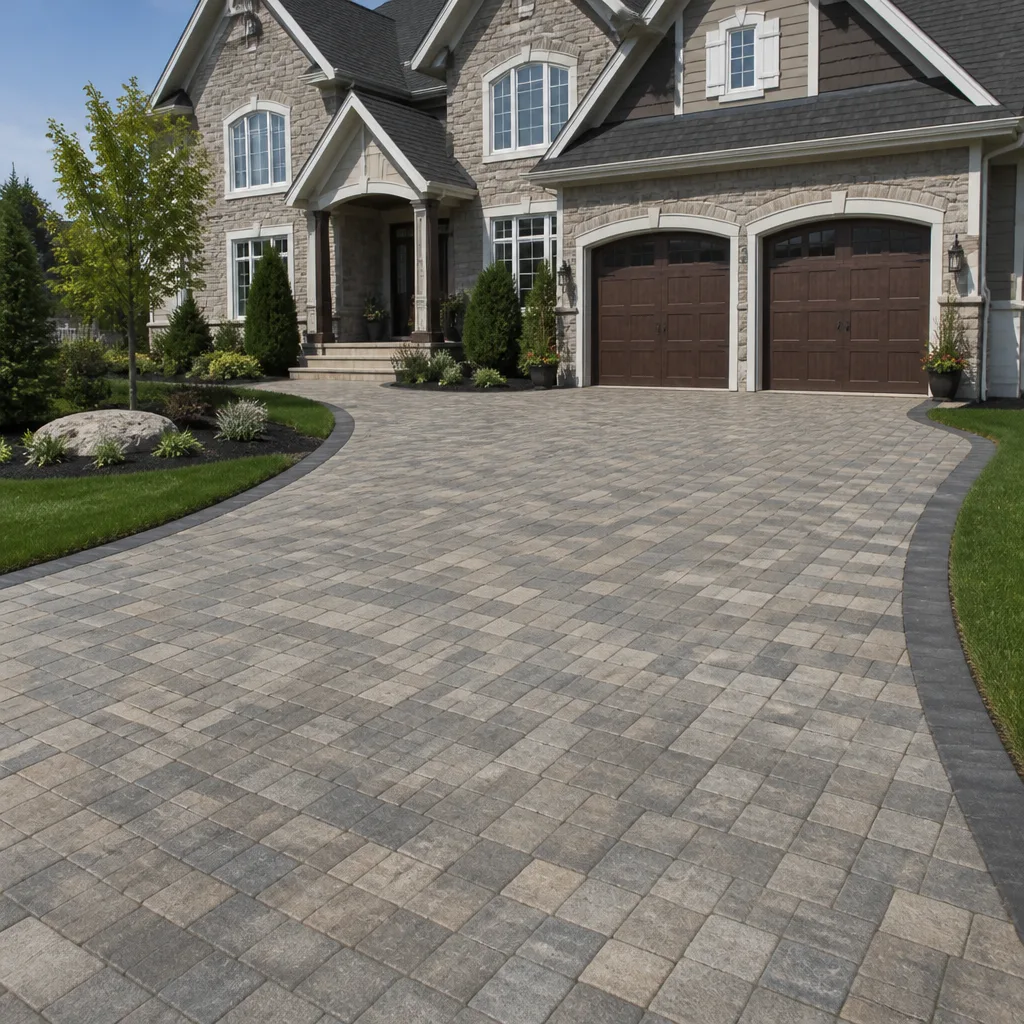
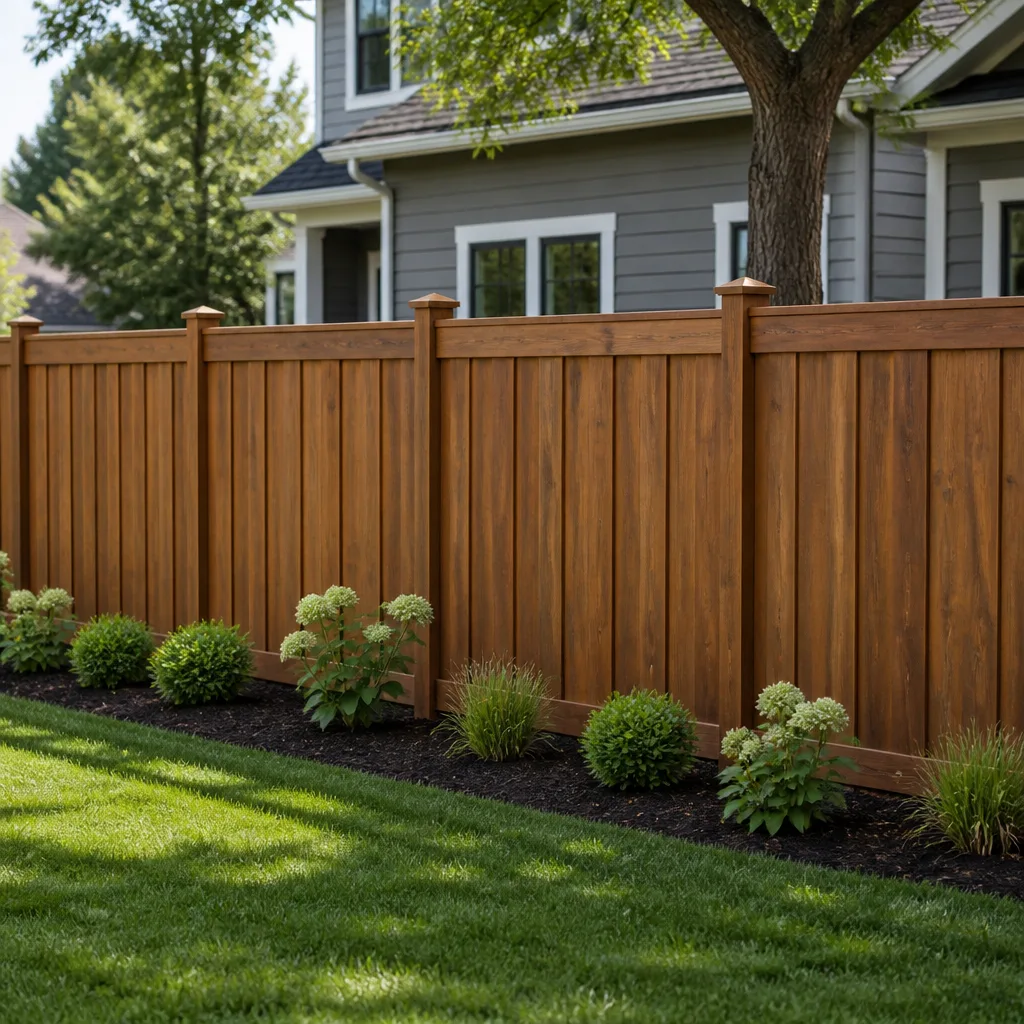
Styles & brands we work with
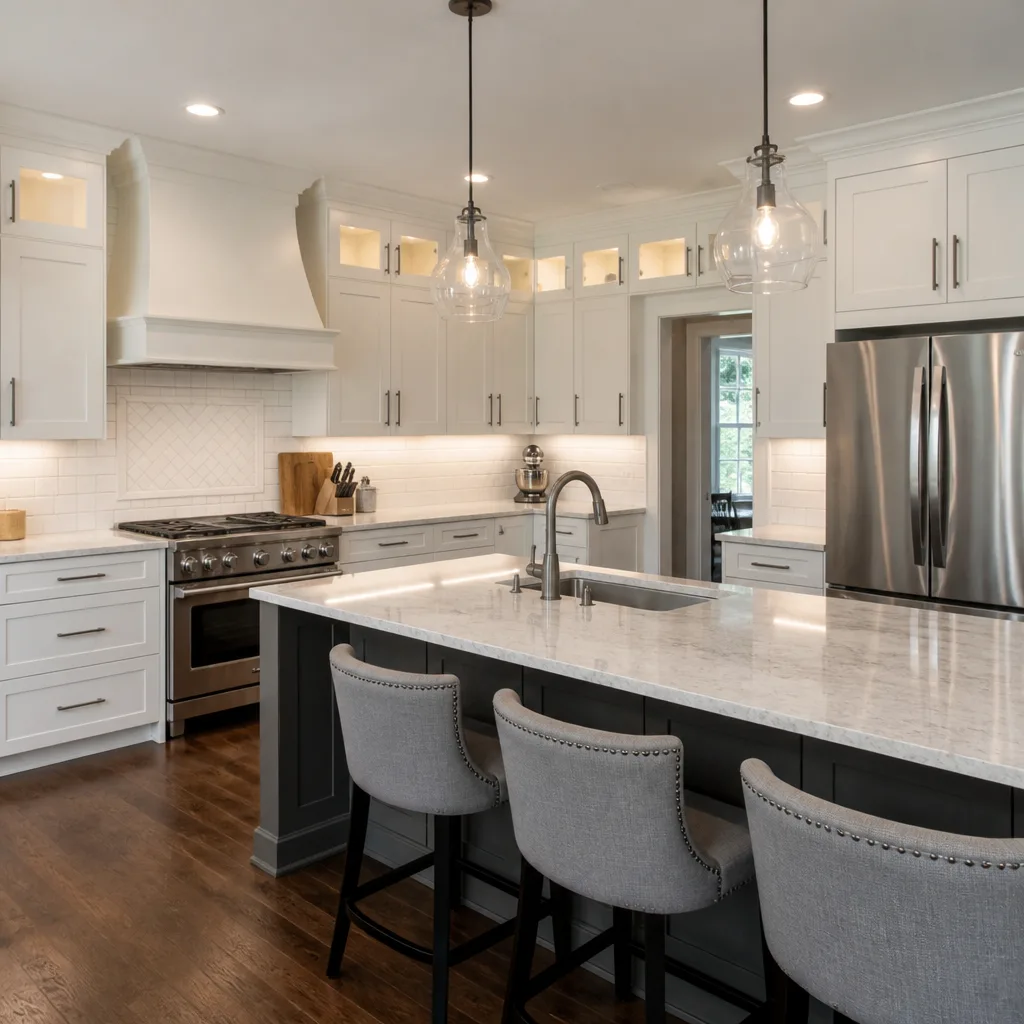
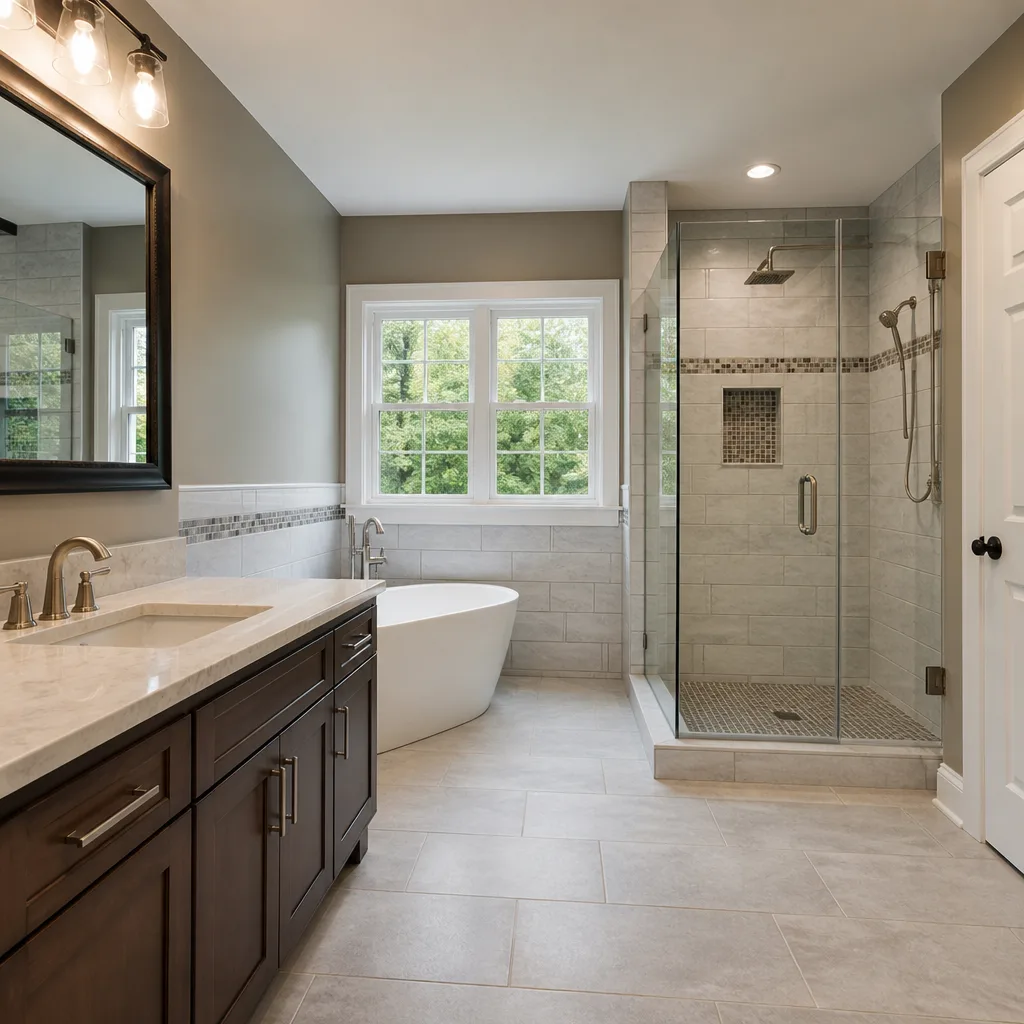
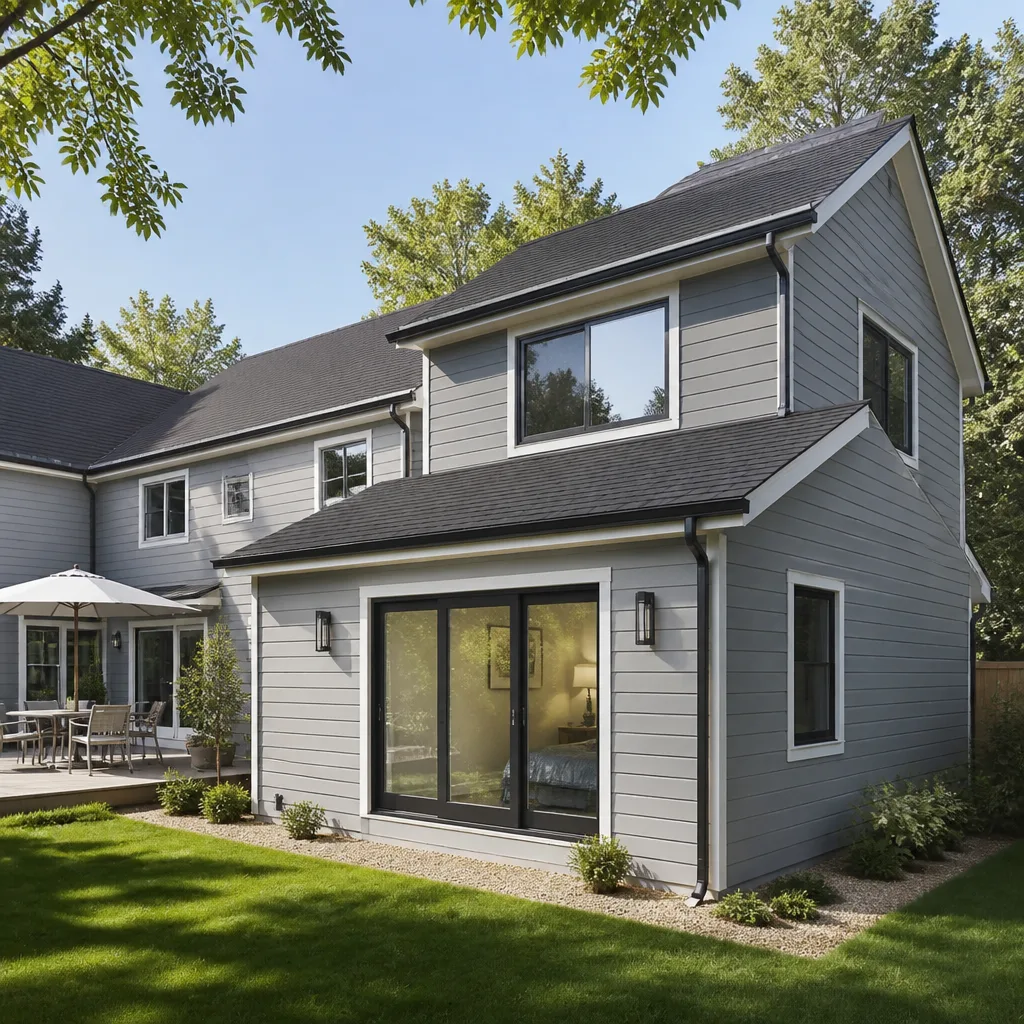
Signs Your Quikrete Home Additions & ADU Is Failing
- Cracks wider than a nickel along the base of an exterior wall. This usually means the footing settled or the original pour was too thin at the edge. In Woodland Hills, the freeze-thaw cycle is minimal, but expansive clay soil moves more than most people expect after winter rains.
- A floor that dips or flexes when you walk across one spot. That’s a void under the slab, common in add-ons where the dirt wasn’t compacted before the pour. Water from sprinklers or a leaking pipe accelerates it.
- Water seeping up through cracks after a storm. This signals a hydrostatic pressure problem under the slab. The concrete isn’t failing on its own; the drainage around it is pushing groundwater where it shouldn’t go.
- Drywall cracks running diagonally from door or window corners in the addition. The framing and the slab are moving at different rates. It doesn’t always mean the concrete failed, but it’s the first visible clue that something below grade shifted.
- Crumbling edges on a stem wall or step where the mix was too wet during the original pour. Wet concrete is easier to screed but cures weaker. We see this a lot on ADUs built quickly during the recent housing push across the west Valley.
Replacement Cost & What’s Included
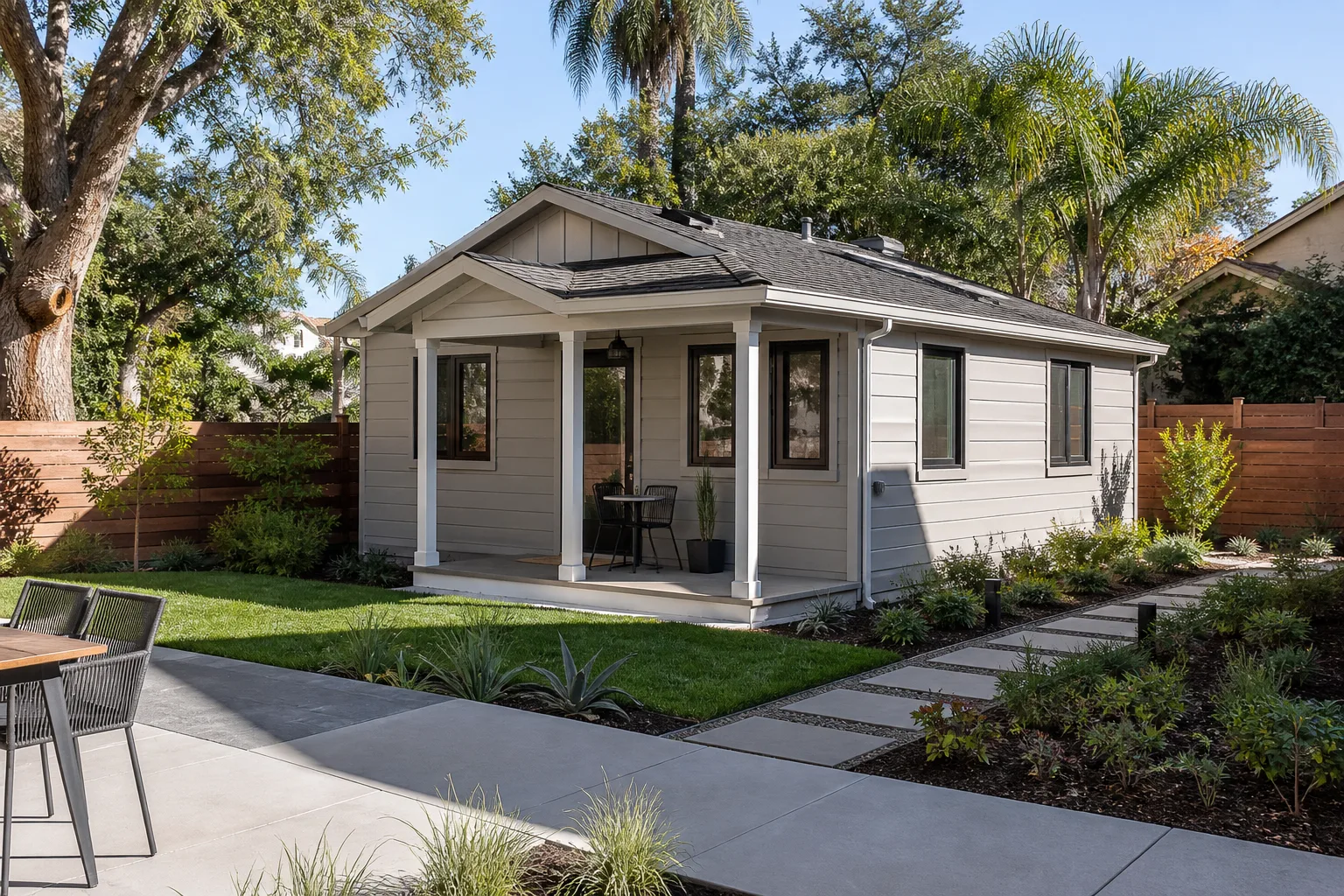
In Woodland Hills, the installed price range is wide because “replace the Quikrete part” can mean a 10-foot footer repair at $45,000 or a full ADU rebuild at $130,000. What drives the difference: access to the slab once walls are up, the amount of demolition required, soil conditions under the existing pour, and whether the city requires engineering on the repair. Anything touching a load-bearing wall in Los Angeles County needs a permit, and we pull it.
Here’s a line-item look at what a typical Quikrete-related repair on a Woodland Hills addition or ADU includes:
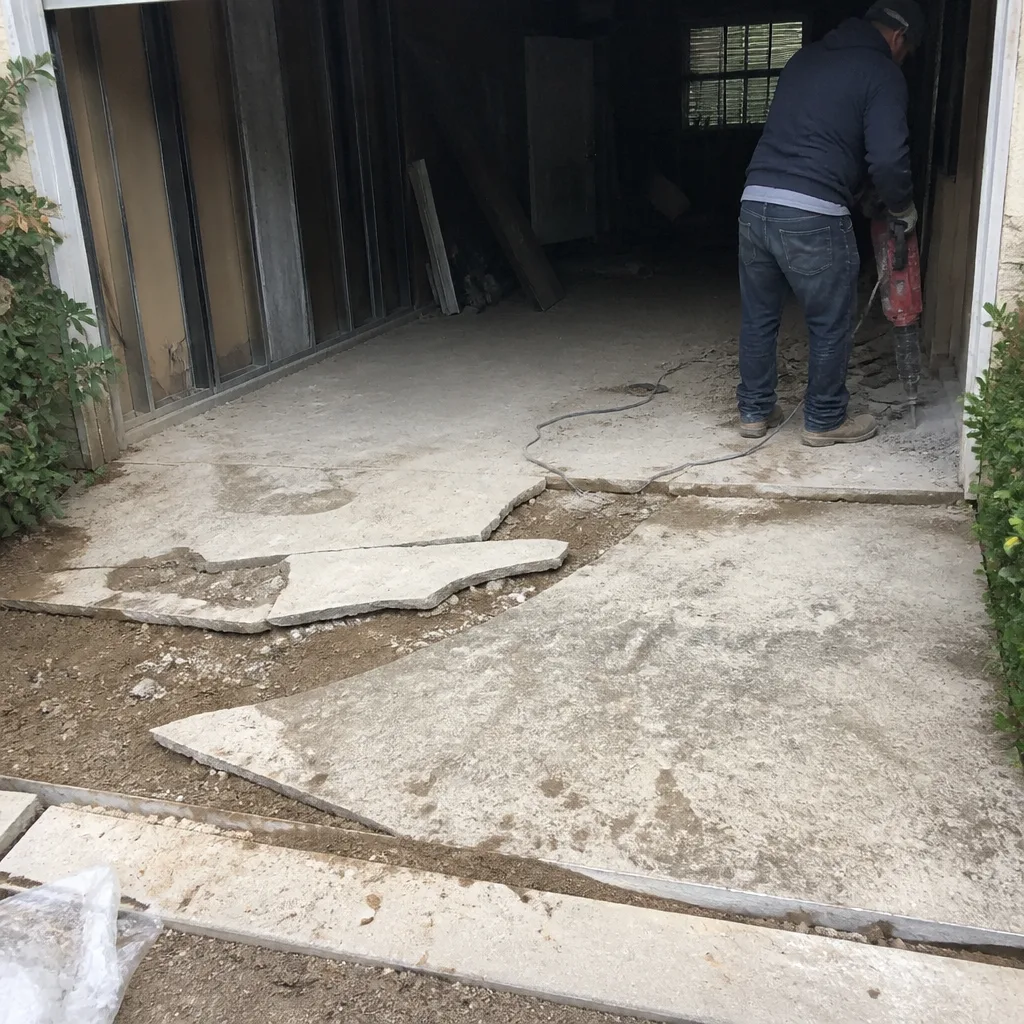
- Concrete demo and removal: $2,000 – $8,000 depending on slab thickness and access
- New Quikrete 5000 PSI concrete and rebar: $3,000 – $12,000 for footings, stem walls, or partial slabs
- Drainage correction around the addition: $1,500 – $6,000 when water is the root cause
- Permits and city inspections: $800 – $3,500 depending on scope
- Finish work to restore walls, flooring, and trim: $5,000 – $25,000
Every project gets a written price before work starts, and the 365-Day Done Right Promise covers the workmanship for a full year from completion. If it’s not right, we come back at no charge.
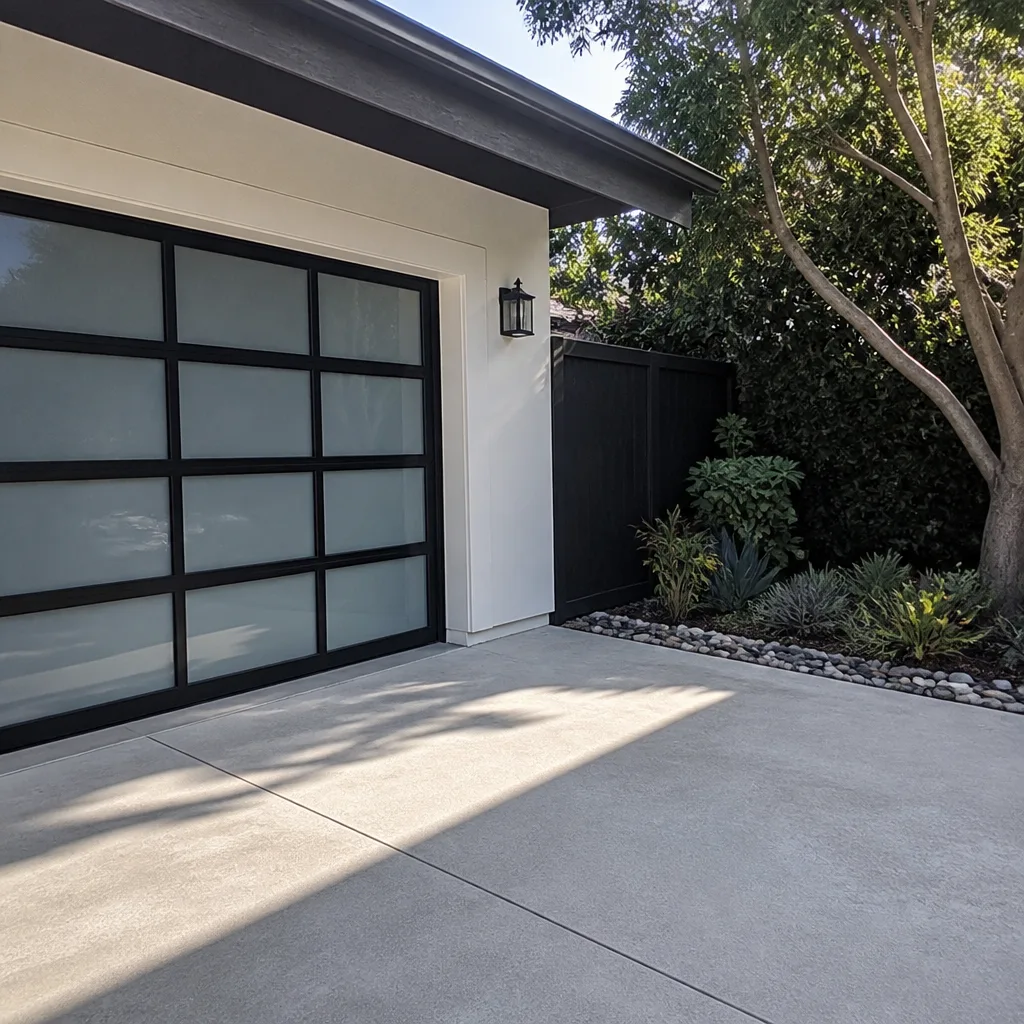
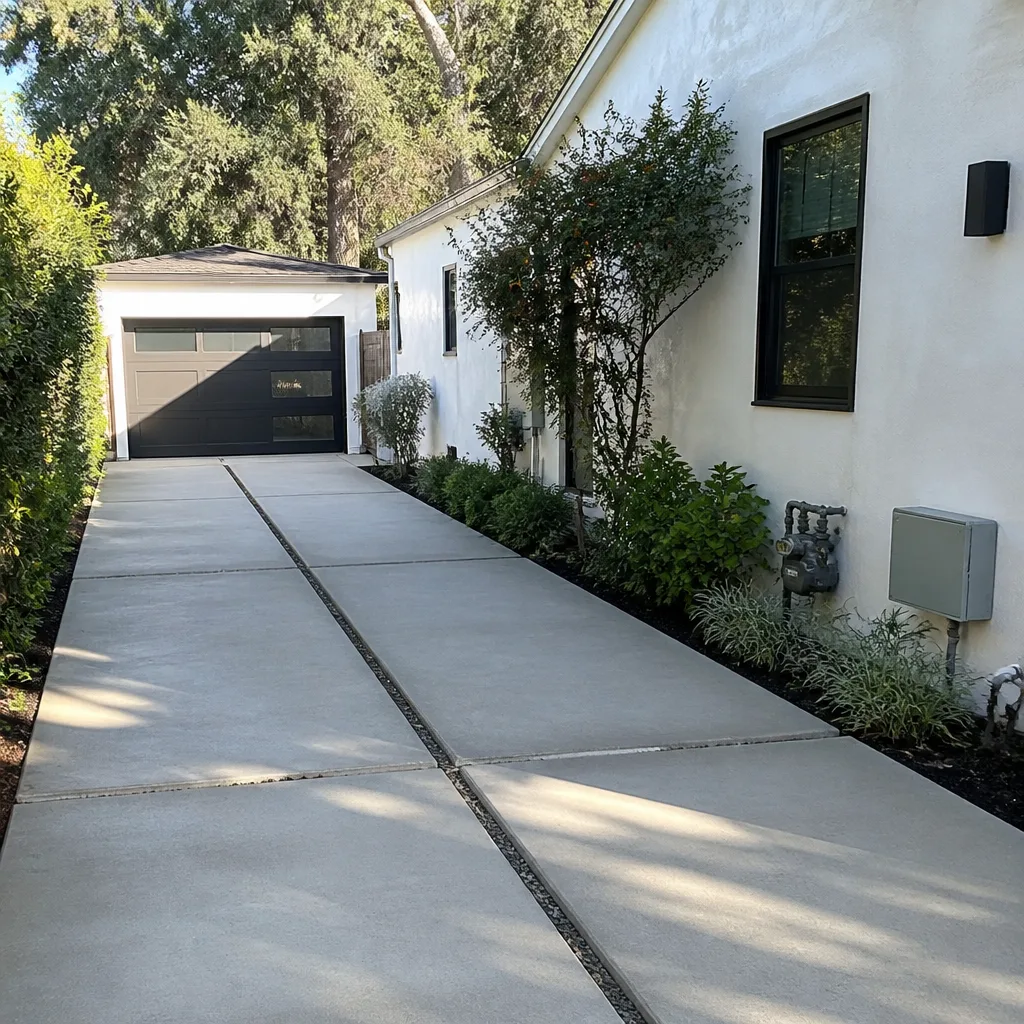
See the difference
 Before
 After
After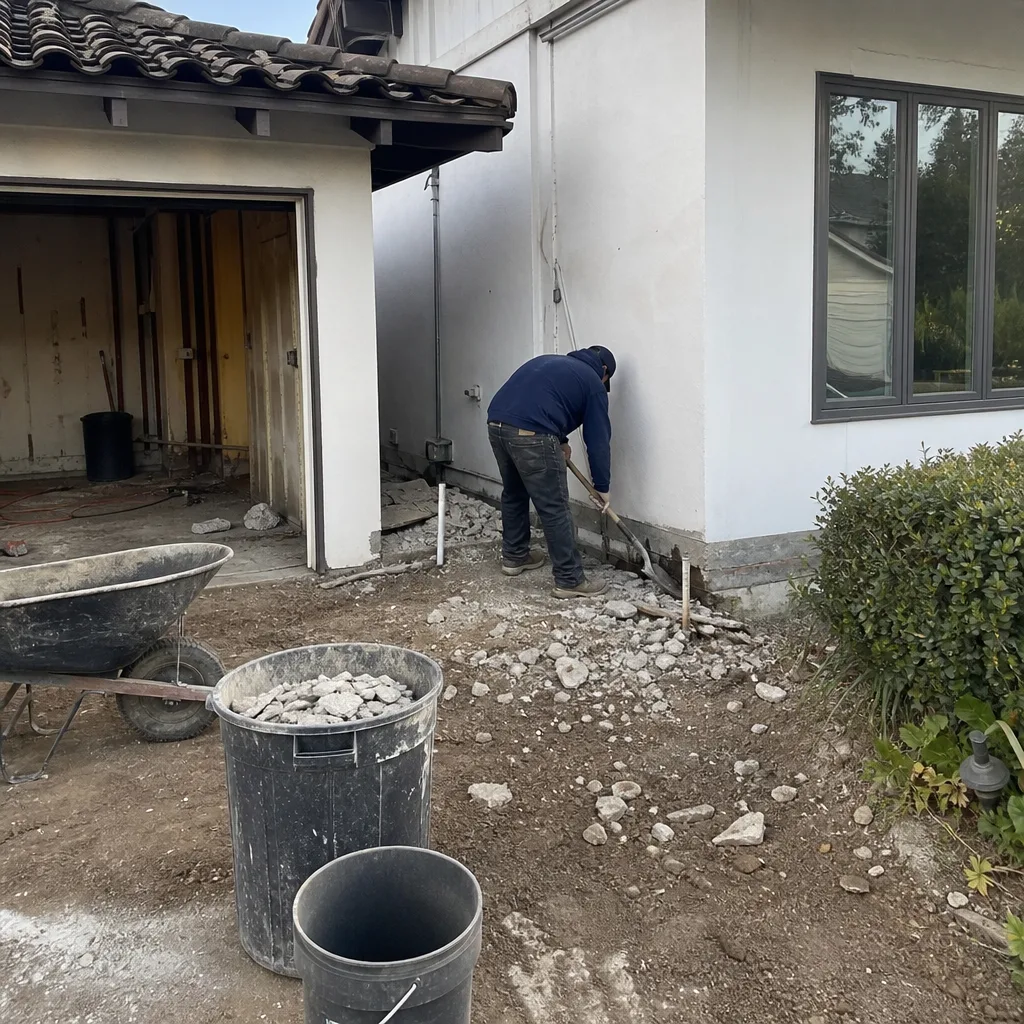 Before
 After
After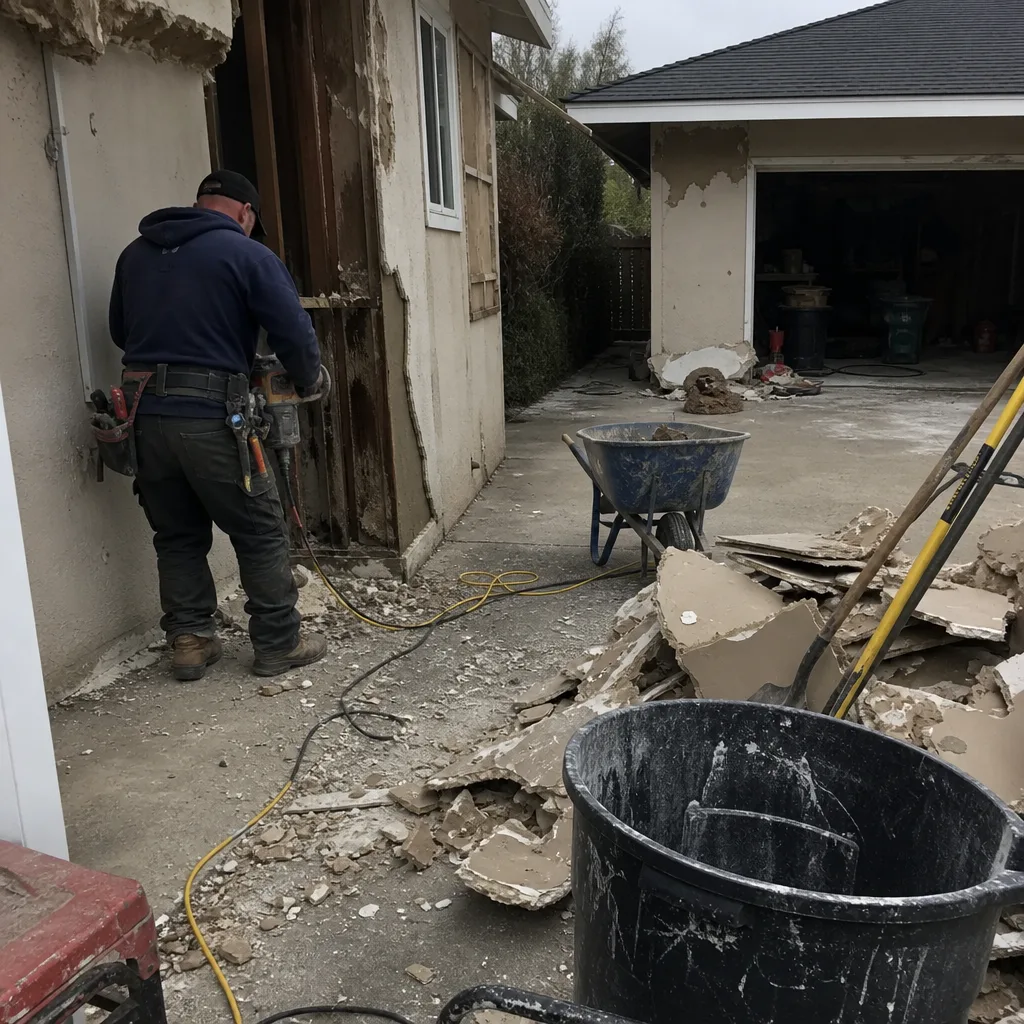 Before
 After
AfterDIY or Call Us?
What you can safely check: mark the ends of any crack with a pencil line and revisit it in a month. If the crack hasn’t grown, you likely have a cosmetic issue and can patch it with a Quikrete concrete repair product. You can also check that downspouts and irrigation aren’t dumping water against the addition, which is the cheapest fix in this business.
Where DIY goes wrong: anything structural. Cutting out a section of slab to repour footings, digging under an existing foundation to add support, or trying to level a settled ADU floor with self-leveling compound without fixing the void underneath are all jobs that end with a bigger bill than if you’d called first. Concrete work near load-bearing walls can shift framing unpredictably. That’s when an experienced crew is the cheaper option, even if it doesn’t feel like it standing in the plumbing aisle. Call (831) 290-6866 and Isaac will tell you straight whether it’s a $30 bag of patch or a $30,000 footer repair.
Key Takeaways
- A Quikrete-based home addition or ADU project in Woodland Hills runs $45,000 – $130,000 installed.
- Smaller structural repairs (footers, stem walls, partial slabs) sit at the lower end; full rebuilds at the top.
- Any mix rated 4000 PSI or higher works for load-bearing concrete work. Mortar mix does not.
- Cracks wider than a nickel, soft floors, and water seeping through the slab are the three signs to take seriously.
- We pull permits, put the price in writing before work starts, and back it with the 365-Day Done Right Promise.
FAQs
A properly poured slab on compacted soil lasts 50-plus years in this climate, but poor drainage and expansive clay can cut that to 20 or 30. Woodland Hills heat doesn’t degrade concrete the way freeze-thaw cycles do elsewhere; water movement under the slab is the real killer. If your addition is cracking early, call (831) 290-6866 and we’ll figure out whether it’s the concrete or what’s under it.
Hairline cracks can be patched with Quikrete repair products, but structural cracks wider than a quarter usually mean the support underneath failed and patching will just crack again. We evaluate whether the issue is cosmetic, drainage-related, or load-related before recommending a repair path. Estimates are free, and we’ll tell you if a $50 patch kit solves it.
Most partial slab or footing repairs take 3 to 7 working days including demolition, pour, cure time, and finish work. Full addition rebuilds run 3 to 6 months depending on size and scope. We’ll put the timeline in writing along with the price before any work begins.
We keep 5000 PSI concrete mix, crack-resistant mix, repair mortar, and bonding adhesive on hand for common repair jobs. If your repair needs something unusual, we source it from local Woodland Hills suppliers within a day or two. Call (831) 290-6866 to confirm what’s on the truck this week.
Tell me what you need done. I’ll tell you what it takes and what it costs. Then we get to work.
Written by Isaac Pruett, Owner, Mason Remodeling Co – Woodland Hills, CA at Mason Remodeling Co Woodland Hills, serving Woodland Hills and nearby areas.