Free written scope consultation - allowances, timeline, and change-order rules on paper before a single trade is scheduled
Unilock Kitchen Remodeling: The Woodland Hills Owner’s Guide
A full Unilock kitchen remodel in Woodland Hills typically runs between $14,000 and $45,000 installed, depending on the size of the kitchen, the Unilock product line you’re working with, and how much structural work sits behind the walls. We stock Unilock-compatible materials and install them with a written price before any work starts. Most owners discover they need this page when a Unilock surface, edge, or underlayment has failed in a way that a simple patch won’t fix – a paver-style floor has shifted, a counter edge has chipped past the point of repair, or the substrate underneath has given way after years of heat and dry air. We’ll walk you through what you’re actually looking at.
Here’s the short version: if your Unilock product is still structurally sound, you may be looking at a targeted repair rather than a full remodel. If it isn’t, you need honest numbers and a crew you can recognize at the door. That’s what this page is for.
Which Unilock Models This Applies To
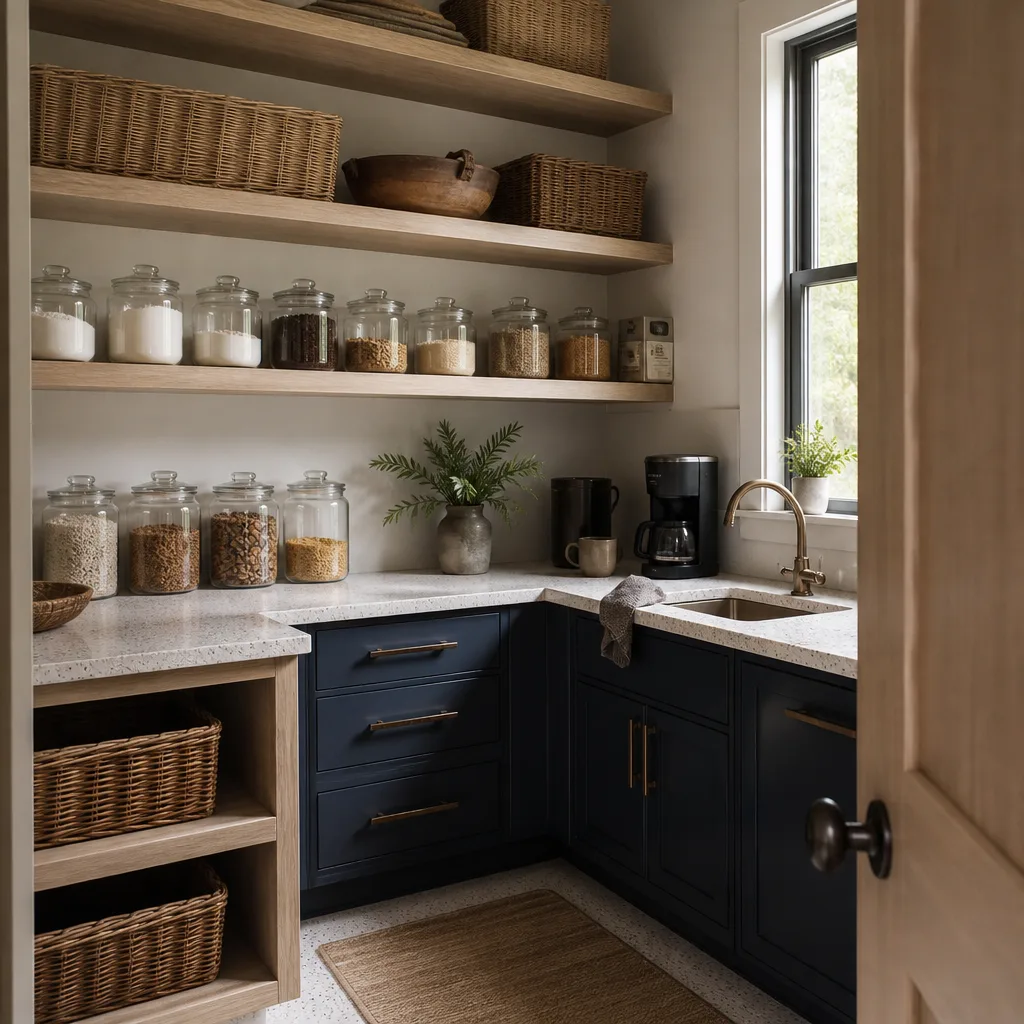
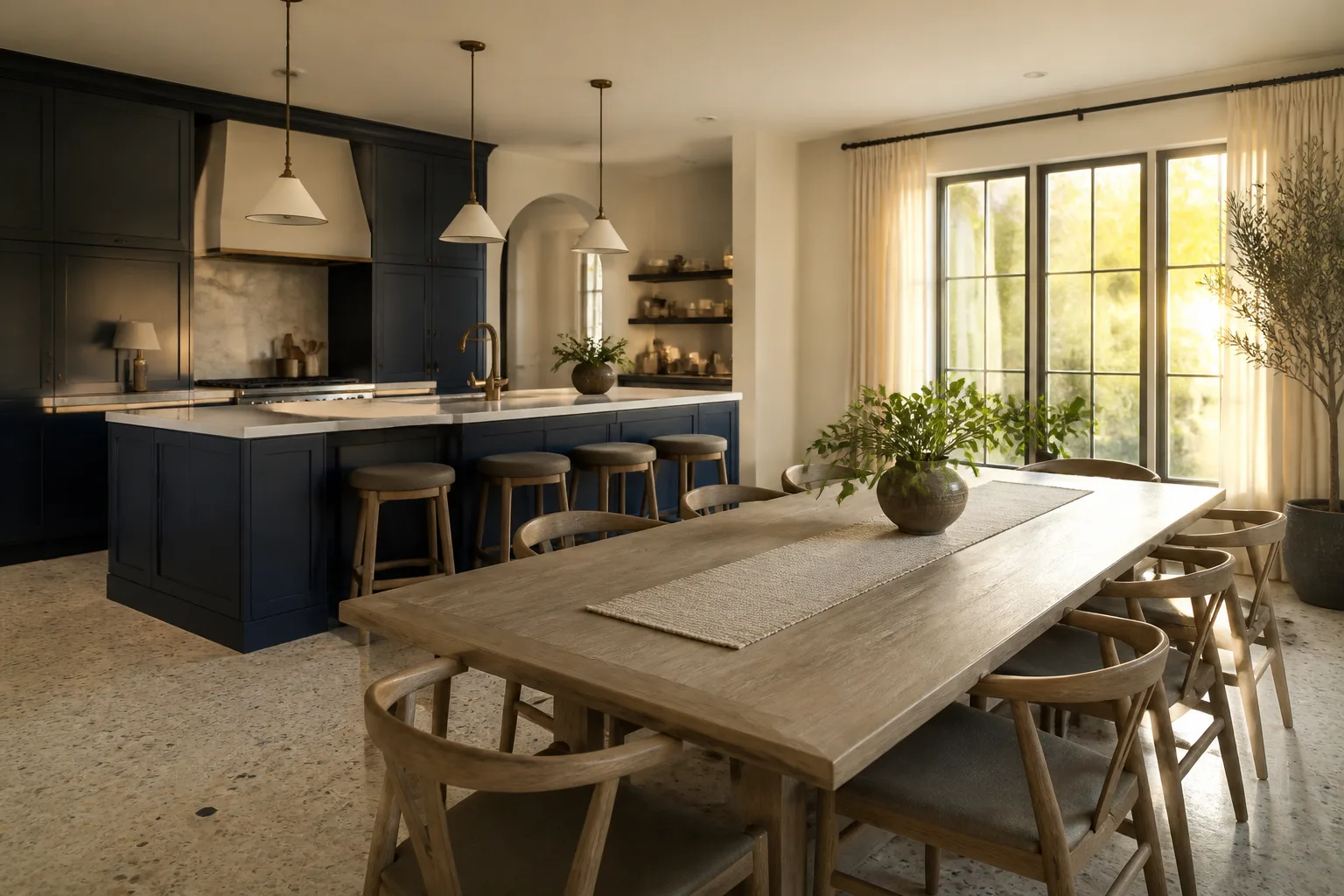
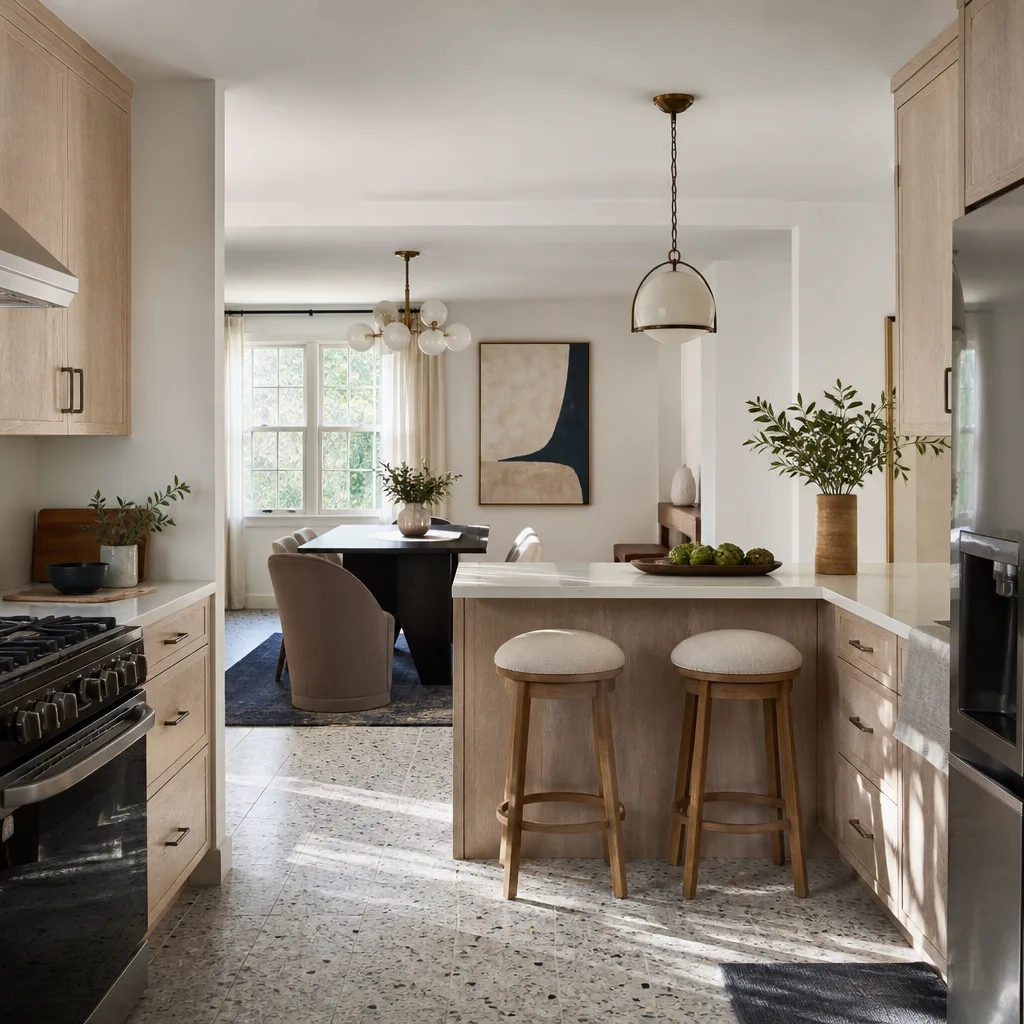
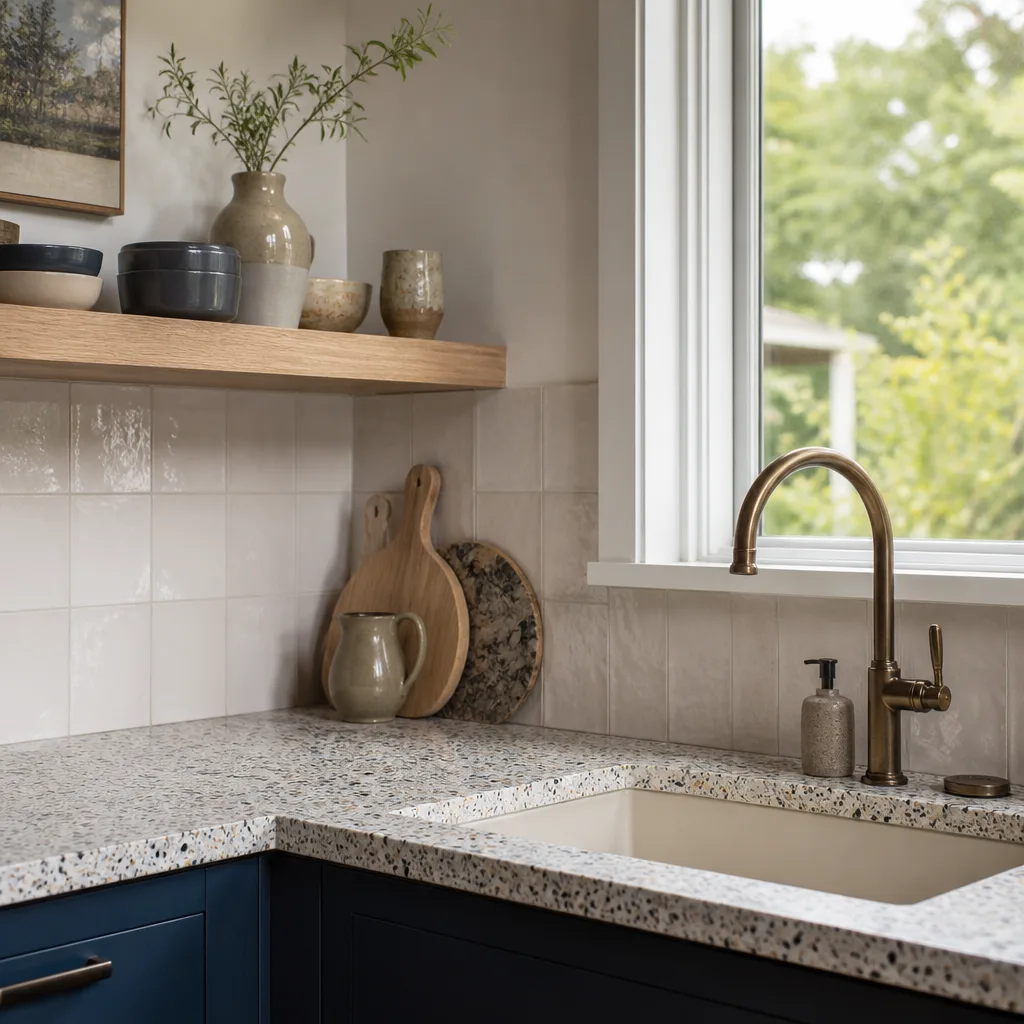
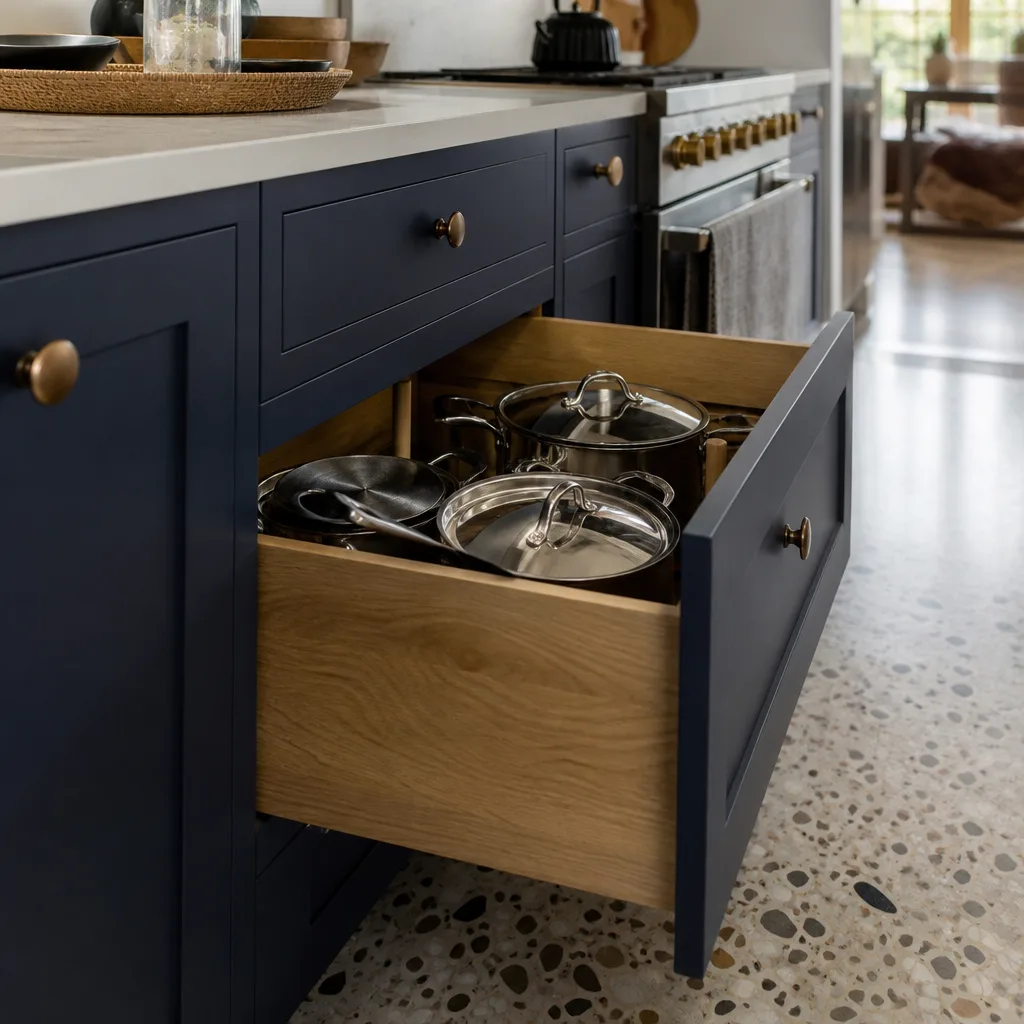
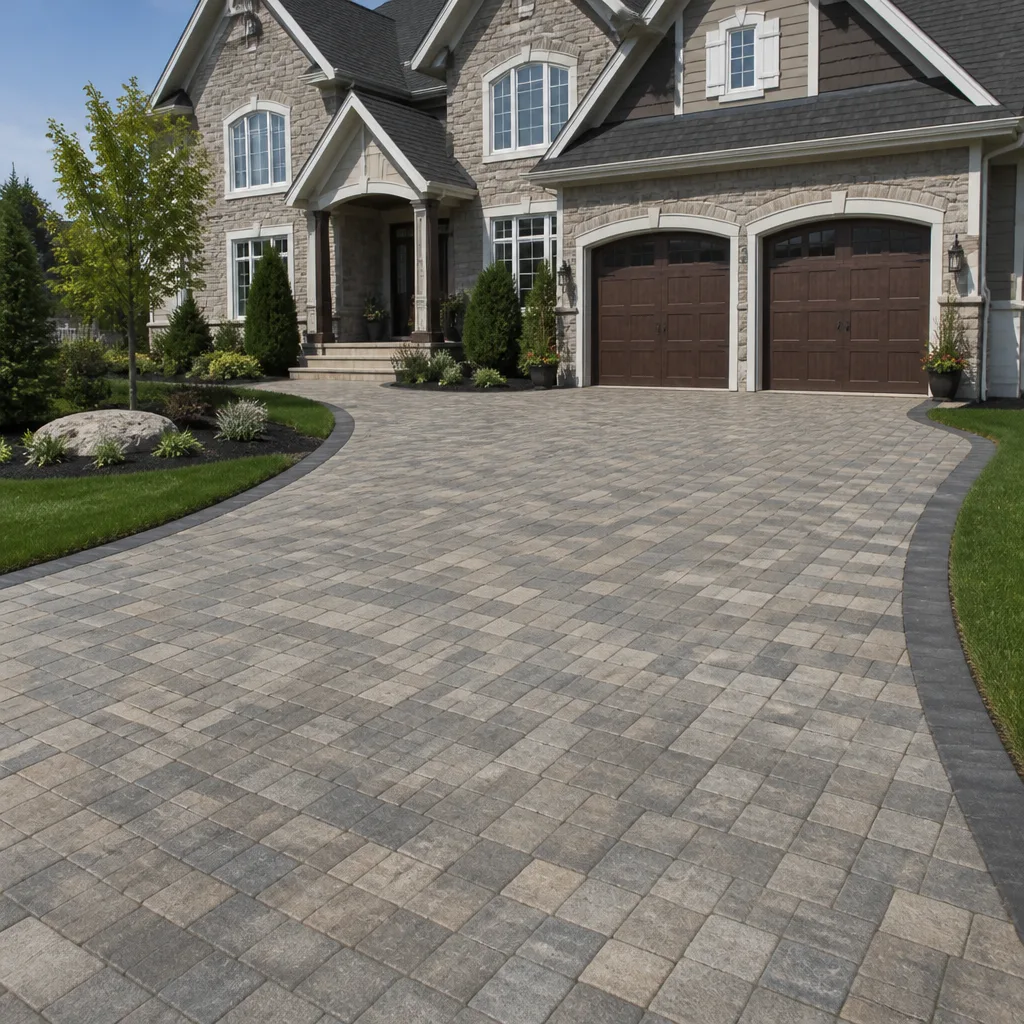
Unilock is best known for hardscaping – pavers, retaining walls, outdoor living surfaces – but homeowners in Woodland Hills increasingly use Unilock products indoors, particularly in kitchens with indoor-outdoor flow. The most common applications we see are Unilock paver floors in kitchens that open to a patio, Unilock stone veneer on kitchen islands or accent walls, and Unilock coping used as a countertop edge detail.
The compatibility gotcha most owners run into is this: Unilock’s indoor-rated products are not the same thickness as their outdoor pavers. Outdoor pavers typically run 60mm to 80mm thick. Indoor-rated Unilock veneers and floor tiles run 12mm to 30mm. If someone installed outdoor-grade Unilock pavers indoors, the added height creates threshold problems and uneven floor transitions – and that’s a failure you’ll feel every time you walk into the kitchen. Before ordering any replacement part, check the back of a loose piece or the original invoice for the series name (Mattoni, Richcliff, Thornbury, Courtstone, or similar). If you can’t find it, measure the thickness in millimeters and photograph the face pattern – we’ll match it from there.
On the OEM versus aftermarket question for Unilock specifically: Unilock’s proprietary color blends and edge profiles are hard to replicate exactly, so for visible surfaces we recommend original Unilock material whenever it’s still in production. For hidden components – setting beds, underlayment, edge restraints, drainage layers – quality aftermarket equivalents perform as well and often cost 30 to 40 percent less. We’ll tell you which is which on a case-by-case basis, and we’ll put it in writing before you spend a dollar.
Styles & brands we work with
Signs Your Unilock Kitchen Remodeling Is Failing
- Visible lippage between tiles or pavers. One edge sits higher than its neighbor by more than 1/16 inch. This usually means the setting bed underneath has eroded or compacted unevenly – common in Woodland Hills homes where decades of dry-summer soil movement shifts the subfloor. The surface didn’t fail; the base did.
- Hairline cracks running across multiple pieces in a line. A single cracked tile is a fluke. A crack line that tracks across three or more pieces means the substrate is flexing. In kitchens, we often trace this to a joist that’s been notched for plumbing, or a slab seam that’s opening up. Replacing the surface without fixing the flex guarantees the same crack returns within a year.
- Hollow sound when you tap the surface. A solid thud is good. A hollow knock means the piece has debonded from its setting bed. In Woodland Hills, this can happen when indoor heat and air conditioning cycles cause the adhesive to dry out faster than it should have during installation. Once debonded, the piece will eventually crack under foot traffic.
- Edge chipping or spalling on countertop edges or island corners. Unilock’s concrete-based products are dense, but a sharp impact – a cast iron pan, a dropped pot – can take a chunk out of an unsealed edge. If the chip exposes aggregate and the edge keeps crumbling with light pressure, the piece is compromised, not just cosmetically damaged.
- Staining that won’t come out even after cleaning and resealing. Unilock products are porous unless sealed correctly. If oil, wine, or coffee has penetrated deep into the surface, no amount of scrubbing pulls it out. This is a sealing failure, and the fix is either a professional grind-and-reseal or a full piece replacement depending on how deep the stain runs.
See the difference
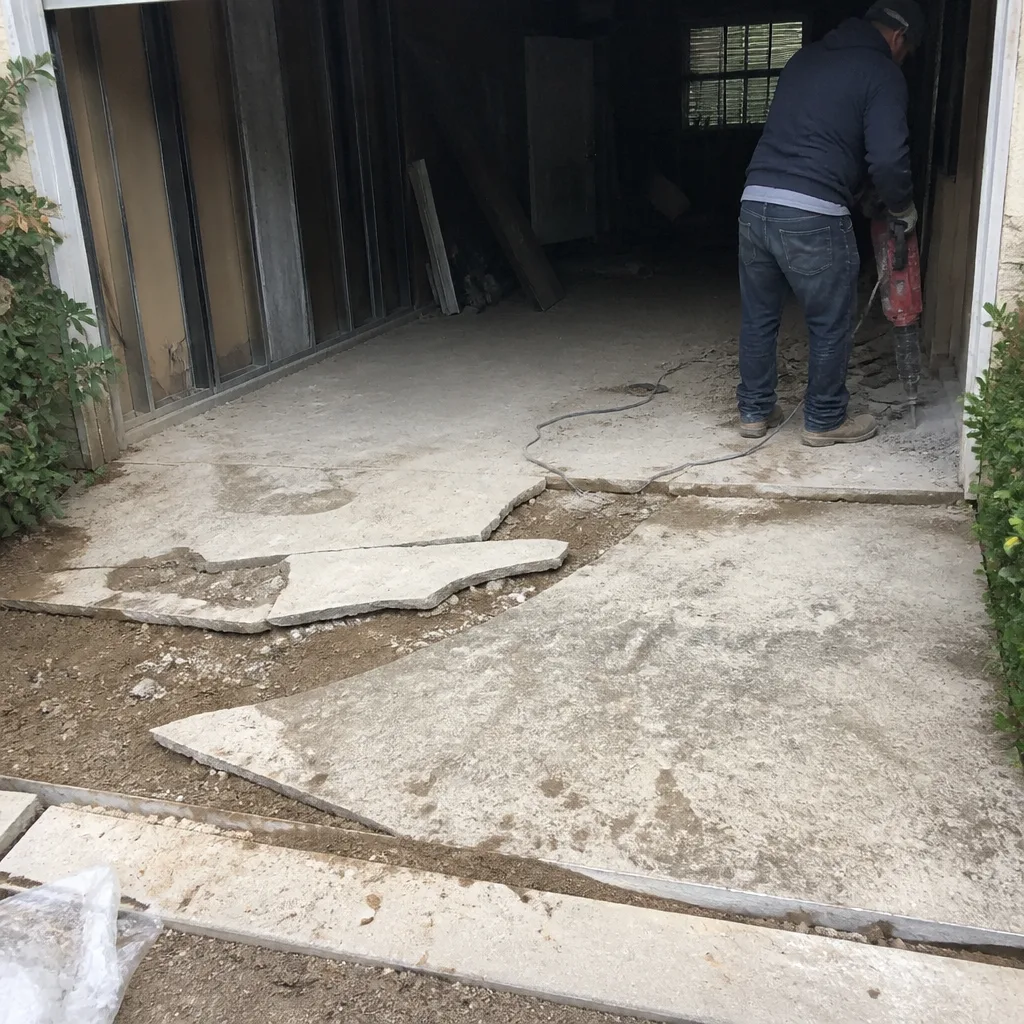 Before
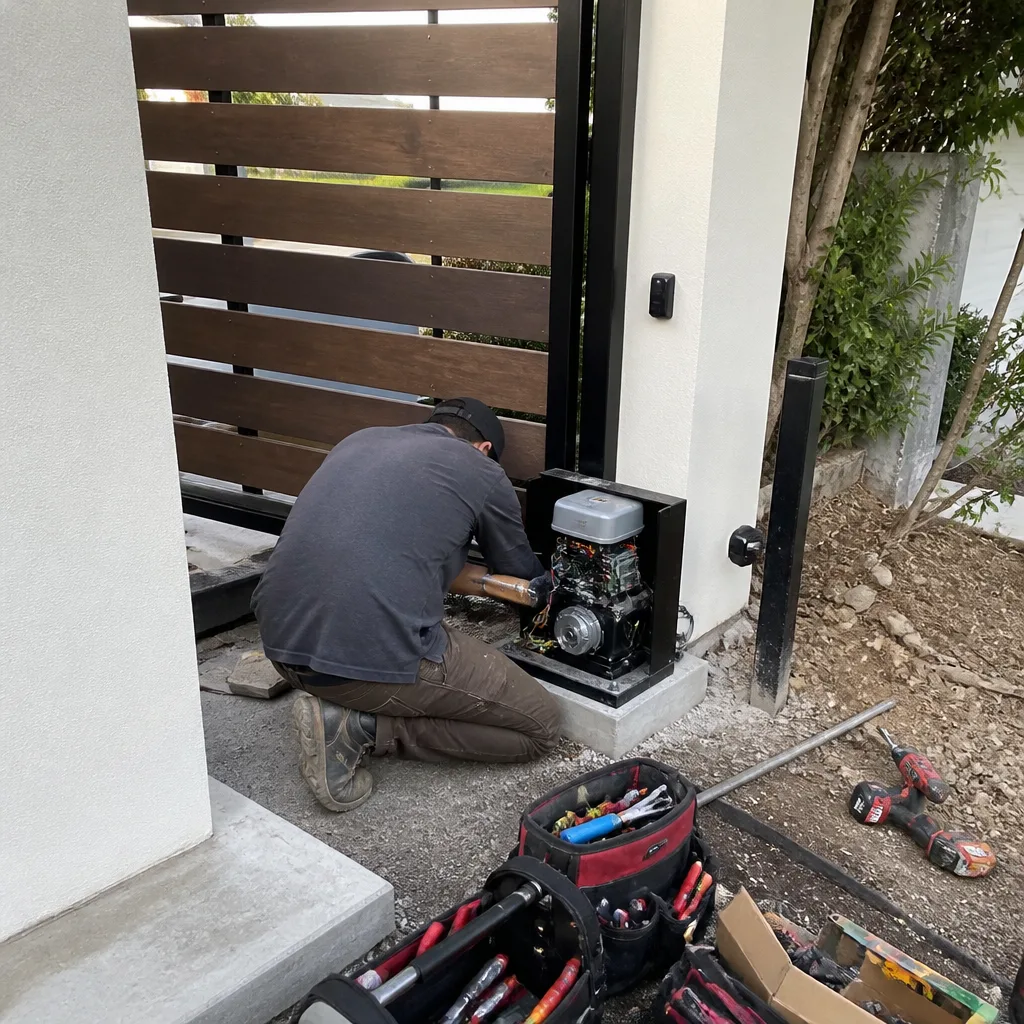 After
After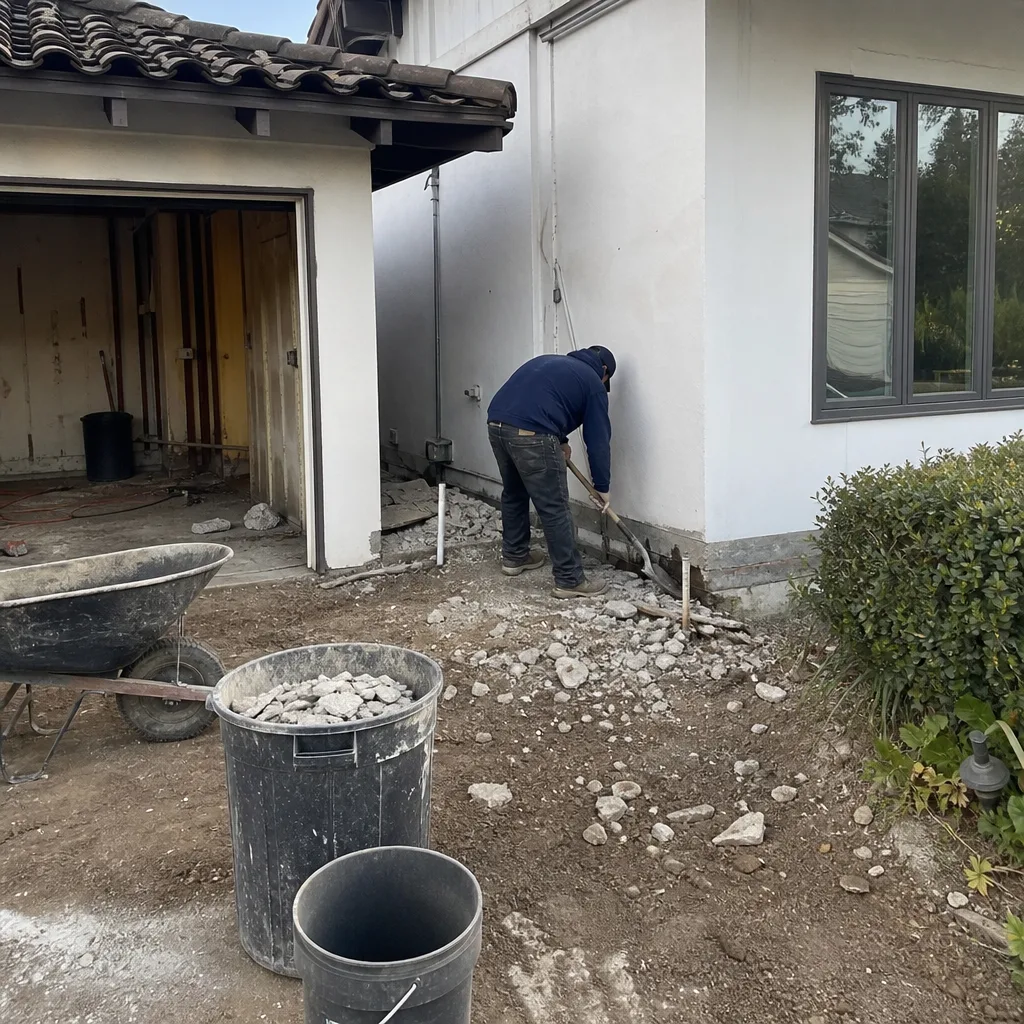 Before
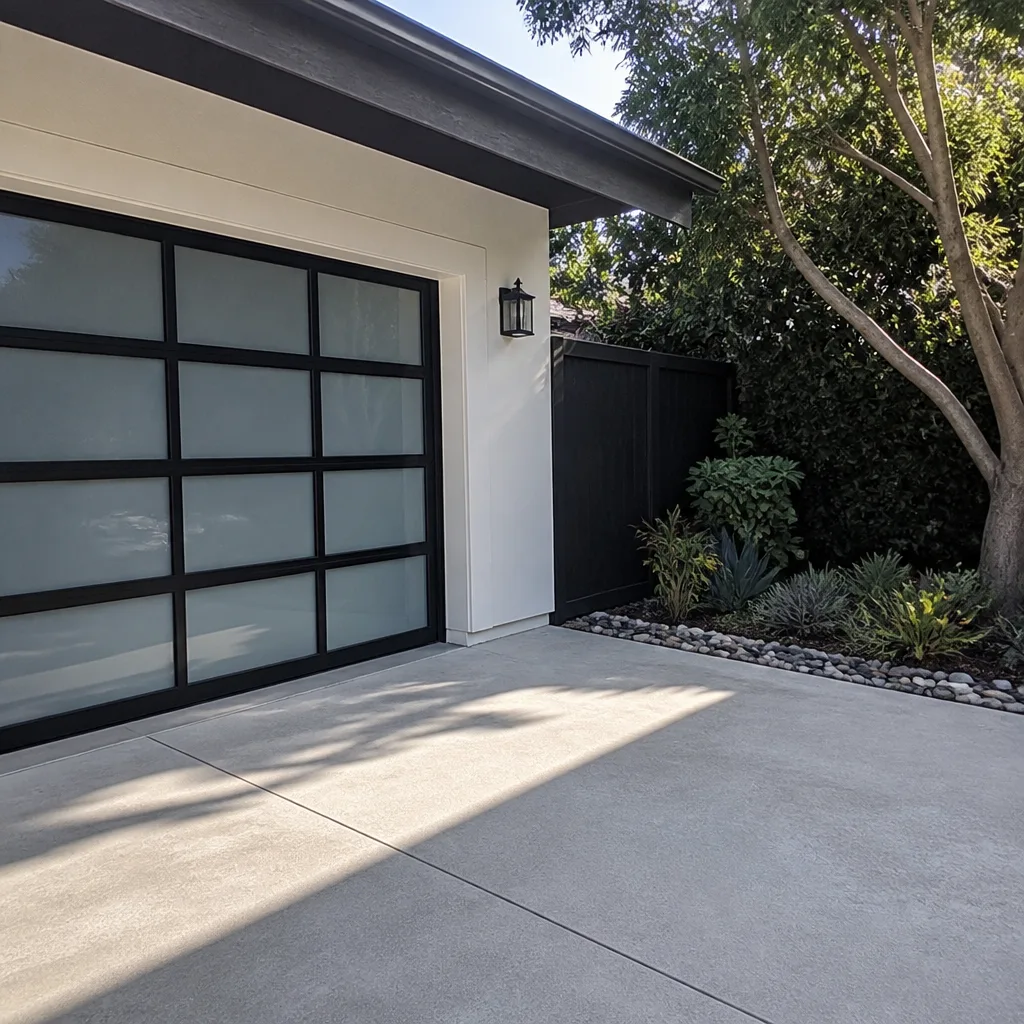 After
After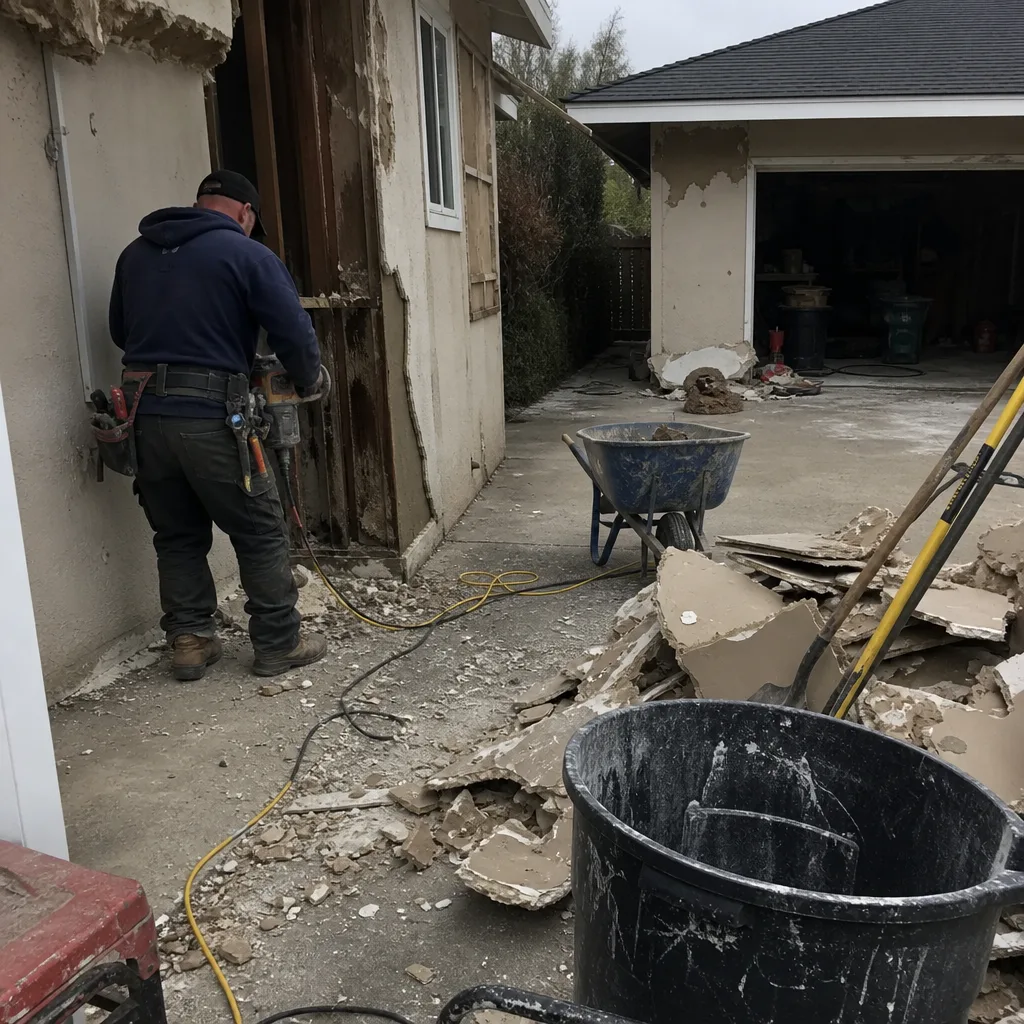 Before
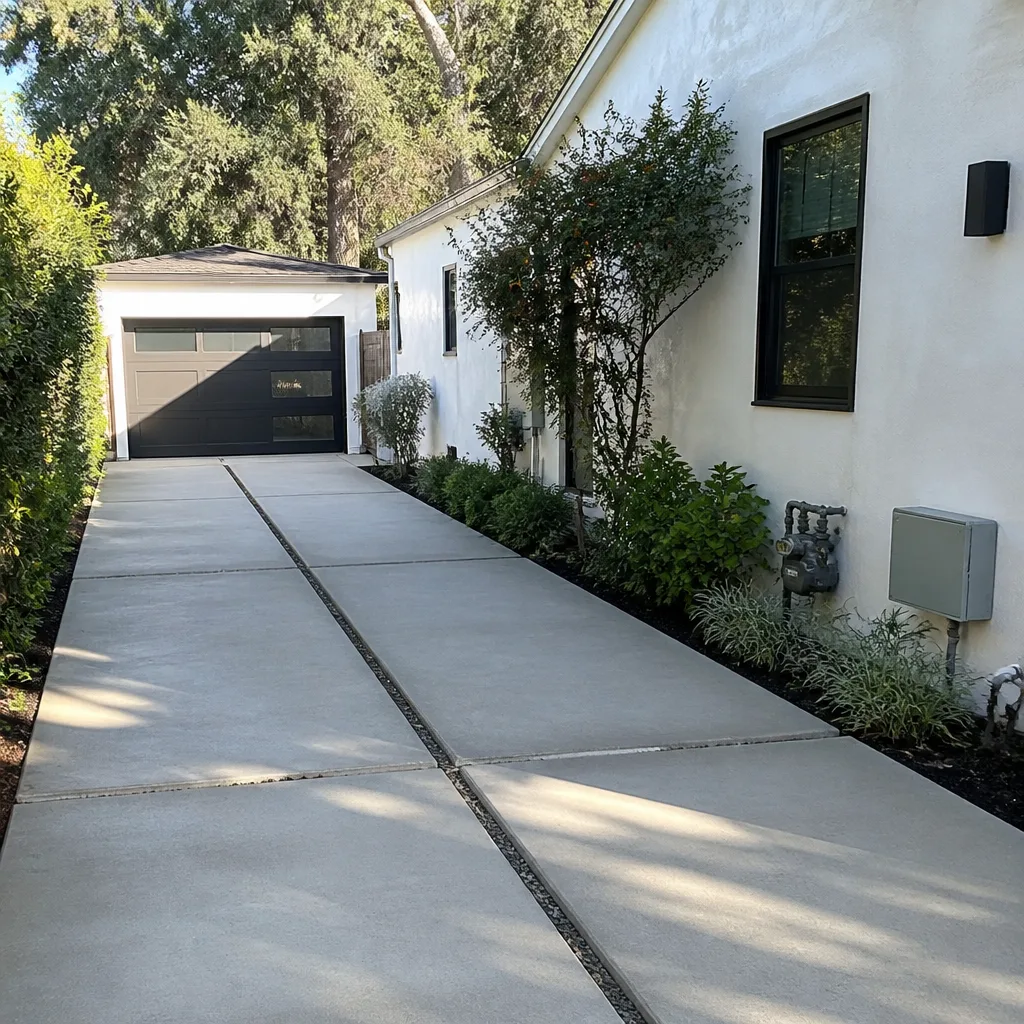 After
AfterReplacement Cost & What’s Included
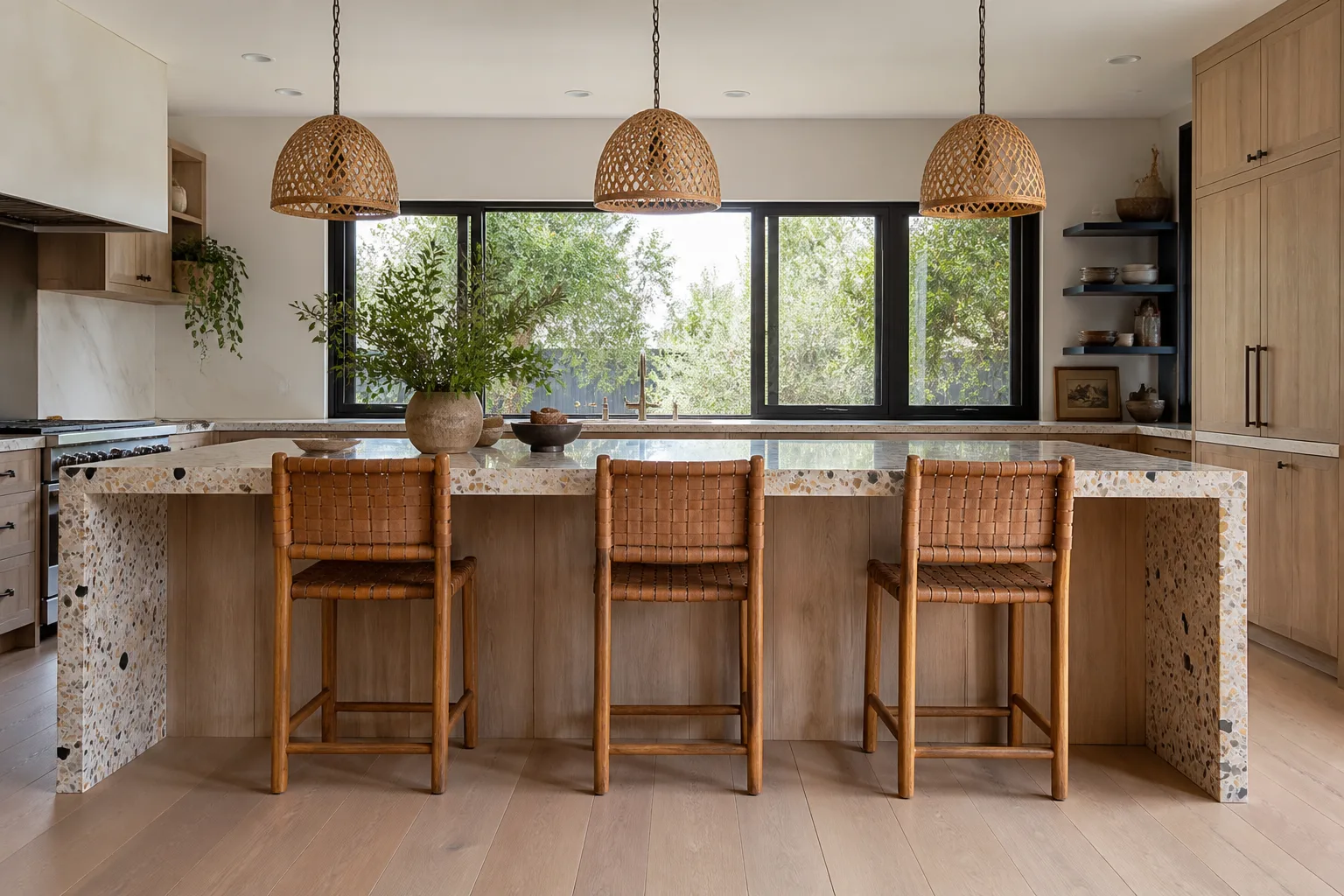
In Woodland Hills, here’s what we see in the field:
- Full kitchen remodel with Unilock flooring, veneer, or coping: $14,000 – $45,000
- Small kitchen remodel with Unilock surfaces: $9,000 – $20,000
- Countertop installation (Unilock-compatible or stone): $2,000 – $6,500
- Backsplash installation: $800 – $2,500
- Kitchen island installation or refacing: $3,000 – $10,000
The spread comes down to three things: how much of the existing surface has to come out, what’s underneath it once we open things up, and whether the Unilock pieces you need are current production or discontinued. Discontinued series can sometimes be sourced through our material partners, but the price per piece goes up.
Every quote includes the parts, the labor to remove and dispose of the old material, the setting bed or substrate repair, the new Unilock installation, and cleanup. You’ll get a written price before any work starts – not a verbal range that grows on the final bill. The work is covered by our 365-Day Done Right Promise: if something isn’t right within one year of the completion date, we make it right at no cost to you. The terms are stated plainly in the written guarantee you get with the quote.
DIY or Call Us?
There are a couple of things you can safely check yourself. Look at the thickness of any loose piece to determine whether it’s indoor-rated or outdoor-grade. Check whether cracks run in a line across multiple pieces or stop at one. And check whether the surface sounds hollow when tapped. Those three observations will tell you a lot before you call anyone.
What you shouldn’t do is pull up a section of Unilock flooring yourself to “see what’s underneath.” If the substrate is failing, you’ll expose a larger area than you expected, and you may disturb material that contains silica dust – which you don’t want to breathe or track through the house. Cutting Unilock products also requires a wet saw with a diamond blade; dry-cutting releases the same dust and produces rough edges that won’t seat correctly. This is one of those jobs where the savings from doing it yourself evaporate the first time a piece doesn’t fit and you’re stuck with a gap in the floor.
As Isaac Pruett puts it: tell me what you need done. I’ll tell you what it takes and what it costs. Then we get to work. Call (831) 290-6866 and we’ll walk through what you’re seeing.
FAQs
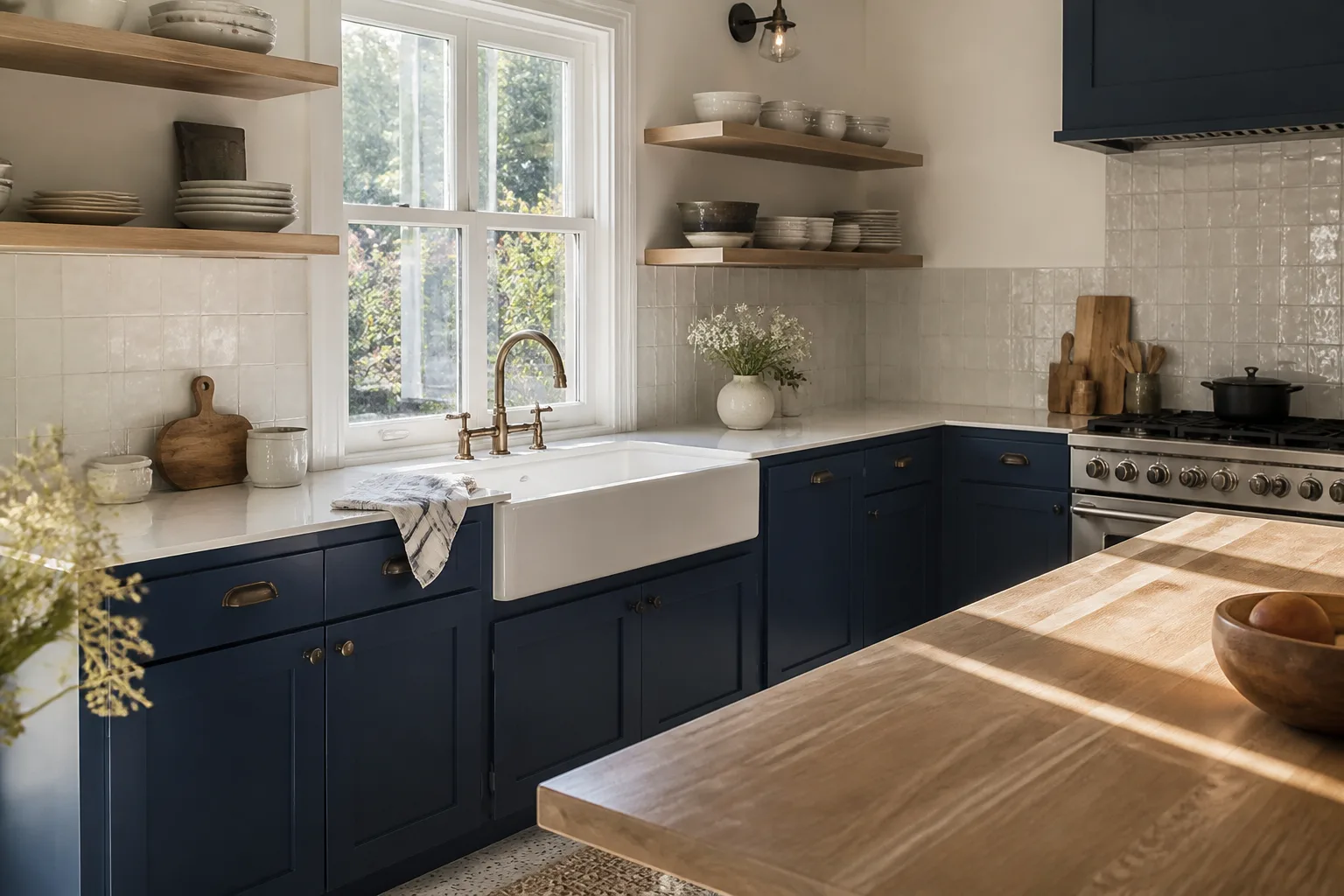
Unilock products generally last 20 to 40 years indoors, but the setting bed underneath rarely lasts that long in Woodland Hills – expect 15 to 25 years before some areas need re-leveling, especially if the home sits on expansive soil. If your surface is failing early, the base is usually the culprit, not the Unilock material itself.
Yes, if the damage is limited to a few pieces and the substrate is still sound. Individual pavers or tiles can be removed and reset, and edge chips can sometimes be filled by a stone restoration specialist. If the failure is widespread or the substrate is flexing, a repair won’t hold and you’re better off replacing the surface properly. Call (831) 290-6866 and we’ll tell you which situation you’re in – the assessment is free.
A targeted repair usually takes one to two days. A full kitchen remodel involving Unilock surfaces typically runs two to six weeks depending on the scope, the substrate work required, and whether we’re coordinating with cabinet or countertop installation. You’ll get a timeline in writing with your quote, and we’ll tell you up front if a surprise behind the wall changes it.
We source Unilock materials directly through our specification-grade partner network, and we maintain relationships with suppliers who can pull current-production series quickly. For discontinued series, we’ll track down remaining inventory before we quote you. Alongside Unilock, we also work with KraftMaid, Cambria, and Silestone for the other surfaces in your kitchen. You won’t have to chase down materials yourself – that’s part of the job.
Written by Isaac Pruett, Owner, Mason Remodeling Co – Woodland Hills, CA at Mason Remodeling Co Woodland Hills, serving Woodland Hills and nearby areas.