Free written scope consultation - allowances, timeline, and change-order rules on paper before a single trade is scheduled
Tamko Home Additions & ADU: The Woodland Hills Owner’s Guide
We install and service Tamko home additions and ADU structures throughout Woodland Hills, with full accessory dwelling unit construction typically running $90,000 – $220,000 and garage conversions landing between $30,000 – $80,000. Most owners don’t discover a problem until they see water staining at the roofline or feel a soft spot in a floor joist near the connection point, and by that point the issue has usually been developing for a season or two. If you’re reading this because something on your Tamko addition or ADU is failing, the short answer is: we can inspect it, identify exactly what’s wrong, and give you a written price before any work begins.
Which Tamko Models This Applies To
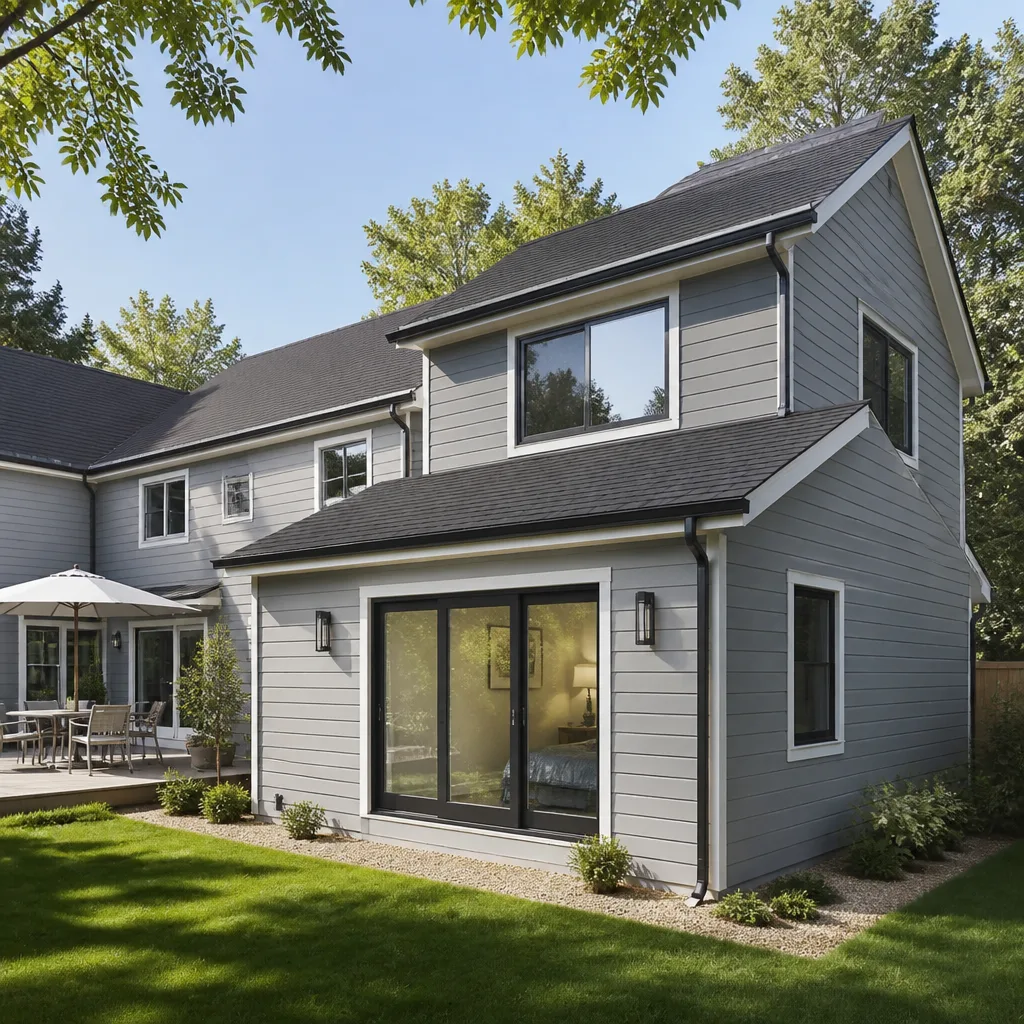
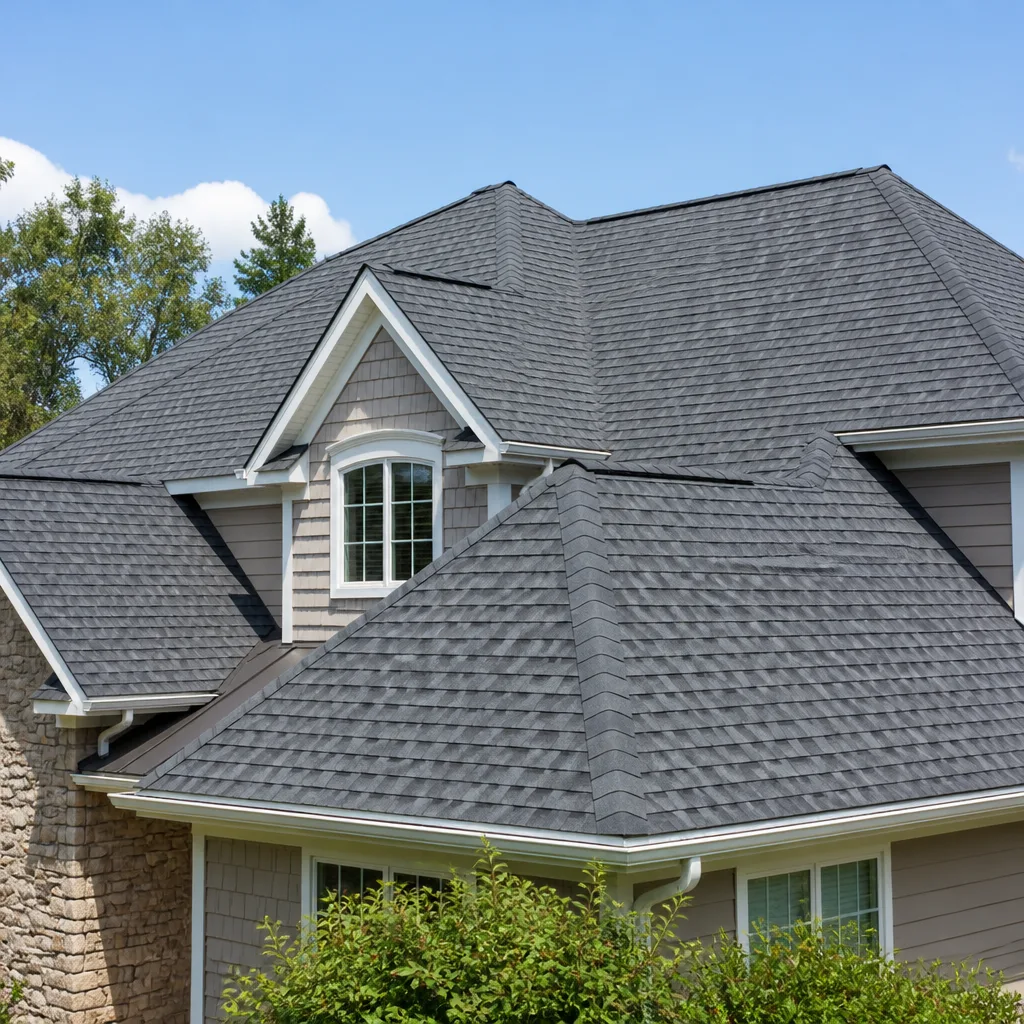
Tamko’s structural and roofing product lines show up on additions and ADUs in two ways: as the roof decking and underlayment system, or as the exterior envelope material where the new structure ties into the existing house. The part that fails first is almost always the transition point, not the Tamko material itself. We see this constantly on ADUs built in the 2015 – 2020 wave across the San Fernando Valley, when contractors rushed the flashing details where a new roof plane meets an older one.
Here’s the compatibility gotcha most owners miss: Tamko’s self-adhered underlayment products have specific temperature and substrate requirements that differ from their peel-and-stick competitors. If the original installer skipped the primer on a dusty OSB deck, the membrane can lift within three to five years. In Woodland Hills, with our extended dry season followed by sudden winter rain, that lifting becomes a water path almost immediately. We stock Tamko-compatible underlayment and flashing materials in the sizes and grades needed for residential additions, and we’ll match the original spec rather than forcing an aftermarket equivalent unless the original spec is genuinely obsolete for this climate.
Styles & brands we work with
Signs Your Tamko Home Additions & ADU Is Failing
- Water staining on the interior ceiling at the connection point. This is the classic tell. The Tamko membrane or flashing at the transition has lifted or separated, and water is following the seam back into the conditioned space.
- Peeling or bubbling along the exterior wall where the addition meets the original structure. Moisture is getting behind the envelope. The failure isn’t the siding itself; it’s the underlying weather barrier that was supposed to shed water but isn’t.
- Soft spots in the floor near exterior walls of the ADU. The rim joist or the subfloor at the perimeter is taking on water. This often traces back to an underlayment failure at the roof edge above, letting water run down the wall cavity instead of off the roof.
- A musty smell that shows up only after rain. Mold and mildew are already active somewhere in the assembly. By the time you can smell it, the moisture has been present long enough to matter.
- Visible gaps or cracks where the addition roof plane meets the main house. Differential settling and heat cycling open these seams over time. The gap itself is the symptom; the real question is whether the underlying Tamko membrane is still intact.
See the difference
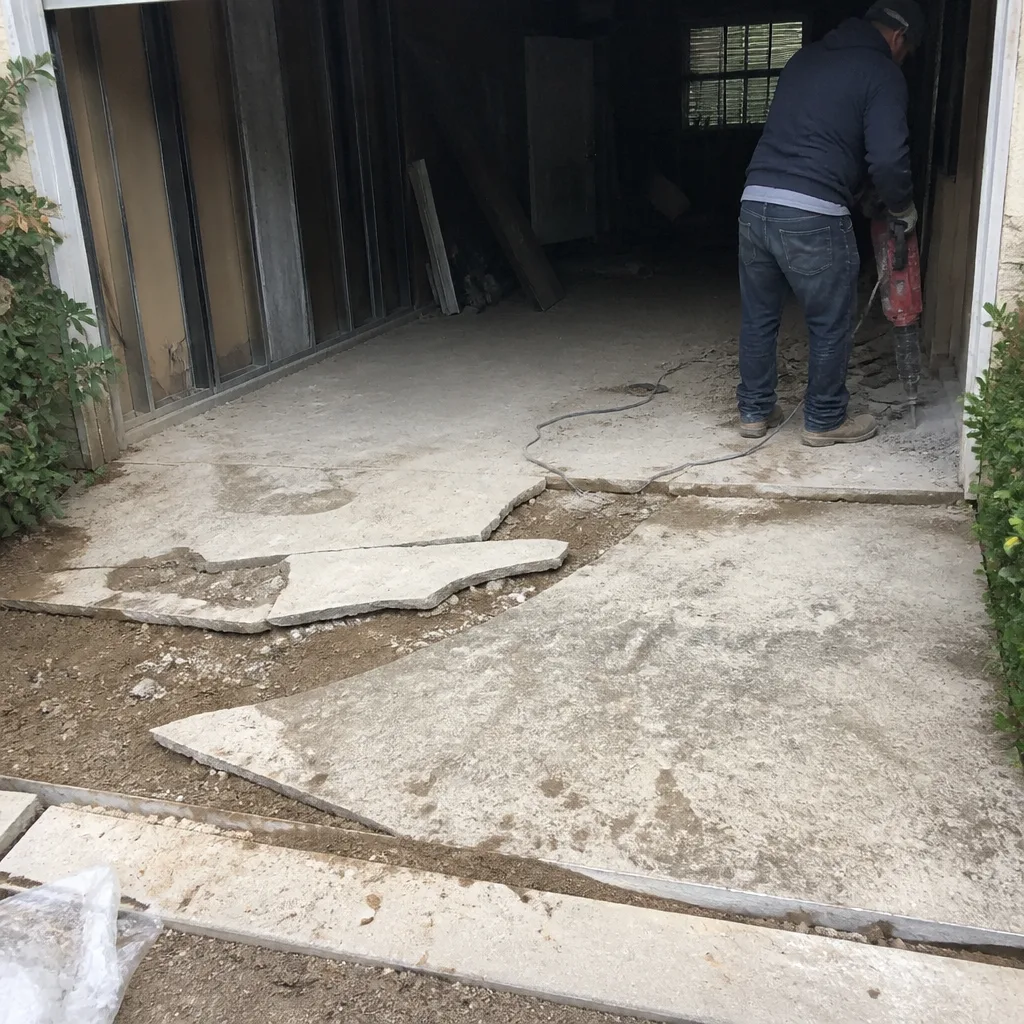 Before
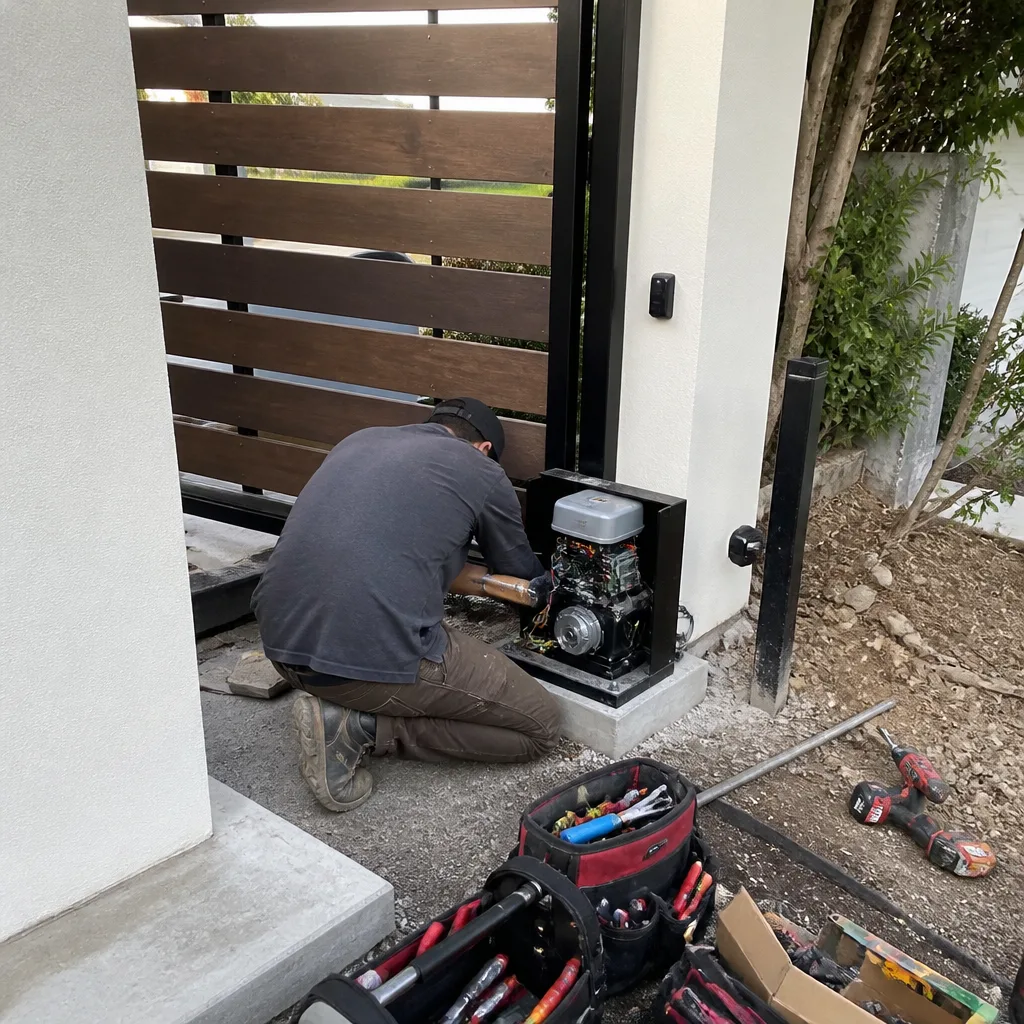 After
After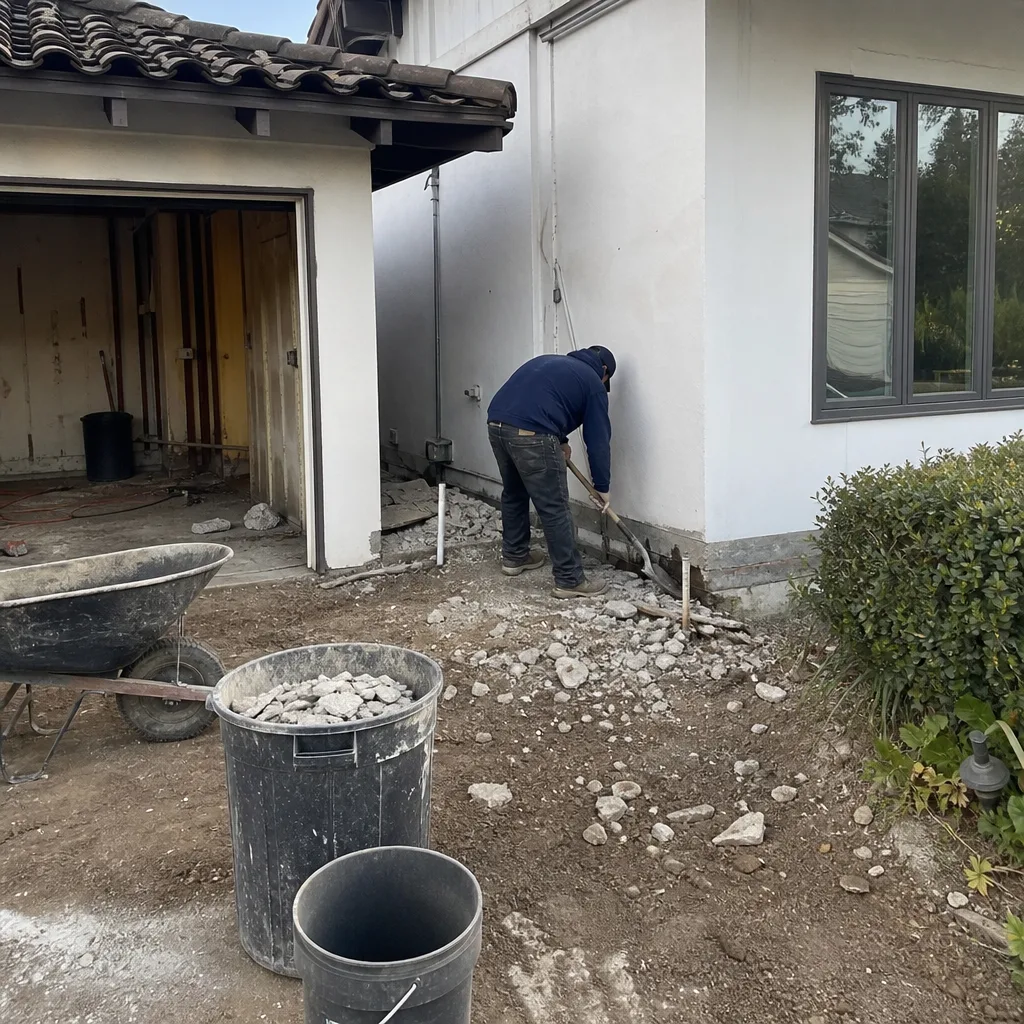 Before
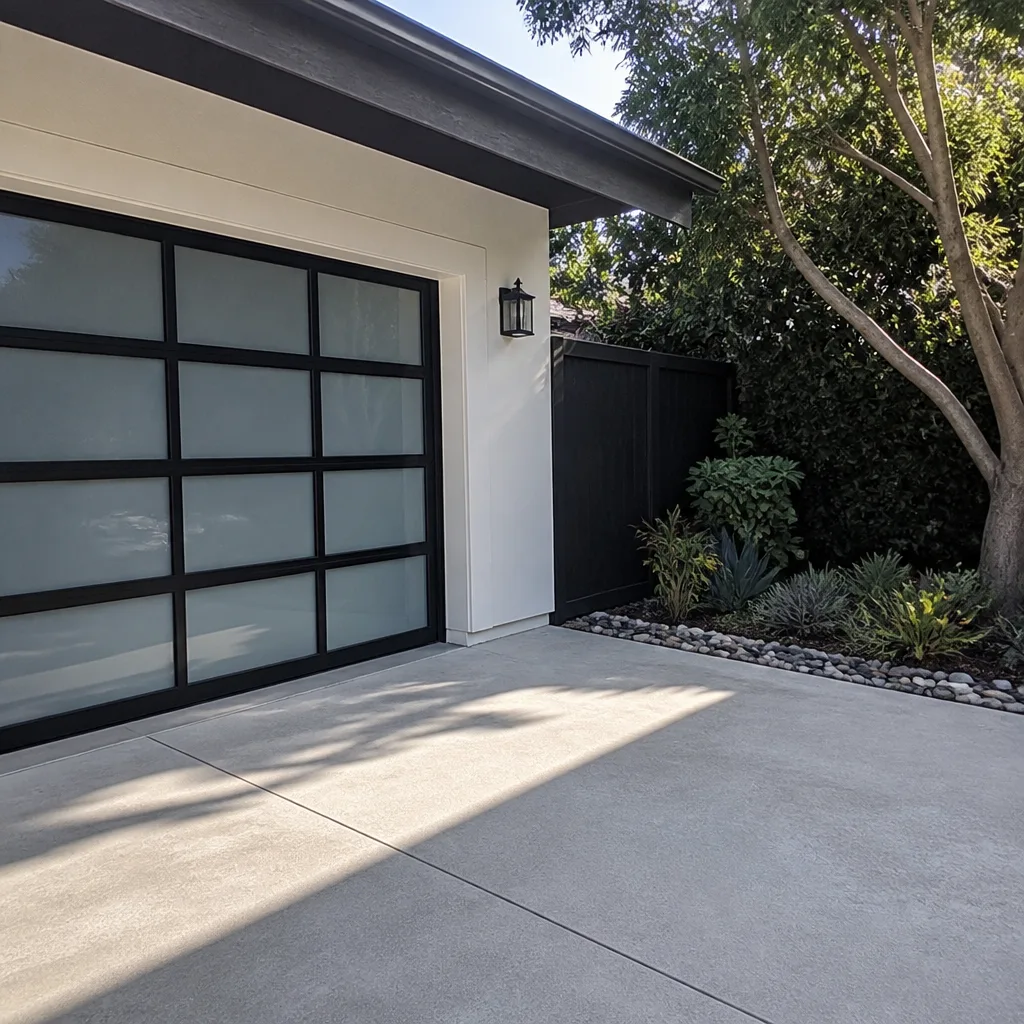 After
After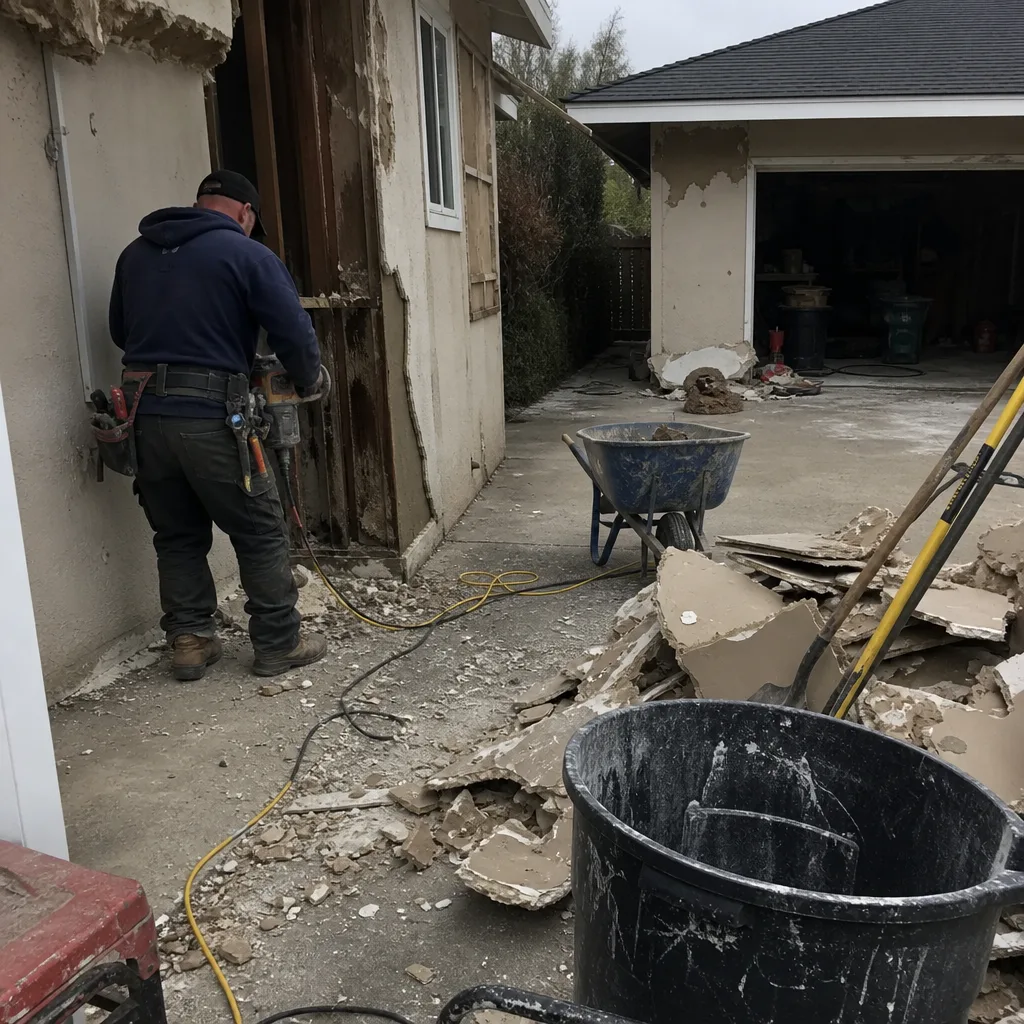 Before
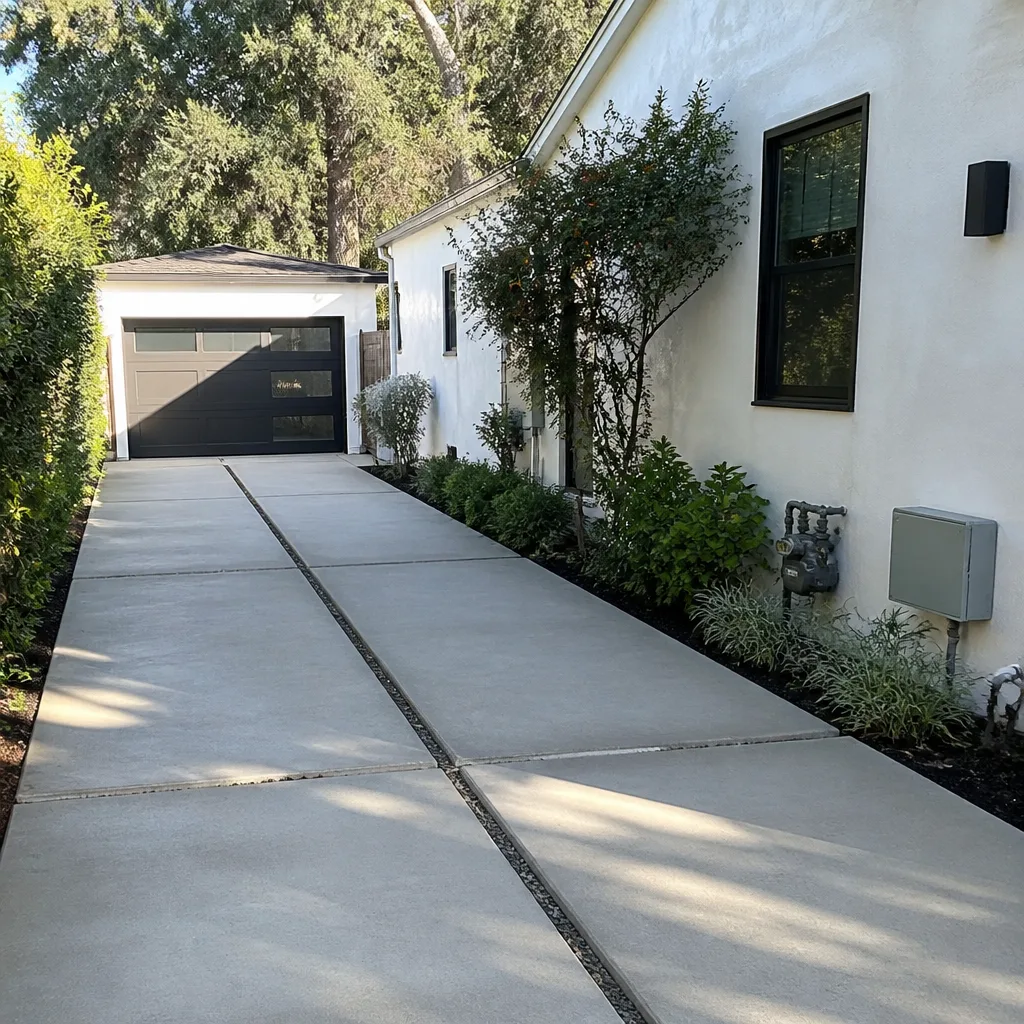 After
AfterReplacement Cost & What’s Included
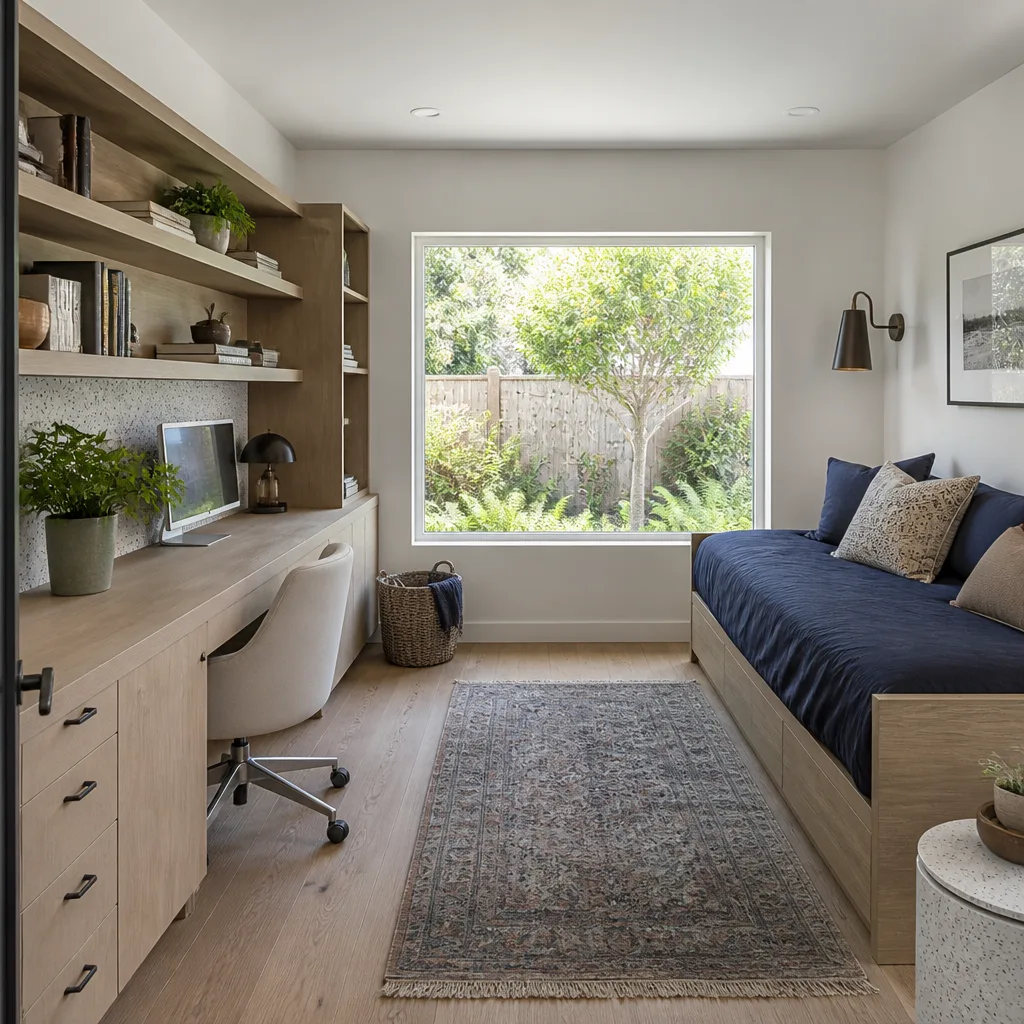
For a Tamko-related failure on an addition or ADU in Woodland Hills, repair costs typically run $400 – $1,800 for a roof repair, spreading to $8,000 – $20,000 for a full roof replacement if the damage has gone too far. That range covers roof and flashing work, but if the failure has gotten into the structural framing, you’re looking at additional costs tied to the scope of the rebuild. What drives the price is access, the condition of the existing decking, and whether we’re repairing a section or replacing the entire roof assembly on the addition.
Every estimate from us is a written, line-item price. You’ll see parts, labor, permit fees if they apply, and the warranty terms spelled out. No verbal ballpark that balloons later. We disclose exactly what the Tamko-compatible materials cost and what our labor is worth, so you can compare honestly. Our workmanship warranty runs 365 days from the completion date, and if the repair fails within that window, we come back at no charge.
DIY or Call Us?
Here’s the honest split. You can safely inspect your own addition or ADU for the symptoms listed above: check for stains, run your hand along the wall near the connection point, and look at the roof edge from the ground. That tells you whether you have a problem. Diagnosing the exact point of failure and repairing it correctly is where DIY goes wrong, because the work often requires roof access, proper flashing technique, and an understanding of how the Tamko membrane was originally installed. One wrong step on a roof in Woodland Hills with our specific sun exposure, and you’ve created a bigger leak than you fixed. If you’re uncertain, call us at (831) 290-6866 and we’ll walk through what you’re seeing before you commit to anything.
FAQs
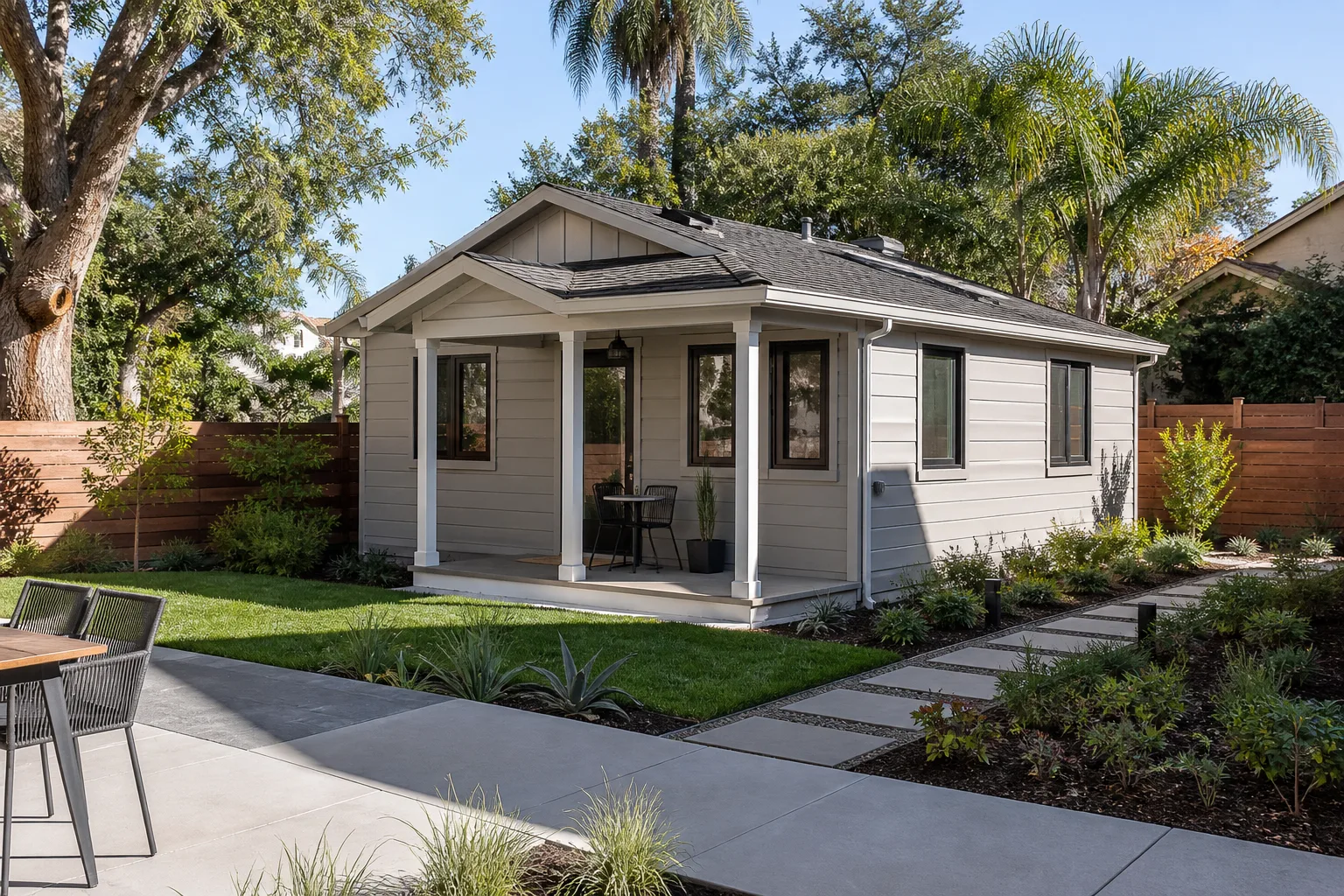
Expect 15 – 25 years from a properly installed Tamko underlayment and flashing system in our climate, but the connection point between the addition and the main house usually needs attention around the 10-year mark due to heat cycling and differential movement. Call (831) 290-6866 if you suspect yours is failing, and we’ll give you a straight answer on what’s left of its service life.
Most failures at the transition point can be repaired by replacing the flashing and the affected underlayment section without touching the rest of the roof. The exception is when water has been penetrating long enough to rot the decking or framing, at which point a larger replacement becomes necessary. We’ll tell you which situation you’re in and show you the evidence before we give you a price.
A typical flashing and underlayment repair takes one to two days, including drying out any minor moisture we find in the assembly. Larger replacements or structural rebuilds will take longer, and we’ll give you a completion window in writing with your estimate so there’s no ambiguity.
We stock Tamko-compatible underlayment, flashing, and transition materials in the sizes and grades needed for residential additions and ADUs in Woodland Hills. We also carry materials for other systems on the property, including KraftMaid cabinetry, Cambria and Silestone countertops, so if the repair uncovers adjacent damage, we can handle the full scope without sending you to a supplier. Call (831) 290-6866 for a free estimate.
If you have a Tamko addition or ADU in Woodland Hills that’s showing signs of trouble, start with a phone call. We’ll talk through what you’re seeing, tell you honestly whether it needs attention now or can wait, and schedule an inspection. Tell us what you need done. We’ll tell you what it takes and what it costs. Then we get to work. Reach out to Isaac Pruett and the team at Mason Remodeling Co Woodland Hills at (831) 290-6866 for a free estimate.
Written by Isaac Pruett, Owner, Mason Remodeling Co – Woodland Hills, CA at Mason Remodeling Co Woodland Hills, serving Woodland Hills and nearby areas.